B21, China Town Mall, Midrand

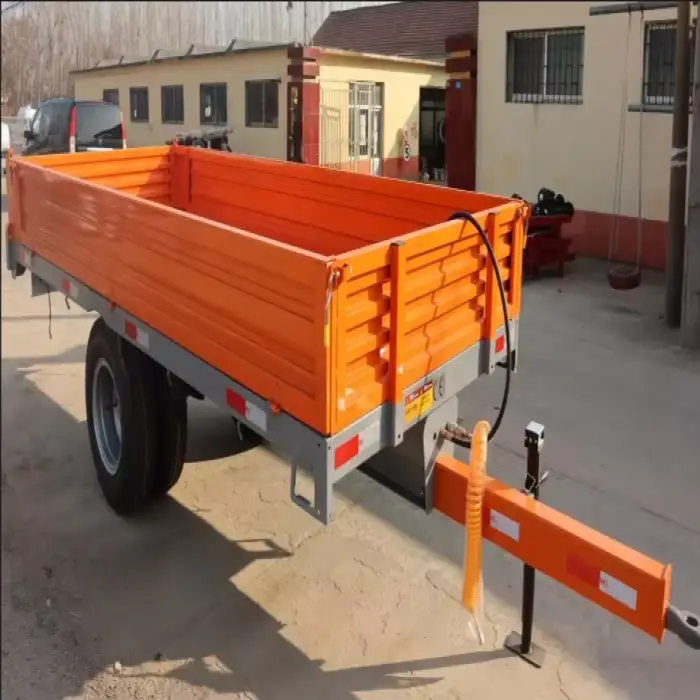
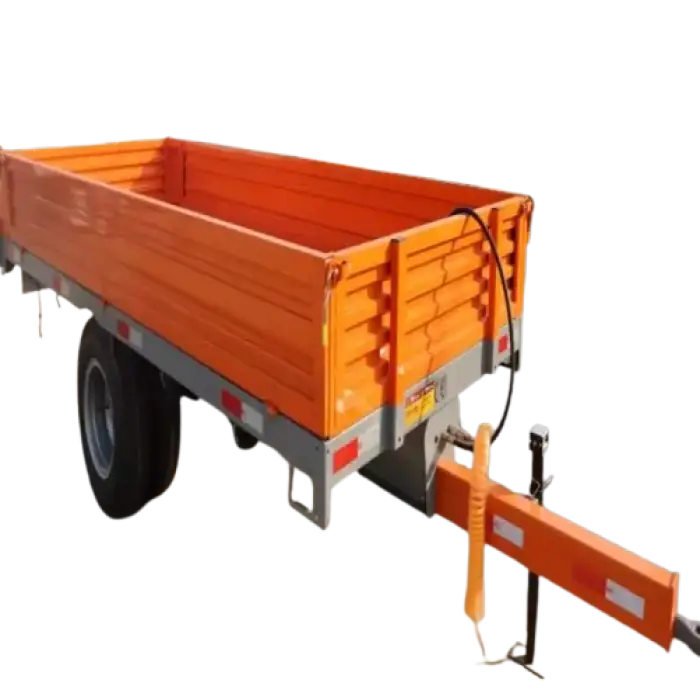
5 Ton Single Axle Hydraulic Tipping Tractor Trailer
Asset finance available
Do you want funding for this equipment?
Afrimart can connect you with trusted funding partners who specialise in asset finance for businesses like yours. Compare options and apply in minutes — final approval is subject to provider review.
Check funding options
Secure & no obligation

- Section : Machinery
- Category : Agriculture Machinery
- SKU : 2700

5 Ton Single Axle Hydraulic Tipping Tractor Trailer
The 5 Ton Single Axle Hydraulic Tipping Tractor Trailer is a powerful and reliable solution for transporting heavy loads. This trailer is designed for efficiency and ease of use. With its robust build and hydraulic tipping feature, it makes unloading simple and quick. Perfect for farms, construction sites, and more, this trailer can handle various tasks with ease.
Specifications
| Attribute | Details |
|---|---|
| Load Capacity | 5 Tons |
| Axle Type | Single Axle |
| Hydraulic System | Yes |
| Trailer Weight | 1 Ton |
| Dimensions | 12 ft x 6 ft |
| Material | Heavy Duty Steel |
Key Features
- Hydraulic tipping mechanism for easy unloading.
- Sturdy single axle design for better stability.
- Large load capacity of 5 tons.
- Durable construction with heavy-duty steel.
- Compact dimensions for easy maneuverability.
Applications
- Agricultural transport for crops and equipment.
- Construction site material hauling.
- Landscaping and garden waste removal.
- Forestry work and timber transportation.
- General hauling for various industries.
Product Info Gallery
- Shipping Timeframes: All orders are processed within 2-5 business days (excluding weekends and holidays). After your order has been processed, the estimated delivery time is before 03 Aug, 2026, depending on customs, Please note that due to high demand, some items may experience longer shipping times, which will be communicated at order confirmation email.
- Order Processing Time: Please allow 2-5 business days for us to process your order before it is shipped . Orders placed after 16:00 on Fridays, or during weekends and public holidays, will begin processing on the next business day. Processing times may be extended during peak seasons or sales events.
- Manufacturing Time: Some products needs manufacturing time, the manufacturing process will take approximately 10-30 business days depending on the product. This timeframe may vary depending on the complexity of the product and current demand. but this will be communicated with you during order confirmation.
- Returns and Exchanges: We offer a 30-day return policy for most items. If you are not completely satisfied with your purchase, you may return it within 30 days of receipt for a refund or exchange. Items must be unused, in their original packaging, and accompanied by proof of purchase. Return shipping costs are the responsibility of the customer, unless the item was damaged or defective upon arrival.
1. What is the load capacity of the 5 Ton Single Axle Hydraulic Tipping Tractor Trailer?
The trailer has a rated load capacity of 5 tons. With the trailer's own weight of 1 ton, the approximate gross vehicle weight (GVW) is 6 tons, so ensure your towing vehicle and hitch are rated accordingly.
2. What are the trailer's dimensions and how much does it weigh?
External dimensions are 12 ft x 6 ft and the trailer weighs approximately 1 ton (empty).
3. How does the hydraulic tipping mechanism work and how is it powered?
The trailer features a hydraulic tipping mechanism for quick unloading. It is typically powered by the towing tractor's hydraulic system; some suppliers may offer an optional onboard hydraulic pump. Check the product manual or supplier for the exact hookup and power requirements.
4. What towing vehicle is required to safely tow this trailer?
You need a towing vehicle (tractor or truck) with a compatible hitch, hydraulic hookups (if using tractor hydraulics), appropriate braking system, and a towing capacity exceeding the trailer's GVW (~6 tons). Confirm hitch type and ratings with the supplier and comply with local towing regulations.
5. Does the trailer come with brakes?
Braking configuration is not specified in the basic description. Many models can be supplied with mechanical or hydraulic brakes to meet safety and legal requirements—verify brake options and local regulations with the manufacturer or dealer.
6. What are the advantages and limitations of the single axle design?
Advantages: simpler maintenance, lower cost, and easier maneuverability in tight spaces. Limitations: single-axle trailers concentrate weight on one axle which can affect ride comfort and stability at high speeds or on very uneven terrain; proper loading and lower travel speeds are recommended.
7. How should loads be loaded and secured on this trailer?
Center heavy loads over the axle, keep loads within the 5-ton limit, and use appropriate tie-downs (straps, chains, binders) and tailgate locks. Distribute weight evenly and secure loose material to prevent shifting during transport.
8. What routine maintenance does the trailer require?
Regular maintenance includes: checking and topping hydraulic fluid, inspecting hoses and seals for leaks, greasing pivot points and hinges, checking tyre condition and inflation, inspecting the chassis for cracks or corrosion, and ensuring lights/brakes (if fitted) are operational. Follow the supplier's maintenance schedule.
9. What type of tyres and wheel specifications are required?
Tyre and wheel specs are not listed in the basic description. Use load-rated tyres and wheels suitable for the trailer's GVW and typical operating conditions—confirm exact tyre size, ply rating, and inflation pressures with the manufacturer.
10. Is the trailer suitable for off-road use like farms and forestry?
Yes—this trailer is designed for agricultural, construction, landscaping, and forestry tasks. However, assess ground conditions, load distribution, and the single-axle design when operating on very rough or soft terrain to avoid bogging or damage.
11. What materials and corrosion protection does the trailer have?
The trailer is constructed from heavy-duty steel. For long-term protection, regular cleaning, touch-up paint, and underbody or chassis coatings are recommended—especially if used in wet, salty, or corrosive environments.
12. How do I safely operate the tipping function?
Park on level ground, apply the parking brake and chock wheels, secure the towing vehicle, ensure no one is near the tipping area, engage the hydraulic system and raise the bed slowly while monitoring load shift, then lower the bed fully and secure before moving. Always follow the operator's manual and safety instructions.
13. Are customization options available (e.g., higher sides, tarps, different hitch)?
Custom options are commonly offered by manufacturers—examples include higher sideboards, removable extensions, tarpaulin covers, different hitch types, hydraulic or mechanical brakes, and optional onboard pumps. Contact the supplier for available configurations and pricing.
14. What warranty and spare parts support is available?
Warranty terms and spare parts availability vary by manufacturer and dealer. Ask your supplier for warranty length, coverage details, and the availability of replacement parts such as hydraulic cylinders, hoses, tailgates, and tyres before purchase.
15. Are there legal or safety regulations I should be aware of when using this trailer?
Yes—obey local road and transport laws regarding trailer registration, lighting, braking requirements, maximum speeds, and weight limits. Ensure the trailer is properly registered, equipped with required lights/reflectors, and that the towing setup complies with regional regulations.
Latest Order Arrivals
Discover our latest orders
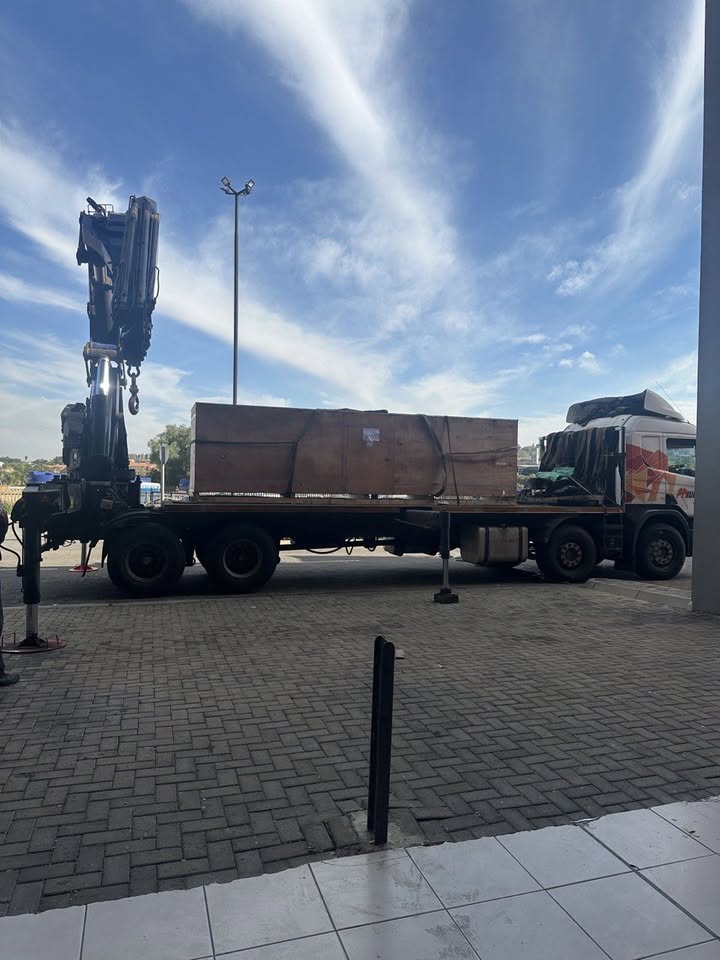
12 Heads Embroidery Machine
Toilet Paper Machine Machine
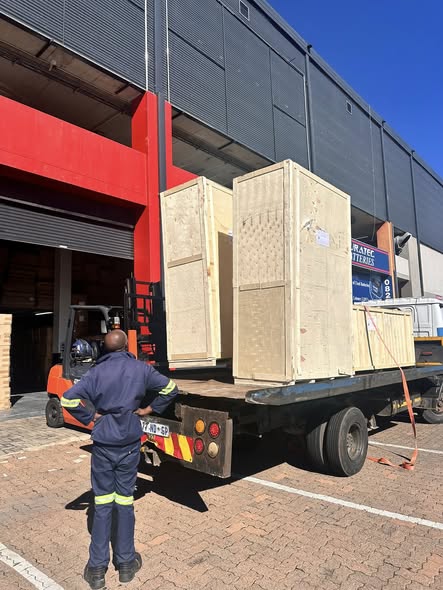
Order Collection
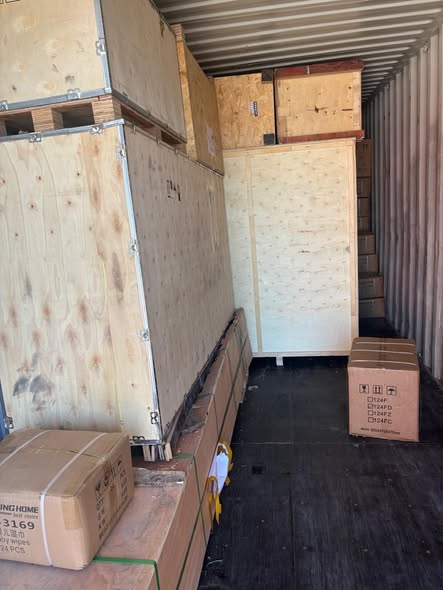
Cross Border Clients
Order cros border countries Collected
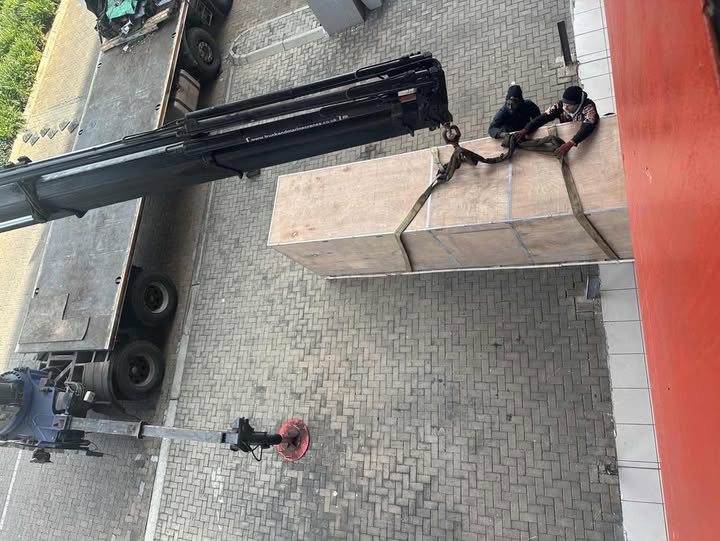
Industrial Machine Cllection
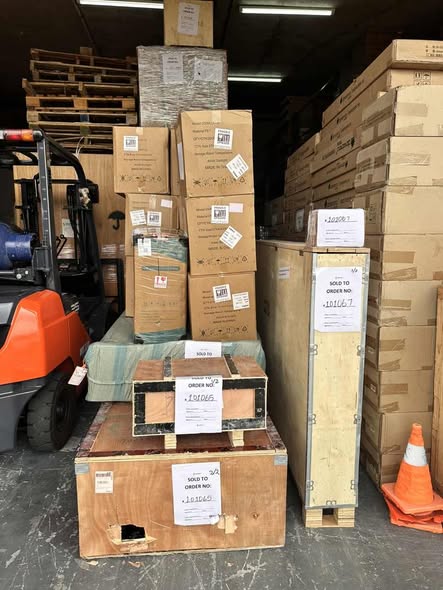
Agriculture Processing Machines
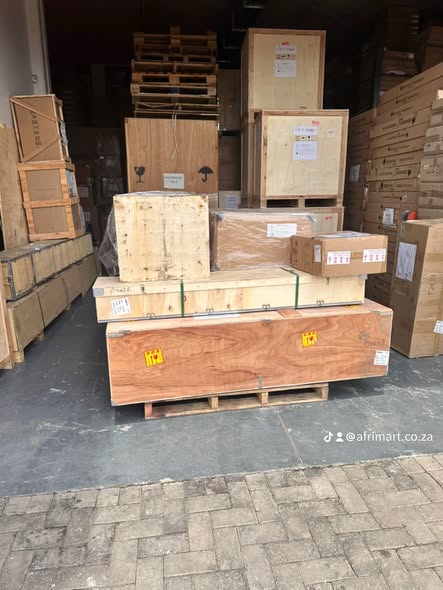
Ready for collection
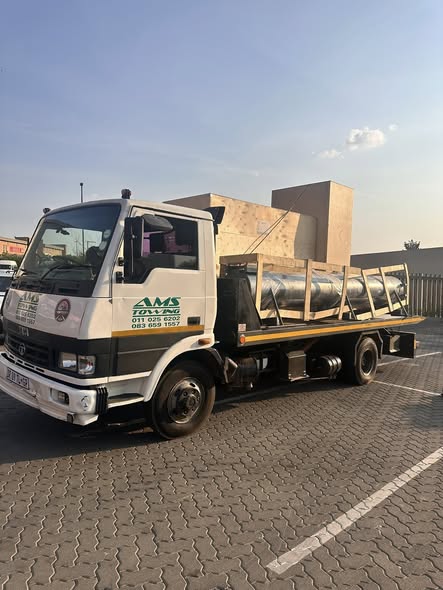
Water Pump Equipment
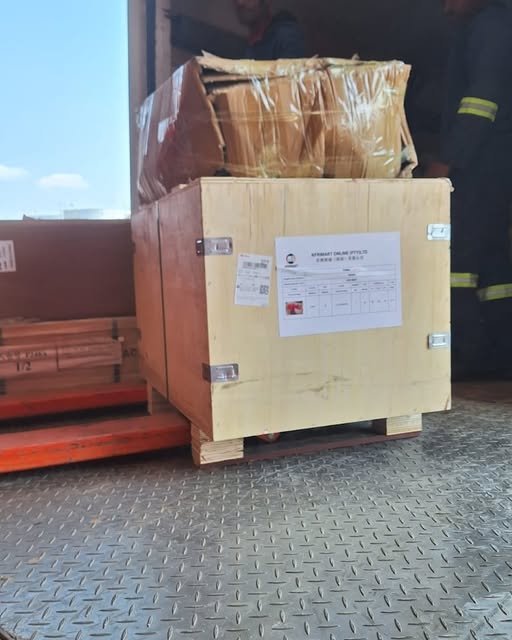
Packaging Machine and accessories
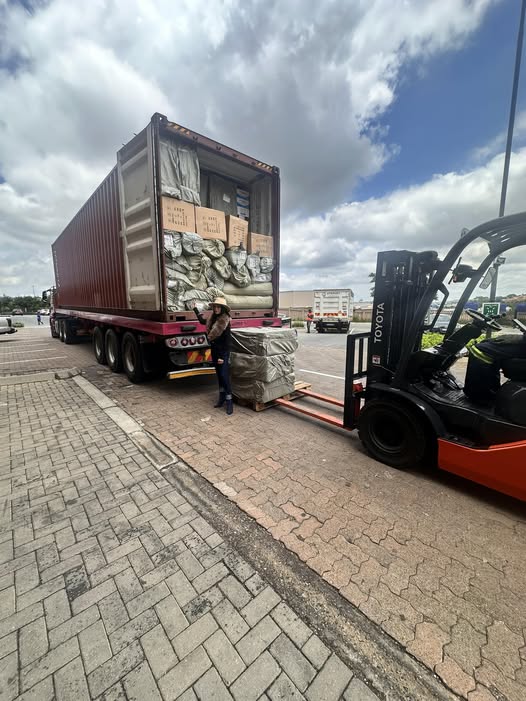
Fabrics Manufacturing Equipment
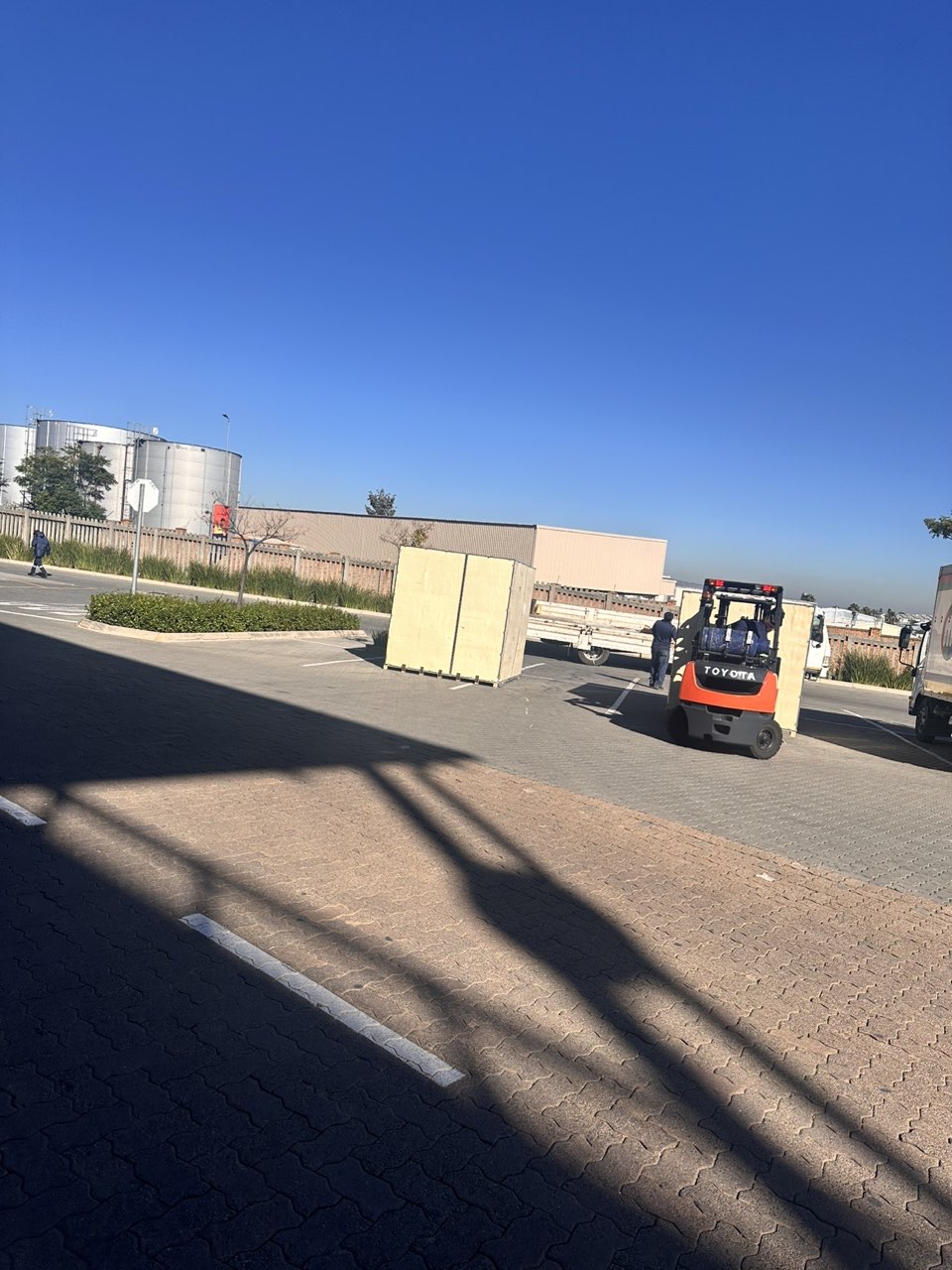
Mining Equipments
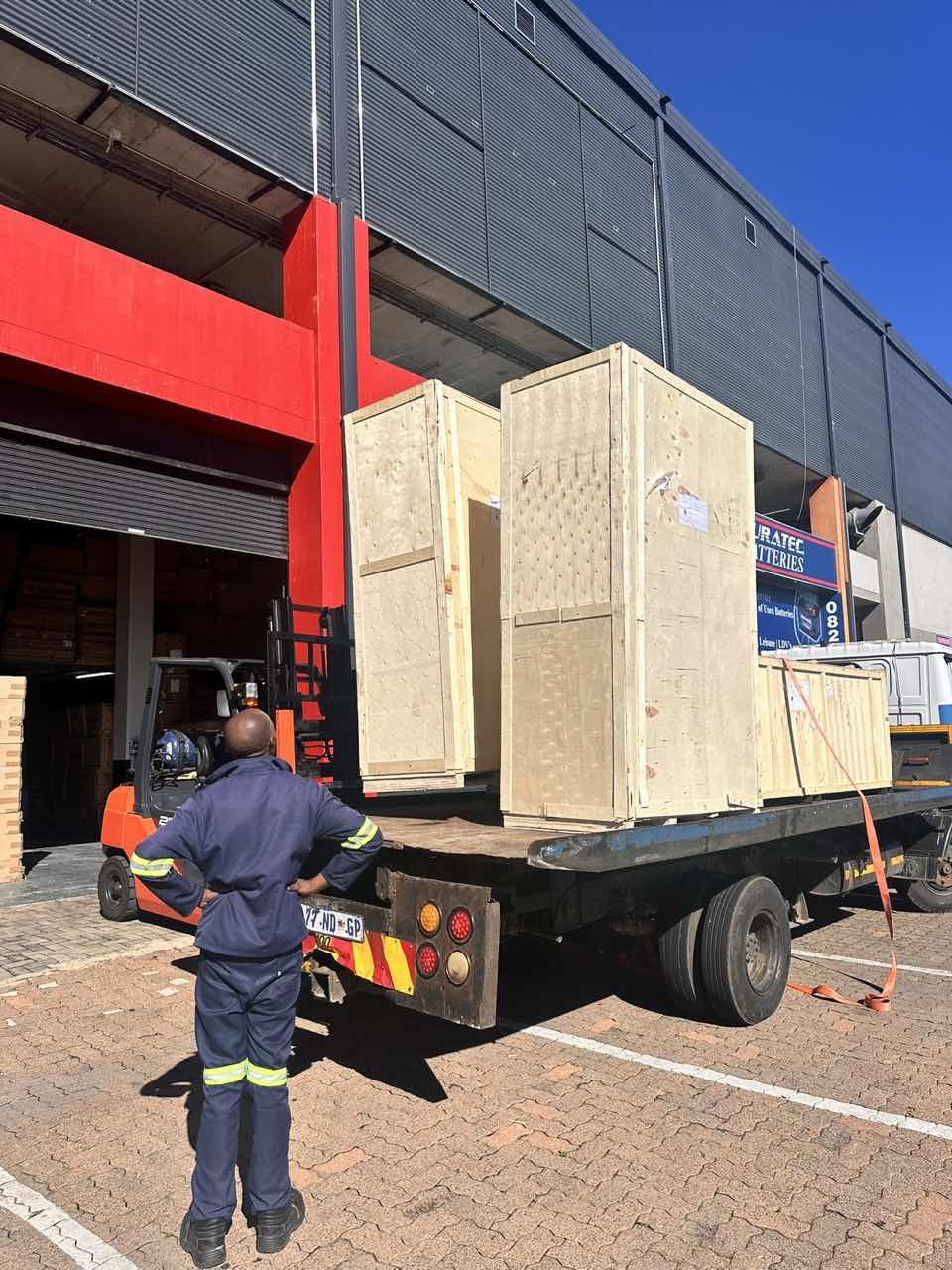
Food Processing Machine
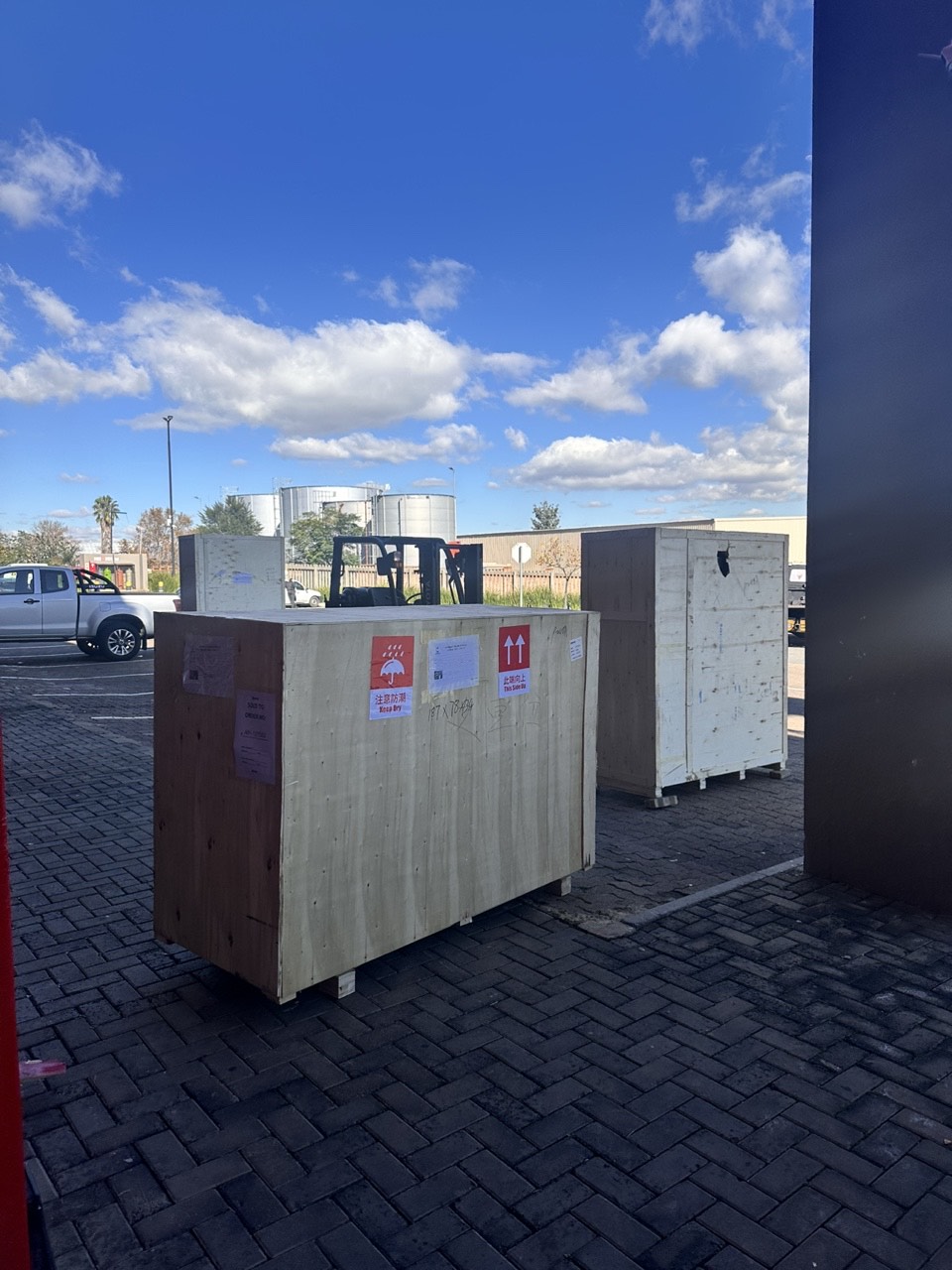
Batch of Orders
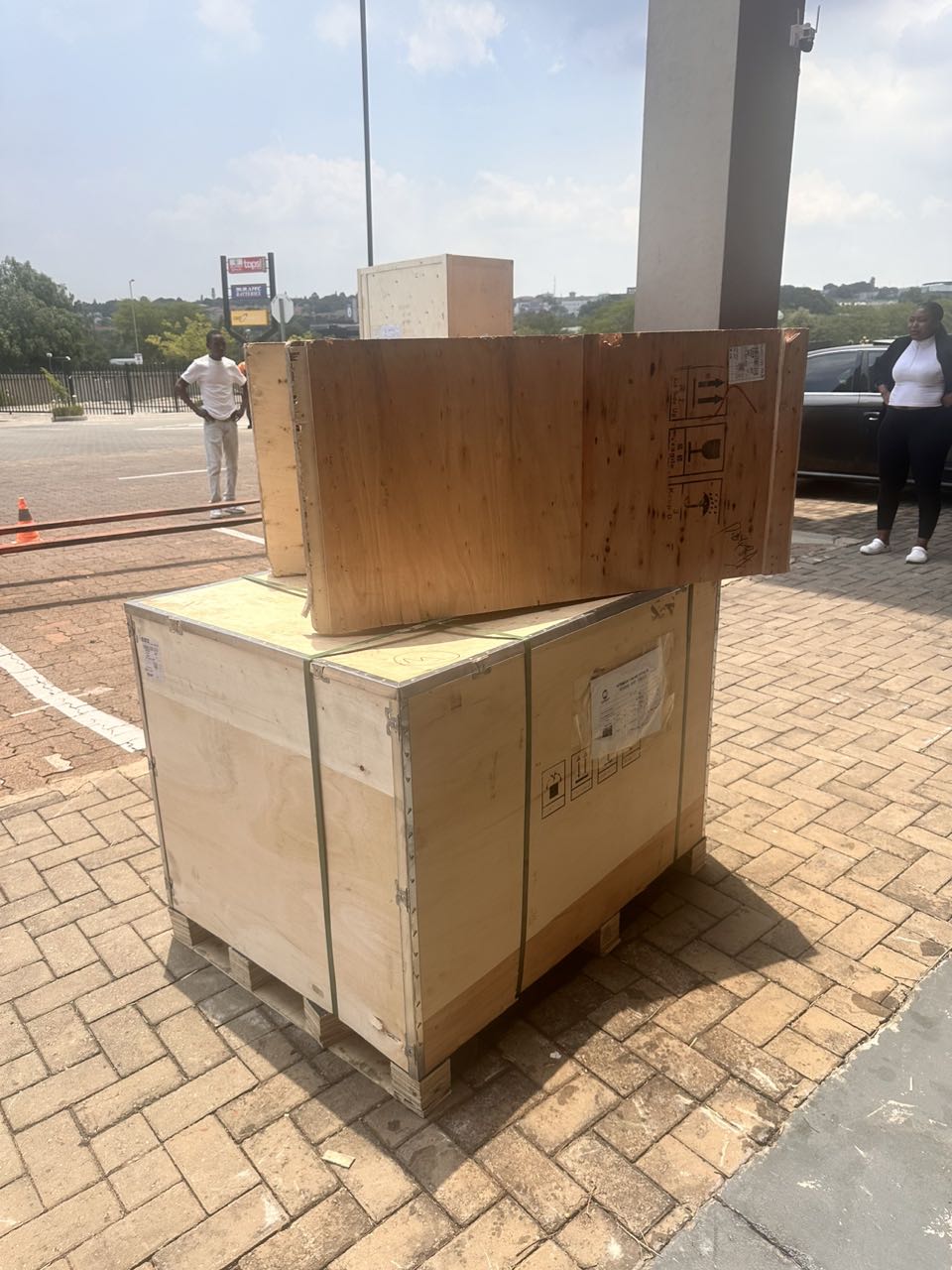
Batch of Orders
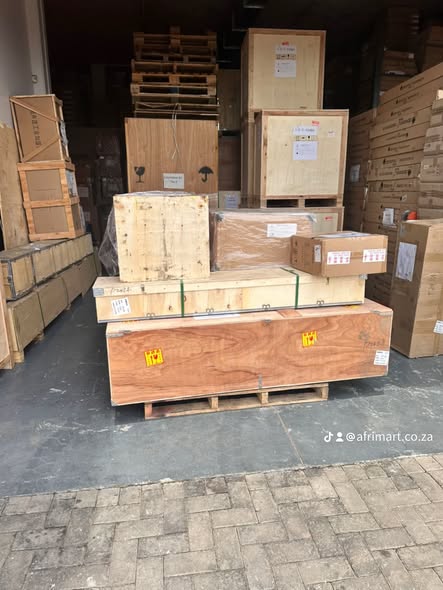
Latest Orders Labelled
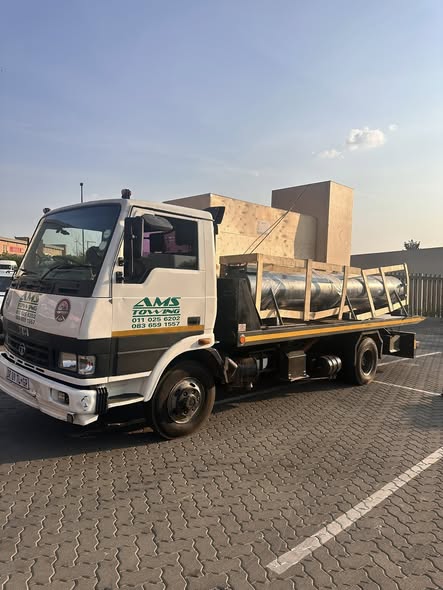
wheel alignment machines
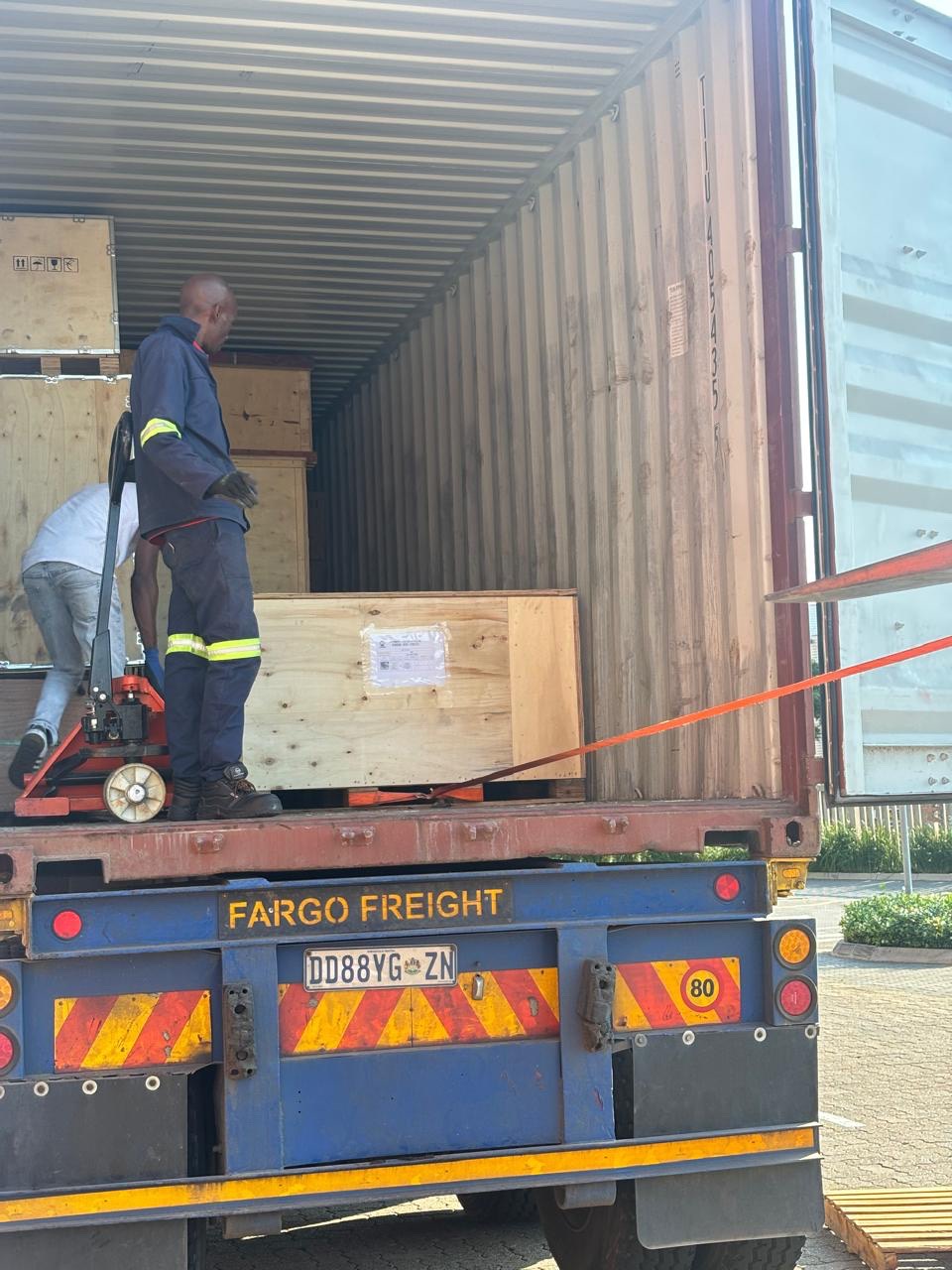
new arrivals
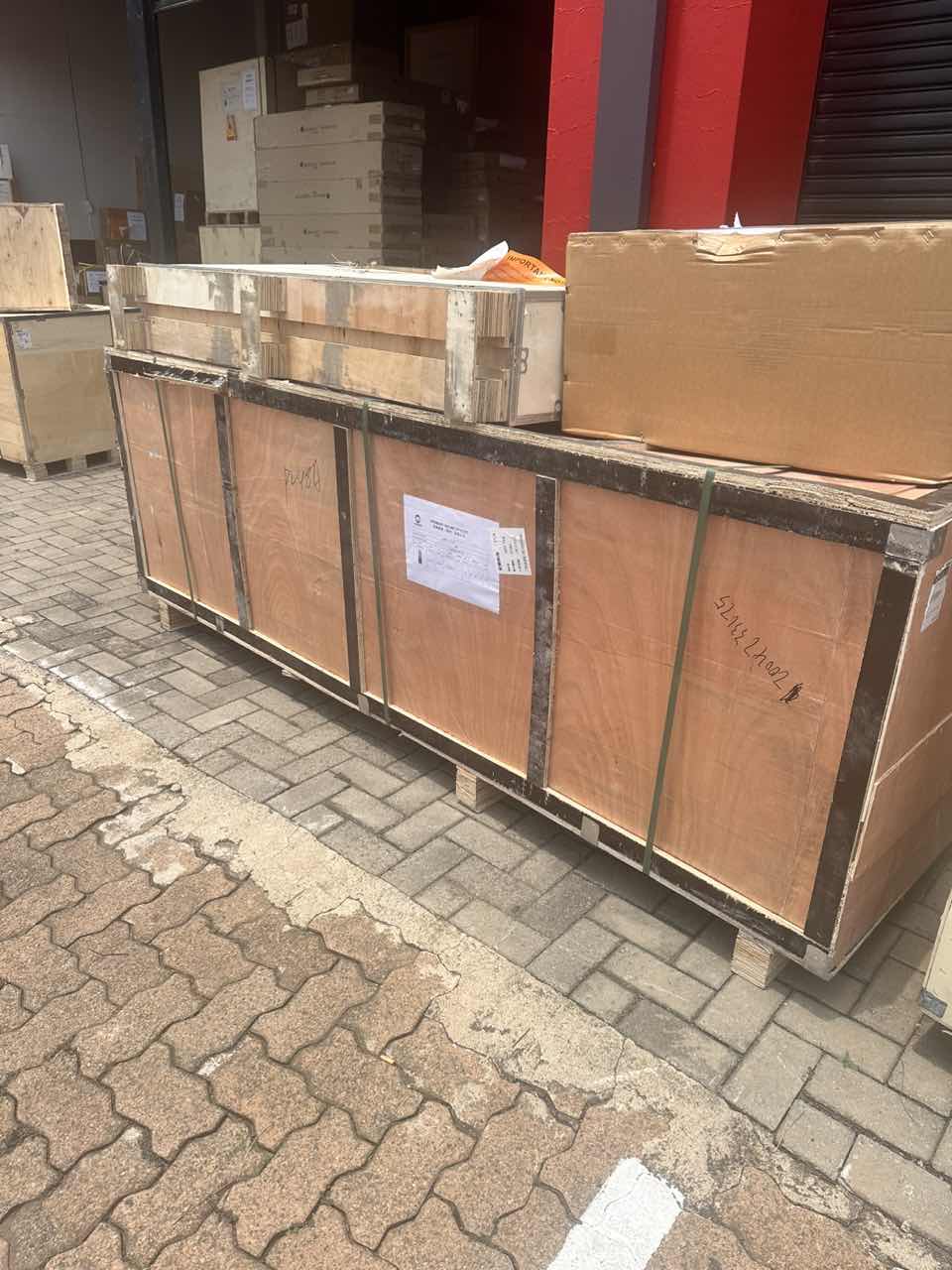
Pre Orders Offloading
Latest Arrivals
Latest Arrivals
Latest Arrivals
Loading
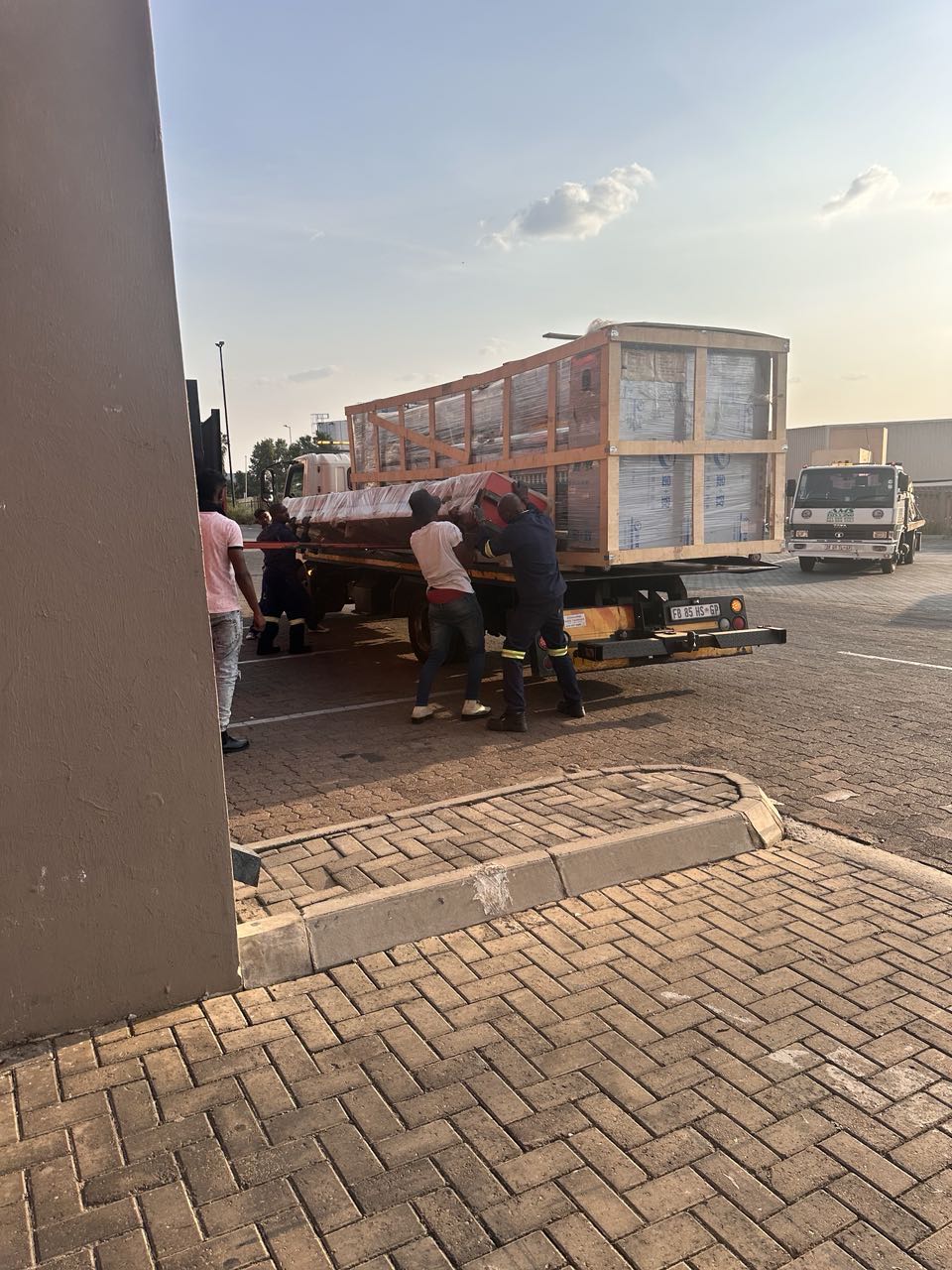
Toilet paper making machine
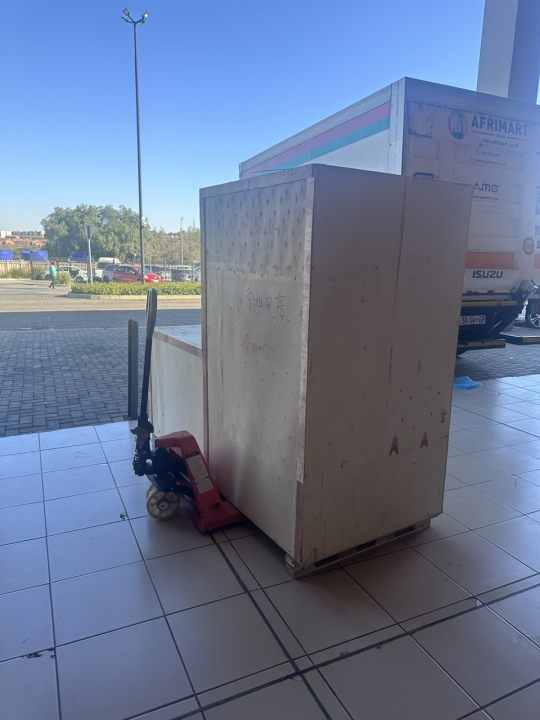
Toilet paper making machine
Toilet paper Rewinding Machine
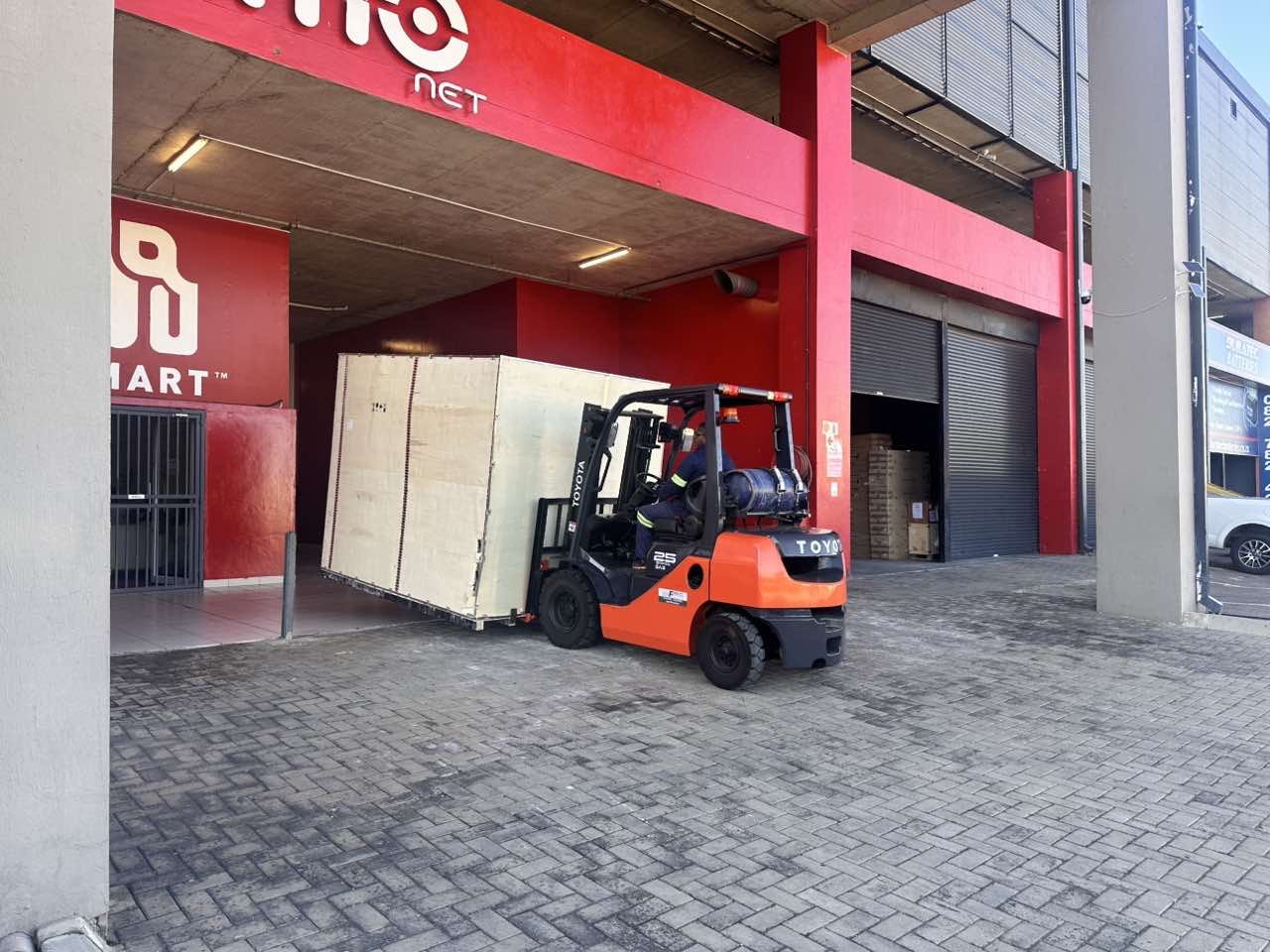
latest arrivals
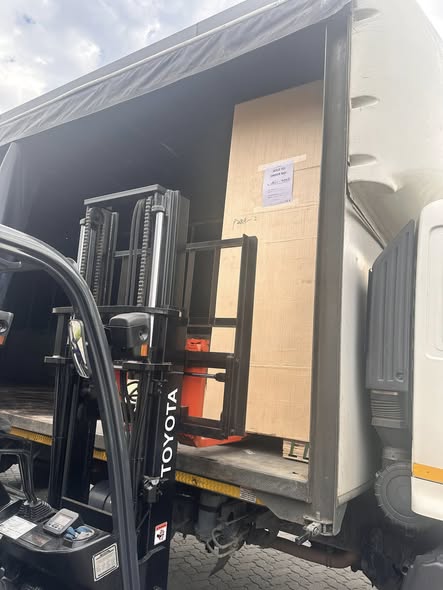
offloading
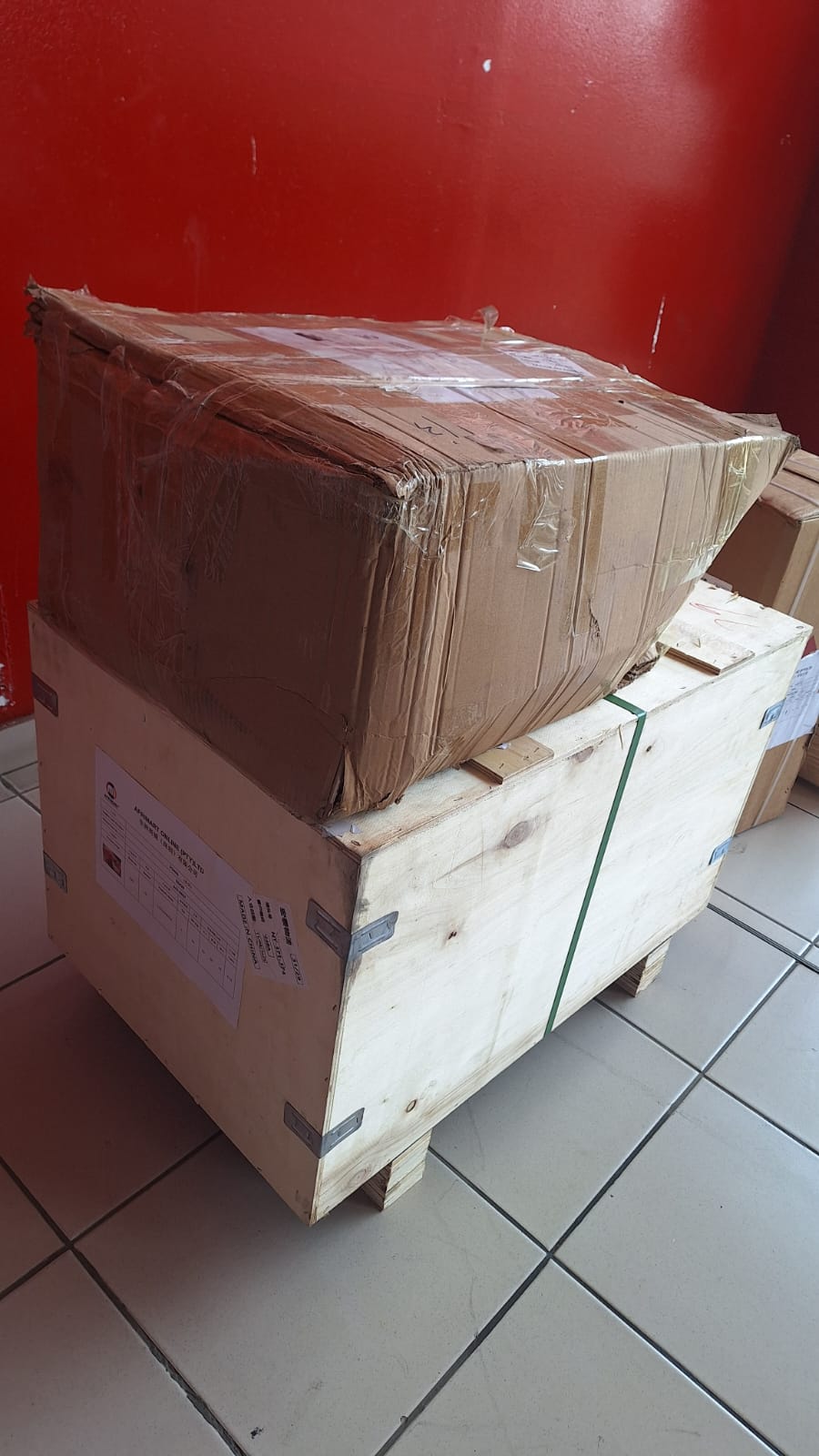
order success
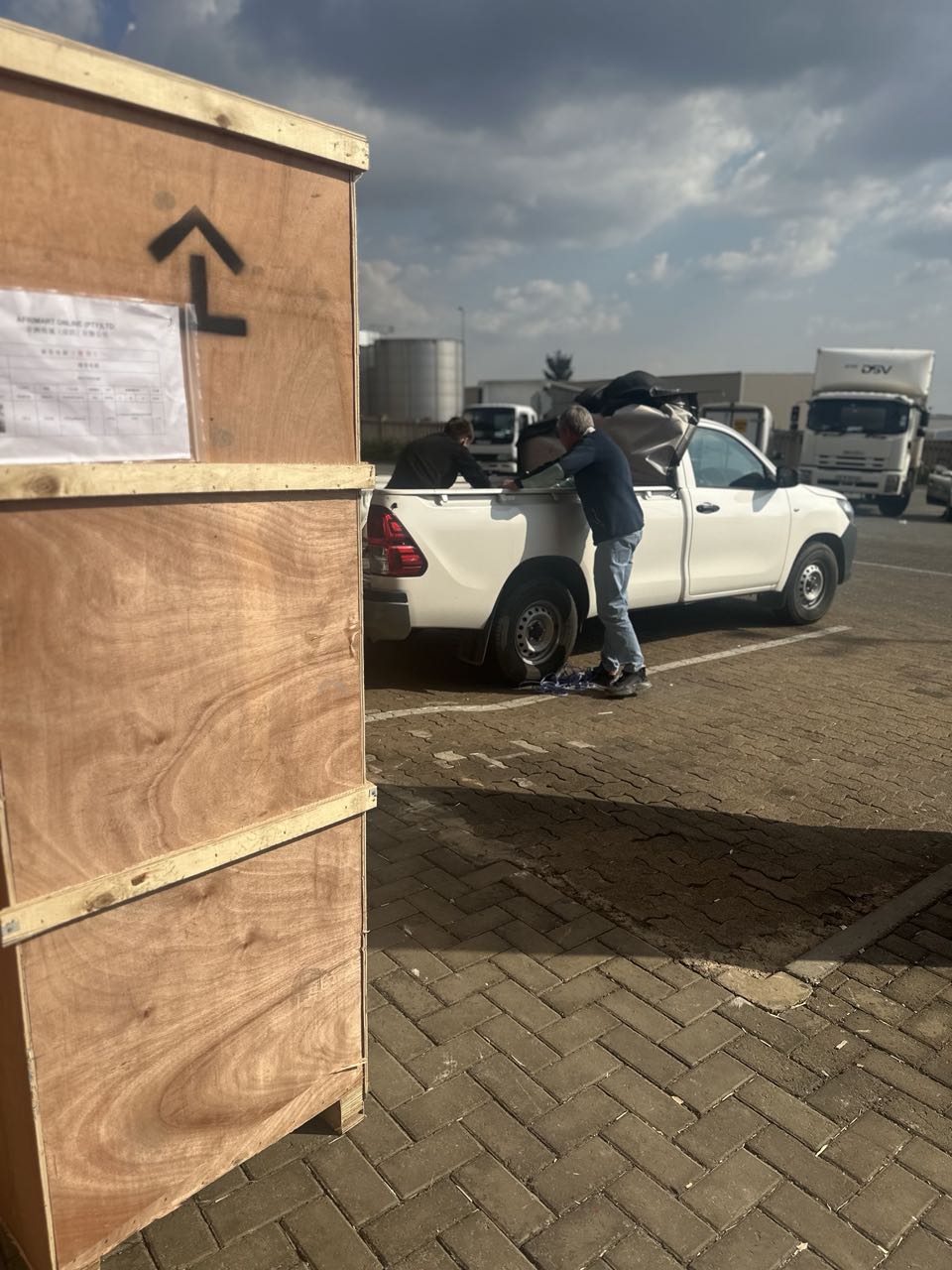
order collection
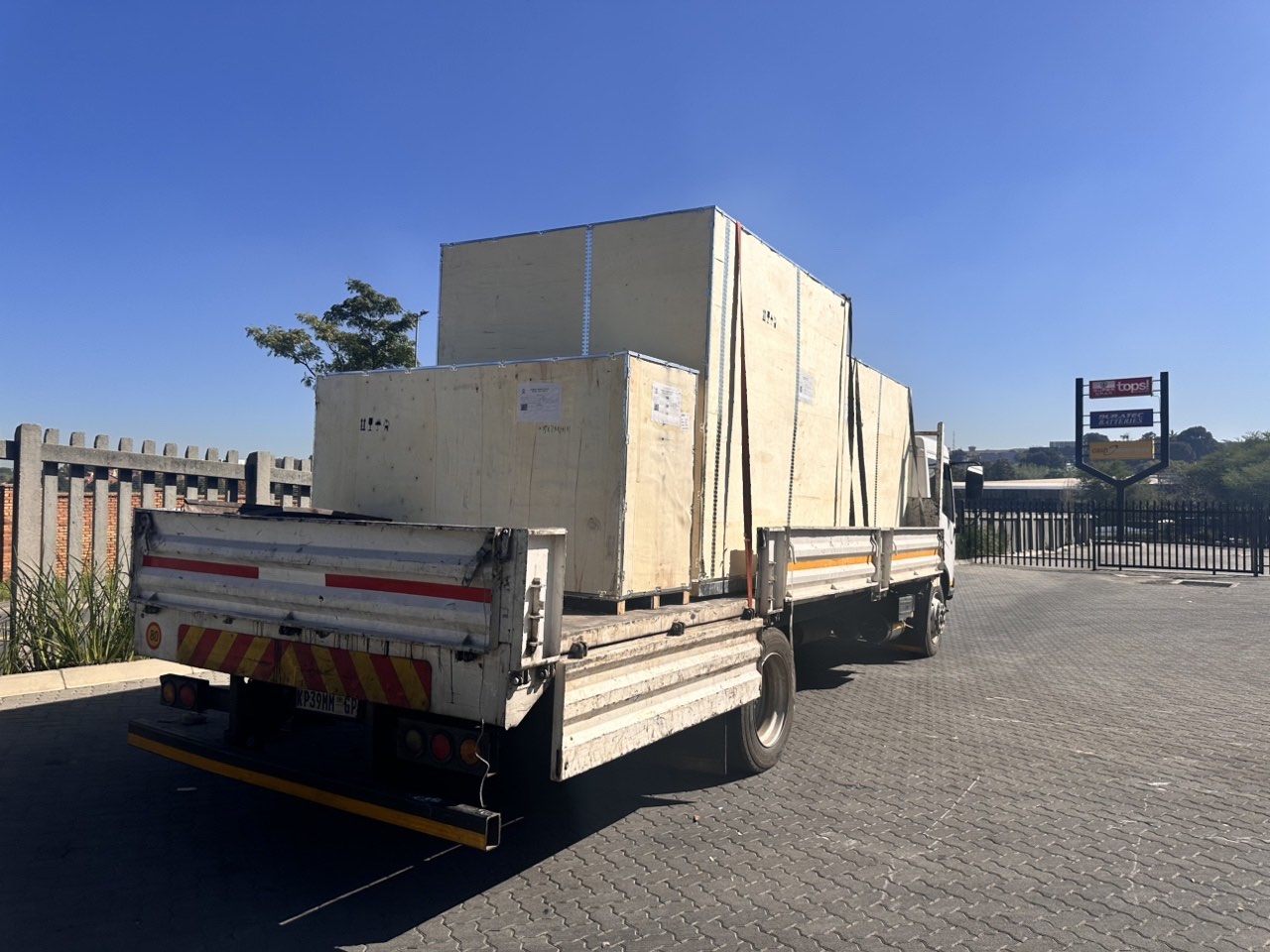
order offloading