B21, China Town Mall, Midrand

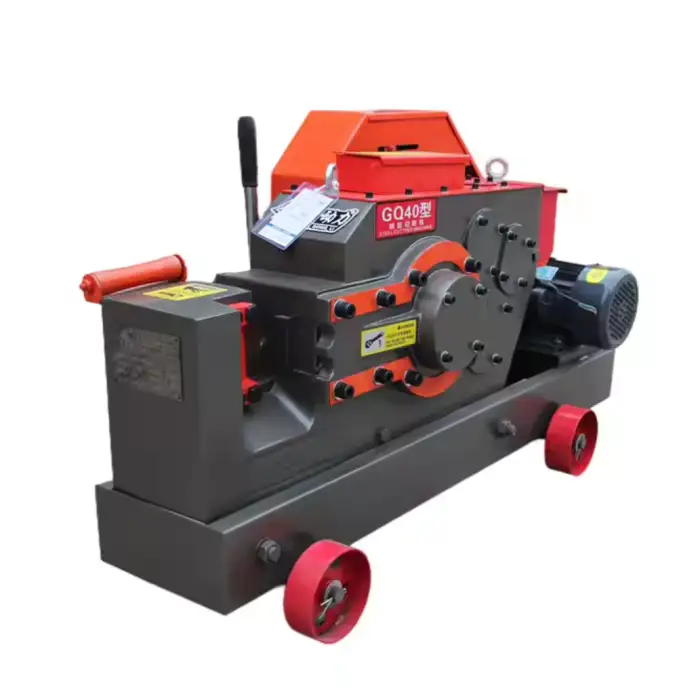
3kw Pure Copper Motor Electric Rebar Cutting Machine Diameter 4-32mm Threaded Rebar Cutting Machine

- Section : Machinery
- Category : Machine Tool Equipment
- SKU : 11000022928627

4kw Pure Copper Motor Electric Rebar Cutting Machine Diameter 4-32mm Threaded Rebar Cutting Machine
This powerful 4kw Pure Copper Motor Electric Rebar Cutting Machine is designed for efficiency and reliability. It easily cuts rebar and round steel with a diameter range of 4-32mm. Perfect for construction projects, this machine is built with high-quality components to ensure long-lasting performance.
Specifications
| Attribute | Details |
|---|---|
| Power (kw) | 3 |
| Weight (kg) | 288 |
| Dimensions (L*W*H) | 1350mm * 470mm * 800mm |
| Cutting Diameter | Rebar: 4-28mm / Round Steel: 4-32mm |
| Voltage | 220V / 380V / 415V |
| Brand Name | HN |
| Core Components | Motor, Gearbox, Pressure Vessel |
Key Features
- High-quality pure copper motor for efficient cutting.
- Customizable voltage options for various needs.
- Robust design ensures durability and longevity.
- Comprehensive machinery test report provided.
- Video outgoing inspection for quality assurance.
Applications
- Ideal for construction projects needing steel cutting.
- Perfect for reinforcing bar processing.
- Used in factories for metal fabrication.
- Suitable for DIY enthusiasts and small workshops.
- Great for any project requiring precision cutting of rebar.
Product Info Gallery
- Shipping Timeframes: All orders are processed within 2-5 business days (excluding weekends and holidays). After your order has been processed, the estimated delivery time is before 03 Aug, 2026, depending on customs, Please note that due to high demand, some items may experience longer shipping times, which will be communicated at order confirmation email.
- Order Processing Time: Please allow 2-5 business days for us to process your order before it is shipped . Orders placed after 16:00 on Fridays, or during weekends and public holidays, will begin processing on the next business day. Processing times may be extended during peak seasons or sales events.
- Manufacturing Time: Some products needs manufacturing time, the manufacturing process will take approximately 10-30 business days depending on the product. This timeframe may vary depending on the complexity of the product and current demand. but this will be communicated with you during order confirmation.
- Returns and Exchanges: We offer a 30-day return policy for most items. If you are not completely satisfied with your purchase, you may return it within 30 days of receipt for a refund or exchange. Items must be unused, in their original packaging, and accompanied by proof of purchase. Return shipping costs are the responsibility of the customer, unless the item was damaged or defective upon arrival.
1. What materials and diameters can this machine cut?
According to the specification sheet, the machine cuts rebar with a diameter of 4–28 mm and round steel of 4–32 mm. The product title also mentions 4–32 mm for rebar — please confirm the exact model/capacity with the seller before ordering if you require the full 4–32 mm range for rebar.
2. What is the motor power — is it 3 kW or 4 kW?
The product title lists a 4 kW pure copper motor, while the specifications show Power (kW): 3. There is an inconsistency in the listing. Please confirm the motor power with the supplier or on the order confirmation before purchase.
3. What voltages and phases are available?
The machine is offered in 220 V, 380 V and 415 V options. Typically 380 V and 415 V models are three-phase; 220 V may be single- or three-phase depending on configuration. Confirm the phase and wiring requirements with the supplier and your electrician before installation.
4. How heavy is the machine and what are its dimensions?
Weight: 288 kg. Dimensions (L×W×H): 1350 mm × 470 mm × 800 mm. Because of its weight and size, use appropriate lifting equipment for transport and installation.
5. Does this machine work on threaded rebar?
Yes — the machine is capable of cutting rebar that already has threads or couplers. It is a cutting machine only and does not provide threading functionality.
6. What are the main components of the machine?
Core components listed are the motor (pure copper), gearbox and pressure vessel (hydraulic system). These are the primary systems responsible for power, transmission and cutting force.
7. What safety precautions should I follow when using the machine?
Always wear appropriate PPE (safety glasses, gloves, hearing protection). Ensure the machine is properly anchored, do not exceed the rated cutting diameter, keep hands clear of the cutting area, and disconnect power before maintenance or blade changes. Follow the operator manual and local safety regulations.
8. How do I operate the machine (basic steps)?
Typical steps: secure the machine and connect the correct voltage, clamp the rebar in the cutting fixture, start the machine with the control switch, engage the cutting operation until the cut is complete, then release and remove the cut piece. Refer to the supplied user manual or video inspection for model-specific operating instructions.
9. What maintenance is required?
Regular maintenance includes keeping the machine clean, checking and topping up hydraulic fluid or oil as specified, inspecting and replacing worn cutting blades, checking bolts/connections, and periodic inspection of the motor and gearbox. Follow the maintenance schedule in the machine manual and use recommended lubricants and parts.
10. Are replacement blades and spare parts available?
Spare parts such as cutting blades, motors, gearboxes and seals are generally available from the manufacturer or supplier. Contact the seller to confirm availability, part numbers, and lead times.
11. What quality checks come with the machine?
The listing states a comprehensive machinery test report is provided and a video outgoing inspection is available for quality assurance. Request the test report and outgoing inspection video for your serial number or unit before shipment.
12. Is this machine suitable for small workshops or DIY use?
It can be used in small workshops, but note the machine’s weight (288 kg), power requirements and industrial design. Ensure you have proper power supply, lifting equipment and safety setup. For light DIY use a smaller, lighter cutter may be more practical.
13. What is the typical cutting speed or cycle time?
Cutting speed depends on material type and diameter — smaller diameters cut significantly faster than larger ones. The listing does not provide exact cycle times; request a cutting-speed chart or demonstration video from the supplier for the diameters you intend to use.
14. How is the machine packaged and shipped?
Given the machine’s weight and size, it is normally crated and shipped via freight. Ask the supplier for packaging details, shipping dimensions, palletization and whether lift-on/lift-off or tailgate delivery is included.
15. Can the machine be customized (voltage, motor power or features)?
The listing indicates multiple voltage options. For other customizations (motor power, control options, automation), contact the manufacturer/supplier to discuss available configurations, lead times and pricing.
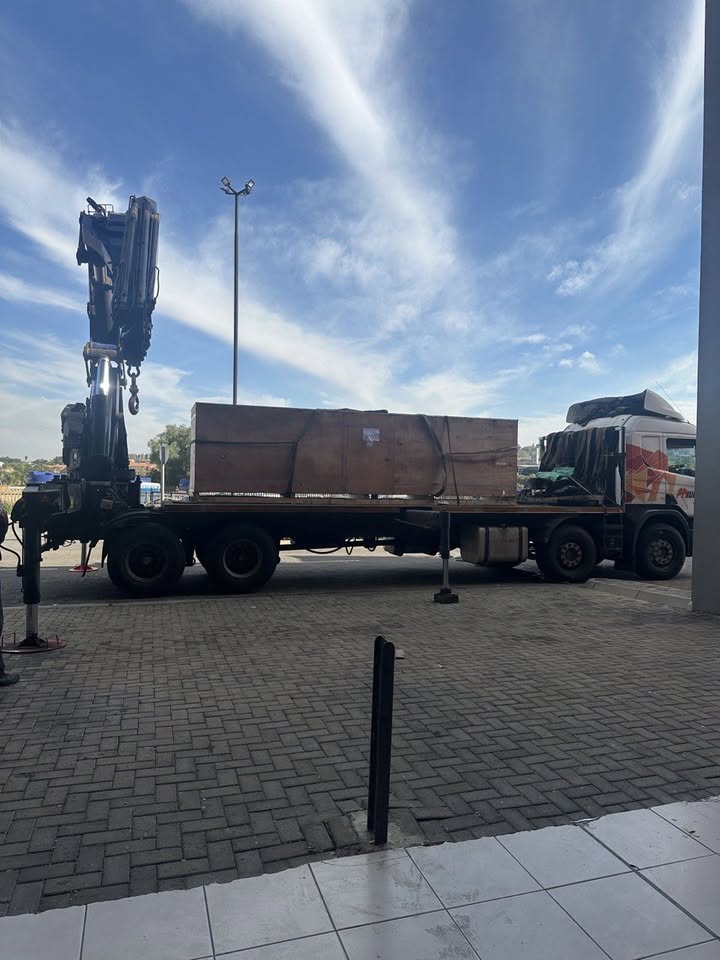
Latest Order Arrivals
Discover our latest orders
12 Heads Embroidery Machine
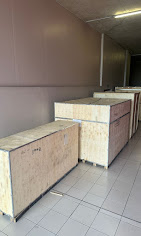
Toilet Paper Machine Machine
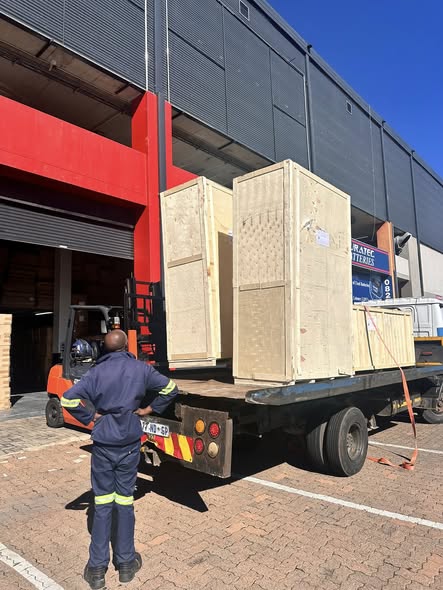
Order Collection
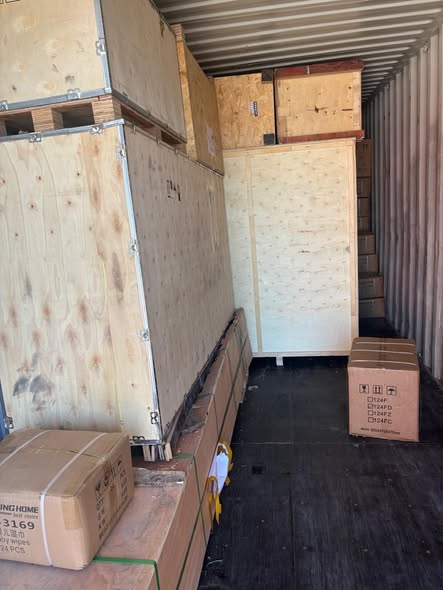
Cross Border Clients
Order cros border countries Collected
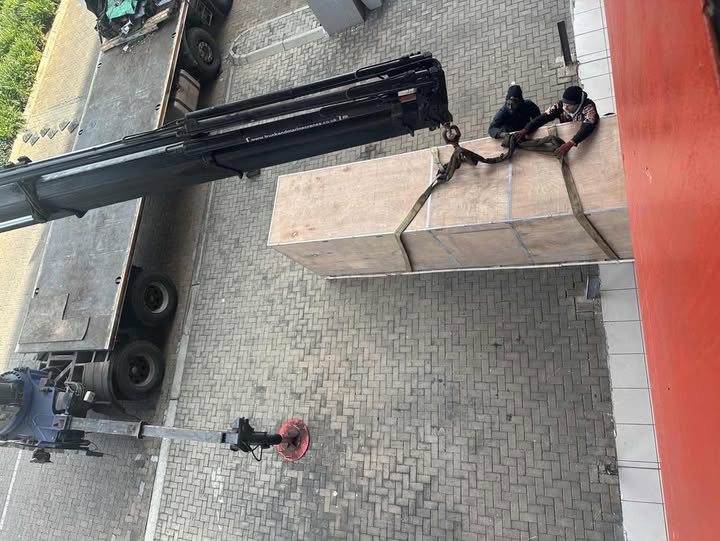
Industrial Machine Cllection
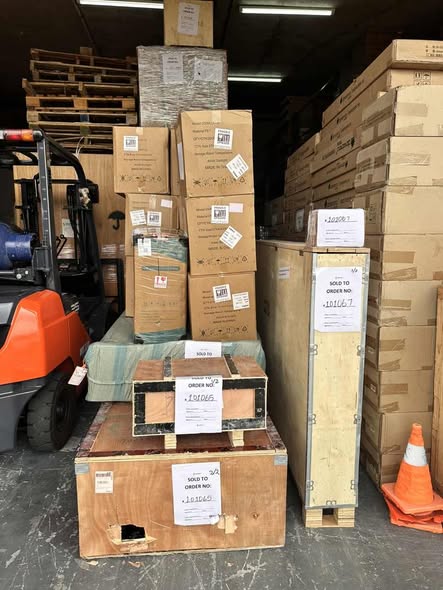
Agriculture Processing Machines
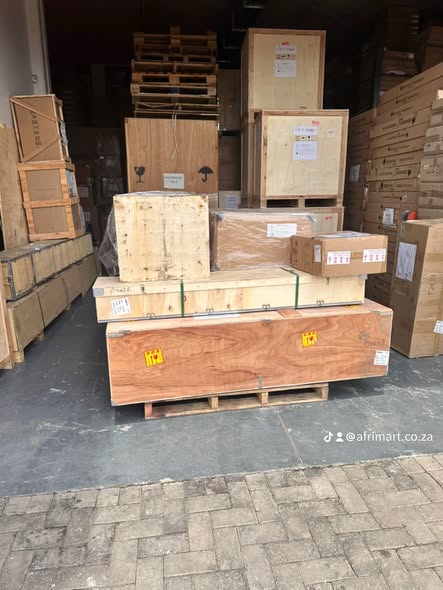
Ready for collection
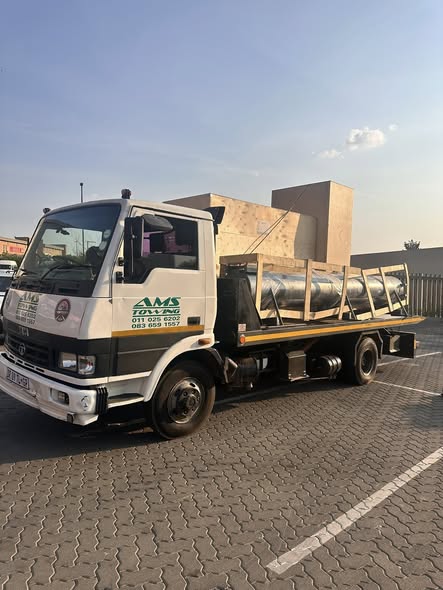
Water Pump Equipment
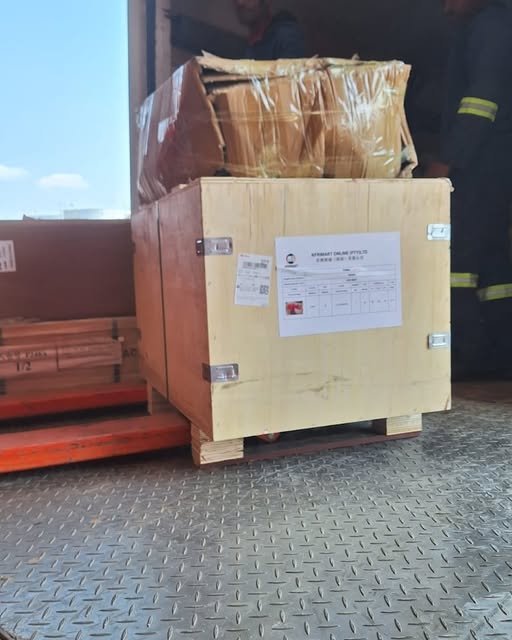
Packaging Machine and accessories
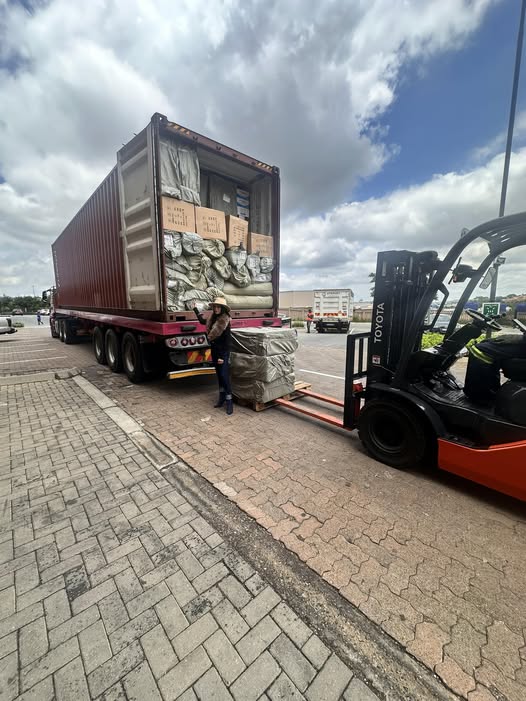
Fabrics Manufacturing Equipment
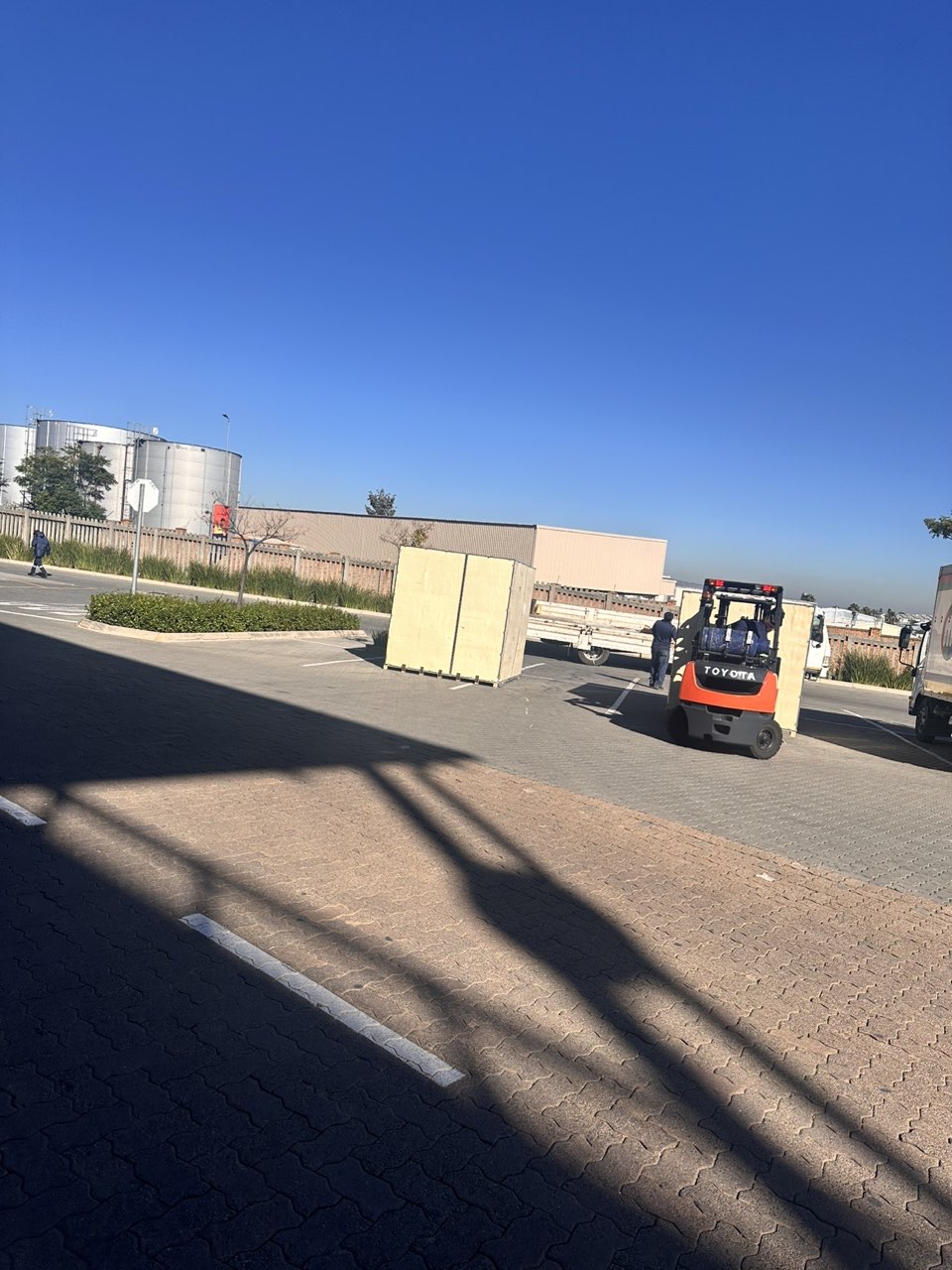
Mining Equipments
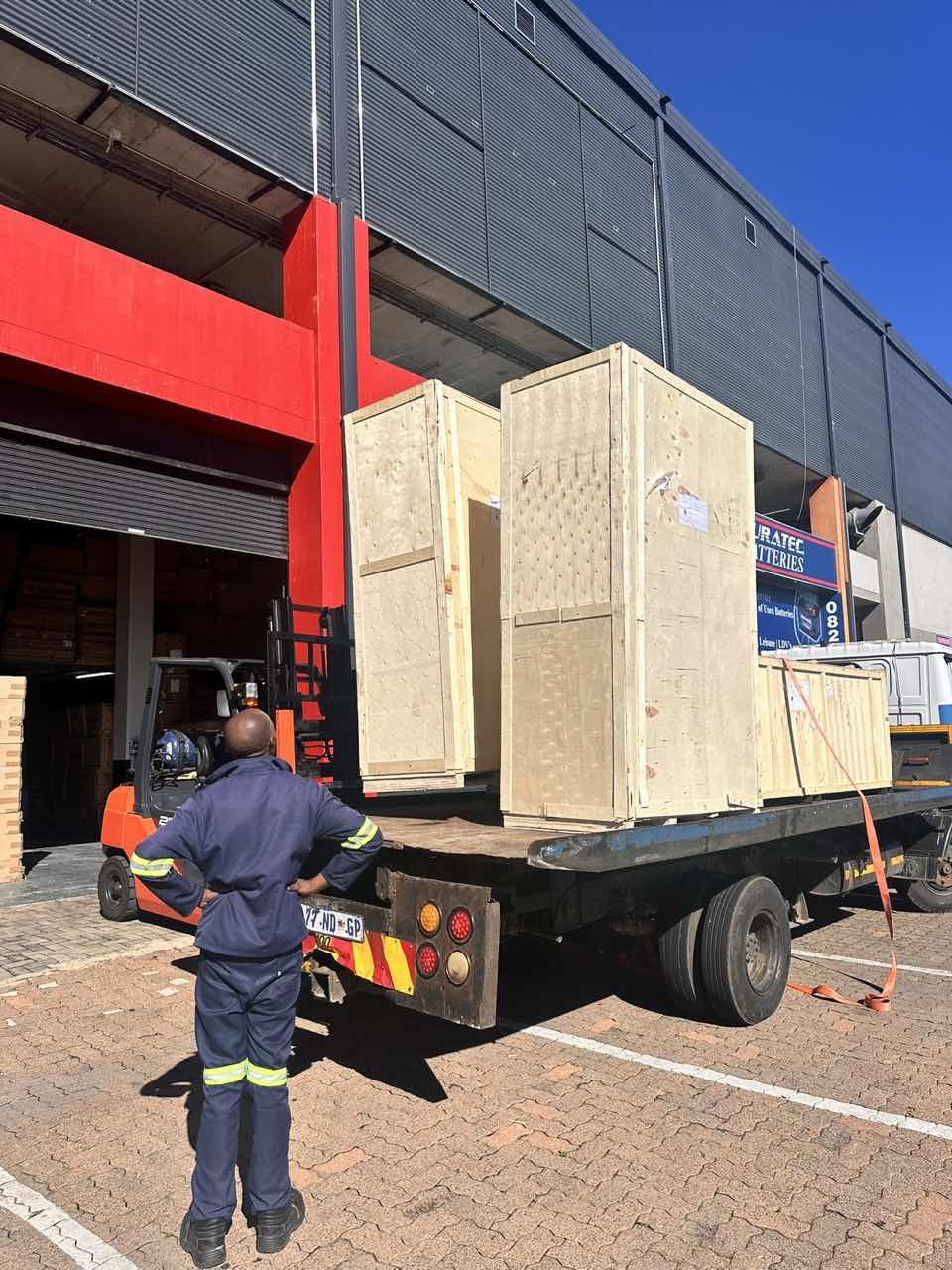
Food Processing Machine
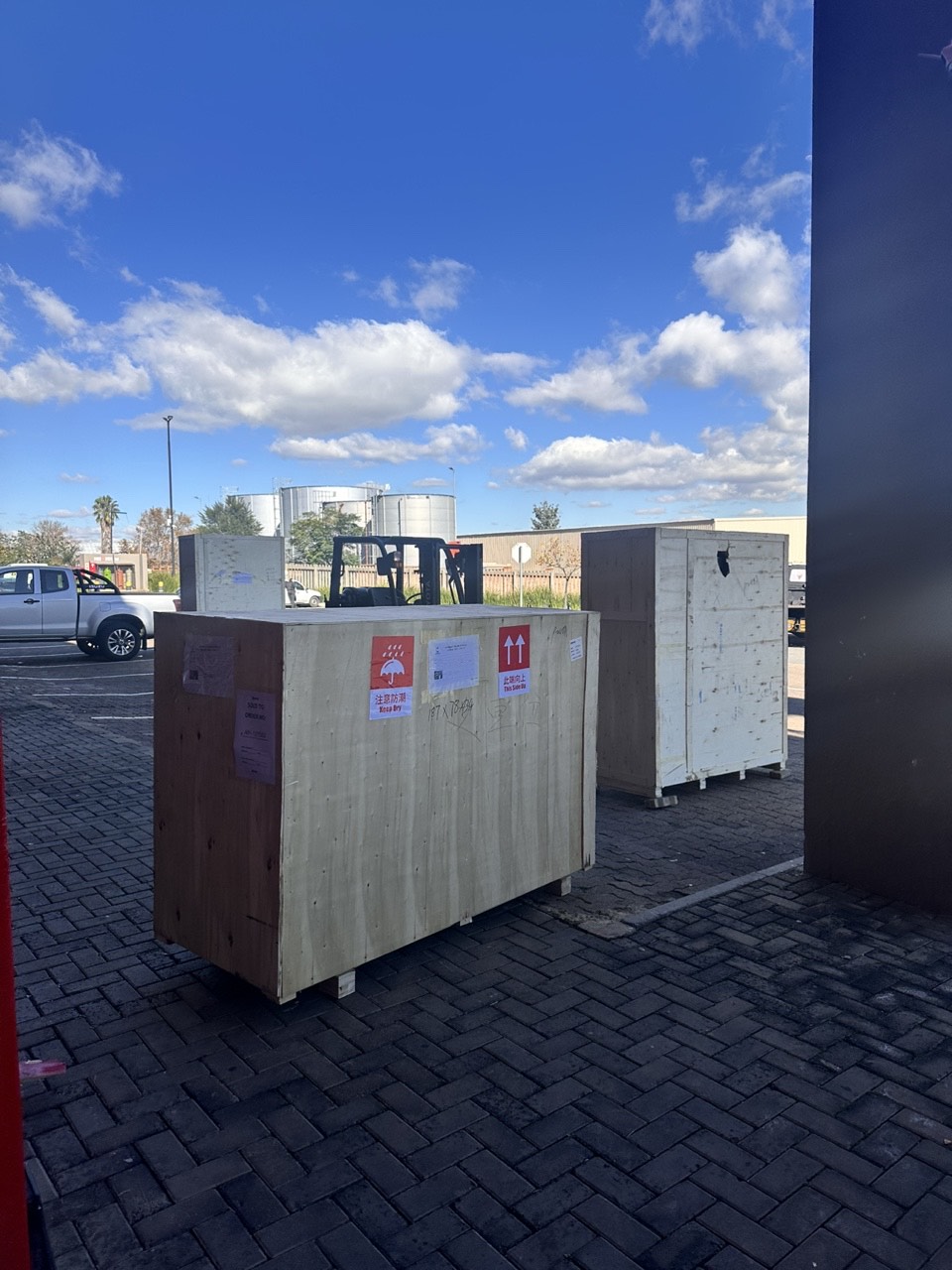
Batch of Orders
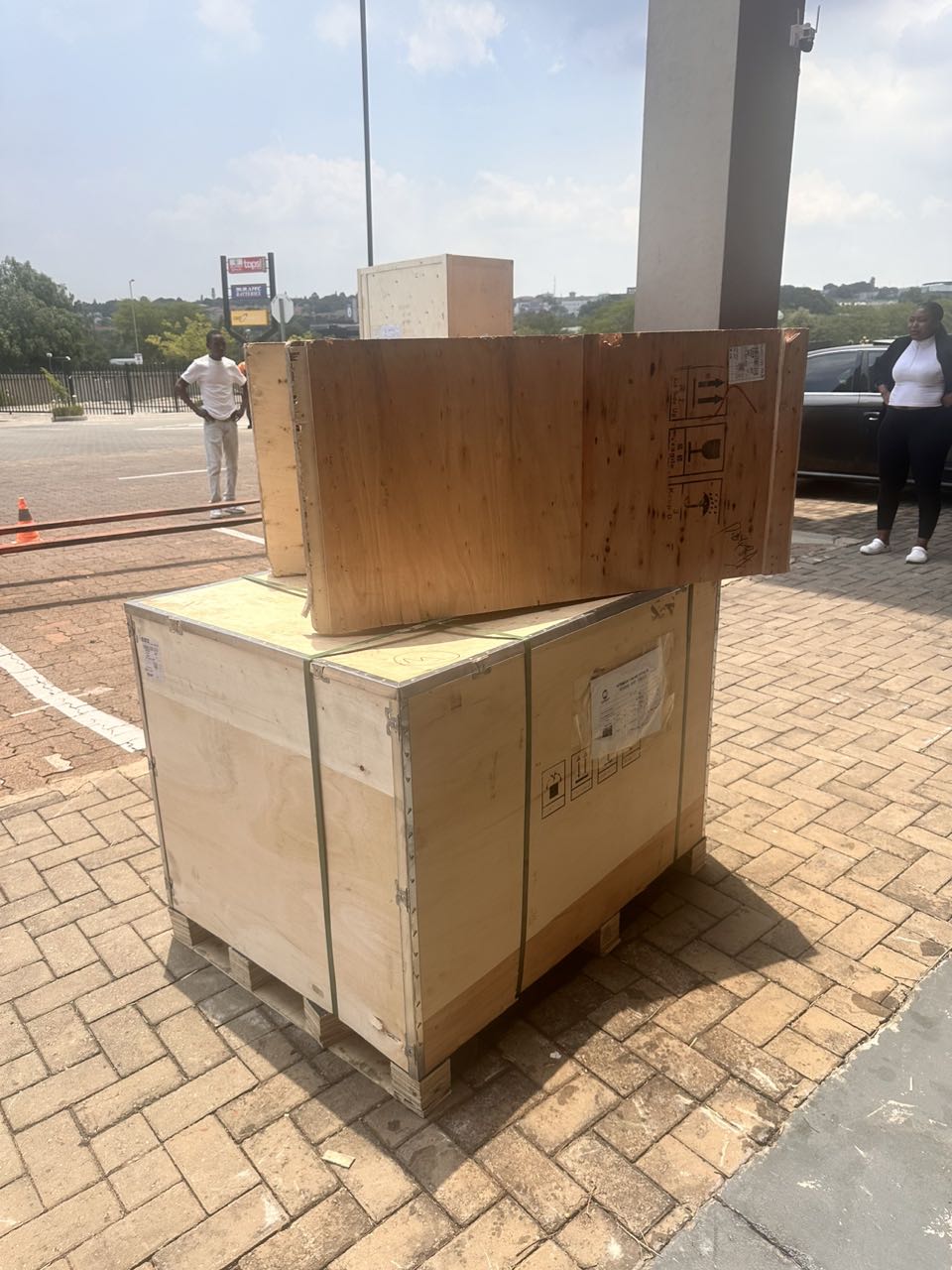
Batch of Orders
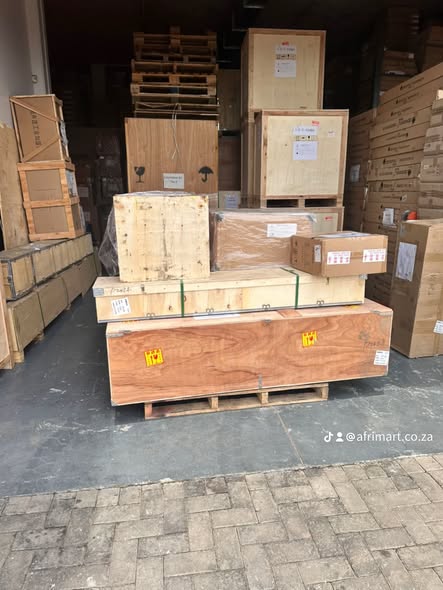
Latest Orders Labelled
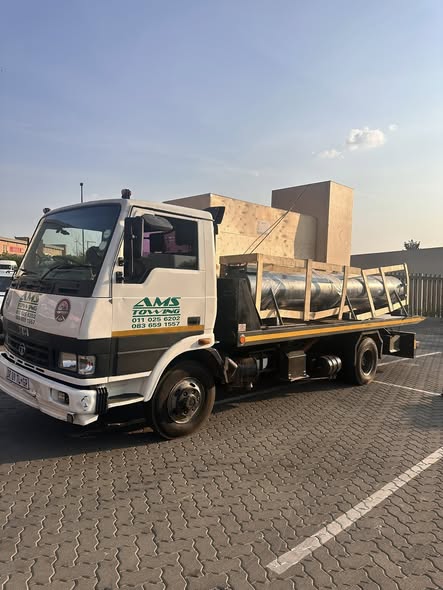
wheel alignment machines
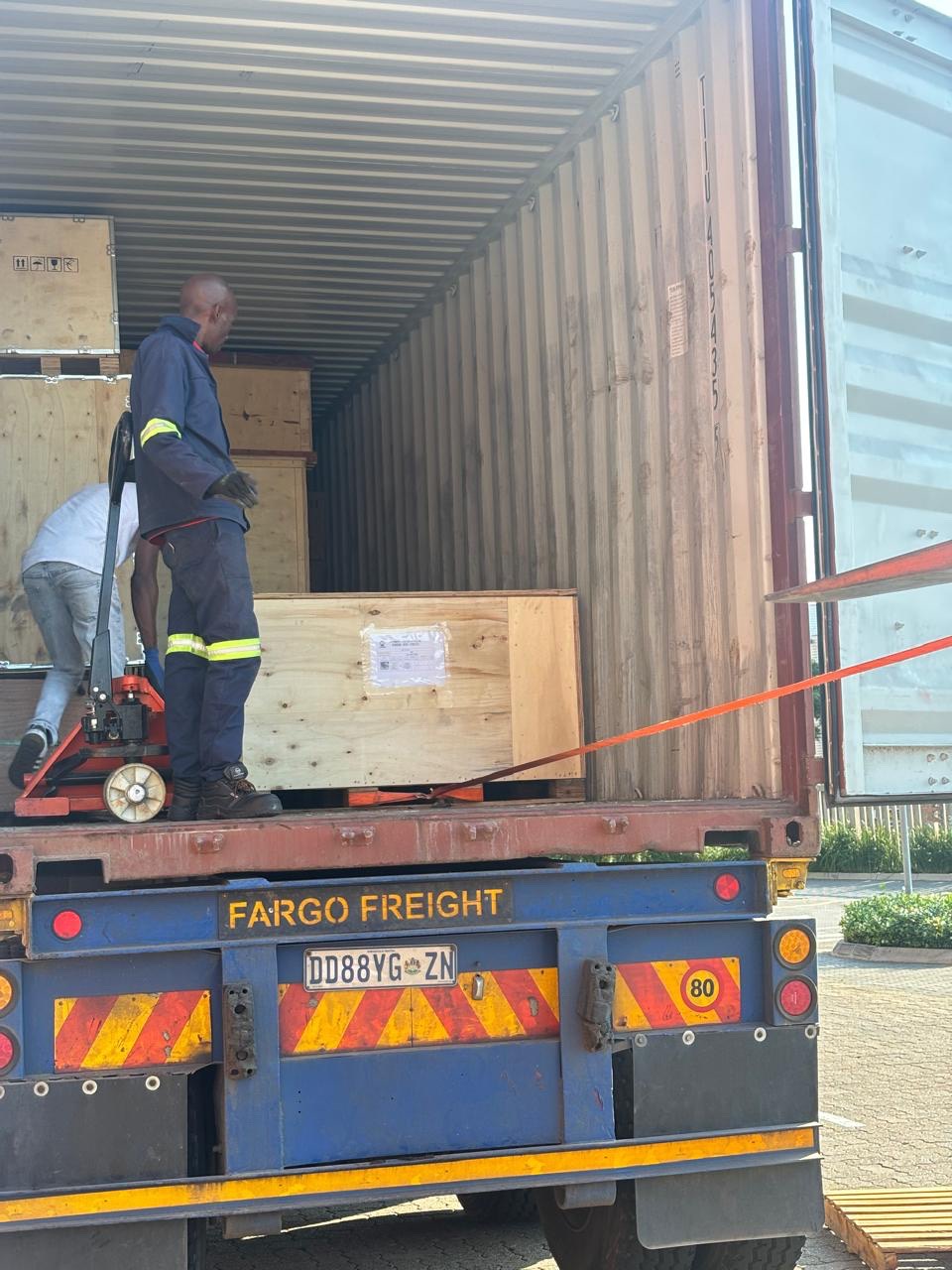
new arrivals
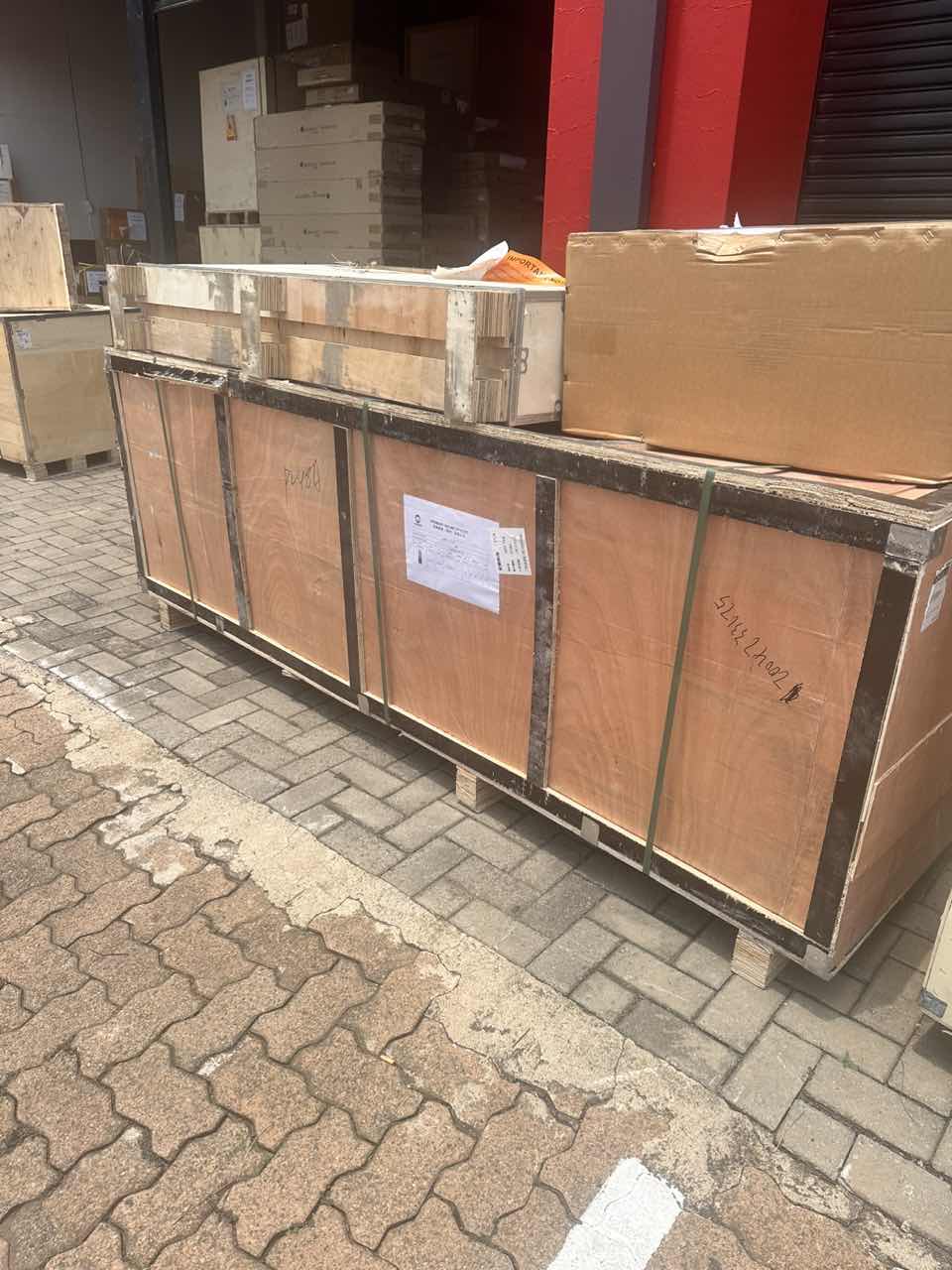
Pre Orders Offloading
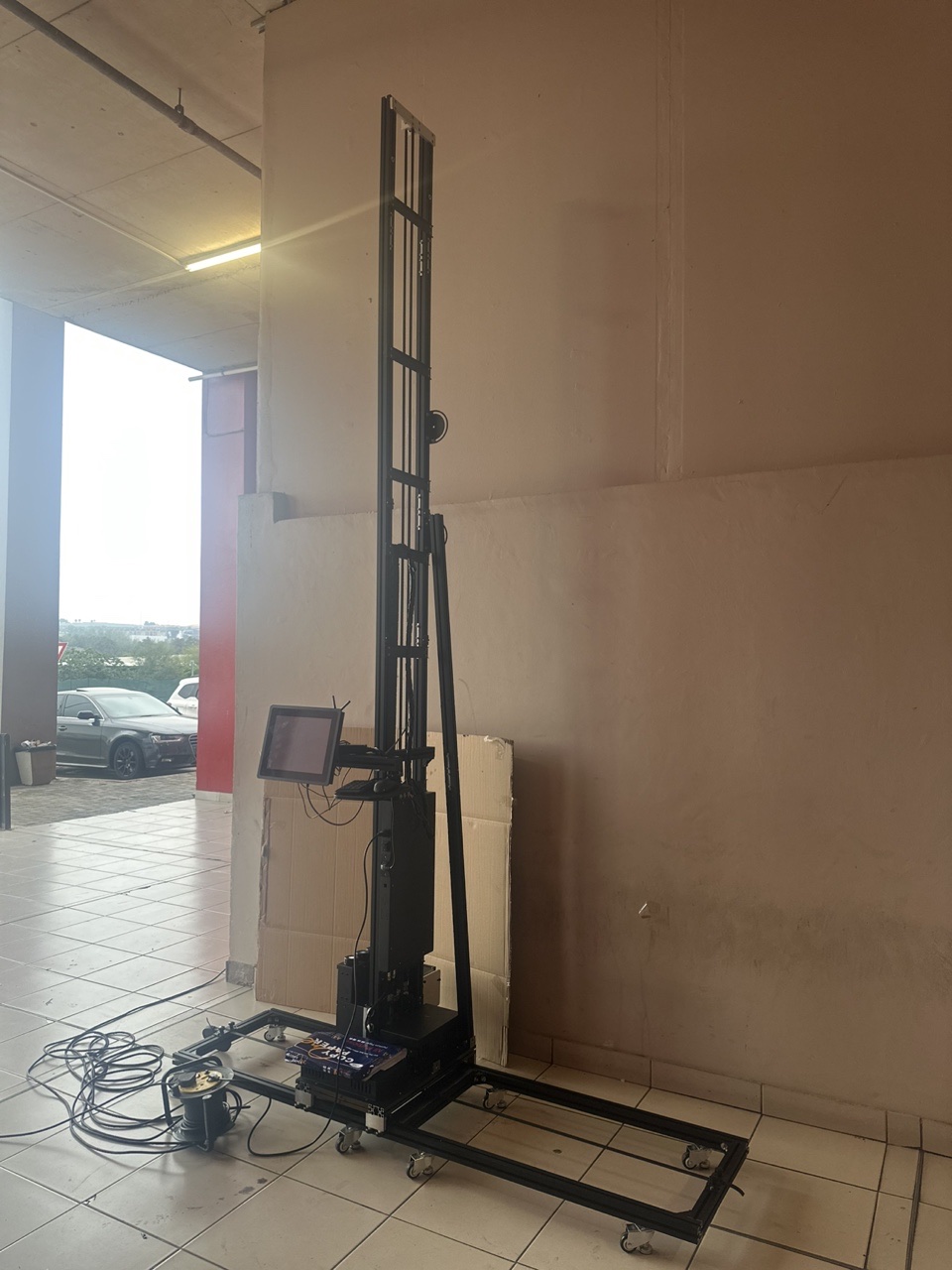
Latest Arrivals
Latest Arrivals
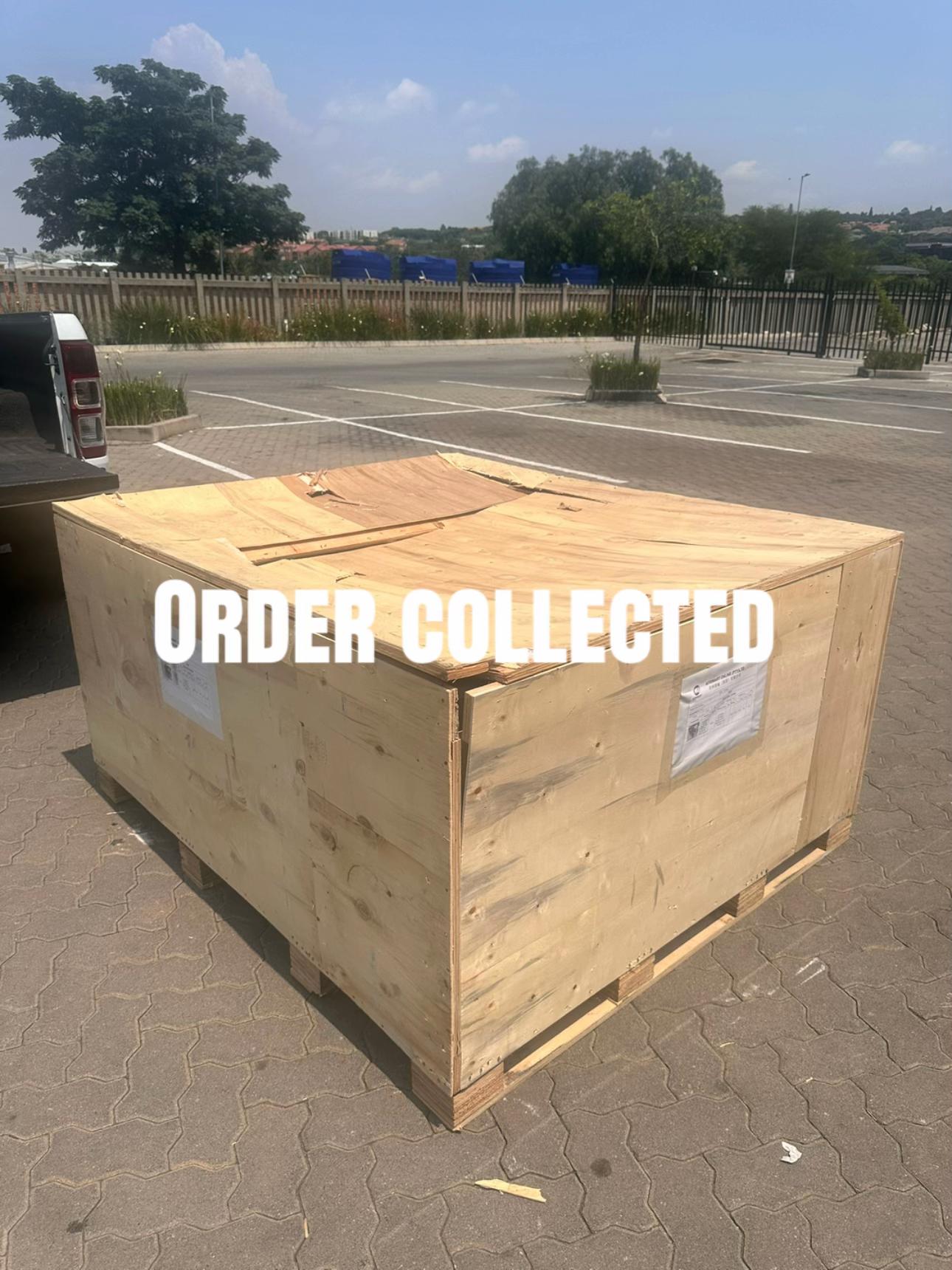
Latest Arrivals
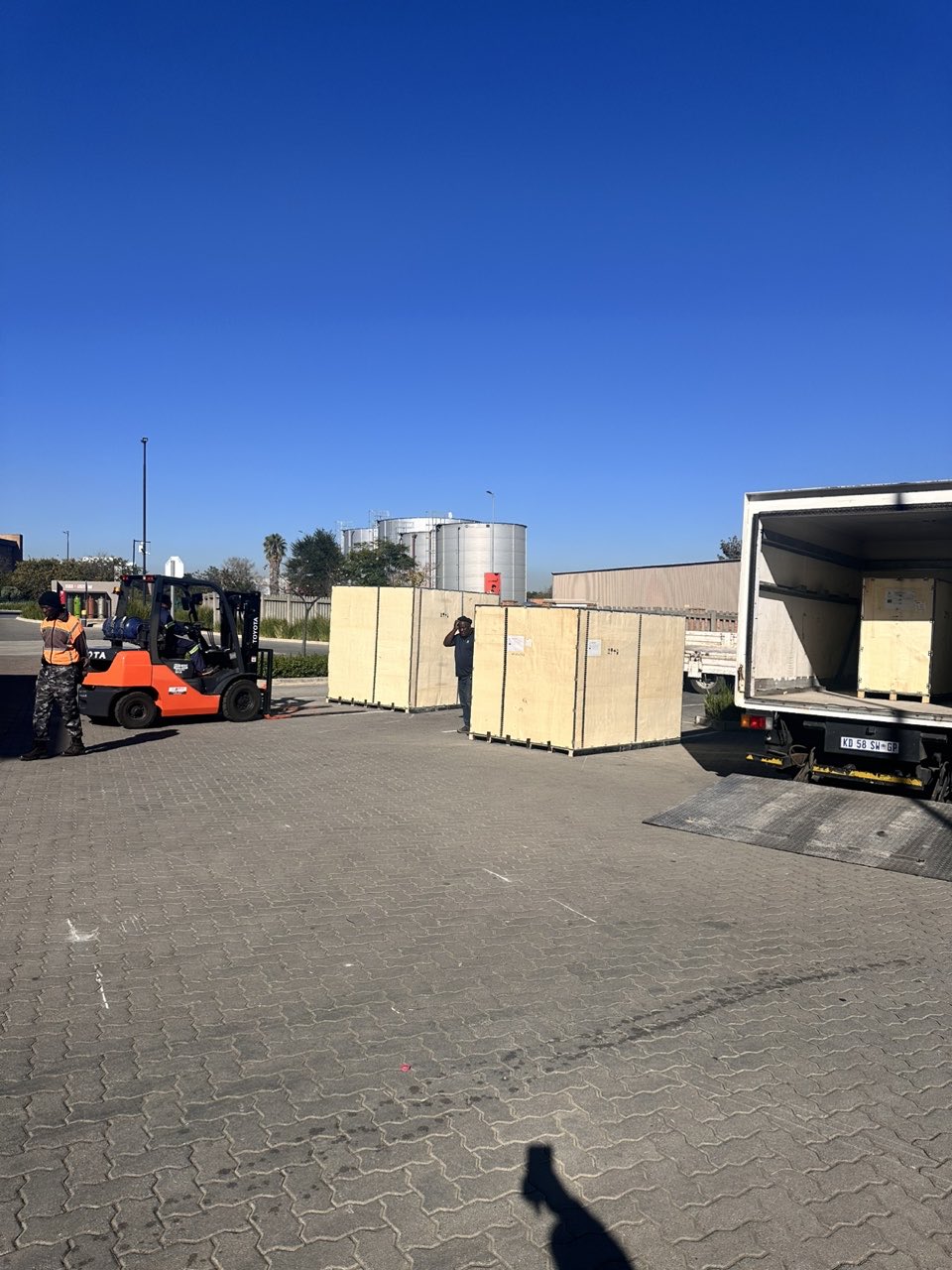
Loading
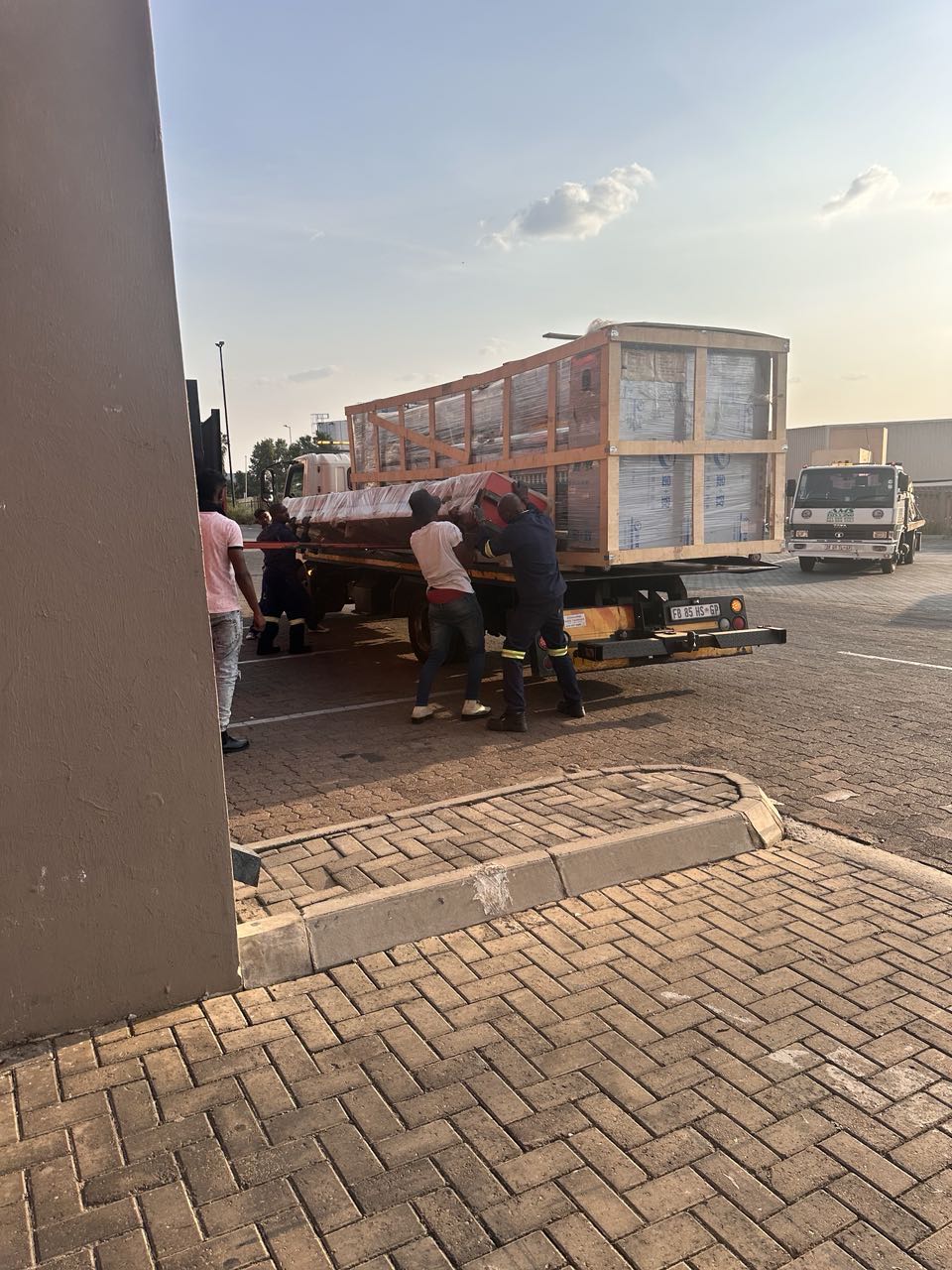
Toilet paper making machine
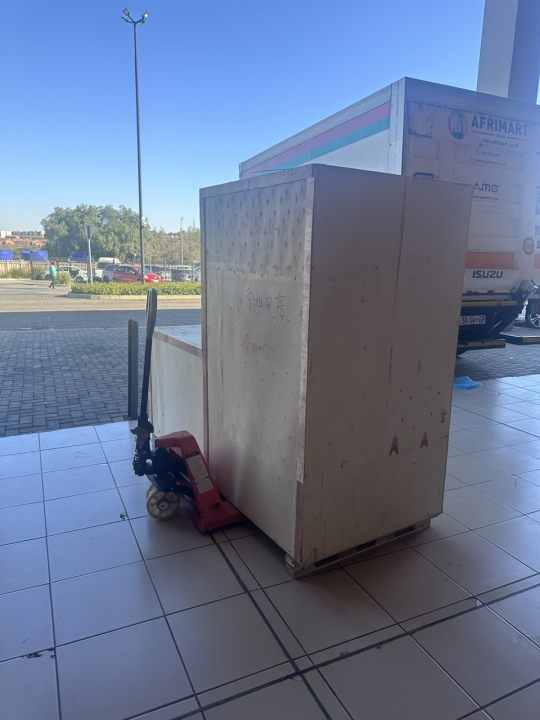
Toilet paper making machine
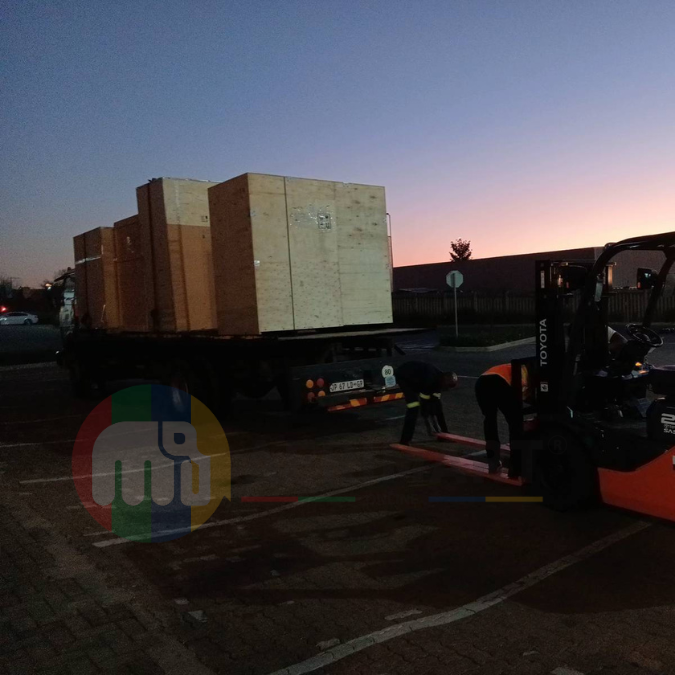
Toilet paper Rewinding Machine
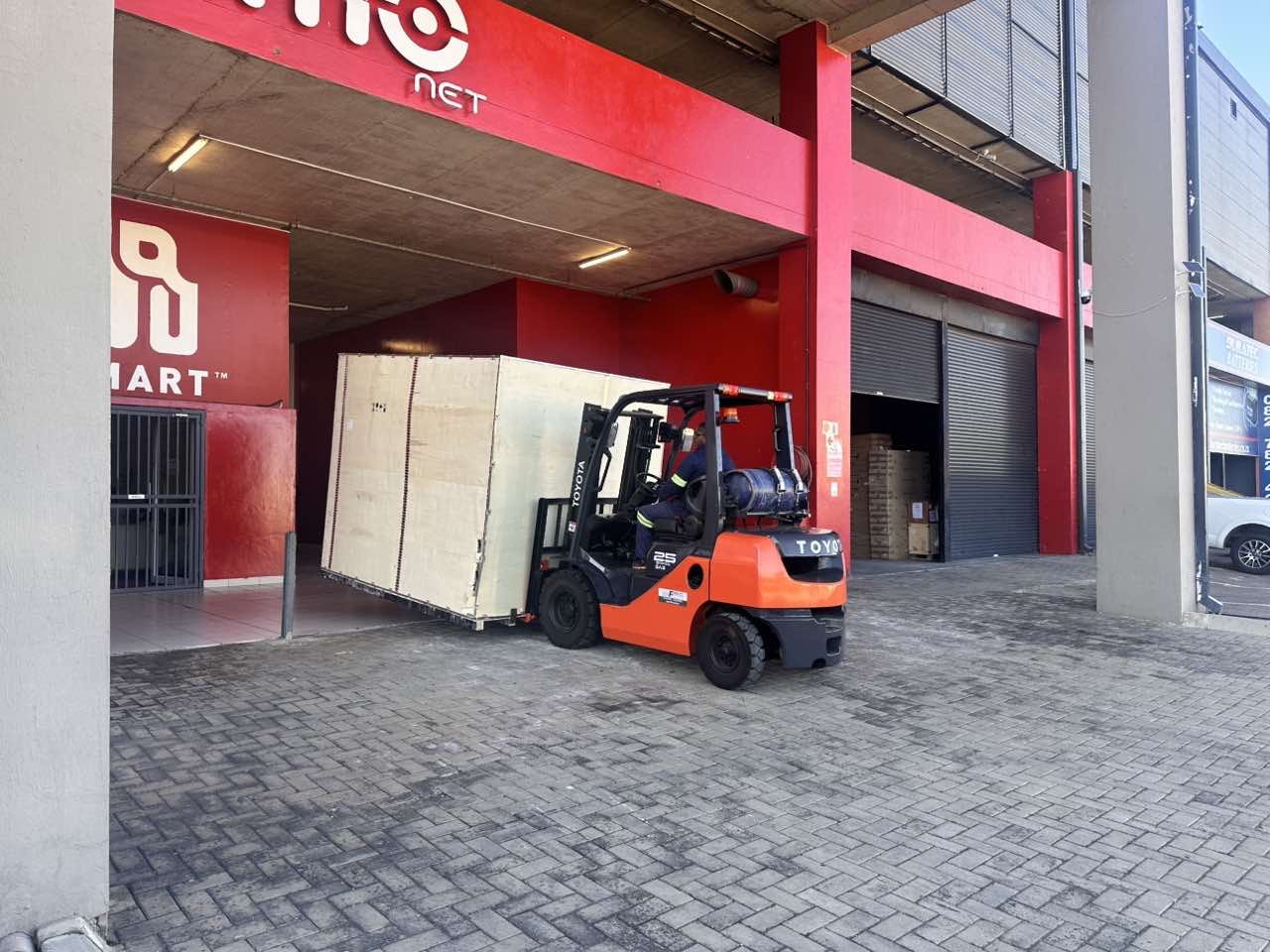
latest arrivals
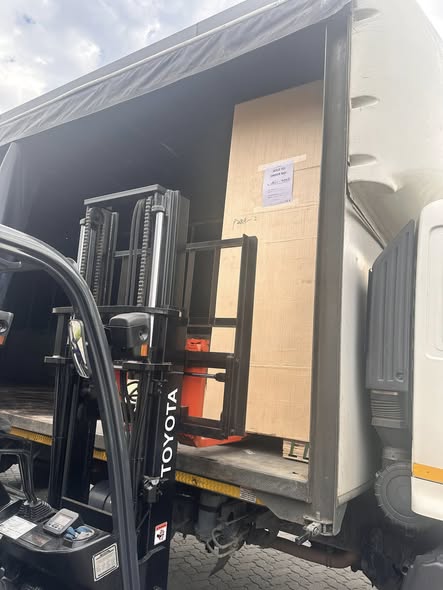
offloading
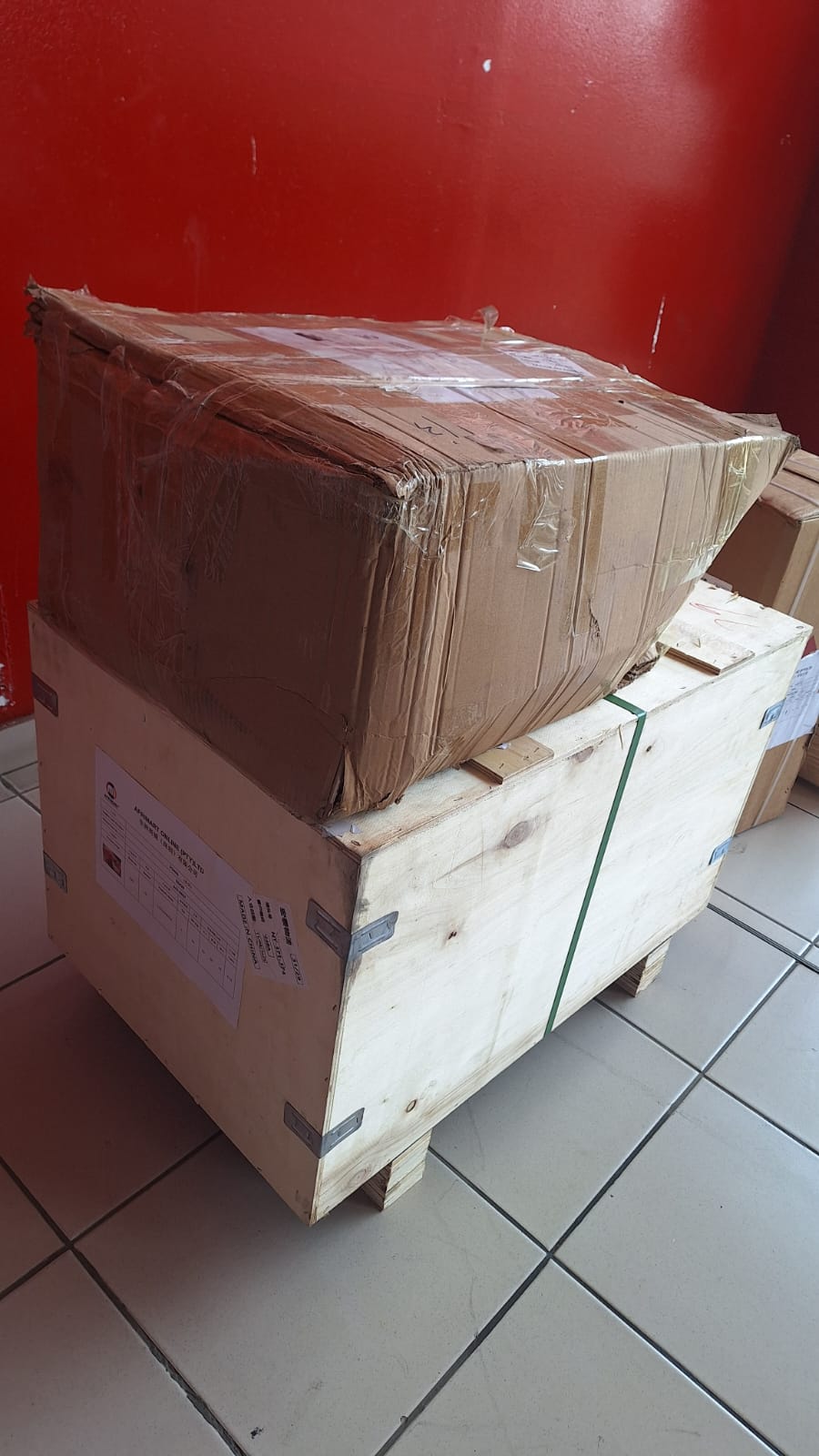
order success
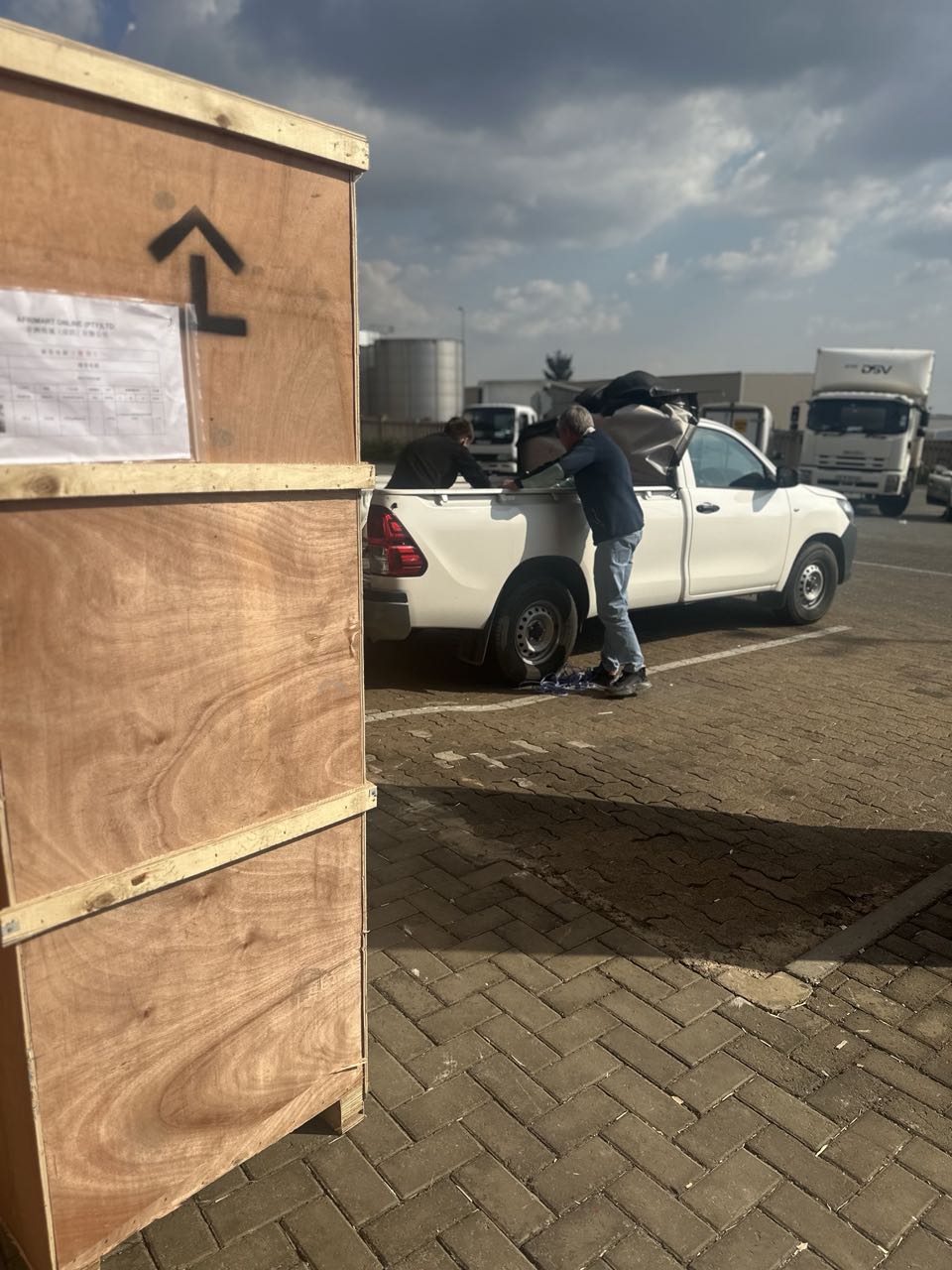
order collection
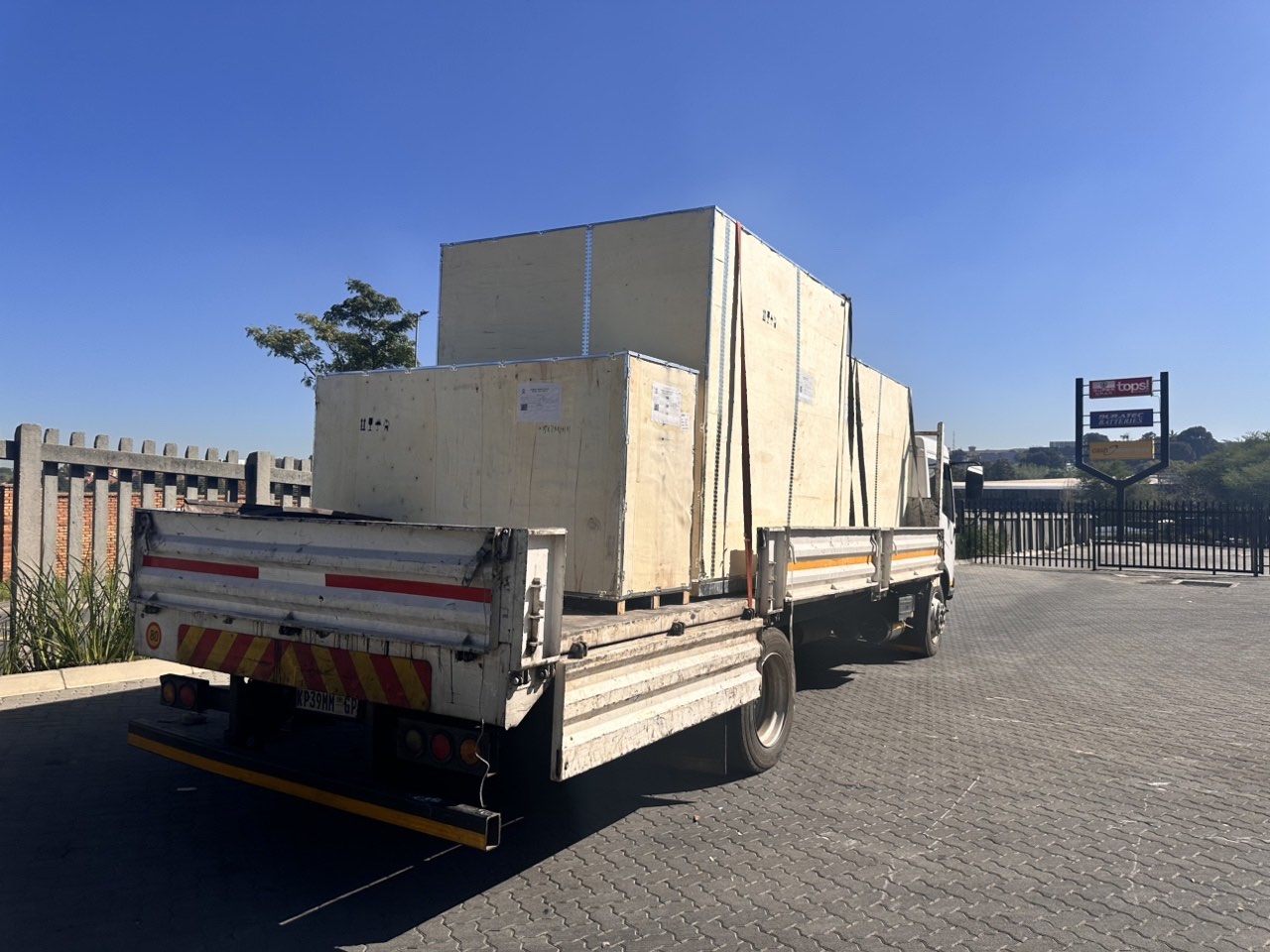
order offloading