B21, China Town Mall, Midrand


308nm UVB LED Light Therapy Device (SQ1DJ1) For Skin Treatment

- Section : Medical Supplies
- Category : Professional Medical Devices
- SKU : 1600737487529

308nm UVB LED Light Therapy Device (SQ1DJ1) for Skin Treatment
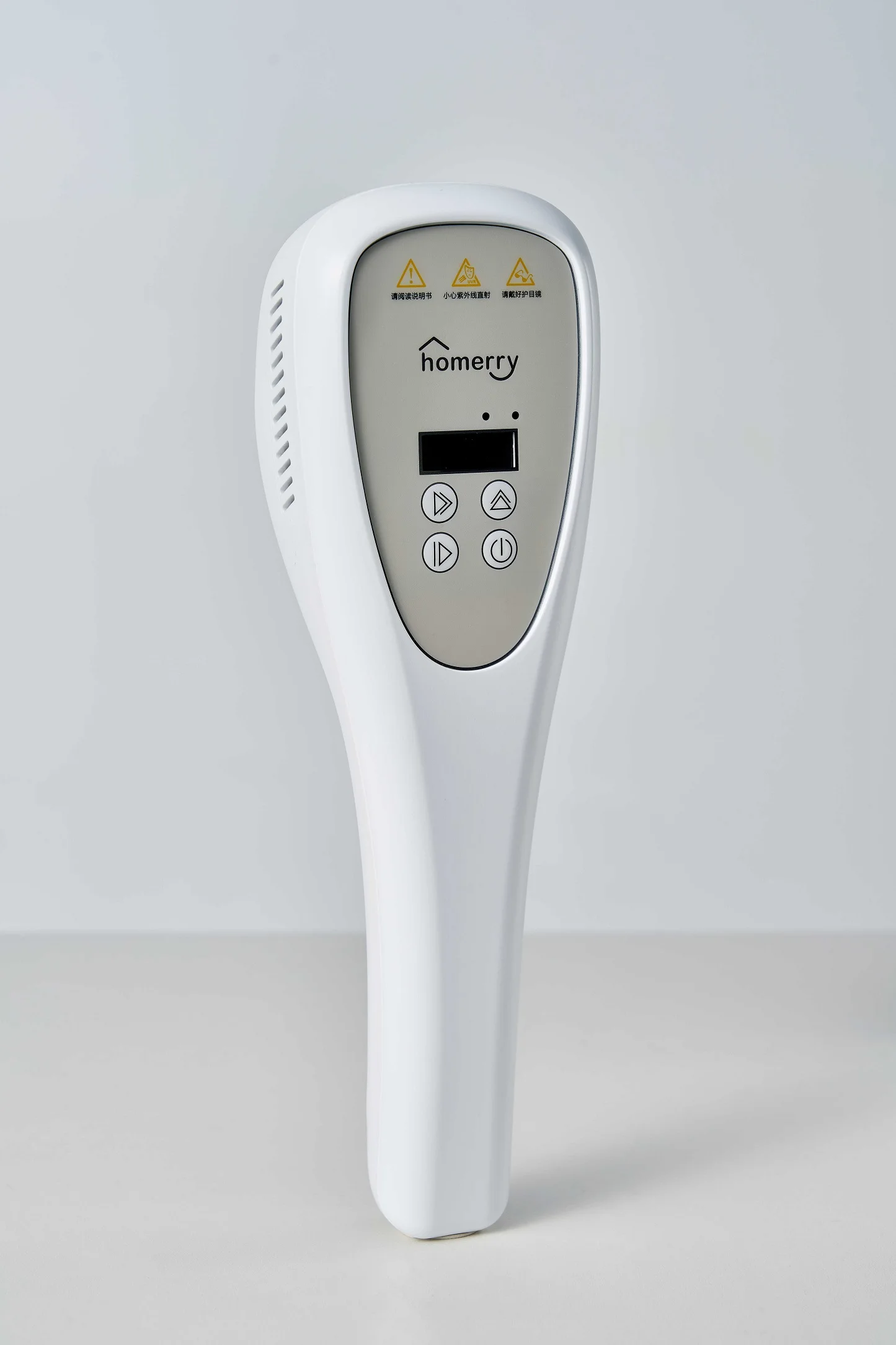
The 308nm UVB LED Light Therapy Device (SQ1DJ1) is a cutting-edge medical device designed for dermatological treatments. Utilizing UVB light at a precise wavelength of 308nm, this device provides effective therapy for various skin conditions, including psoriasis, eczema, and vitiligo. With its advanced features and compact design, it's an essential tool for professional dermatologists and healthcare providers.
Key Features
- Effective UVB Therapy: Uses a 308nm UVB wavelength, scientifically proven to aid in the treatment of various skin conditions, including psoriasis and eczema.
- LED Light Source: Features an LED light source, providing efficient and focused radiation for optimal treatment results.
- Radiation Intensity: Delivers a radiation intensity of 16mW/cm² for precise and effective therapy.
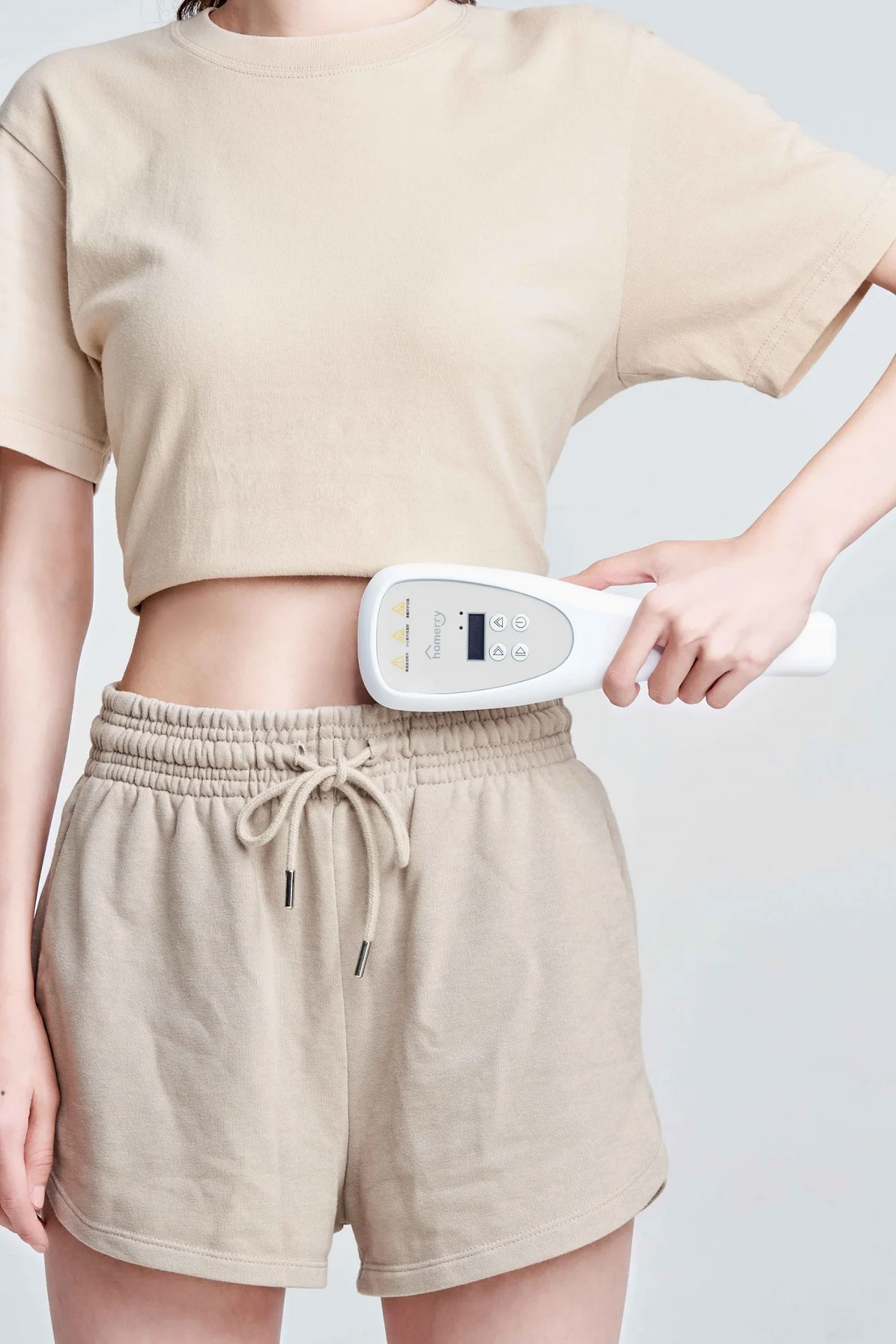
- Treatment Area: Designed with a treatment area of 9cm², providing localized therapy for targeted skin treatment.
- Battery-Powered Convenience: Operates with a built-in battery, making it portable and convenient for mobile use.
- Wide Voltage Range: AC 100V~240V/50-60Hz voltage compatibility ensures reliable performance worldwide.
- Long LED Lifespan: The LED light source lasts for up to 3000 hours, ensuring long-term reliability.
- Adjustable Dose Range: Offers a dose range of 0-5000mJ, allowing for customizable treatment based on patient needs.
- Safety Accessories: Includes UV goggles and covering pads to protect the eyes and surrounding skin during treatment.
The 308nm UVB LED Light Therapy Device (SQ1DJ1) is a highly effective solution for treating various skin disorders, offering safe, reliable, and convenient light therapy for improved skin health.
Product Info Gallery

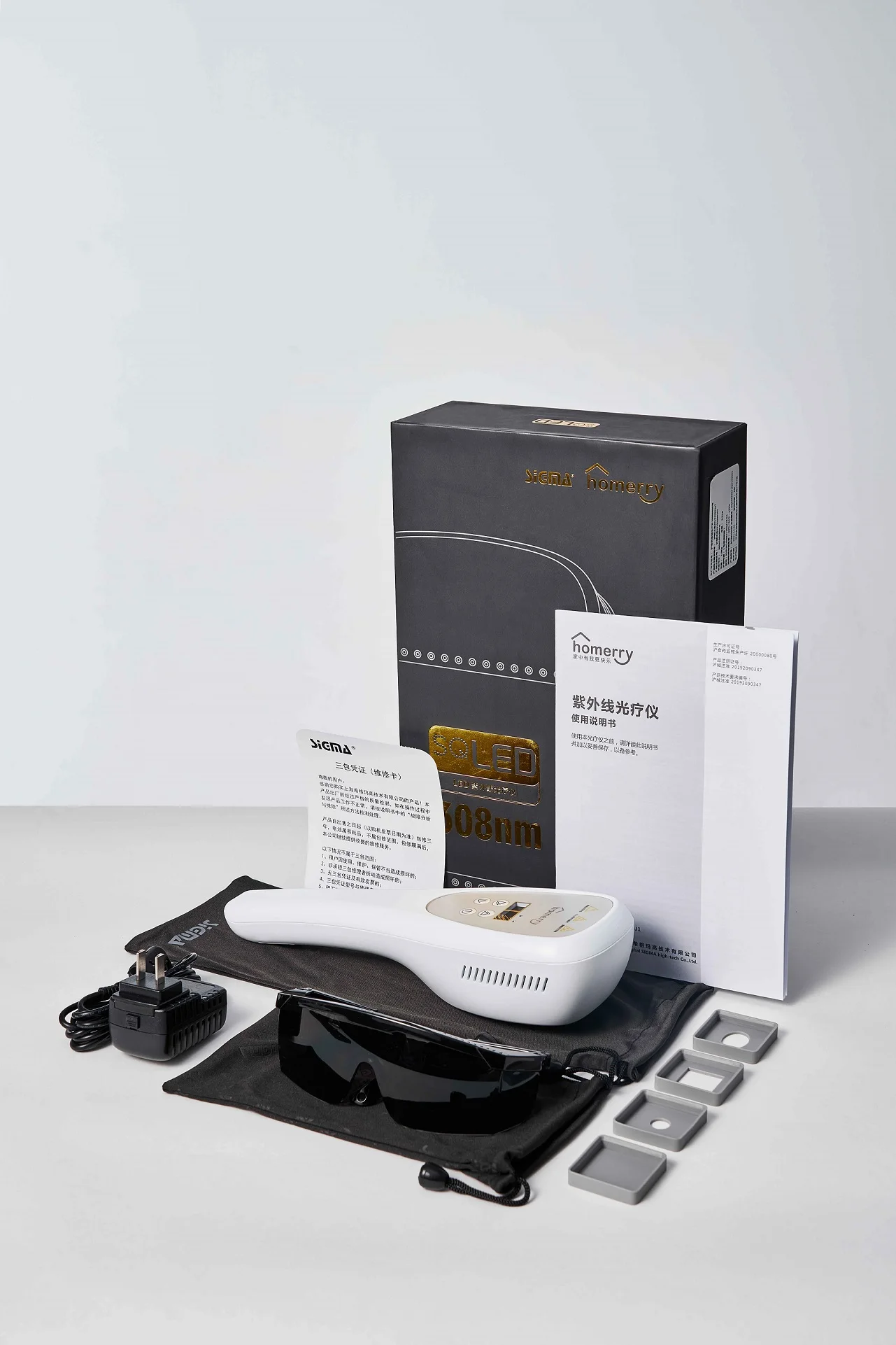
Application
UV light therapy(the treatment of photoresponsive skin disorders) has been shown to be notably safe and effective. Most commonly used in the treatment of vitiligo and psoriasis, phototherapy is the first line of treatment for many patients because of its efficacy, safety and cost. It offers a safe and effective solution for patients, even children and pregnant women.
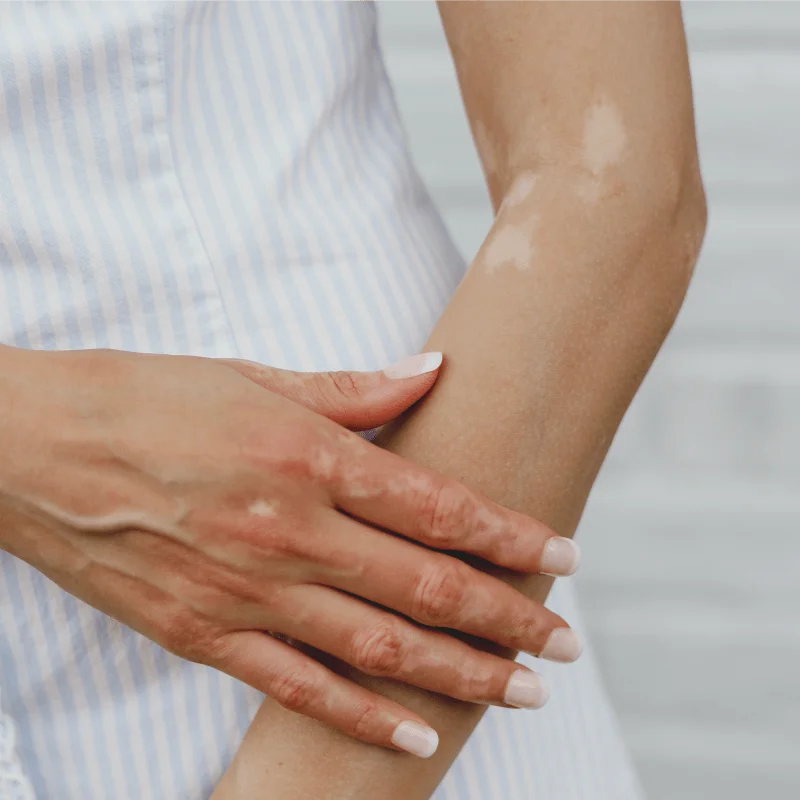
Vitiligo
Loss of melanin
The sooner patients receive treatment, the better.
Treatment difficulty:
Scalp/Face/Neck< Trunk(Main body)< Limbs(arm/leg)< Hands/Feet/Joints
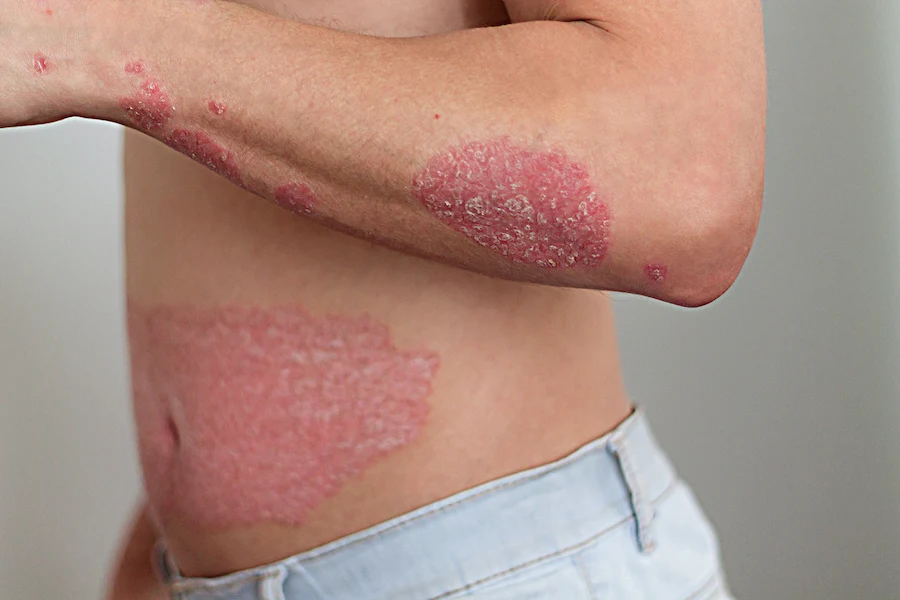
Psoriasis
Redness, itch, scales
The sooner patients receive treatment, the better.
Treatment difficulty:
Scalp/Face/Neck< Trunk(Main body)< Limbs(arm/leg)< Hands/Feet/Joints
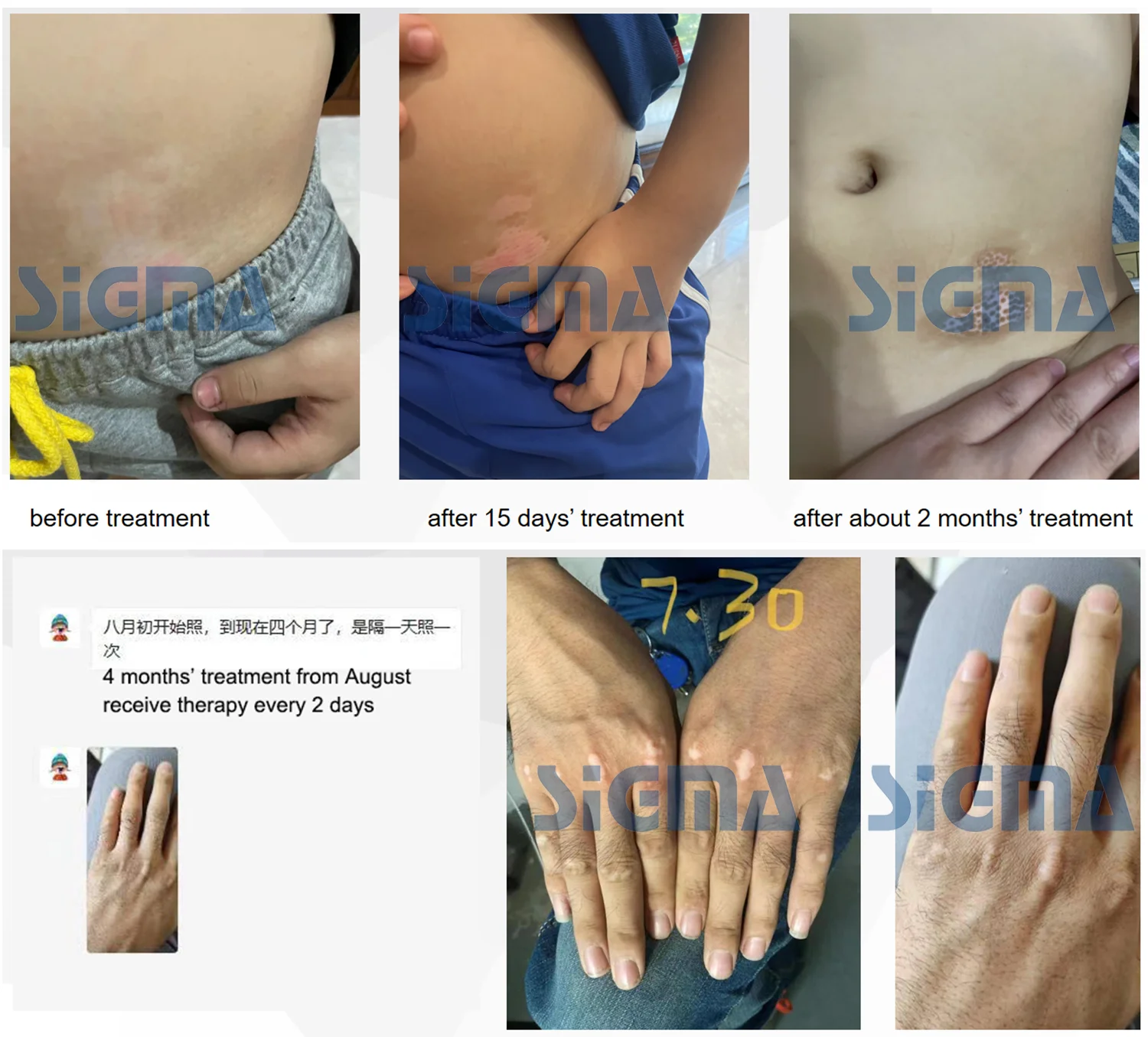
Treatment Effect
Treatment frequency: every second day. Please do insist on the treatment!
Vitiligo treatment: use warm water to clean the skin to remove the oil and makeup.
Psoriasis treatment: use lightly-salted warm water to remove the scales before therapy.
- Shipping Timeframes: All orders are processed within 2-5 business days (excluding weekends and holidays). After your order has been processed, the estimated delivery time is before 24 Jun, 2026, depending on customs, Please note that due to high demand, some items may experience longer shipping times, which will be communicated at order confirmation email.
- Order Processing Time: Please allow 2-5 business days for us to process your order before it is shipped . Orders placed after 16:00 on Fridays, or during weekends and public holidays, will begin processing on the next business day. Processing times may be extended during peak seasons or sales events.
- Manufacturing Time: Some products needs manufacturing time, the manufacturing process will take approximately 10-30 business days depending on the product. This timeframe may vary depending on the complexity of the product and current demand. but this will be communicated with you during order confirmation.
- Returns and Exchanges: We offer a 30-day return policy for most items. If you are not completely satisfied with your purchase, you may return it within 30 days of receipt for a refund or exchange. Items must be unused, in their original packaging, and accompanied by proof of purchase. Return shipping costs are the responsibility of the customer, unless the item was damaged or defective upon arrival.
1. What is the 308nm UVB wavelength and why is it important?
308nm is a specific narrow-band UVB wavelength shown to be effective for treating photoresponsive skin disorders. It provides targeted UVB energy that can reduce inflammation and stimulate repigmentation or clearing in conditions such as vitiligo and psoriasis while minimizing off-target wavelengths.
2. Which skin conditions can the SQ1DJ1 308nm UVB LED device treat?
The device is intended for phototherapy of photoresponsive skin disorders, most commonly vitiligo, psoriasis and eczema. It is designed for localized, targeted treatment of affected skin areas under professional guidance.
3. Who should operate this device?
The device is designed for use by professional dermatologists and healthcare providers. If used by patients, it should be done only under the direct instruction and supervision of a qualified clinician.
4. What is the treatment area and how localized is the therapy?
The treatment head covers an area of approximately 9 cm², providing focused, localized therapy suitable for small patches such as lesions on the face, hands, or other targeted sites.
5. How do I set the dose and determine treatment time?
The device allows adjustable doses from 0 to 5000 mJ. Treatment time can be calculated with the formula: time (seconds) = dose (mJ/cm²) ÷ intensity (mW/cm²). With an intensity of 16 mW/cm², a 1000 mJ dose would require about 62.5 seconds (1000 ÷ 16 = 62.5). Always follow the dosing protocol prescribed by the treating clinician.
6. How often should treatments be performed?
Typical recommendation is every second day (every other day). Clinical protocols vary by condition and patient response; patients should follow the treatment schedule prescribed by their dermatologist and maintain consistency for best results.
7. What safety accessories are included and what protective measures are required?
The product includes UV protective goggles and covering pads. Always wear the provided goggles to protect eyes and use covering pads to shield surrounding skin. Avoid direct eye exposure and cover non-treated skin as directed.
8. What are common side effects and safety considerations?
Common short-term effects can include redness (erythema), mild burning, itching or temporary hyperpigmentation. Overexposure can cause blistering. Long-term UV exposure carries risks such as photoaging and a potential increased risk of skin cancer; therefore treatments should be prescribed and supervised by a healthcare professional.
9. Who should not use this device or should take special precautions?
Patients with known photosensitivity disorders, those taking photosensitizing medications, active skin infections or suspicious lesions, or a history of photosensitive malignancy should avoid use unless cleared by a physician. Although phototherapy is used in children and during pregnancy in some cases, use should be determined by a clinician on a case-by-case basis.
10. How should the skin be prepared before treatment?
Clean the treatment area before therapy. For vitiligo, use warm water to remove oil and makeup. For psoriasis, gently remove scales using lightly salted warm water. Do not apply topical products that increase photosensitivity unless instructed by the clinician.
11. Is the device portable and what are the power requirements?
The device has a built-in battery for portable use and supports AC input of 100–240V, 50–60Hz for worldwide compatibility. Refer to the user manual for battery runtime, charging procedures and charging times.
12. What is the LED lifetime and how should the device be maintained?
The LED light source is rated for up to 3000 hours. Maintain the device by keeping the treatment window and goggles clean with a soft cloth, storing it in a dry environment, and avoiding impact or immersion in liquids. Do not attempt to open or service the unit; contact authorized service for repairs.
13. What should I do if the device does not turn on or output seems weak?
First check that the device is charged or connected to power and that any power switches are on. Ensure the treatment window is clean and unobstructed. If the problem persists, contact the supplier or authorized service center for troubleshooting and repair. Do not attempt internal repairs.
14. Is a prescription or regulatory clearance required to purchase or use this device?
Regulatory requirements vary by country. The device is intended as a medical phototherapy instrument typically used in clinical settings, so check local regulations and supplier terms; many regions require a prescription or professional supervision for medical phototherapy devices.
15. Where can I find dosing protocols, warranty information and user instructions?
Detailed dosing protocols, charging instructions, safety guidance, and warranty/after-sales information are provided in the product user manual and by the distributor. For clinical protocols and individualized dosing, consult a qualified dermatologist or healthcare provider.
Latest Order Arrivals
Discover our latest orders

12 Heads Embroidery Machine
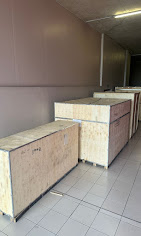
Toilet Paper Machine Machine
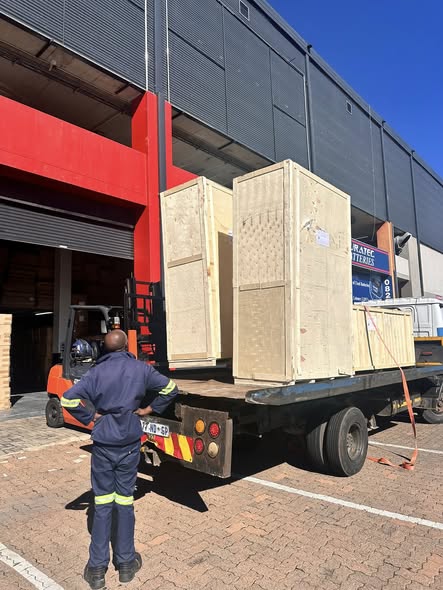
Order Collection

Cross Border Clients

Order cros border countries Collected
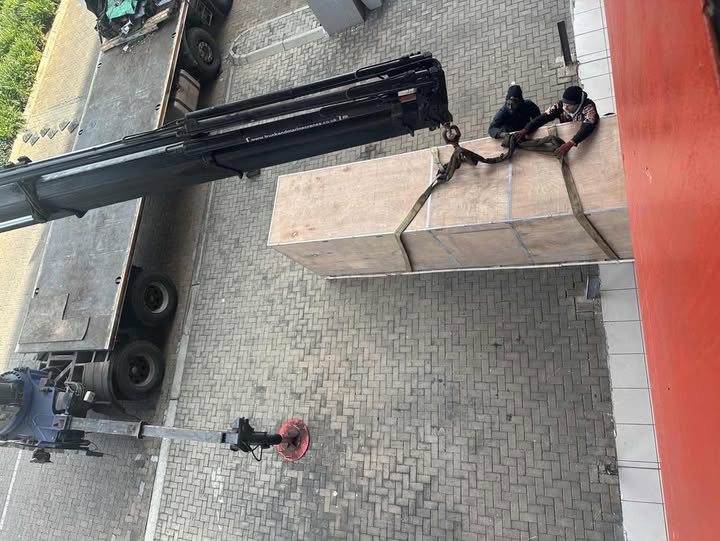
Industrial Machine Cllection
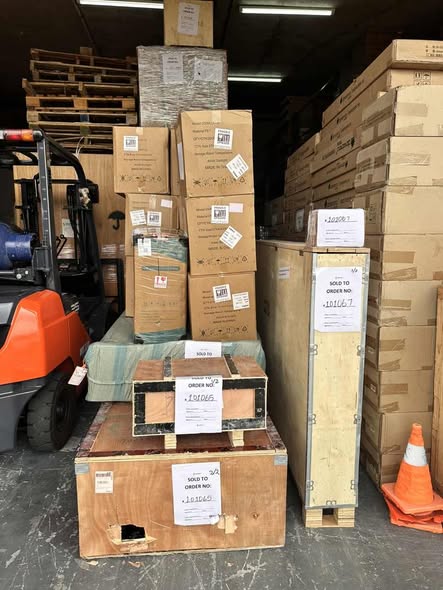
Agriculture Processing Machines
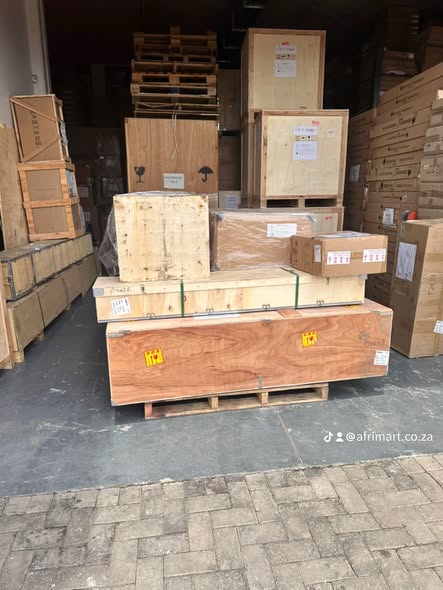
Ready for collection

Water Pump Equipment

Packaging Machine and accessories

Fabrics Manufacturing Equipment
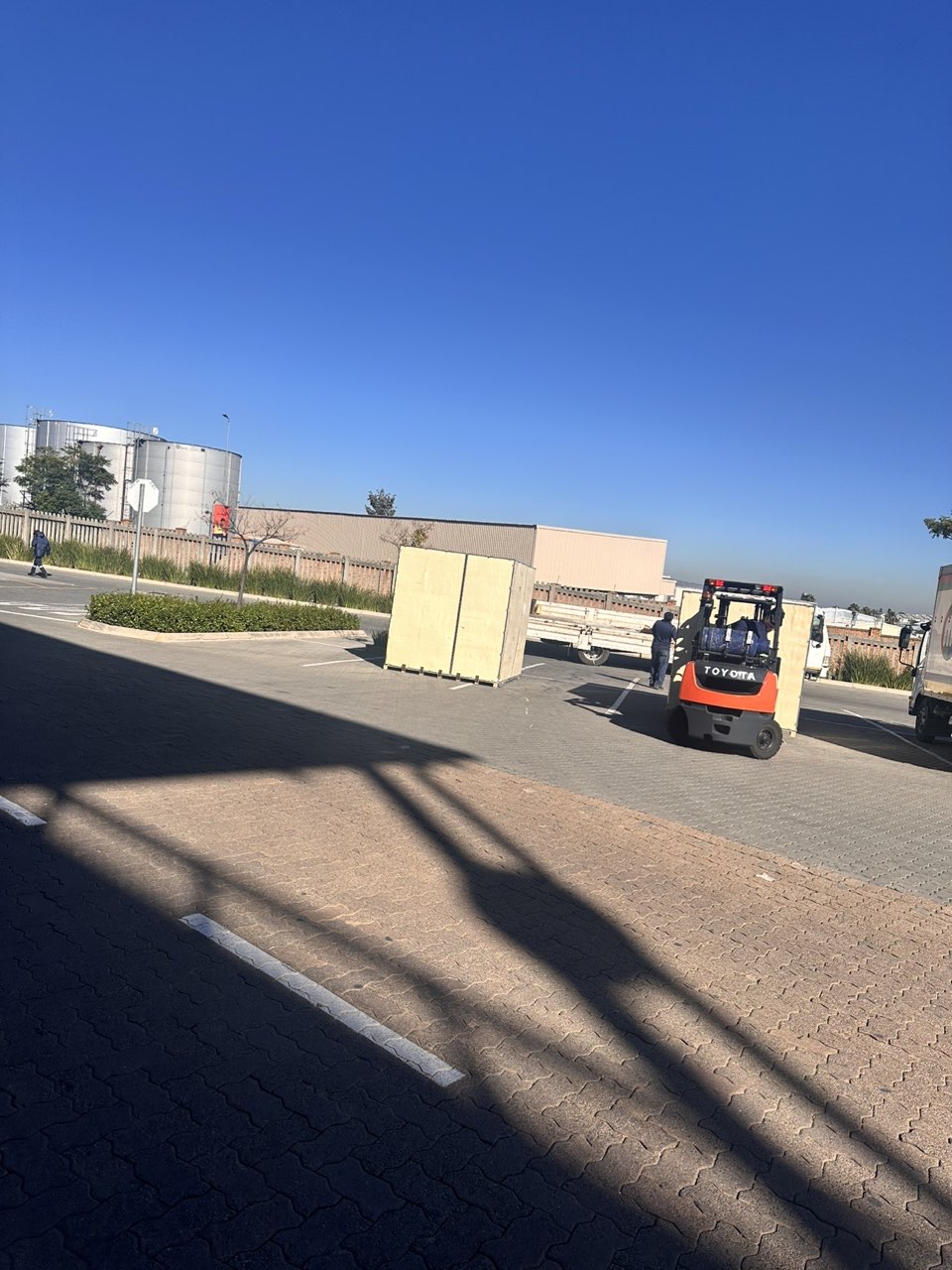
Mining Equipments
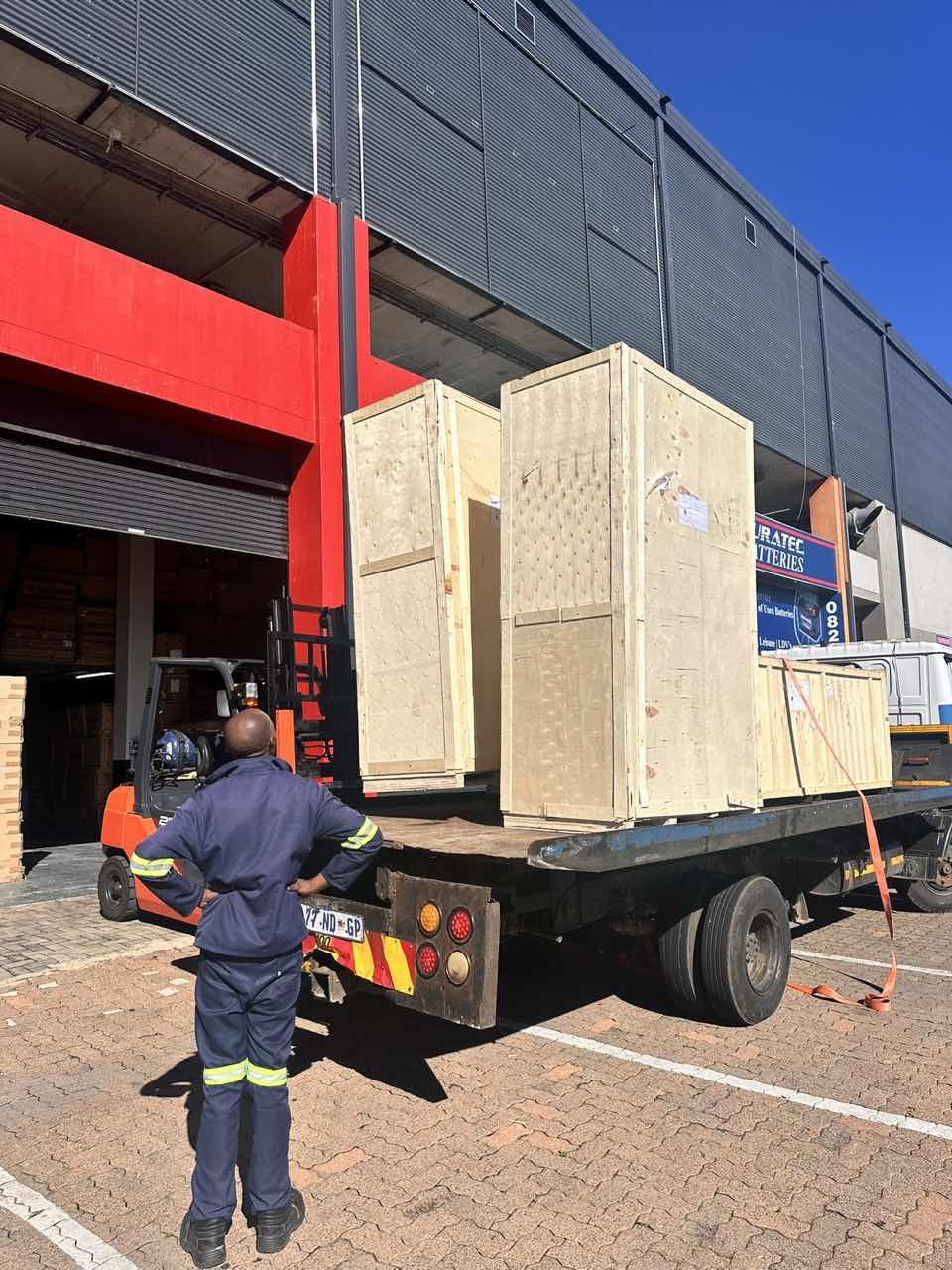
Food Processing Machine
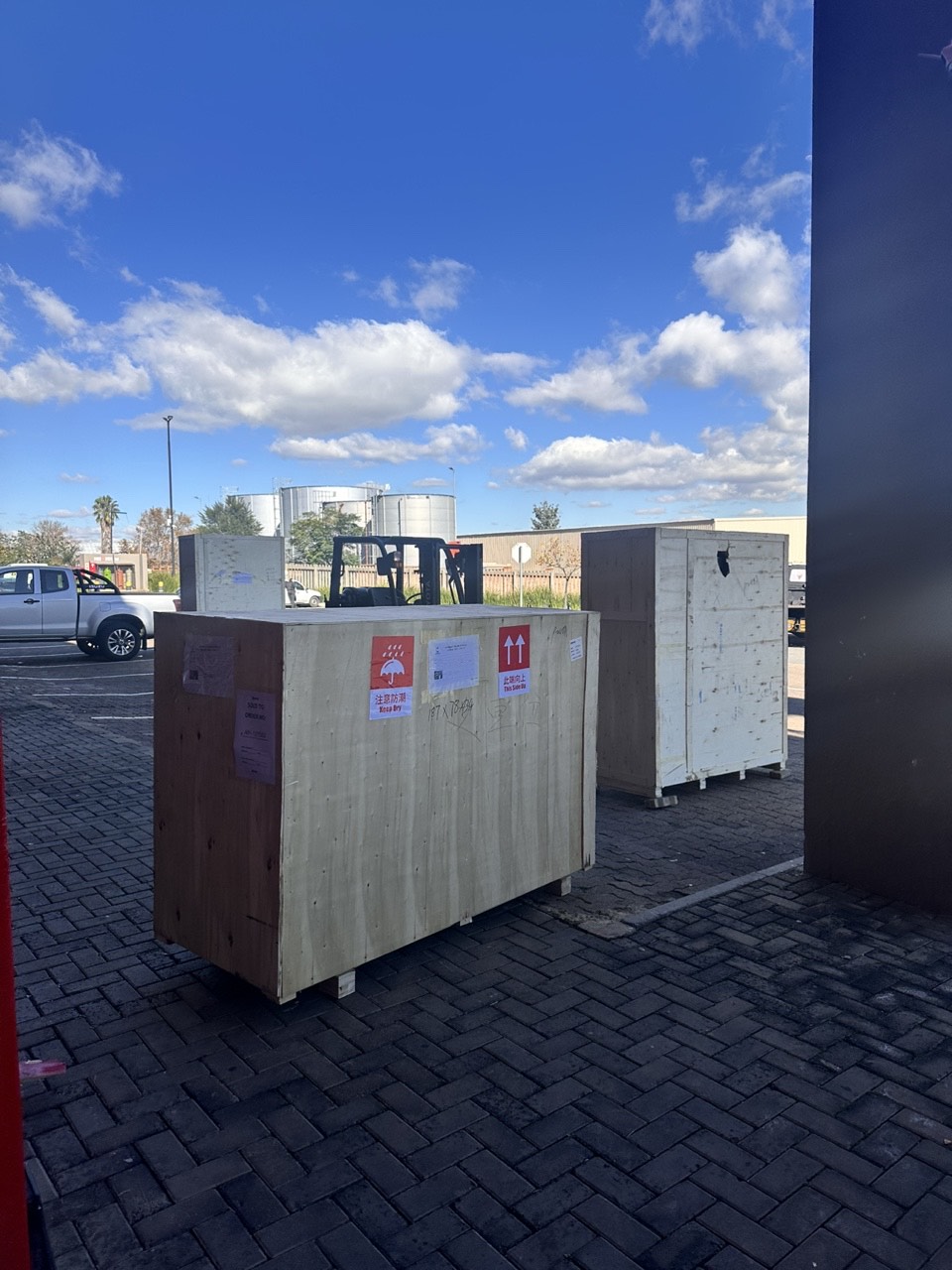
Batch of Orders
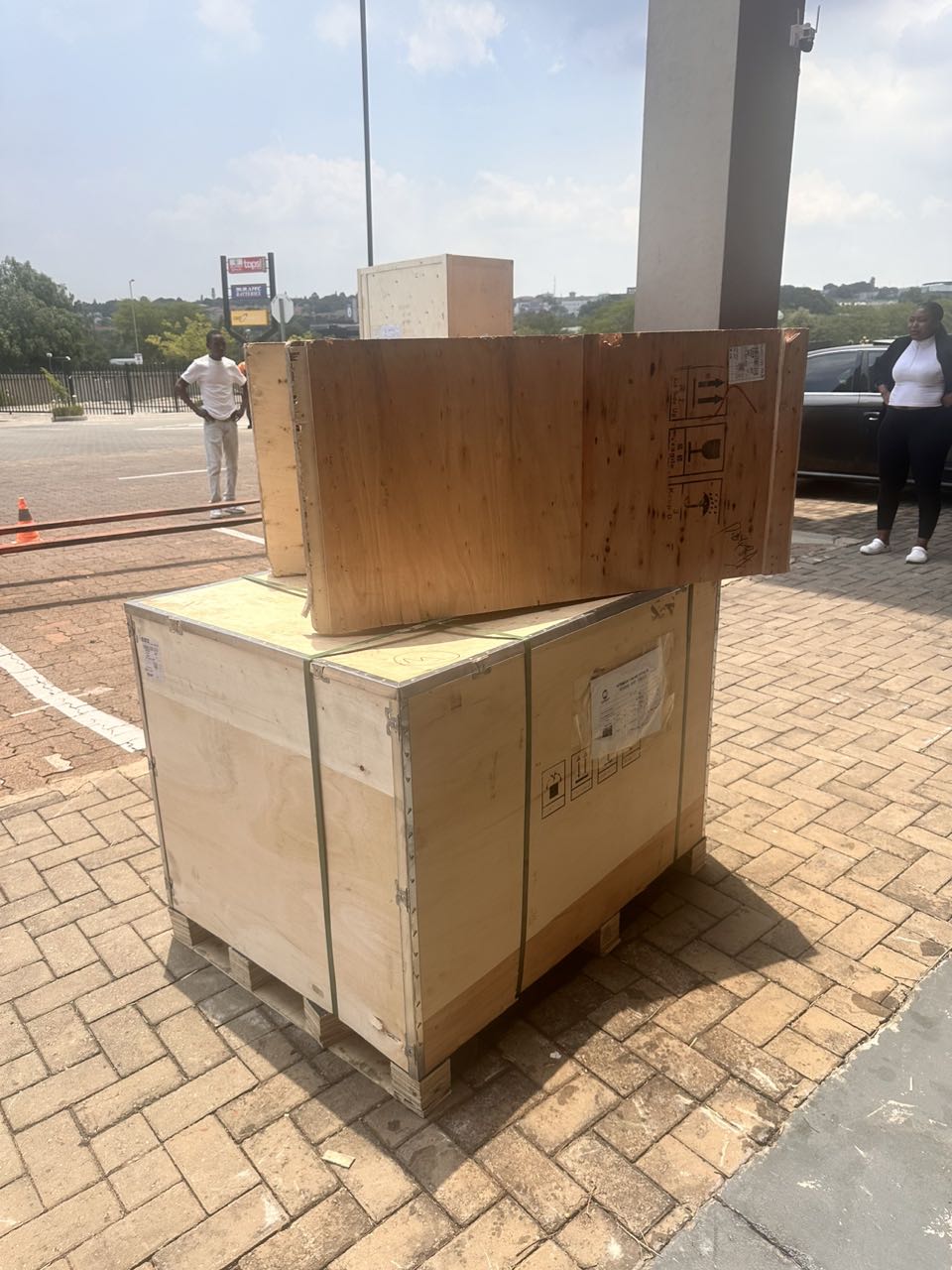
Batch of Orders
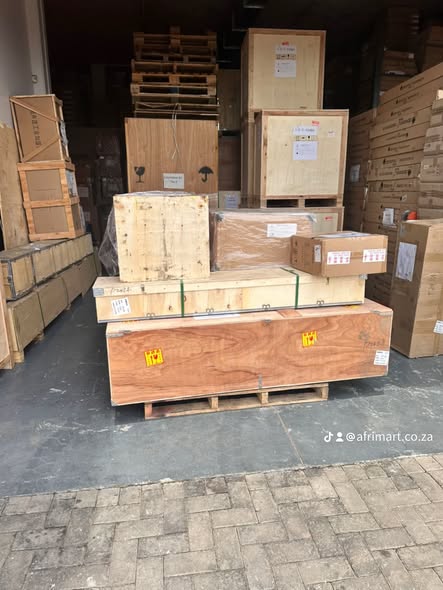
Latest Orders Labelled

wheel alignment machines

new arrivals
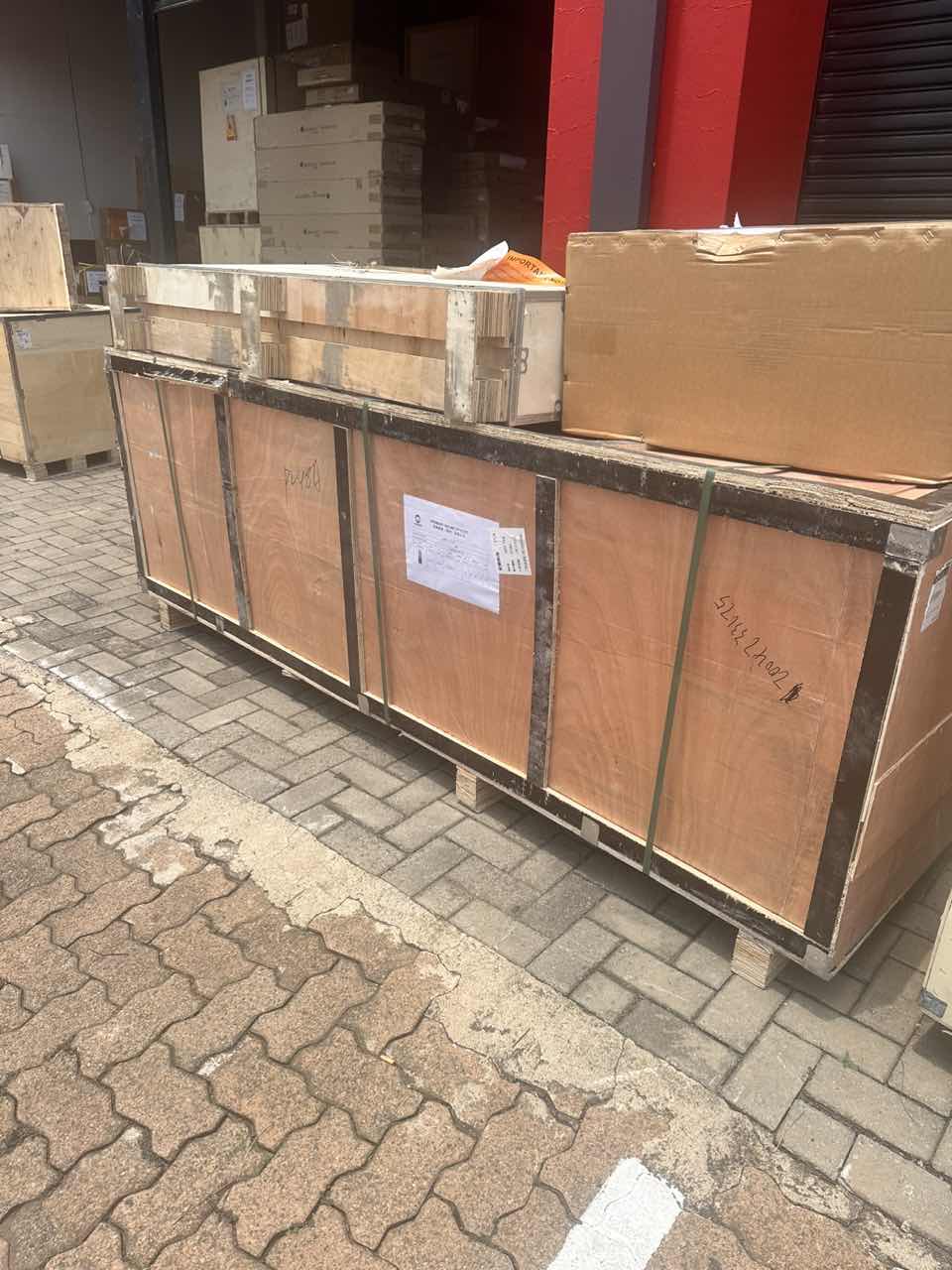
Pre Orders Offloading
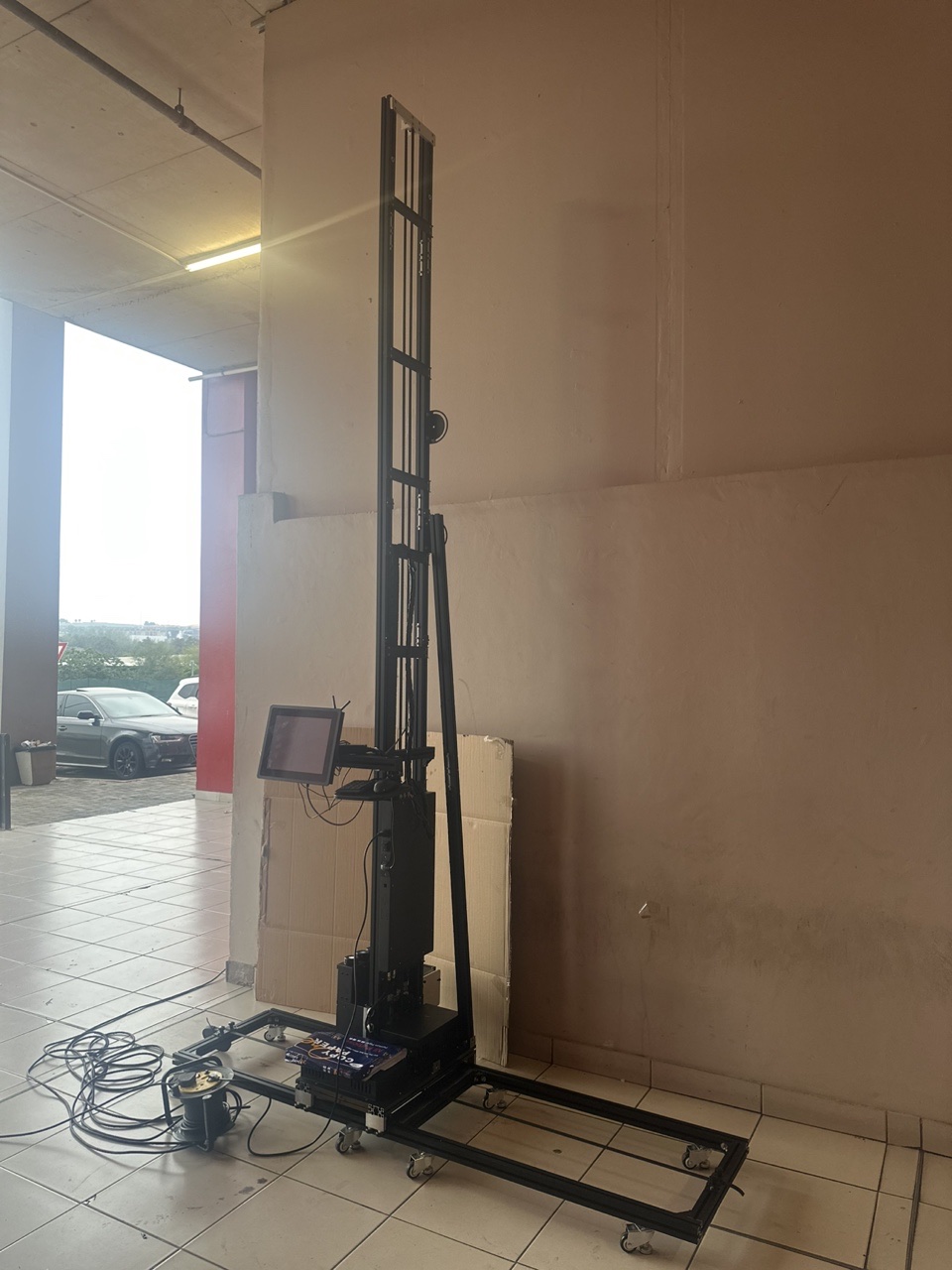
Latest Arrivals

Latest Arrivals

Latest Arrivals

Loading

Toilet paper making machine
Toilet paper making machine

Toilet paper Rewinding Machine
latest arrivals
offloading
order success
order collection

order offloading