B21, China Town Mall, Midrand

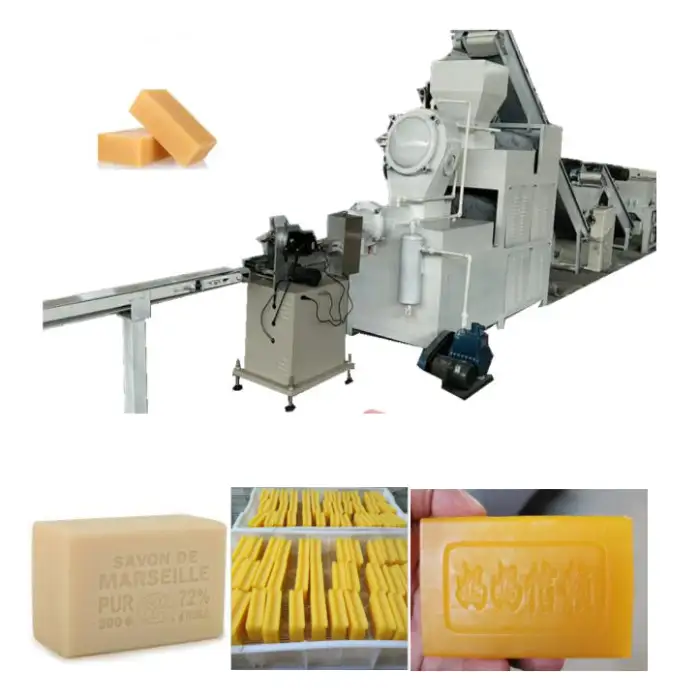
30-100KG Per Hour Soap Production Line
- Section : Machinery
- Category : Manufacturing Machinery
- SKU : 16004774104788

20-100KG Per Hour Soap Production Line
The 20-100KG Per Hour Soap Production Line is a powerful and efficient system designed for soap manufacturers. This production line helps you create high-quality soap quickly and easily. With its advanced technology, you can produce a large quantity of soap in a short time. This machine is perfect for small to medium-sized businesses looking to grow their soap production.
Specifications
| Attribute | Details |
|---|---|
| Capacity | 20-100 KG per hour |
| Power Supply | 380V/50Hz |
| Machine Weight | 1500 KG |
| Dimensions | 5000mm x 1500mm x 2000mm |
| Material | Stainless Steel |
Key Features
- High production capacity of 20-100 KG per hour.
- Easy to operate with user-friendly controls.
- Durable stainless steel construction for long-lasting use.
- Customizable settings for different soap types.
- Energy-efficient design to save on costs.
Applications
- Manufacturing bar soap for personal care.
- Producing liquid soap for households.
- Creating specialty soaps for gift shops.
- Soap production for commercial use.
- Developing organic and natural soaps.
Product Info Gallery
- Shipping Timeframes: All orders are processed within 2-5 business days (excluding weekends and holidays). After your order has been processed, the estimated delivery time is before 31 May, 2026, depending on customs, Please note that due to high demand, some items may experience longer shipping times, which will be communicated at order confirmation email.
- Order Processing Time: Please allow 2-5 business days for us to process your order before it is shipped . Orders placed after 16:00 on Fridays, or during weekends and public holidays, will begin processing on the next business day. Processing times may be extended during peak seasons or sales events.
- Manufacturing Time: Some products needs manufacturing time, the manufacturing process will take approximately 10-30 business days depending on the product. This timeframe may vary depending on the complexity of the product and current demand. but this will be communicated with you during order confirmation.
- Returns and Exchanges: We offer a 30-day return policy for most items. If you are not completely satisfied with your purchase, you may return it within 30 days of receipt for a refund or exchange. Items must be unused, in their original packaging, and accompanied by proof of purchase. Return shipping costs are the responsibility of the customer, unless the item was damaged or defective upon arrival.
1. What is the production capacity of the 20-100KG Per Hour Soap Production Line?
The line is designed to produce between 20 and 100 kilograms of soap per hour, depending on the product formula, settings and operating conditions.
2. Which types of soap can this production line make?
It can manufacture bar soap and liquid soap and can be configured to produce specialty, organic and natural soaps by adjusting settings and using appropriate molds and dosing systems.
3. What are the machine's power requirements?
The machine requires a 380V/50Hz power supply. Confirm local electrical compatibility and any additional power needs for auxiliary equipment.
4. What are the machine dimensions and weight?
Overall dimensions are 5000 mm x 1500 mm x 2000 mm and the machine weight is approximately 1500 kg. Allow extra space for operator access and service.
5. What material is the production line made from?
Key contact components are constructed from stainless steel for durability, hygiene and corrosion resistance.
6. How easy is it to operate? Do operators need special training?
The line features user-friendly controls designed for straightforward operation. Basic operator training is recommended for safe use, recipe setup and routine maintenance.
7. Can I change between different soap formulas and sizes quickly?
Yes — the machine has customizable settings to support different soap types and sizes. Some changeovers (e.g., molds, dosing heads) may require manual adjustments or accessory swaps.
8. Does the line include packaging equipment?
Packaging is not specified as part of the core line. Packaging and labeling equipment are generally provided as separate downstream systems — discuss options with the supplier.
9. What are the maintenance and cleaning requirements?
Stainless steel construction makes cleaning easier. Routine cleaning and inspection of pumps, seals, mixers and electrical components is recommended. Ask the supplier for a maintenance schedule and recommended cleaning procedures for your formulations.
10. Is the production line energy efficient?
The line is marketed as energy-efficient to help reduce operating costs, though actual consumption depends on run time, settings and product formulations.
11. What site preparations are required for installation?
You should provide a suitable power supply (380V/50Hz), a stable floor capable of supporting the machine weight, adequate ventilation/drainage as needed, and access for delivery and installation. The supplier can provide a detailed site-prep checklist.
12. What safety features and certifications does the machine have?
Safety features and certifications can vary by manufacturer. Typical industrial soap lines include guards, emergency stops and electrical protections. Confirm the exact safety features and any required compliance certificates with the supplier before purchase.
13. Are spare parts and after-sales support available?
Spare parts and after-sales support are typically offered by the manufacturer or distributor, but terms vary. Ask the vendor about parts availability, lead times, service contracts and technical support options.
14. How long does delivery and installation take?
Lead time and installation timelines depend on order backlog, customization and shipping location. Request a lead-time estimate from the supplier — they can also provide timelines for delivery, on-site installation and commissioning.
15. What raw materials can I use with this line?
The line can process common soap raw materials such as oils/fats, lye (for cold/hot processes if applicable), surfactants and additives, as well as fragrances and colorants. Confirm compatibility with your specific formulas with the manufacturer.
Latest Order Arrivals
Discover our latest orders
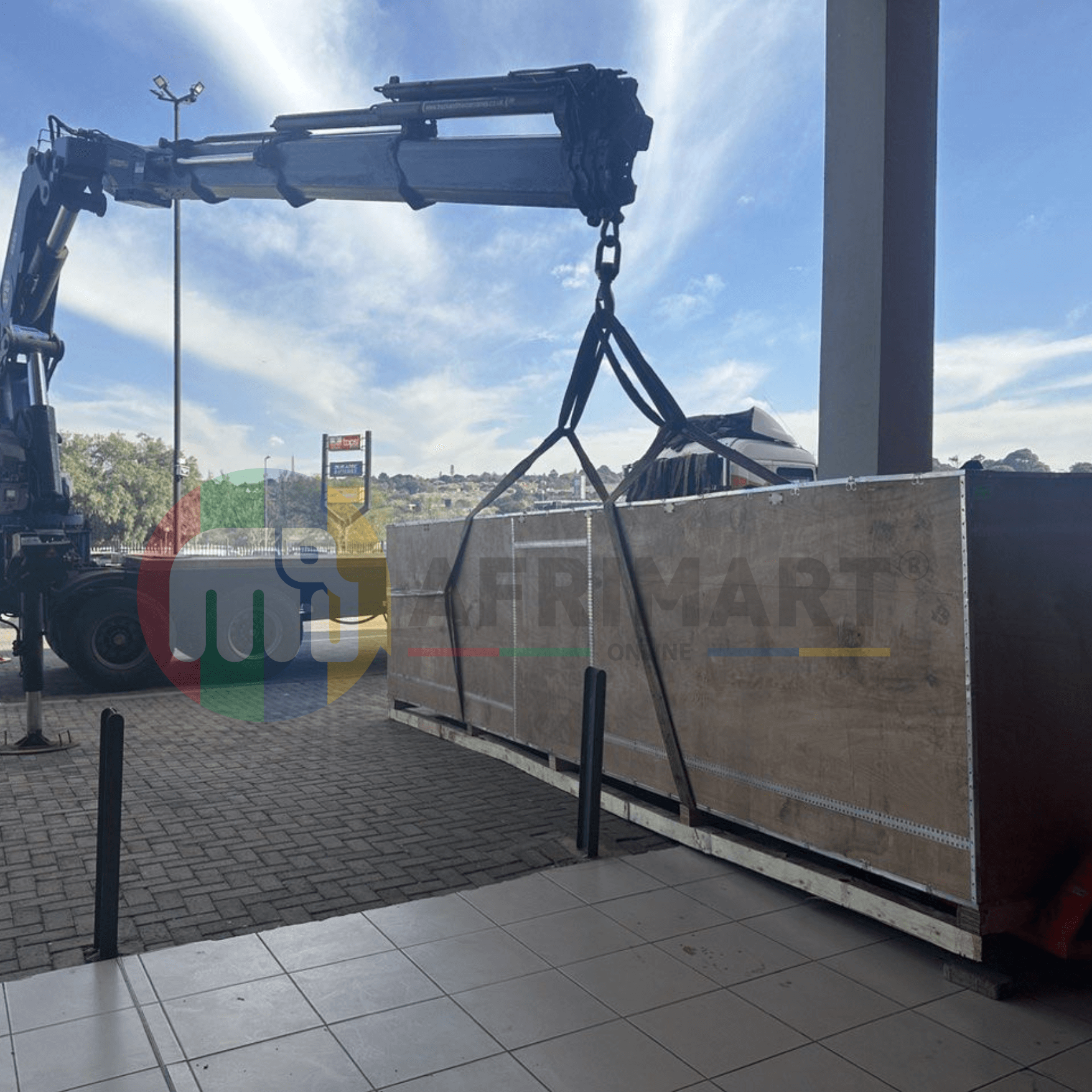
12 Heads Embroidery Machine
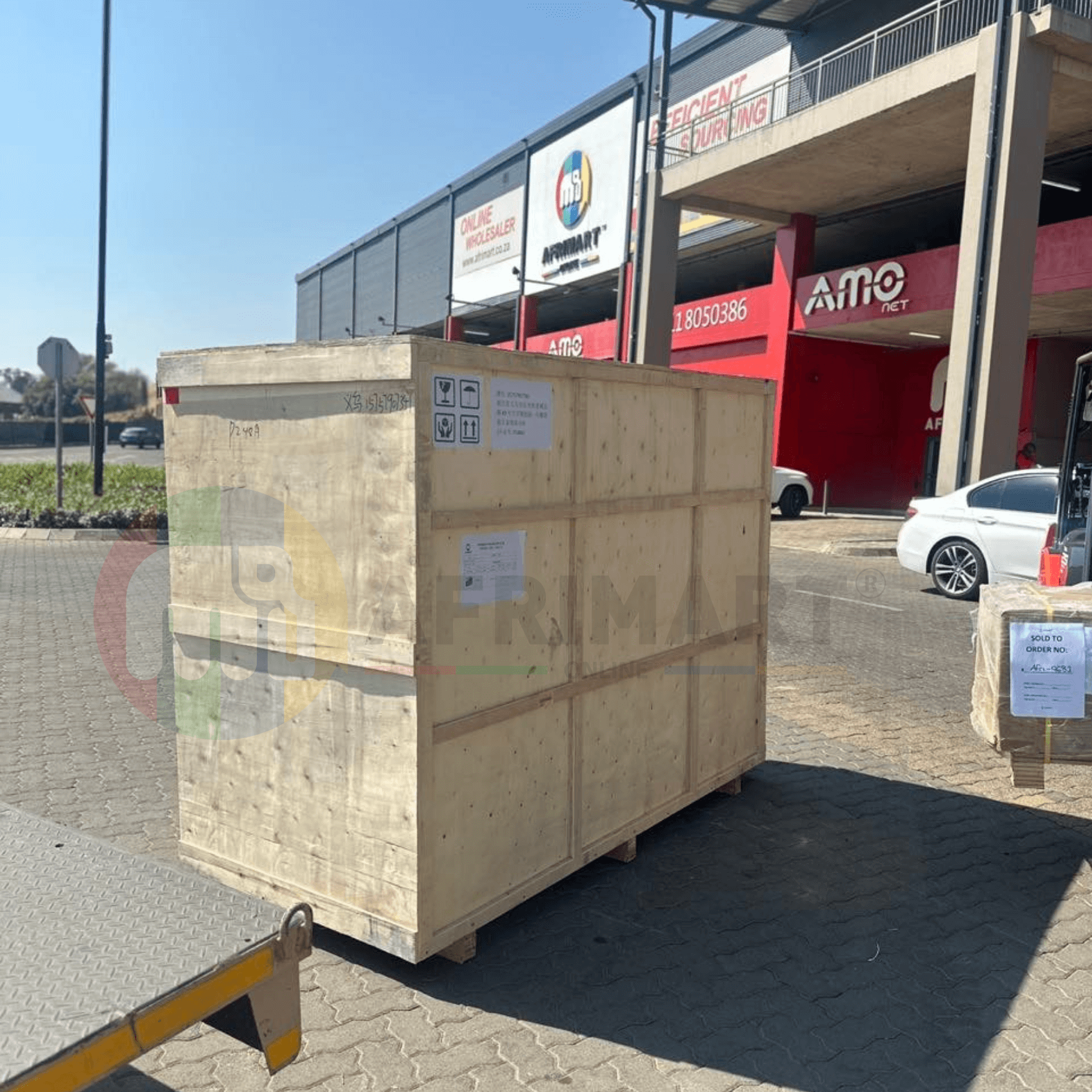
Dewatering Pump Machine
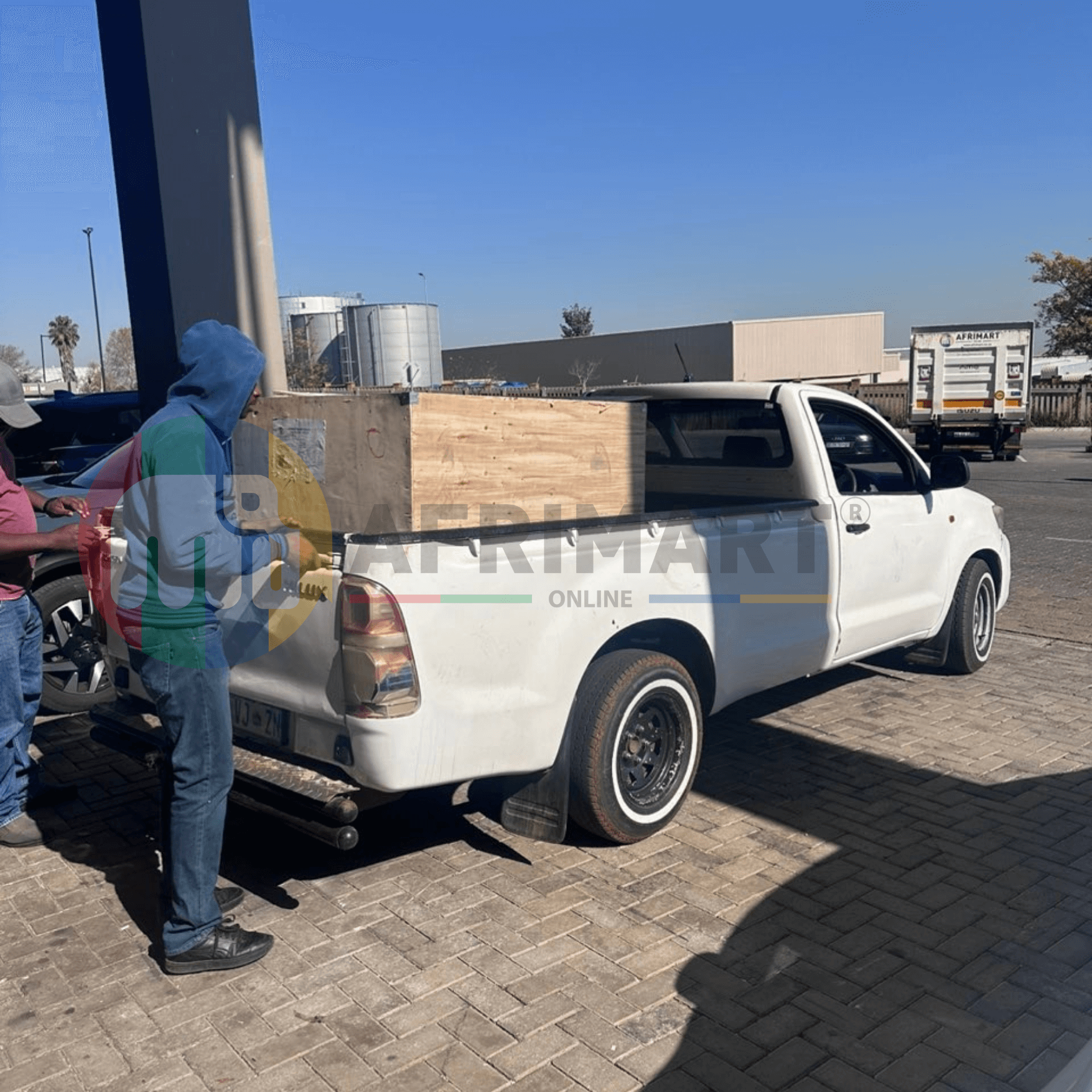
Order Collection
Portable Water Drilling Rig
Order Usefully Collected
Batch of Orders
Agriculture Processing Machines
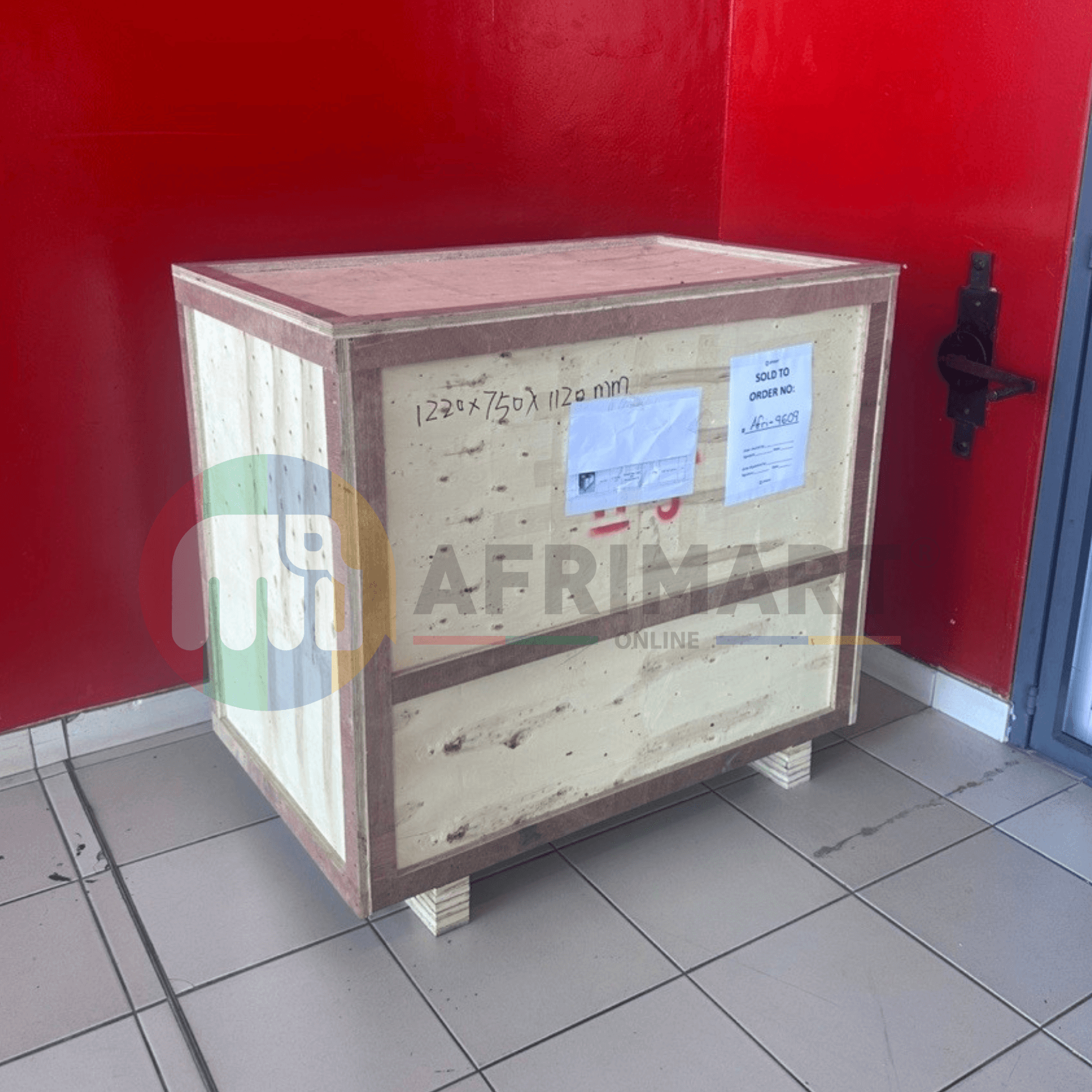
Meat Grinder Machine
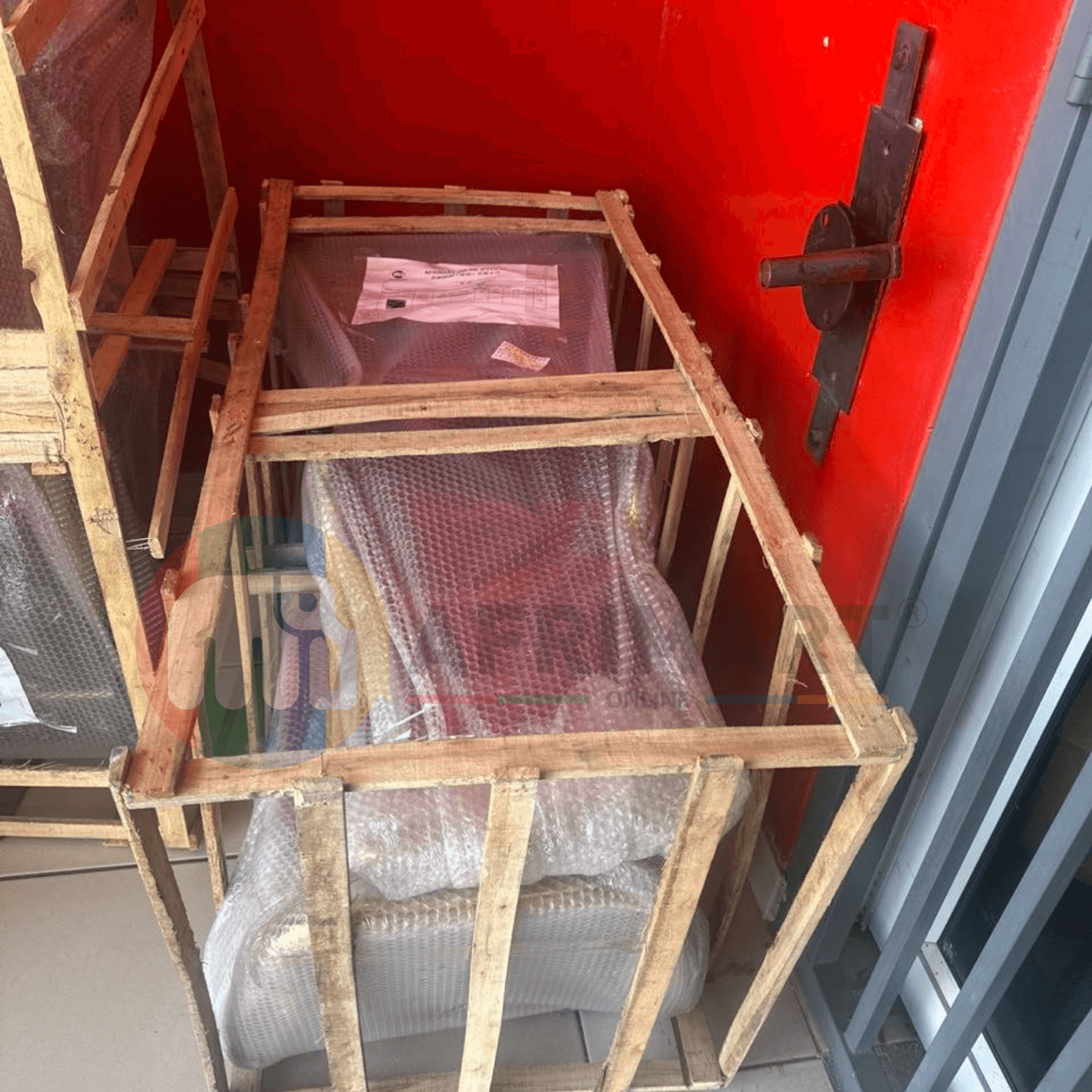
Water Pump Equipment
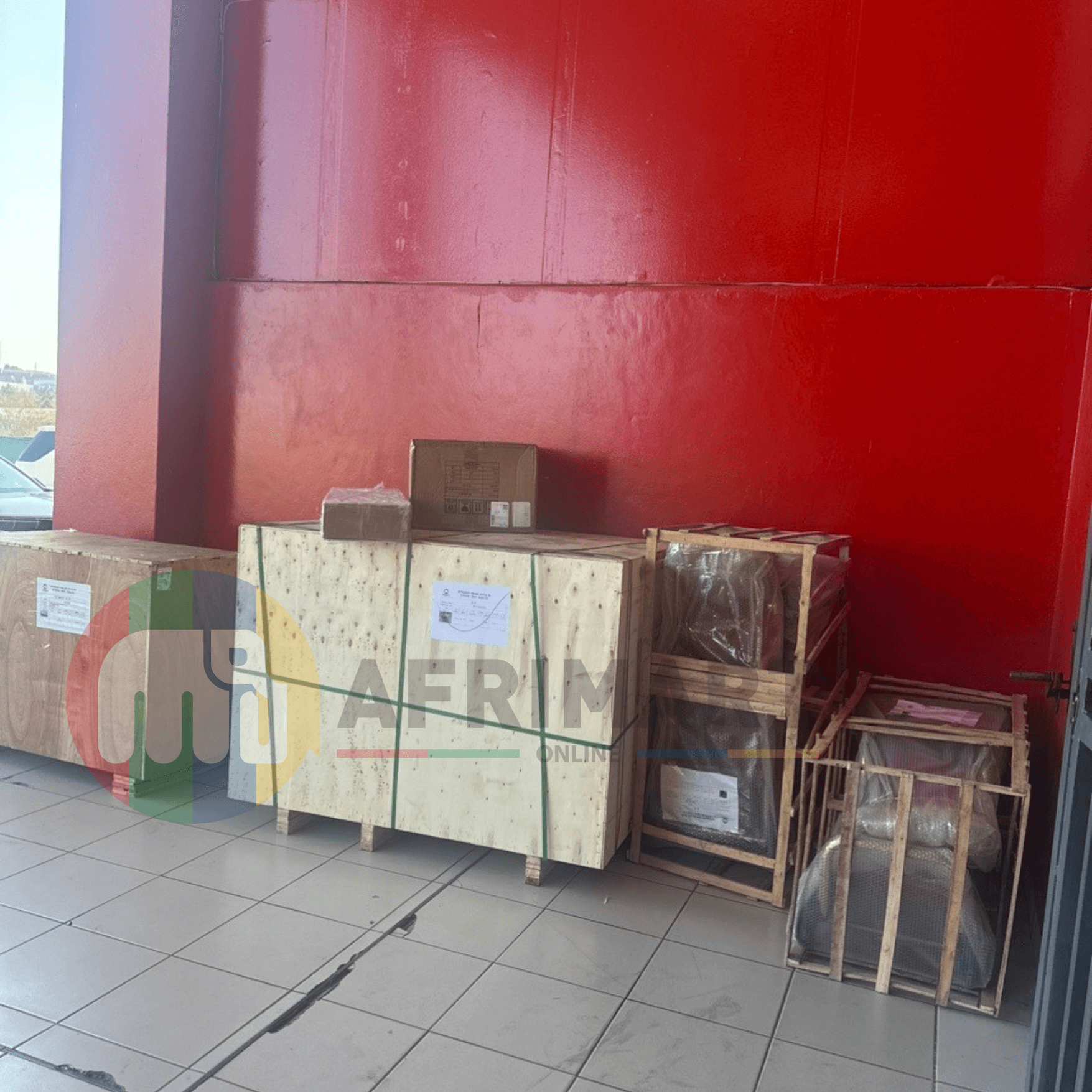
Packaging Machine and accessories
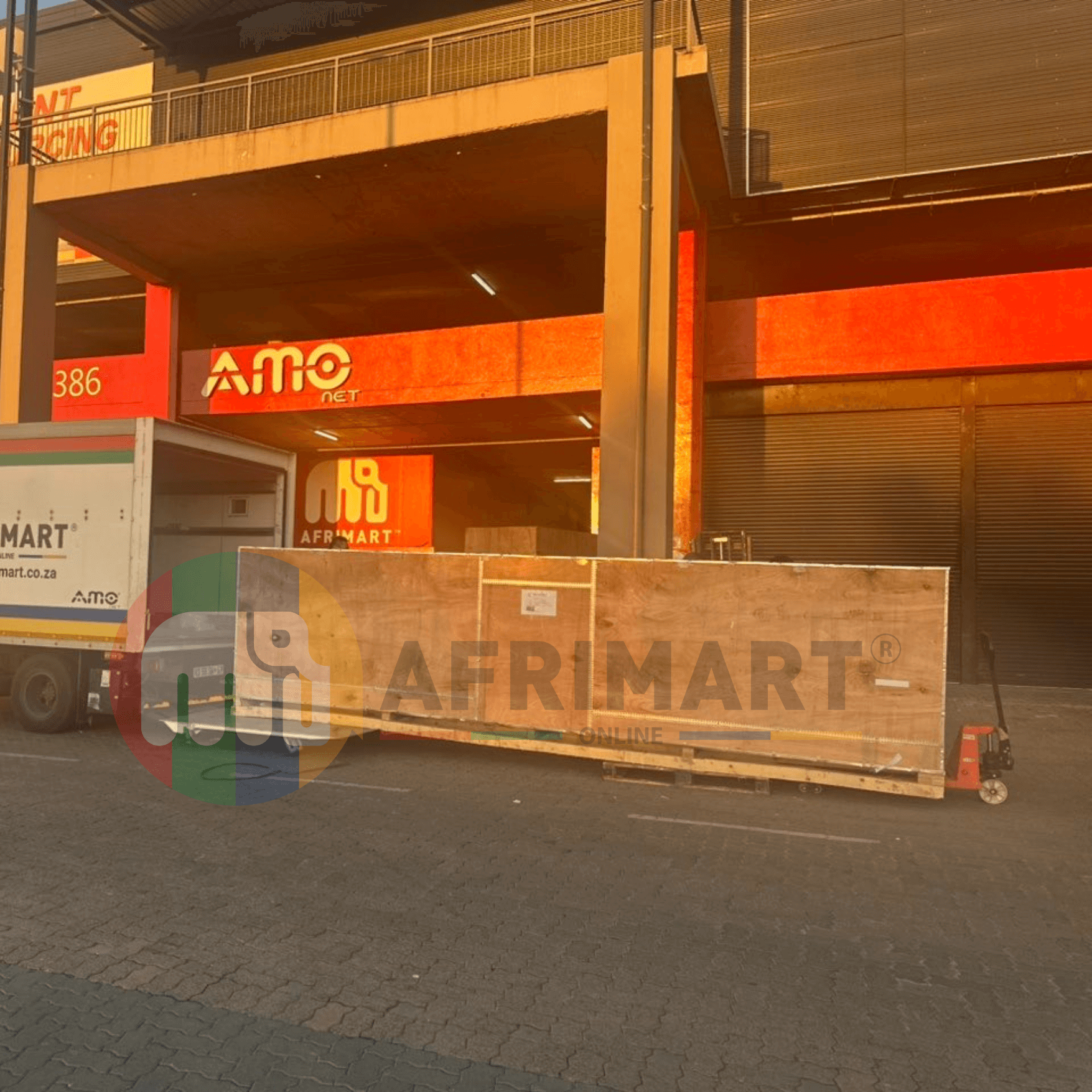
Fabrics Manufacturing Equipment
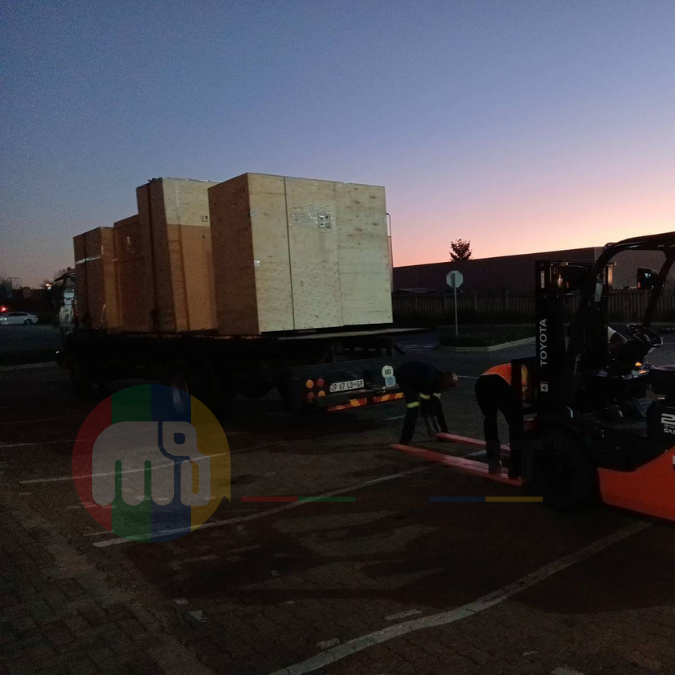
Mining Equipments
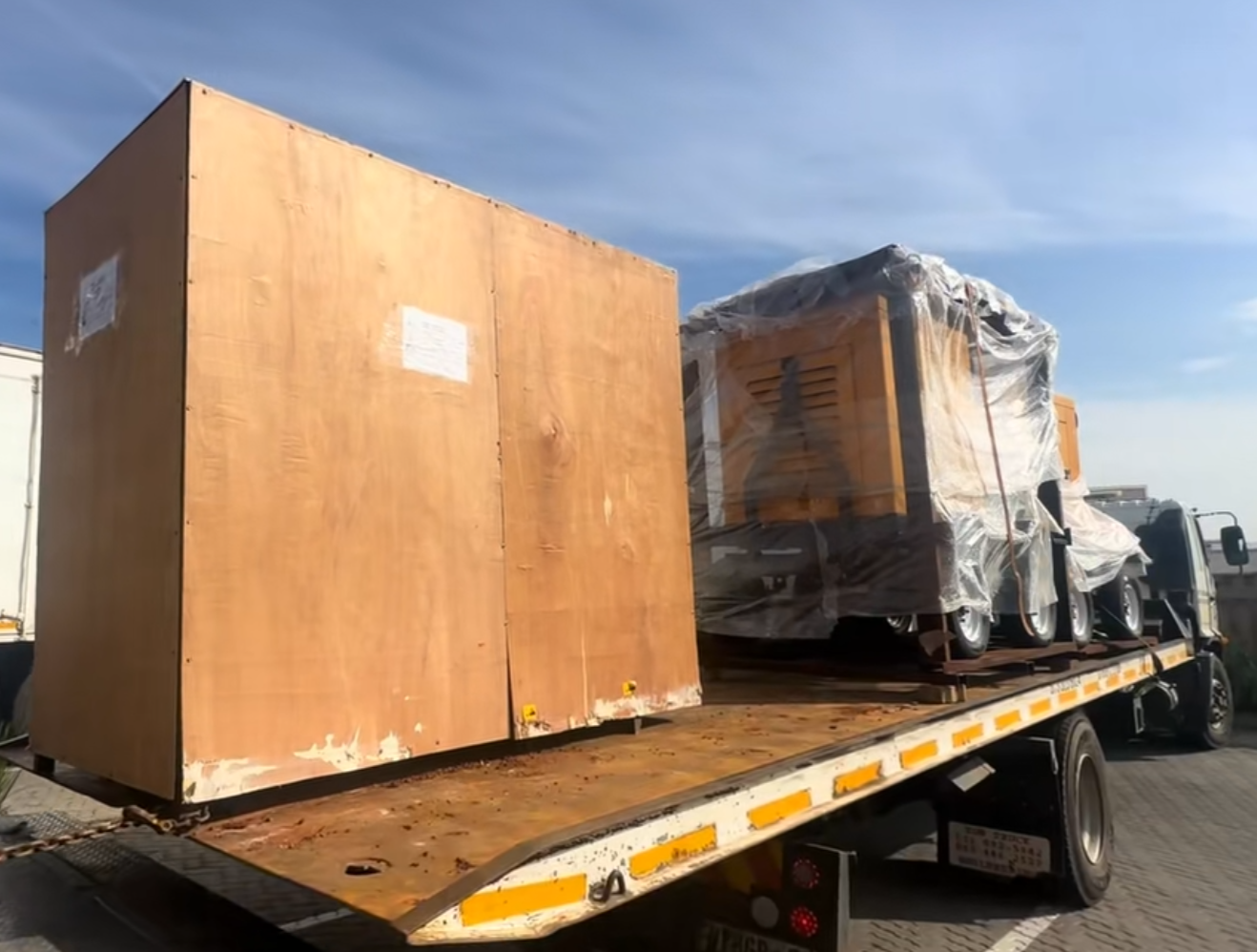
Food Processing Machine
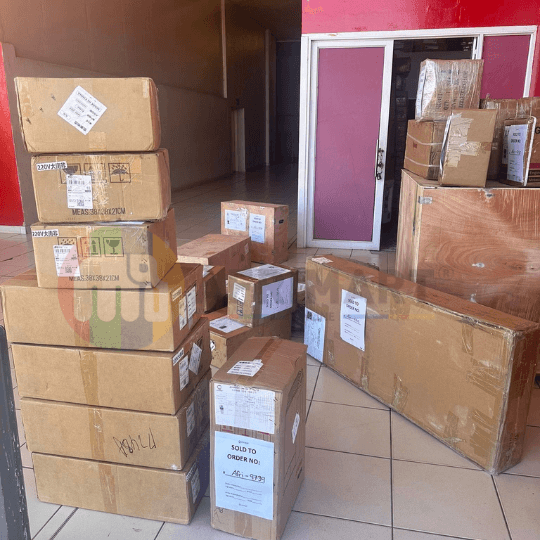
Batch of Orders
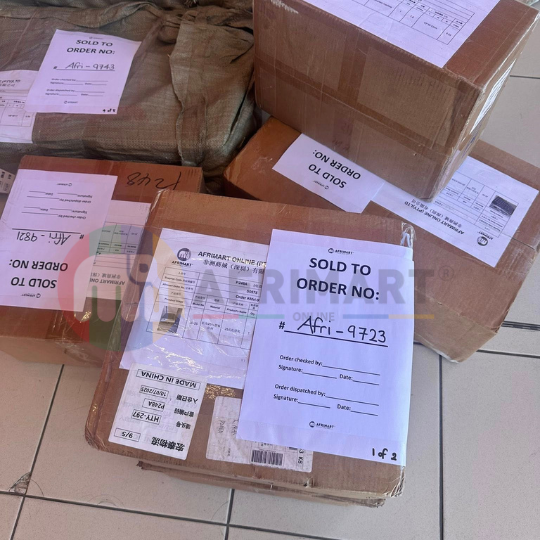
Batch of Orders
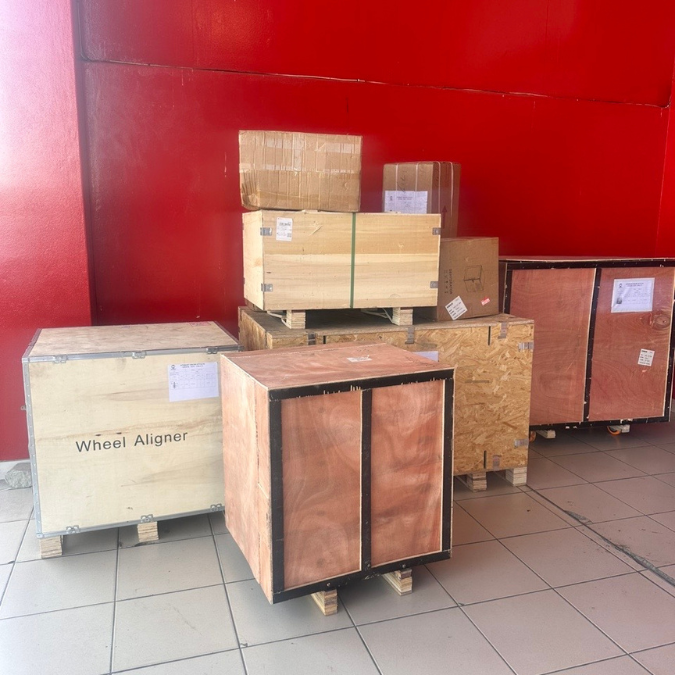
Latest Orders Labelled
wheel alignment machines
new arrivals
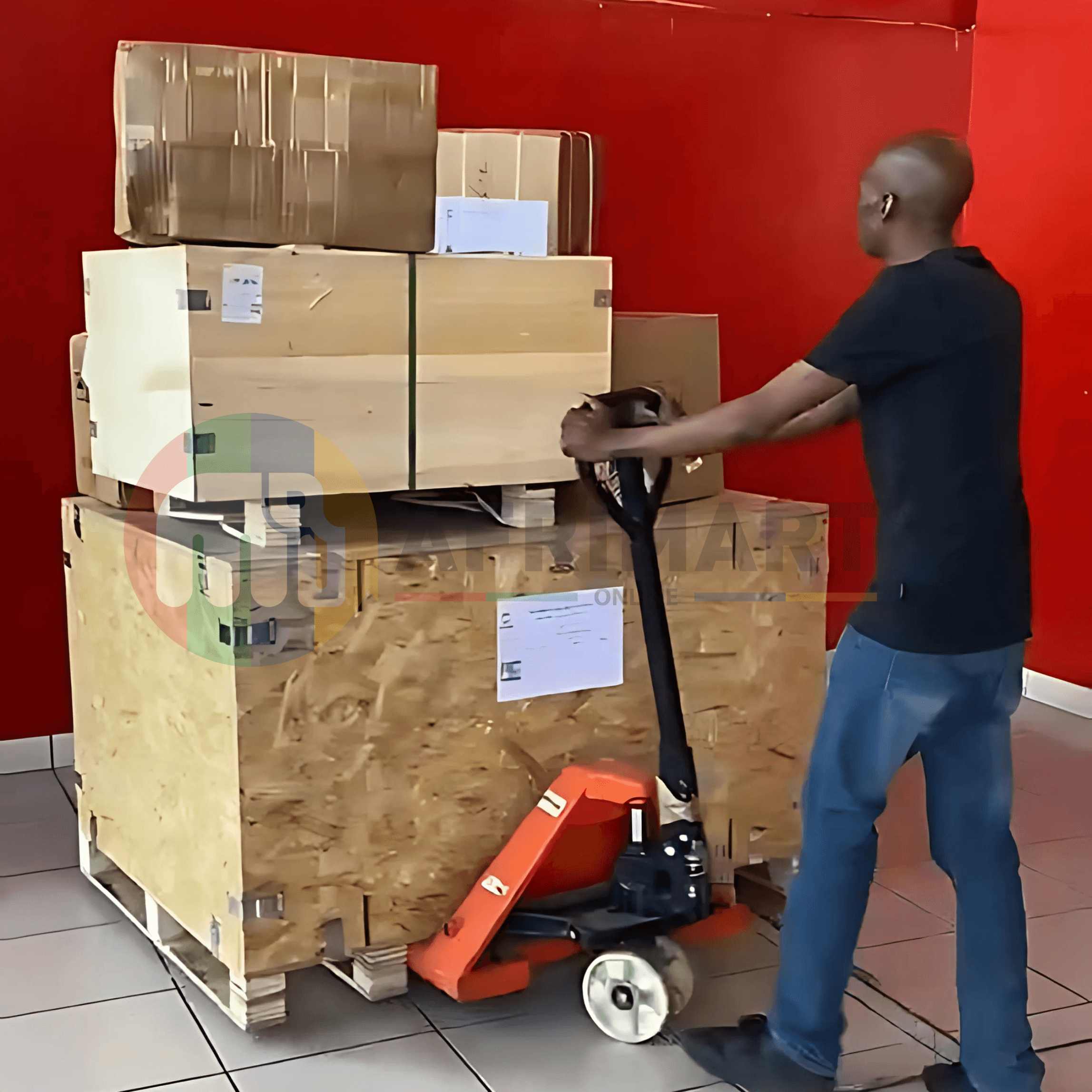
Pre Orders Offloading
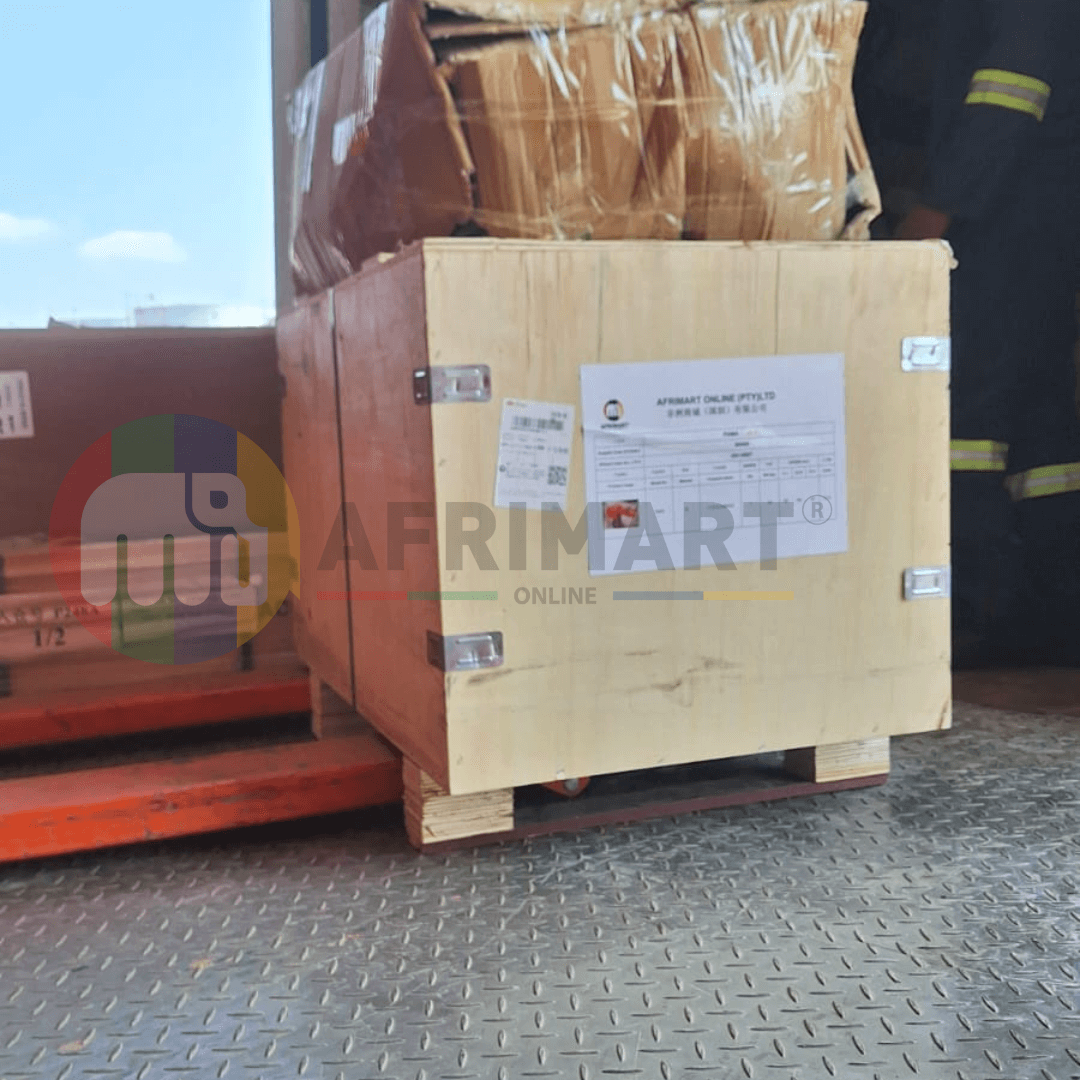
Latest Arrivals
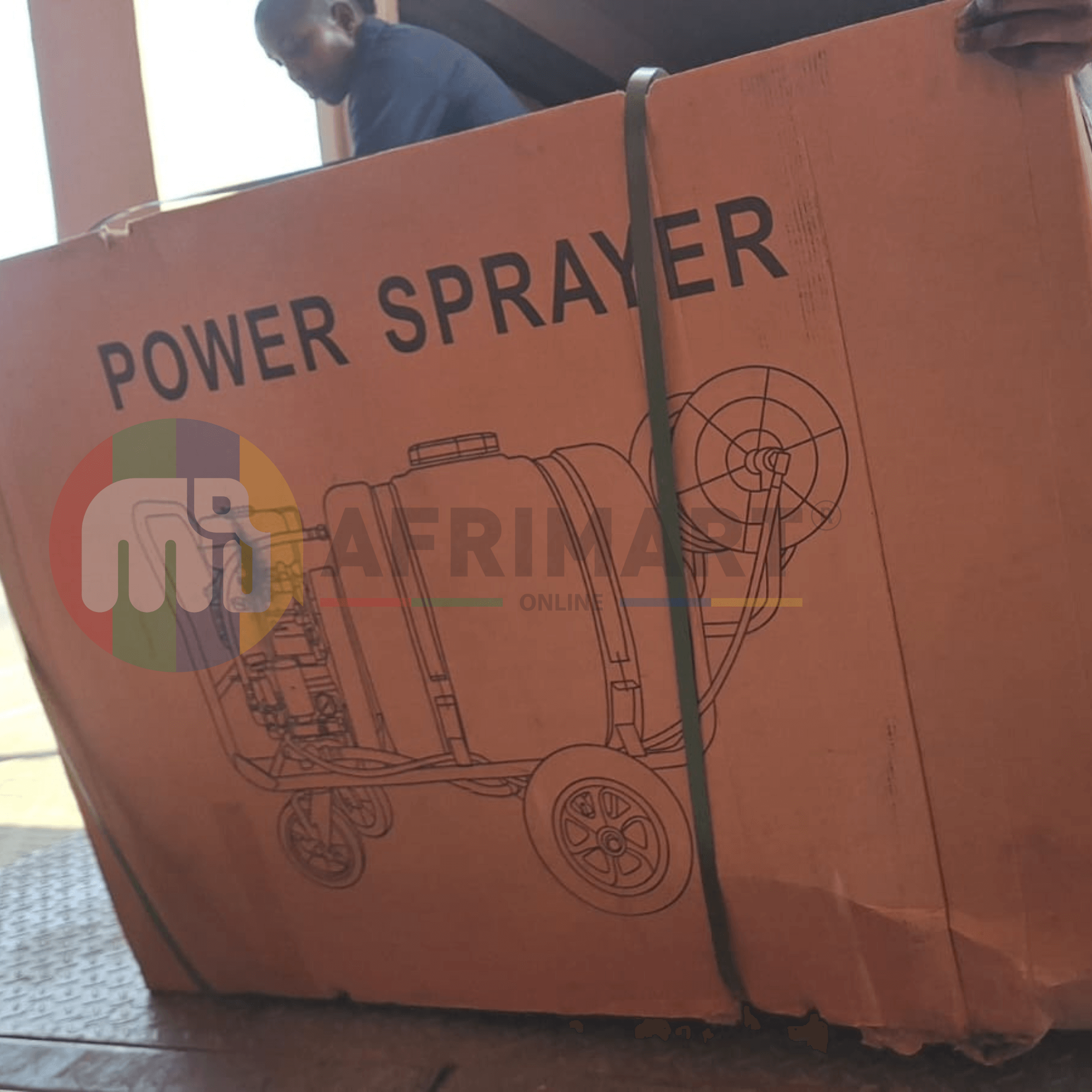
Latest Arrivals
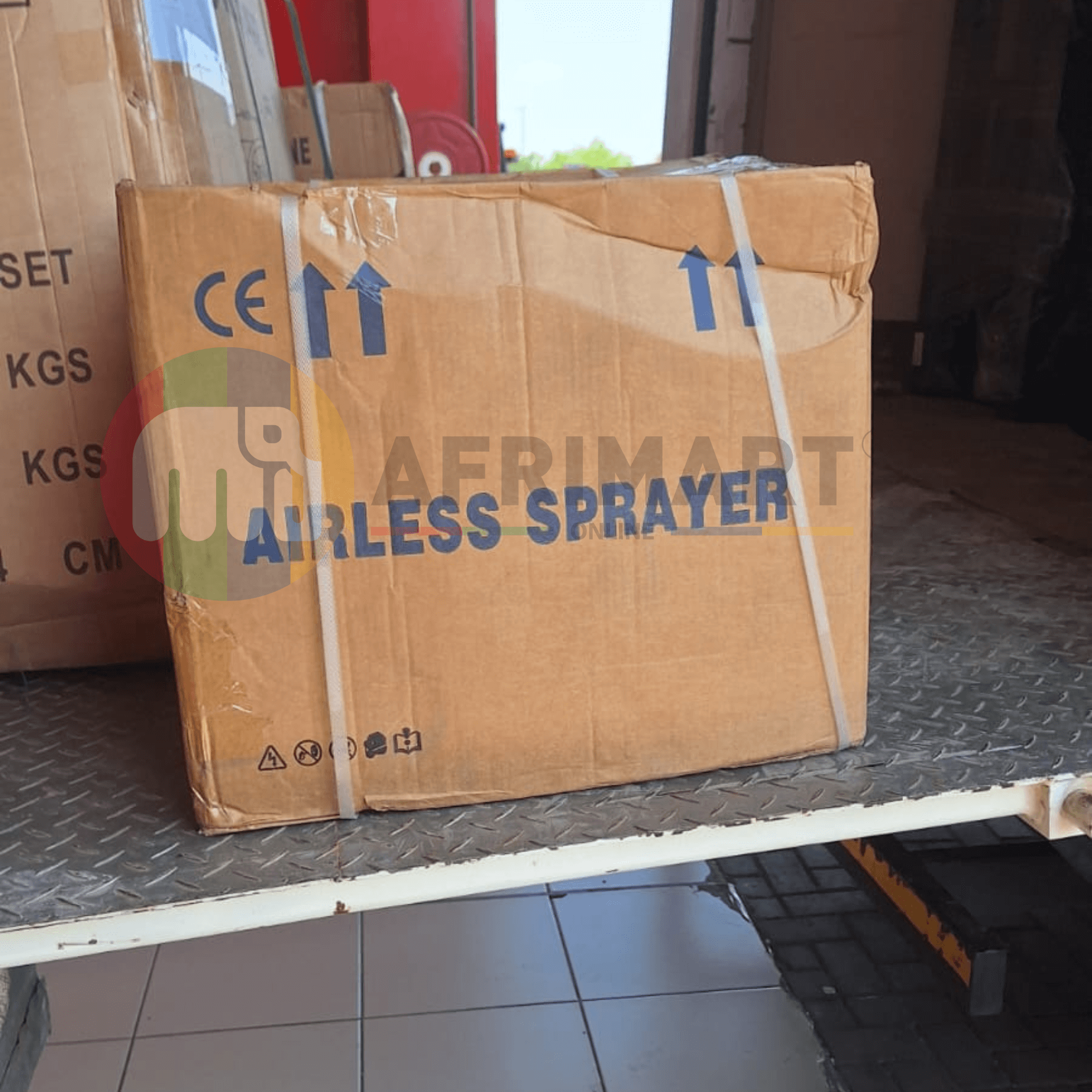
Latest Arrivals
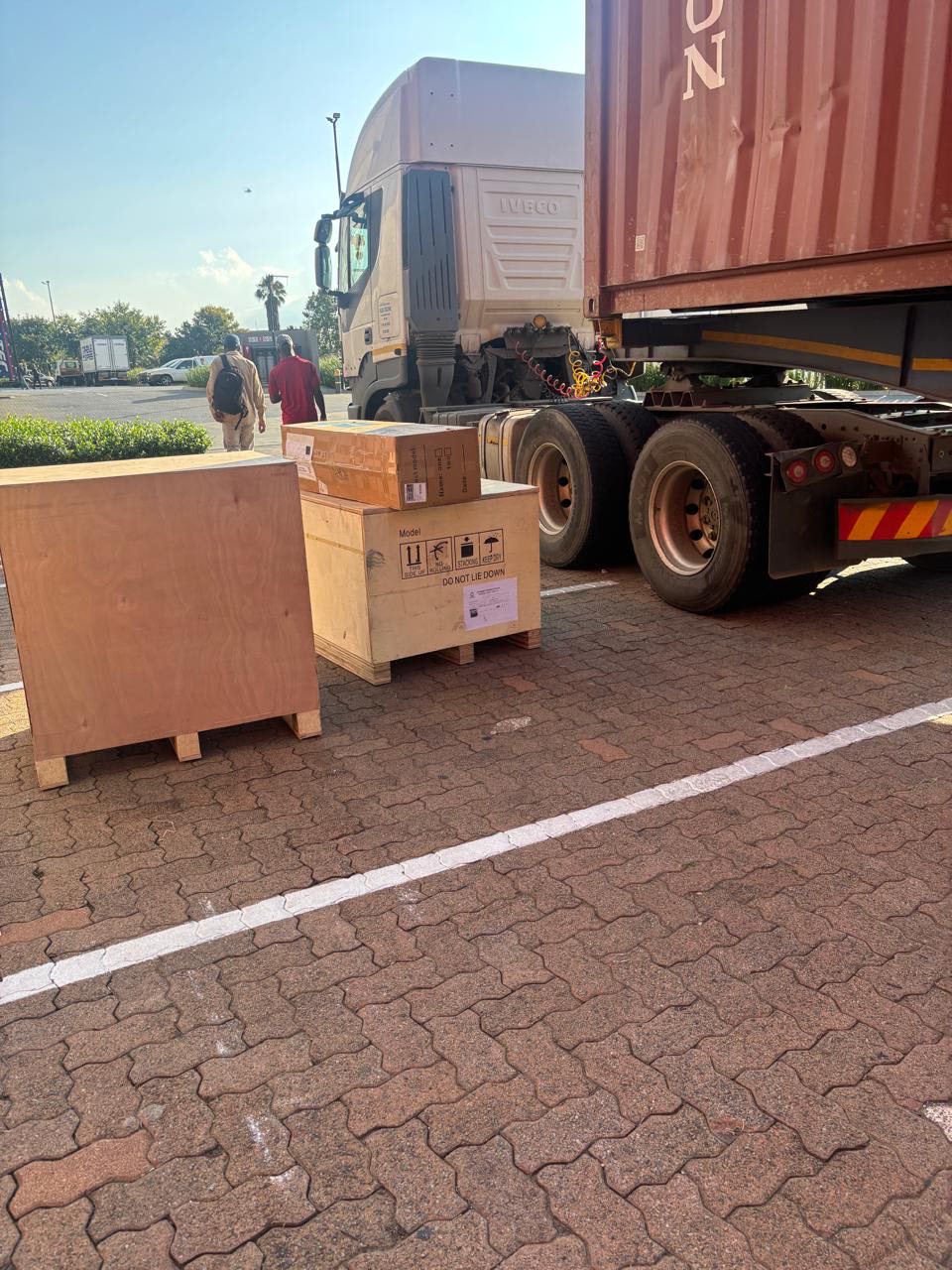
26 January 2026
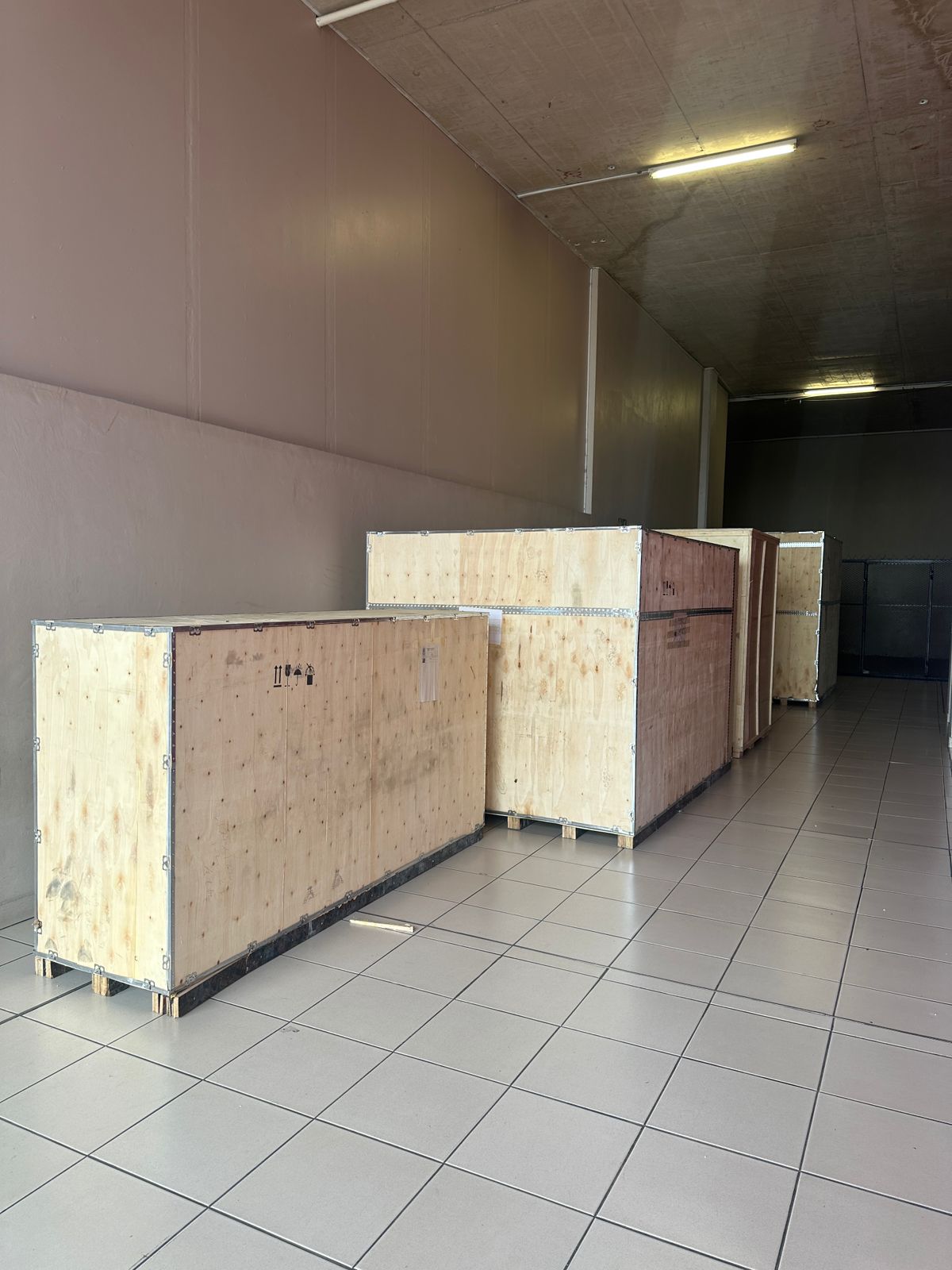
Toilet paper making machine
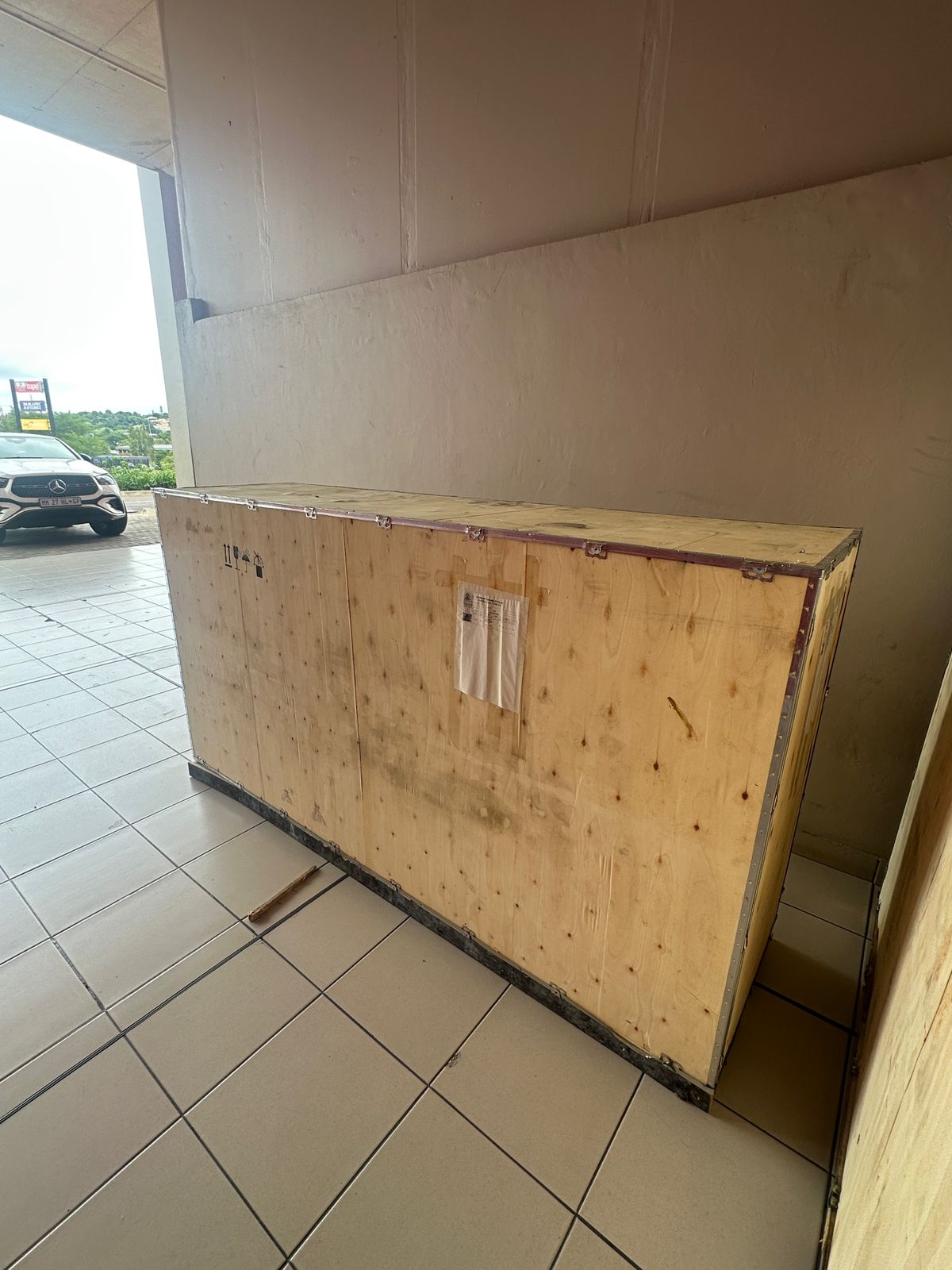
Toilet paper making machine
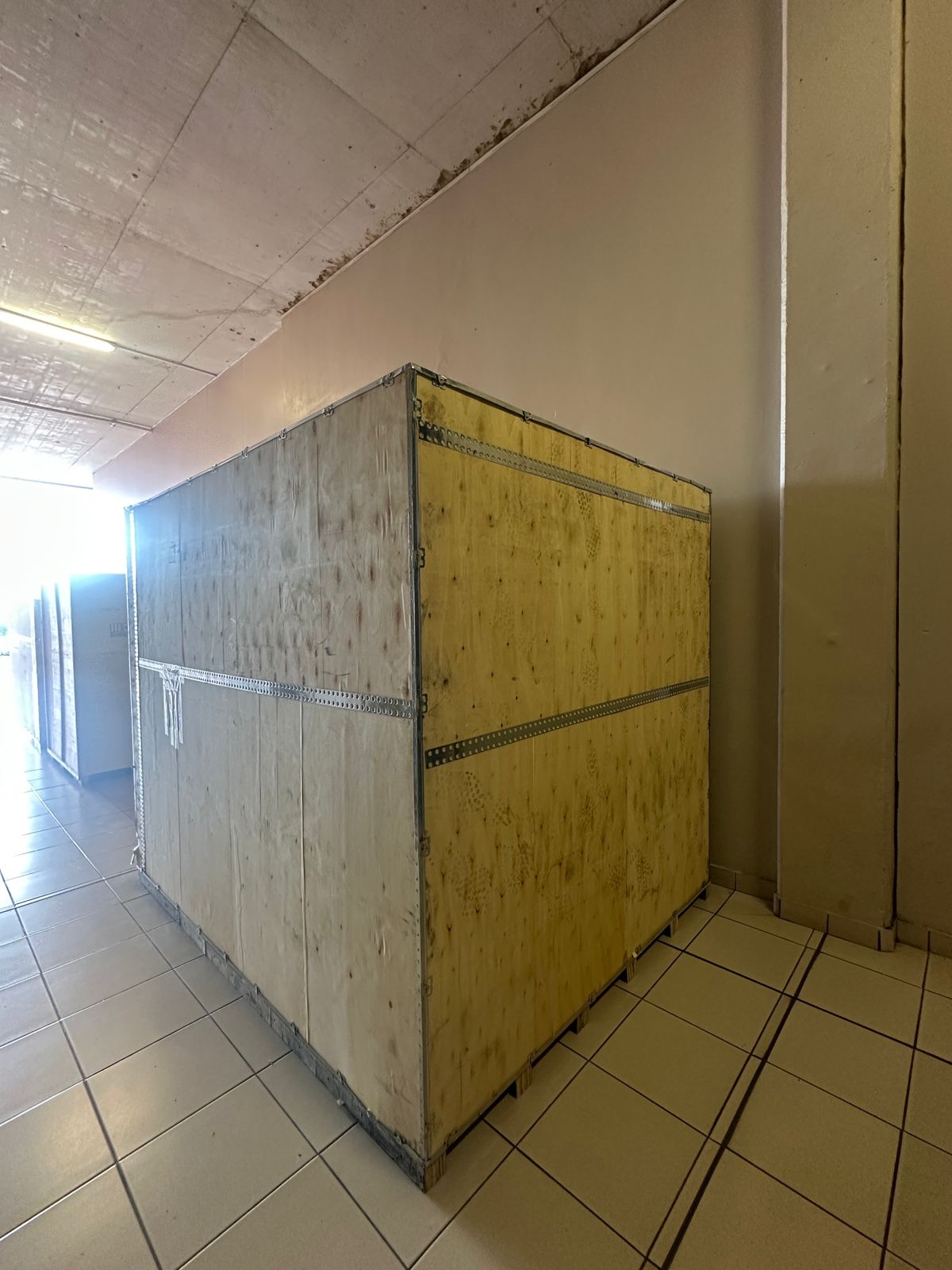
Toilet paper Rewinding Machine
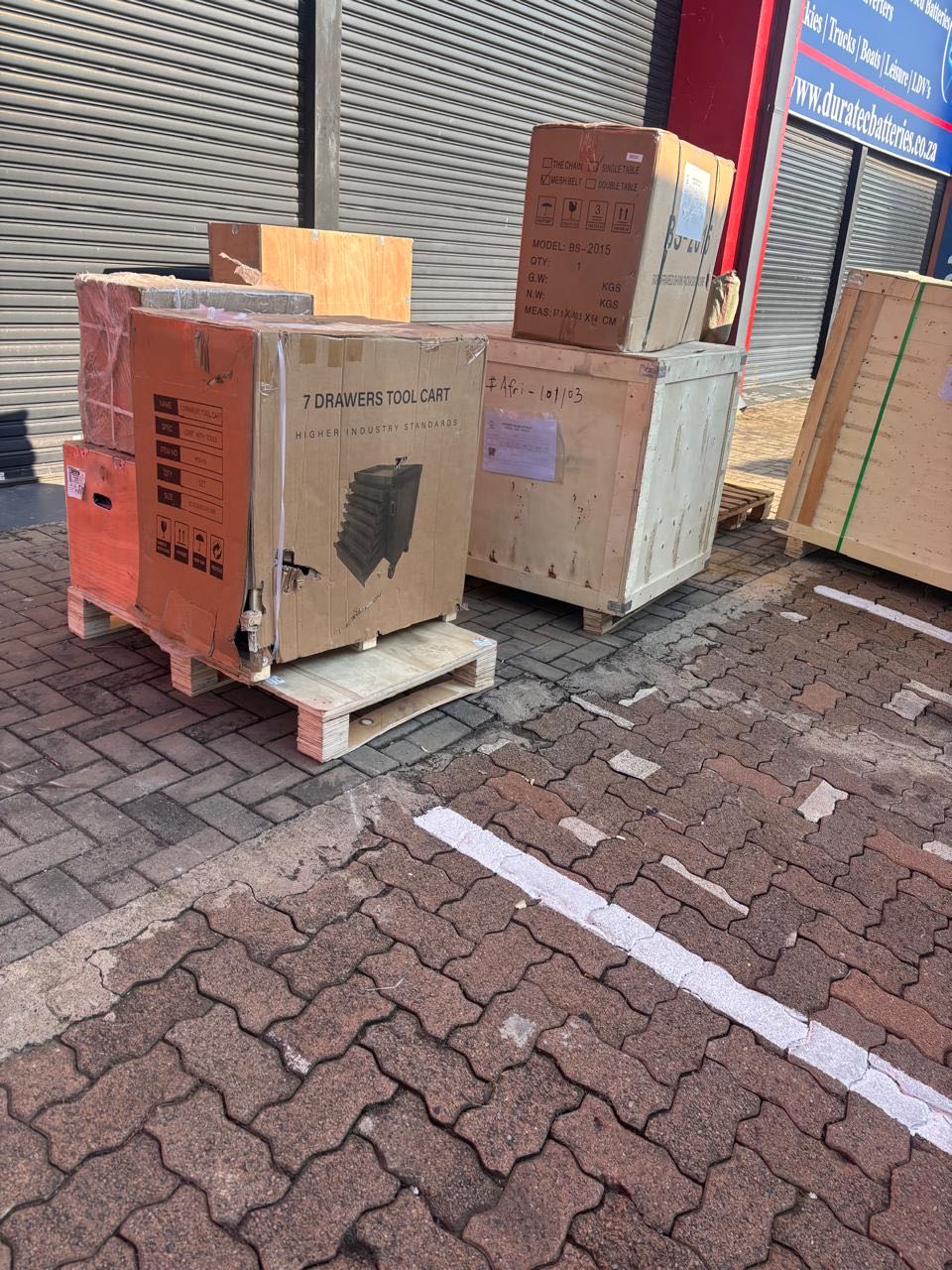
latest arrivals
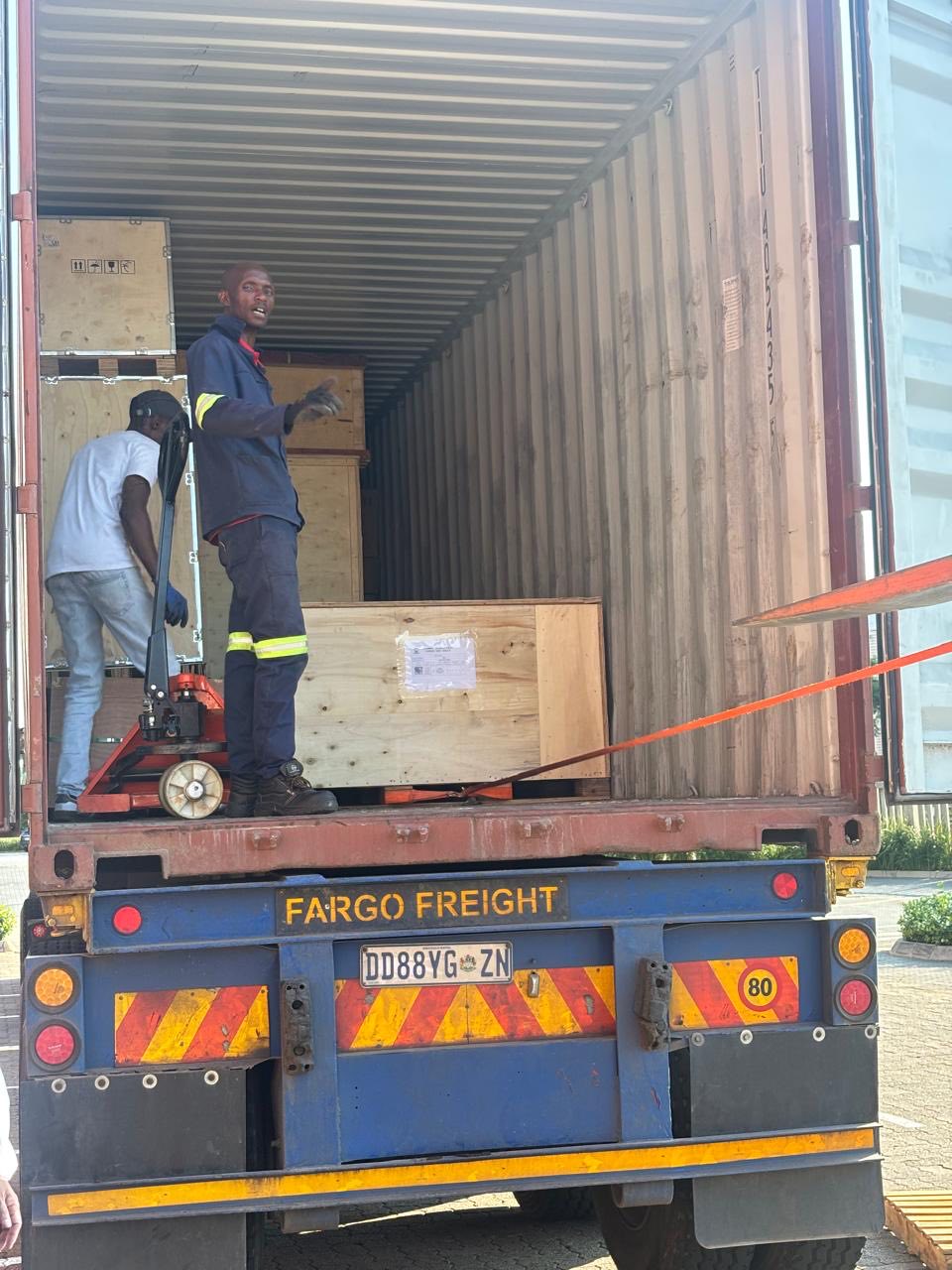
offloading
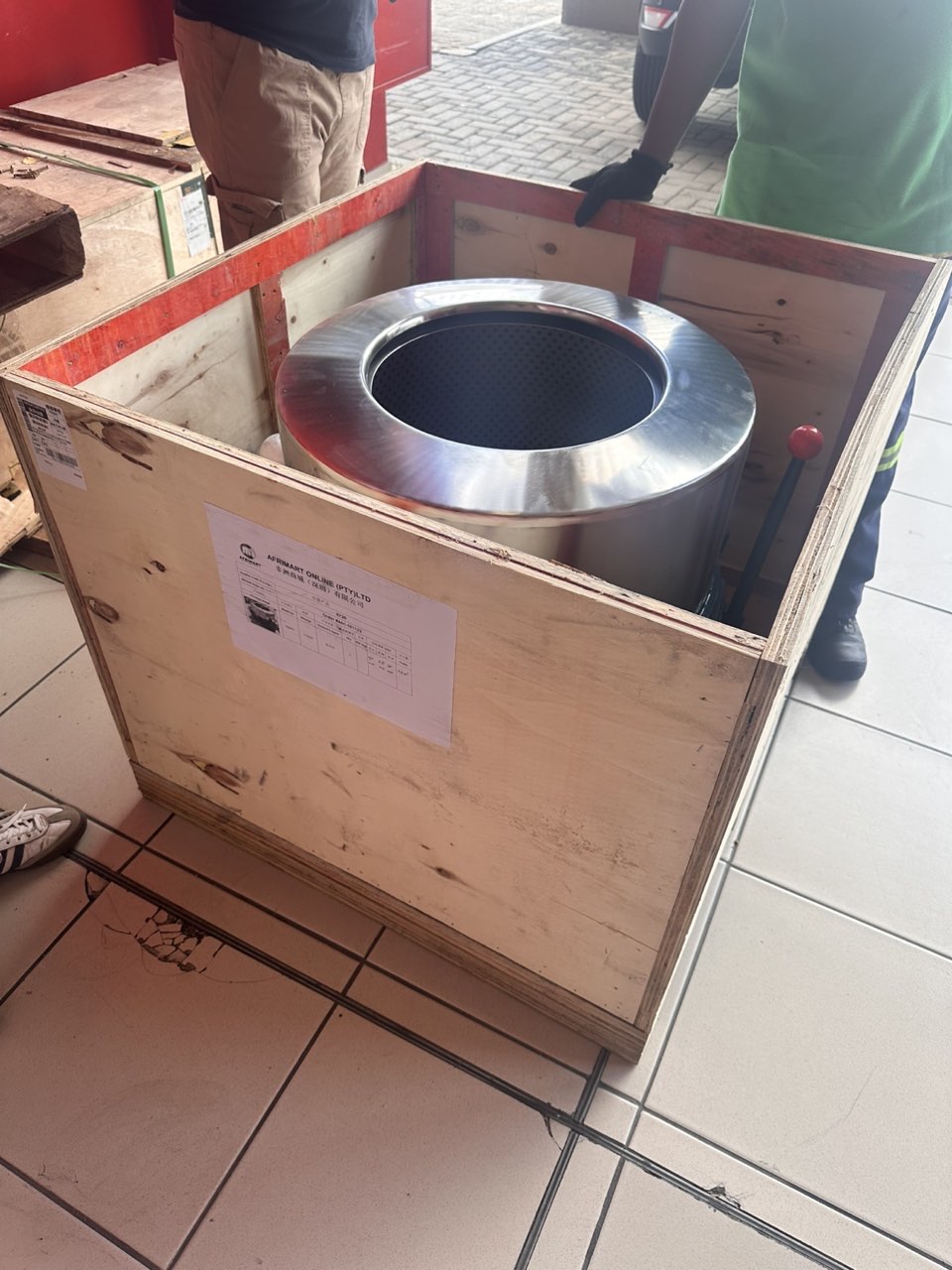
order success
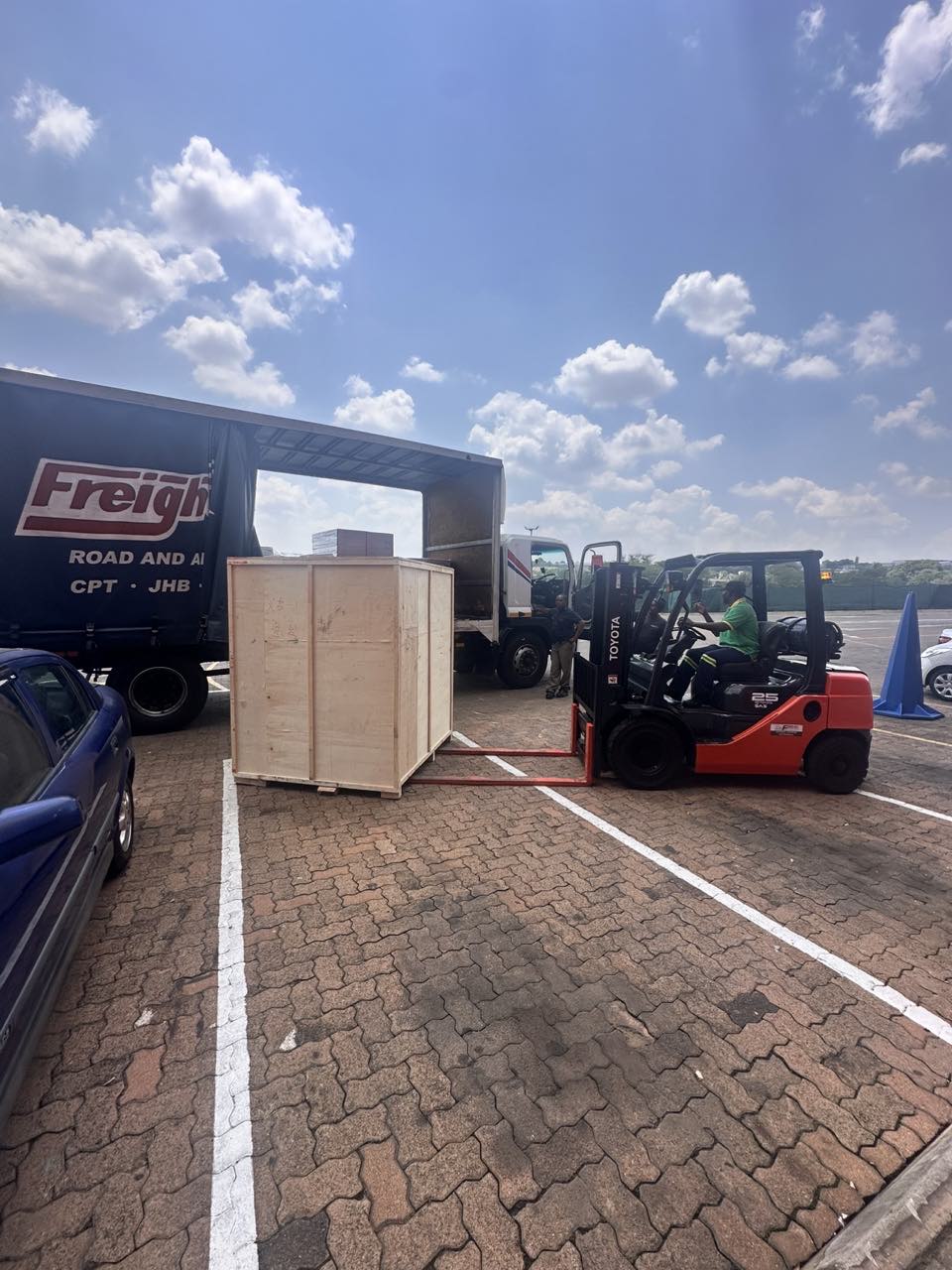
order collection
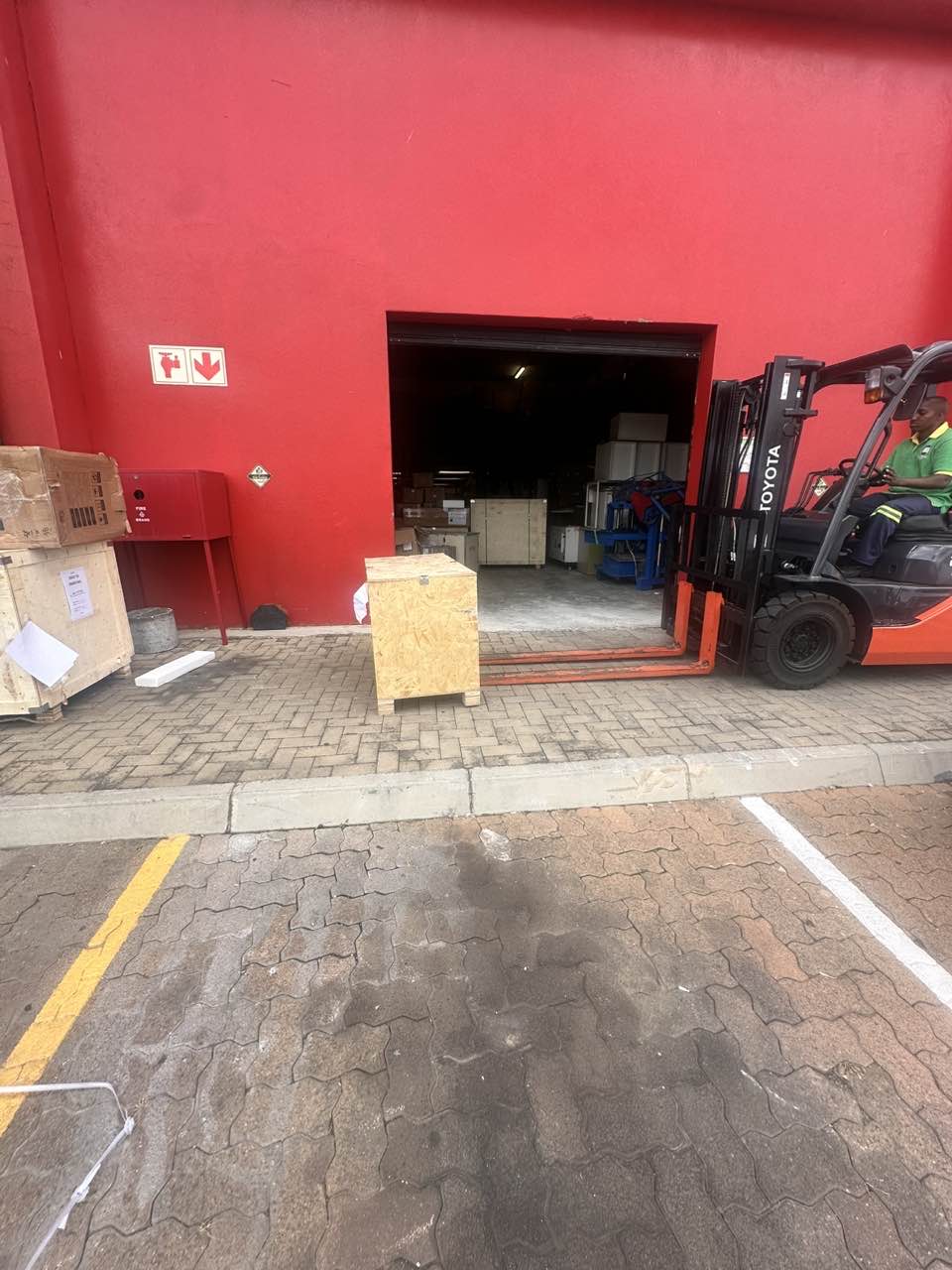
order offloading