B21, China Town Mall, Midrand


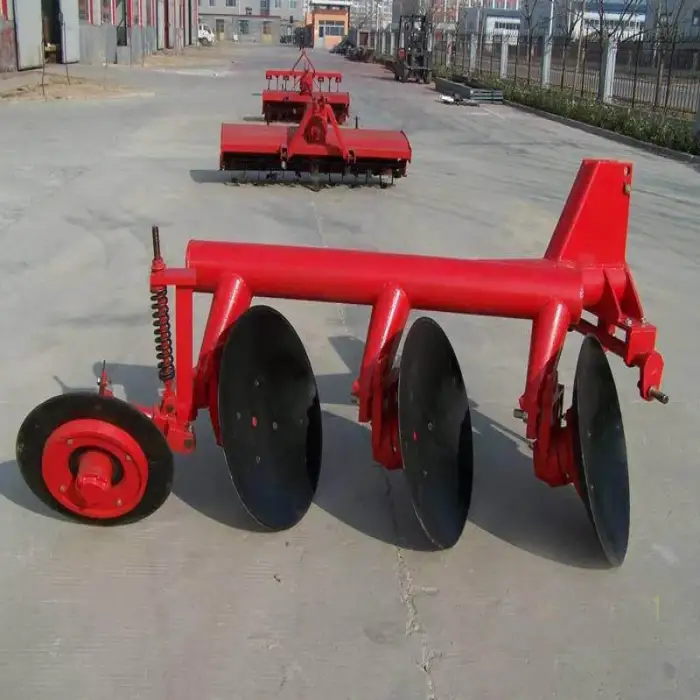
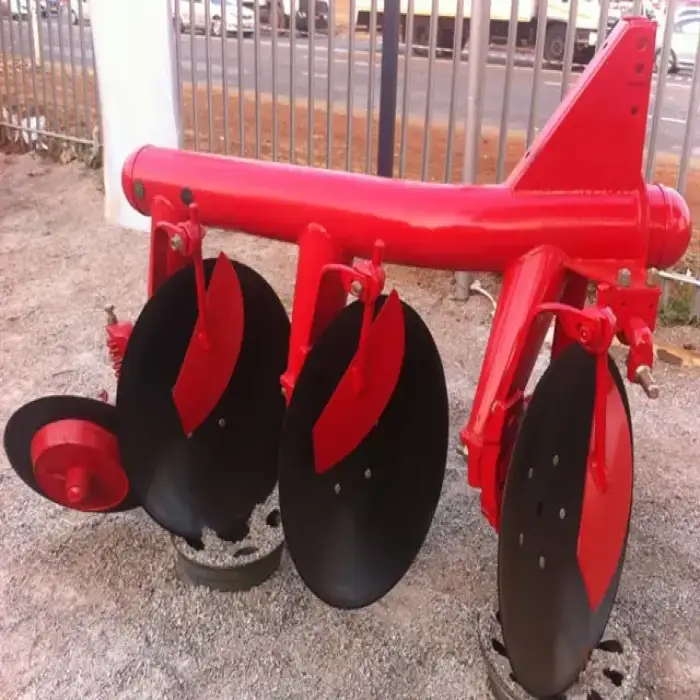
3 Disc Plough for 65hp-70hp Tractor Three Point Mounted

- Section : Machinery
- Category : Agriculture Machinery
- SKU : 1600563928976

3 Disc Plough for 65hp-70hp Tractor Three Point Mounted
The 3 disc plough for 65hp-70hp tractor is a powerful tool for farmers and gardeners. It makes ploughing easy and efficient. This plough is designed to be mounted on a tractor, providing excellent performance and reliability. Whether you are preparing your field for planting or breaking new ground, this plough is the right choice.
Specifications
| Attribute | Details |
|---|---|
| Model | 3 Disc Plough |
| Horsepower Requirement | 65hp - 70hp |
| Mounting Type | Three Point Mounted |
| Number of Discs | 3 |
| Weight | Varies by model |
Key Features
- Easy to attach and detach from the tractor.
- Durable construction for long-lasting use.
- Efficient ploughing with three discs.
- Designed for 65hp to 70hp tractors.
- Improves soil aeration and preparation.
Applications
- Ploughing fields for crops.
- Breaking new ground for gardens.
- Preparing soil for planting.
- Tilling land for better soil health.
- Mixing organic matter into the soil.
Product Info Gallery
- Shipping Timeframes: All orders are processed within 2-5 business days (excluding weekends and holidays). After your order has been processed, the estimated delivery time is before 03 Aug, 2026, depending on customs, Please note that due to high demand, some items may experience longer shipping times, which will be communicated at order confirmation email.
- Order Processing Time: Please allow 2-5 business days for us to process your order before it is shipped . Orders placed after 16:00 on Fridays, or during weekends and public holidays, will begin processing on the next business day. Processing times may be extended during peak seasons or sales events.
- Manufacturing Time: Some products needs manufacturing time, the manufacturing process will take approximately 10-30 business days depending on the product. This timeframe may vary depending on the complexity of the product and current demand. but this will be communicated with you during order confirmation.
- Returns and Exchanges: We offer a 30-day return policy for most items. If you are not completely satisfied with your purchase, you may return it within 30 days of receipt for a refund or exchange. Items must be unused, in their original packaging, and accompanied by proof of purchase. Return shipping costs are the responsibility of the customer, unless the item was damaged or defective upon arrival.
1. What tractors is the 3 Disc Plough compatible with?
The plough is designed for tractors rated between 65hp and 70hp and mounts to a standard rear three-point hitch. Confirm your tractor's hitch category and lifting capacity with the dealer to ensure full compatibility.
2. What does 'three point mounted' mean and how is the plough attached?
Three-point mounted means the implement attaches to the tractor's rear three-point linkage (upper link plus two lower lift arms). Attachment typically involves hitching the lower arms and top link, securing with pins, and adjusting the top link to set the working angle.
3. How many discs does the plough have and what are the benefits?
This model has three discs. Three discs provide a balance between working width and power demand, enabling efficient breaking of soil, good mixing of residues, and improved aeration while remaining suitable for 65–70hp tractors.
4. What is the required tractor horsepower and why is it specified as 65hp–70hp?
The plough is recommended for tractors in the 65–70hp range to ensure the tractor can provide adequate draft and hydraulic lift for consistent performance. Using a lower-powered tractor may reduce efficiency and increase wear; a higher-powered tractor is acceptable but may change working dynamics.
5. What is the working width and ploughing depth of this implement?
Working width and maximum depth vary by specific model and disc diameter. Exact figures are provided on the product spec sheet—contact the seller for your model's working width and recommended depth settings. Depth is adjusted via the top link and lower link geometry.
6. What materials are the discs and frame made from, and are they durable?
Discs and frame are typically made from high-strength steel with heat-treated or tempered discs for wear resistance. The unit is built for durable, long-lasting field use, but confirm coating or treatment details with the supplier for corrosion resistance.
7. How do I maintain the 3 Disc Plough for long life?
Regular maintenance includes cleaning after use, checking and tightening bolts/pins, greasing any lubrication points, inspecting discs for wear or cracks, replacing worn blades, and storing under cover to reduce corrosion. Follow the manufacturer's maintenance schedule if provided.
8. Are replacement parts (discs, bolts, pins) available?
Most manufacturers and dealers provide replacement discs, bolts, and pins. Check with the seller or authorized service center to confirm availability for your exact model and to order spare parts.
9. Is this plough suitable for all soil types?
The plough works well on a wide range of soils, including loam and medium to heavy soils. Performance will vary with very rocky, extremely stony or highly compacted soils—conduct a trial pass and consult the dealer for recommended settings or a different implement if conditions are extreme.
10. What safety precautions should I follow when using this plough?
Always read and follow the operator's instructions. Ensure the tractor is off and parking brake engaged when hitching or adjusting. Use proper pins and safety clips, avoid standing between implement and tractor during hitching, keep bystanders clear while operating, and use appropriate transport locks or securement during road moves.
11. How do I transport and store the plough when not in use?
For transport, raise the plough to transport height, secure all pins and locking devices, and use warning signs/lights if transporting on public roads. Store in a dry, covered location if possible, and place on blocks to relieve stress on bearings and hardware.
12. Will using this plough improve soil health?
Yes — when used correctly, the plough helps break compacted layers, mix in residues or organic matter, and improve aeration and seedbed preparation. Proper depth and timing are important to avoid over-ploughing and to maintain long-term soil structure.
13. What is the approximate weight of the 3 Disc Plough?
Weight varies by model and specific configuration; the product description notes 'varies by model.' Contact the seller for the exact weight for the model you are considering to confirm tractor lift capacity and transport requirements.
14. What is the recommended operating speed and fuel impact?
Operating speed depends on soil conditions and desired finish; typical field speeds are moderate (walk-behind to moderate tractor speeds). Fuel consumption depends on tractor efficiency, soil resistance, depth and speed—expect higher draw in tougher soils. Start with conservative depth and speed, then adjust.
15. How do I order or get more detailed specifications, warranty and pricing?
Contact the supplier or dealer listed with the product for detailed specifications, warranty terms, pricing, lead times and local service options. Ask for the model's spec sheet and any available customer support or service network information.
Latest Order Arrivals
Discover our latest orders
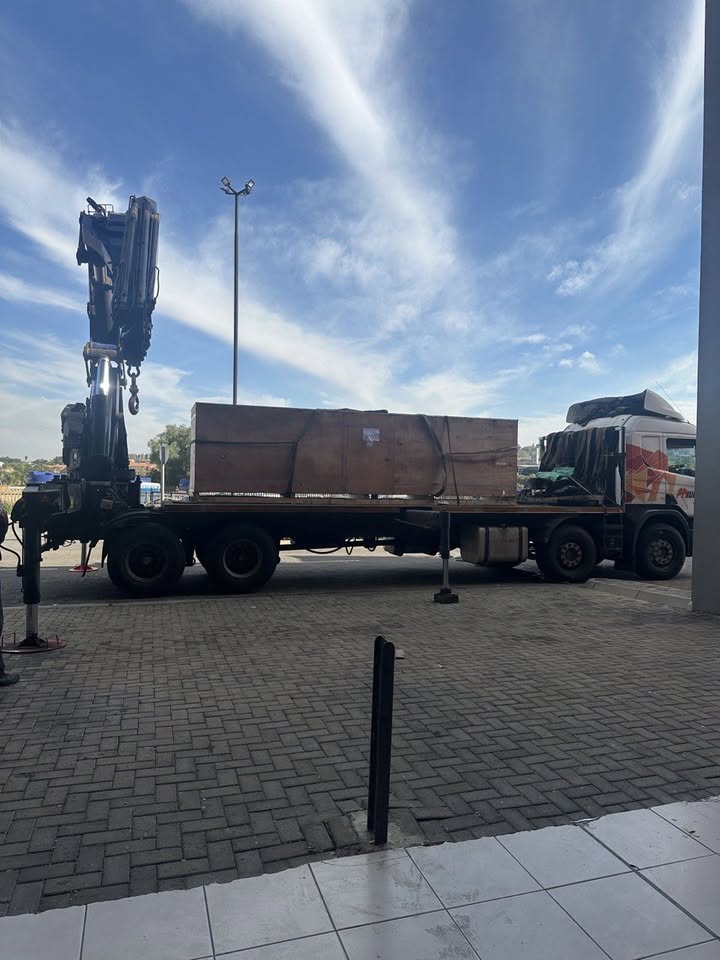
12 Heads Embroidery Machine
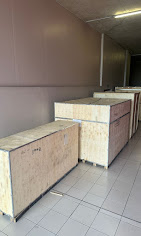
Toilet Paper Machine Machine
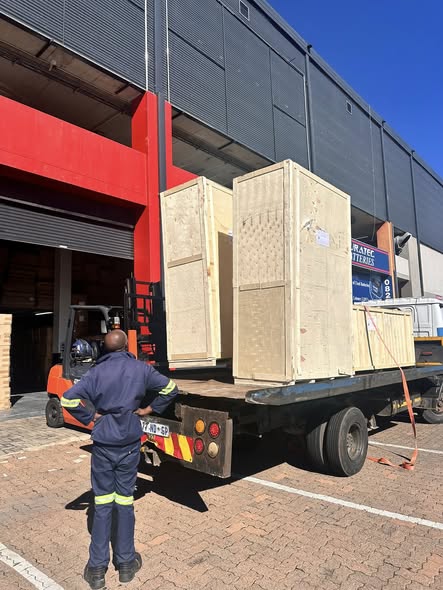
Order Collection
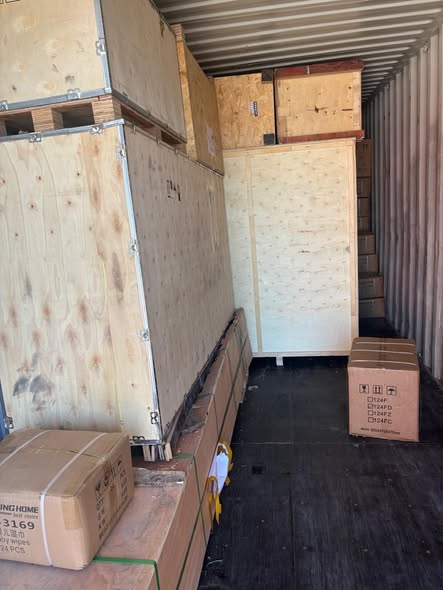
Cross Border Clients
Order cros border countries Collected
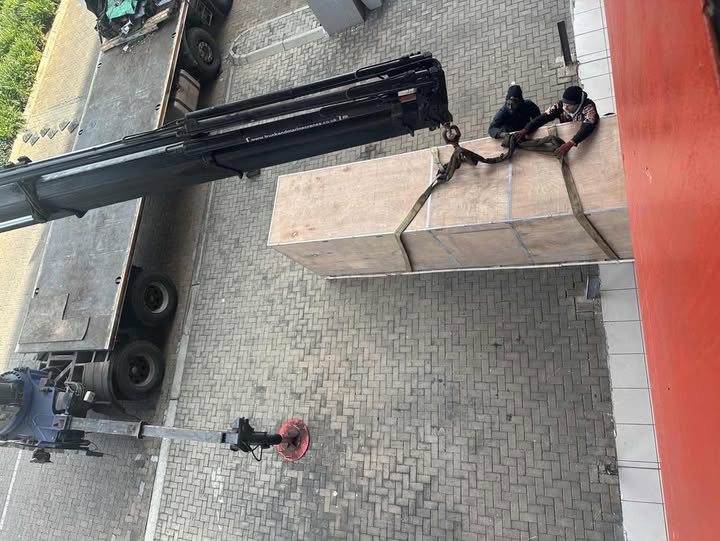
Industrial Machine Cllection
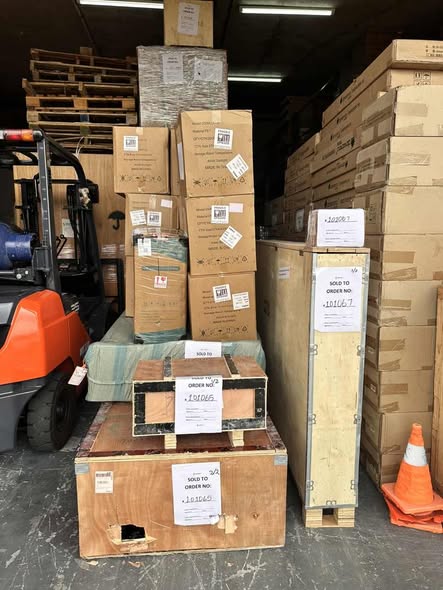
Agriculture Processing Machines
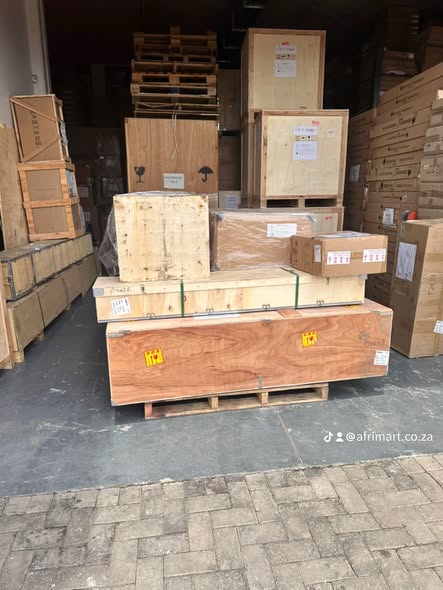
Ready for collection
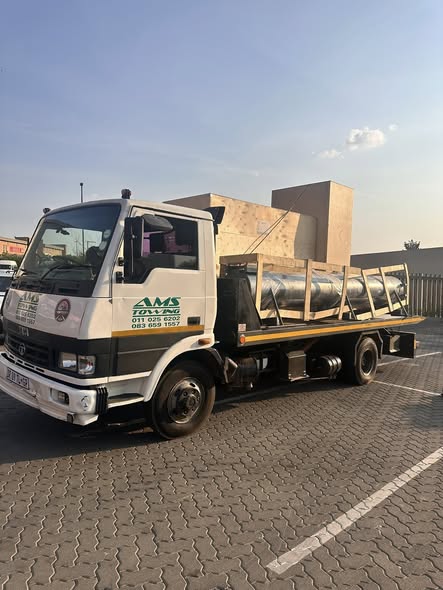
Water Pump Equipment
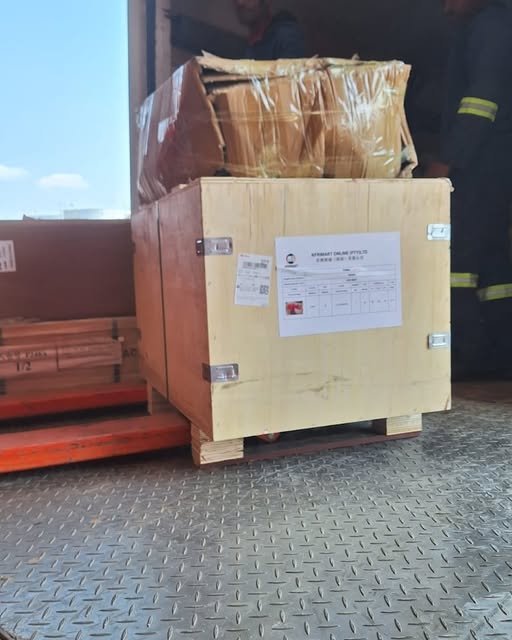
Packaging Machine and accessories
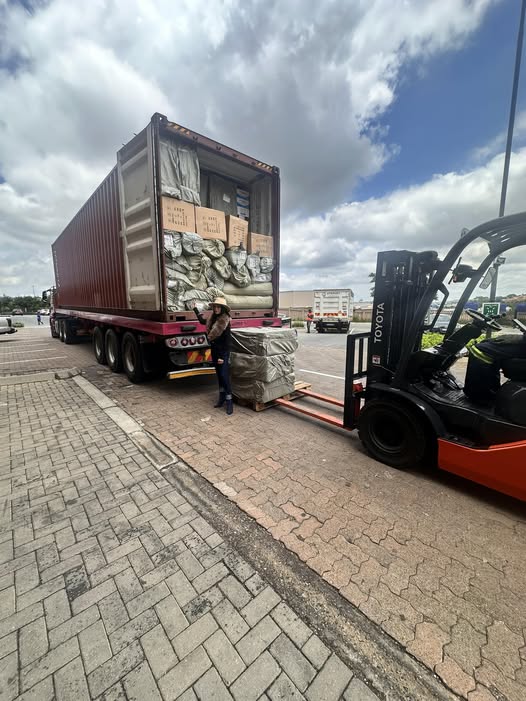
Fabrics Manufacturing Equipment
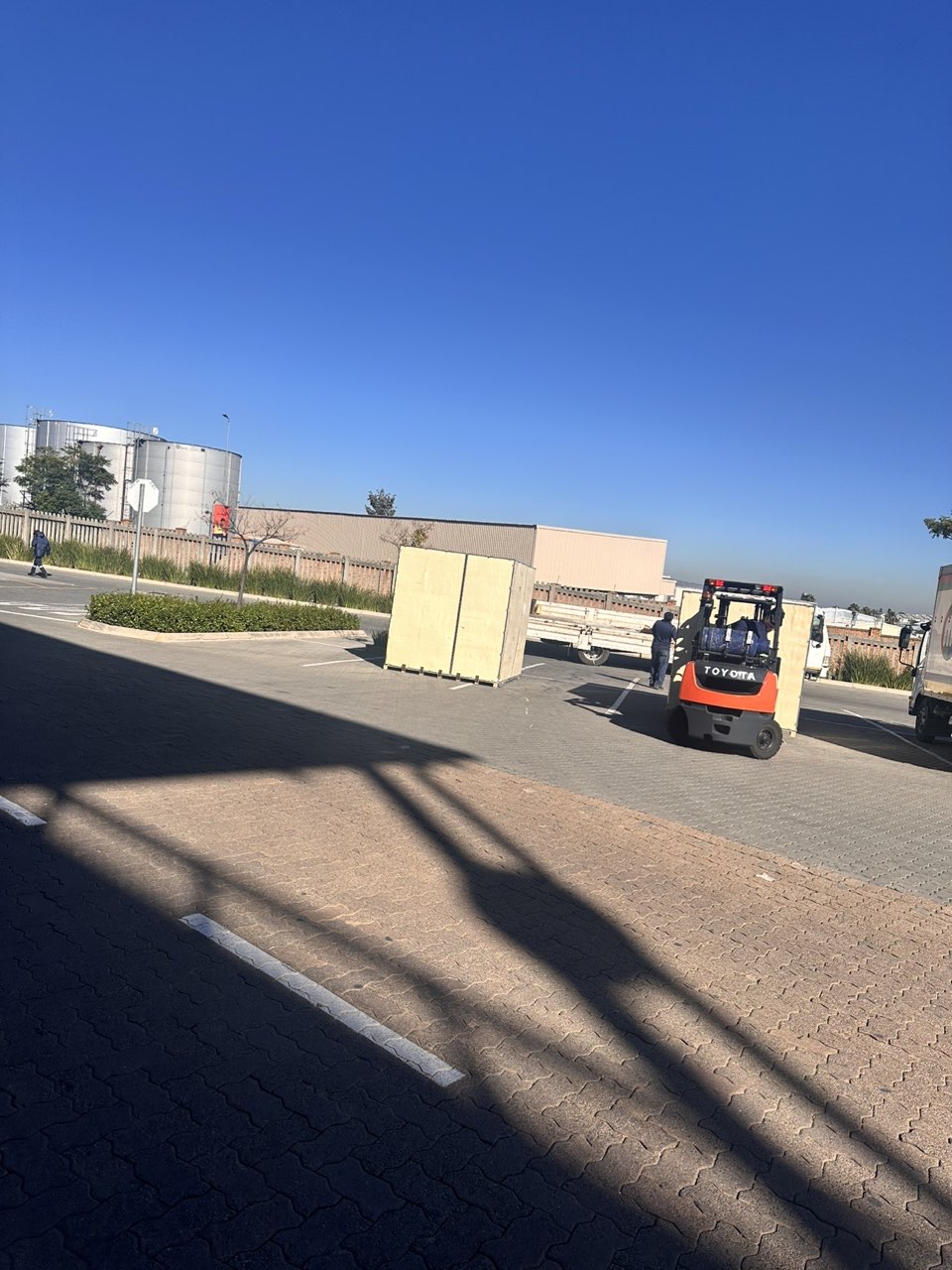
Mining Equipments
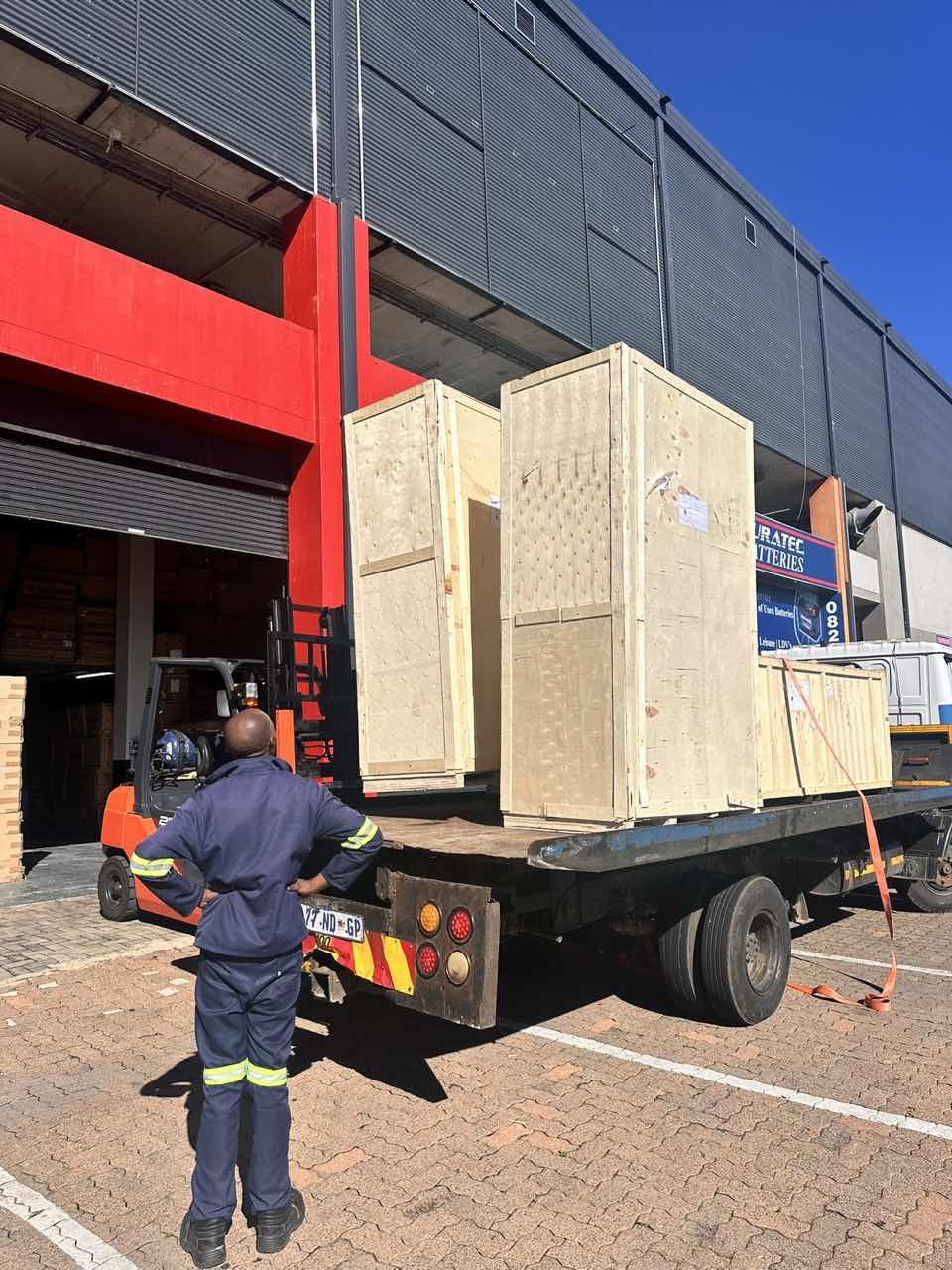
Food Processing Machine
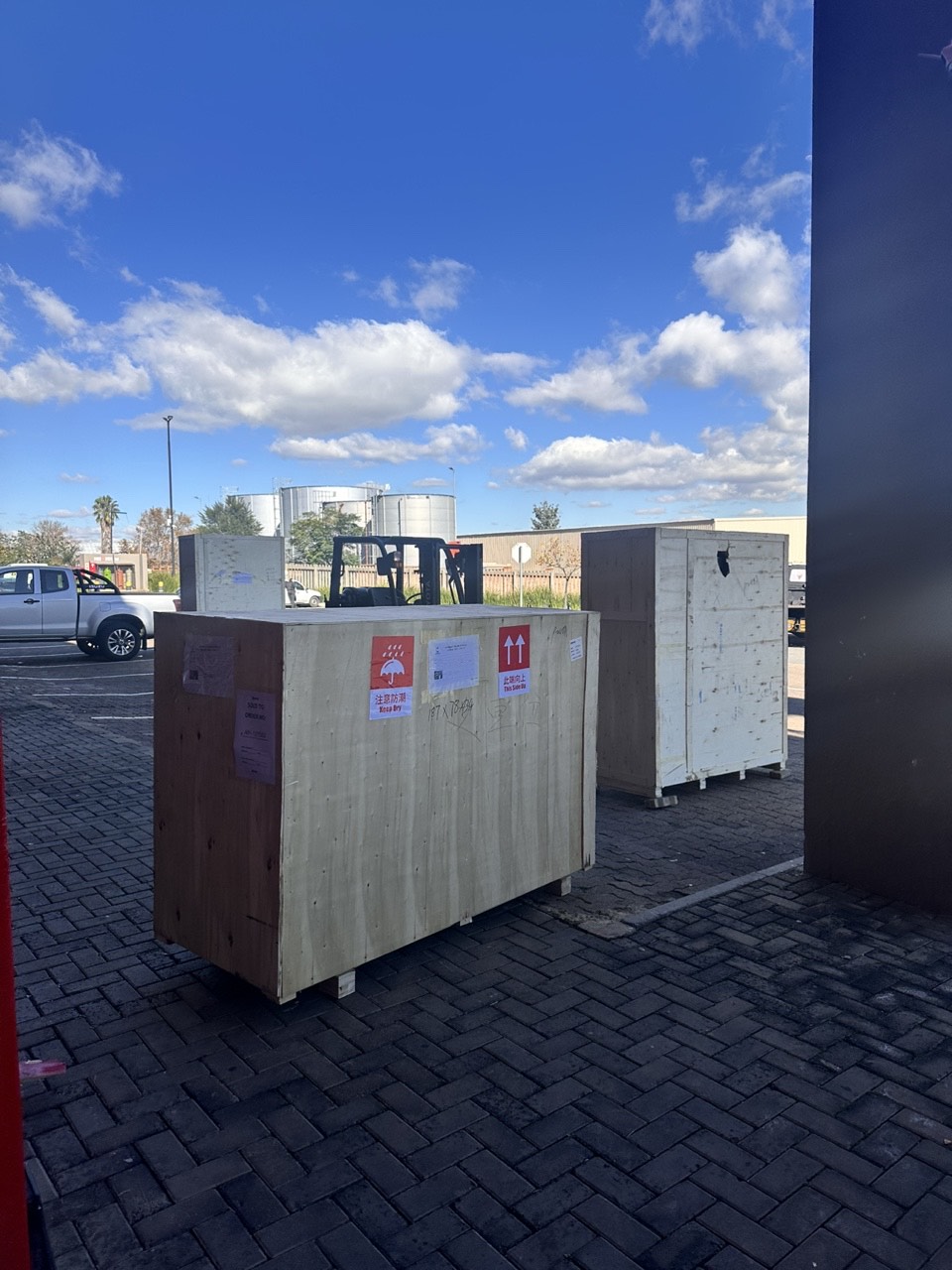
Batch of Orders
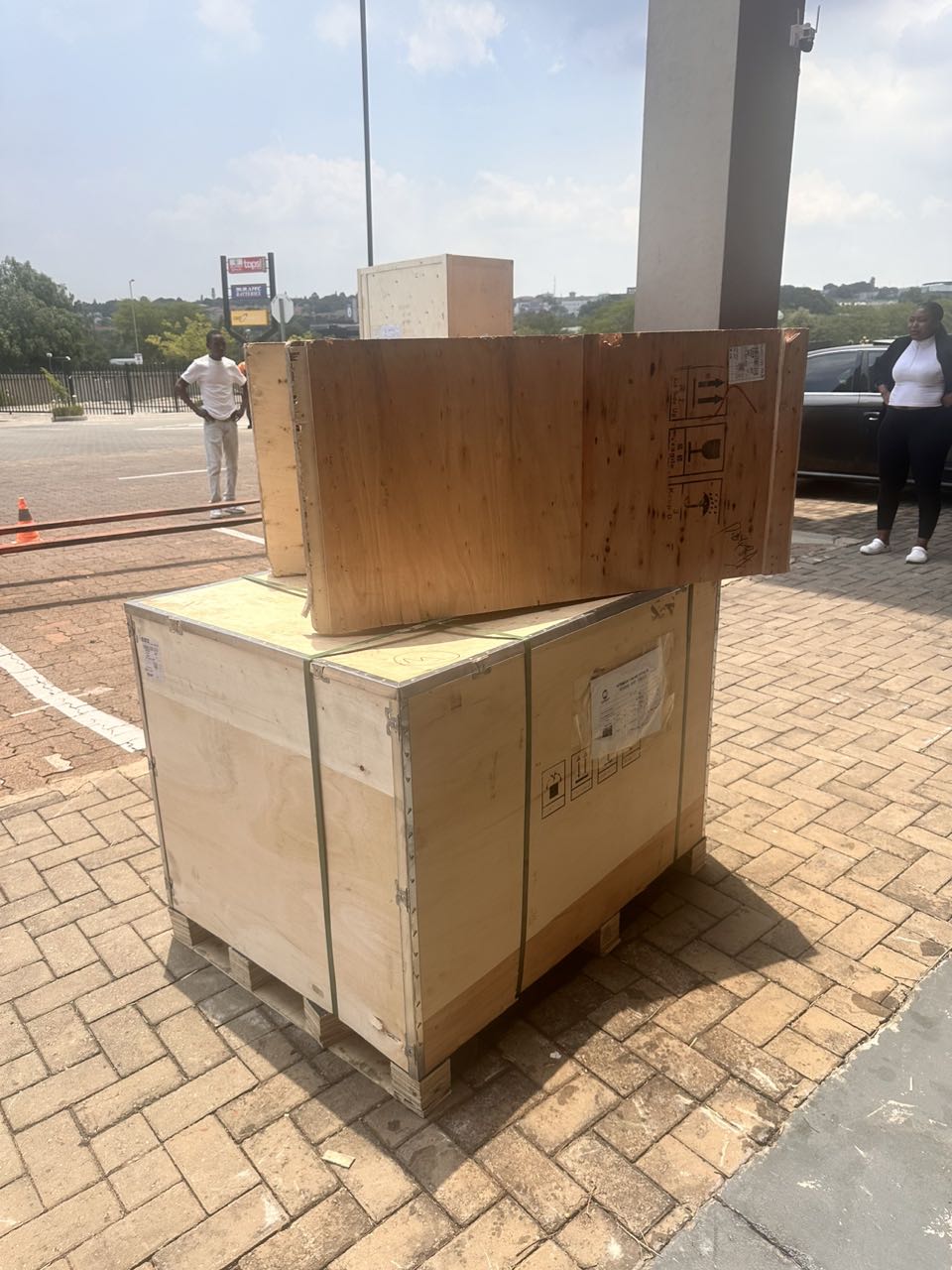
Batch of Orders
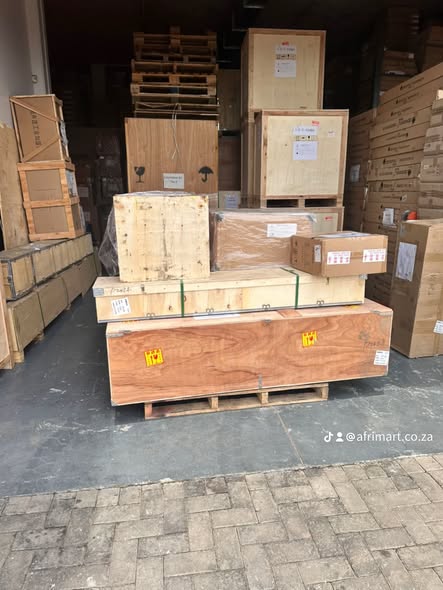
Latest Orders Labelled
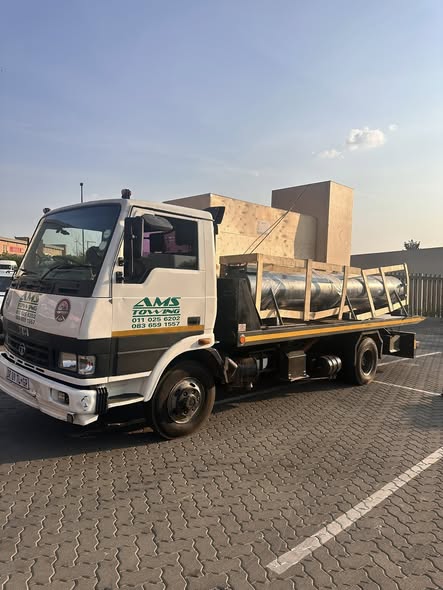
wheel alignment machines
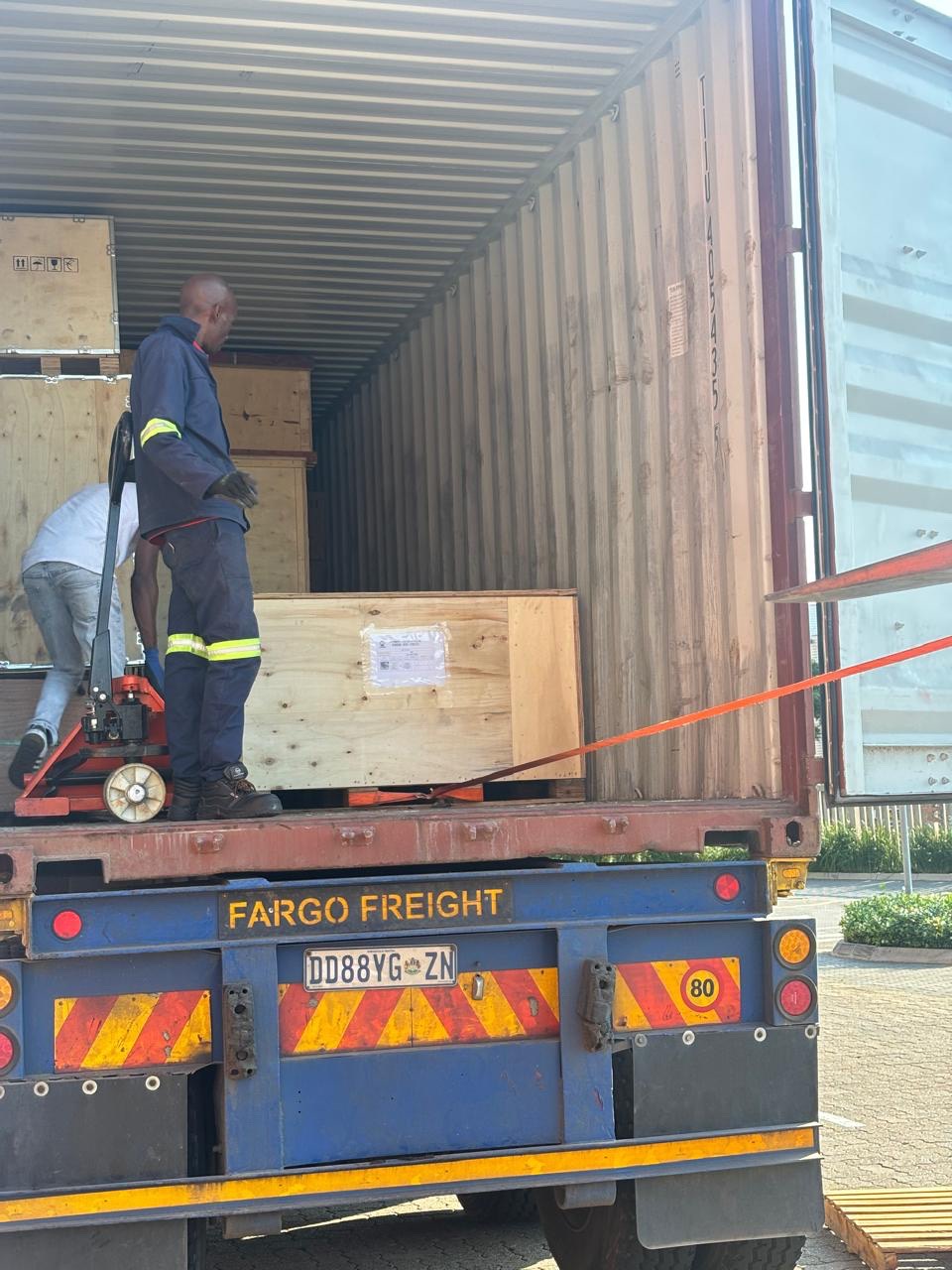
new arrivals
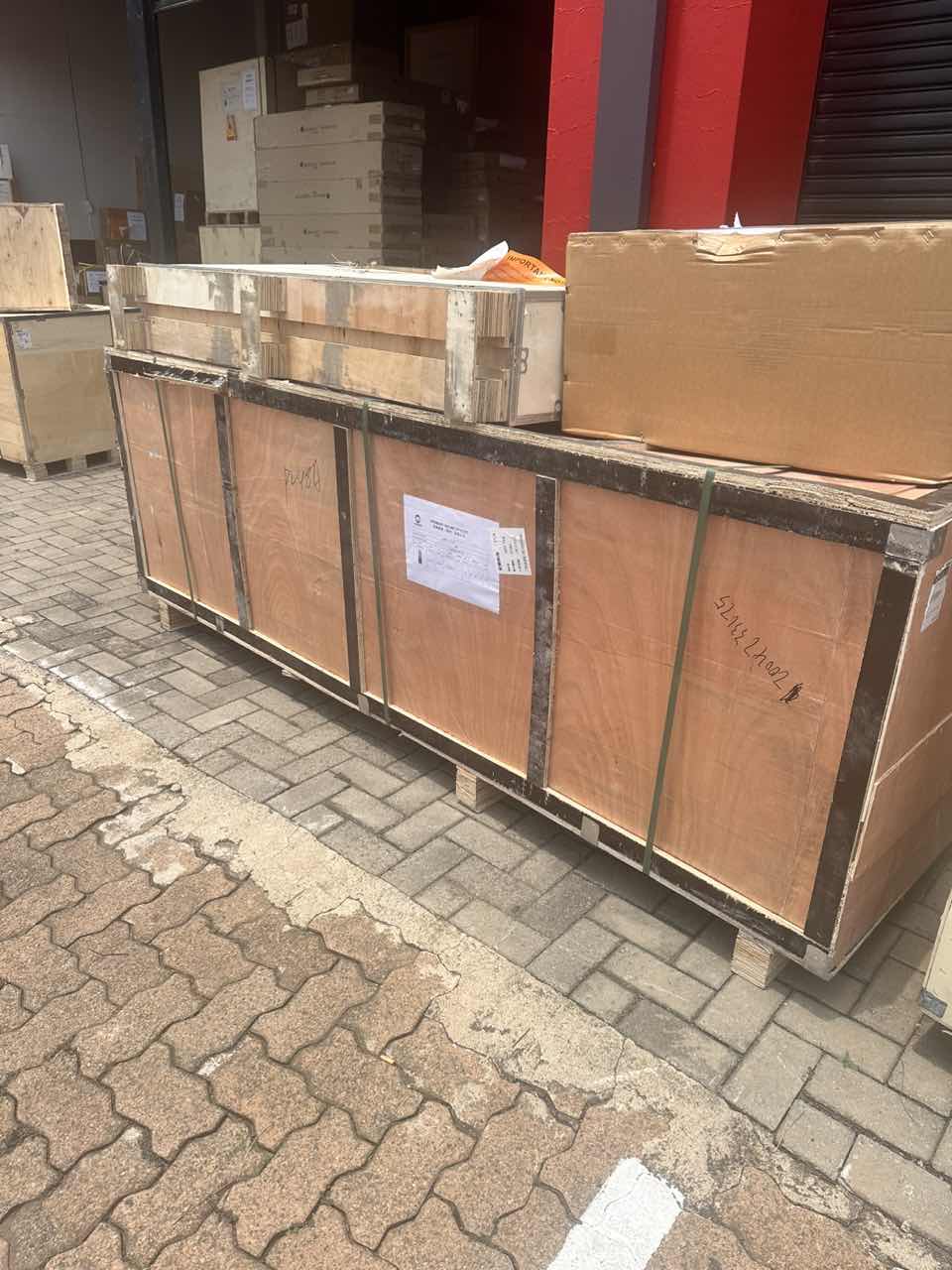
Pre Orders Offloading
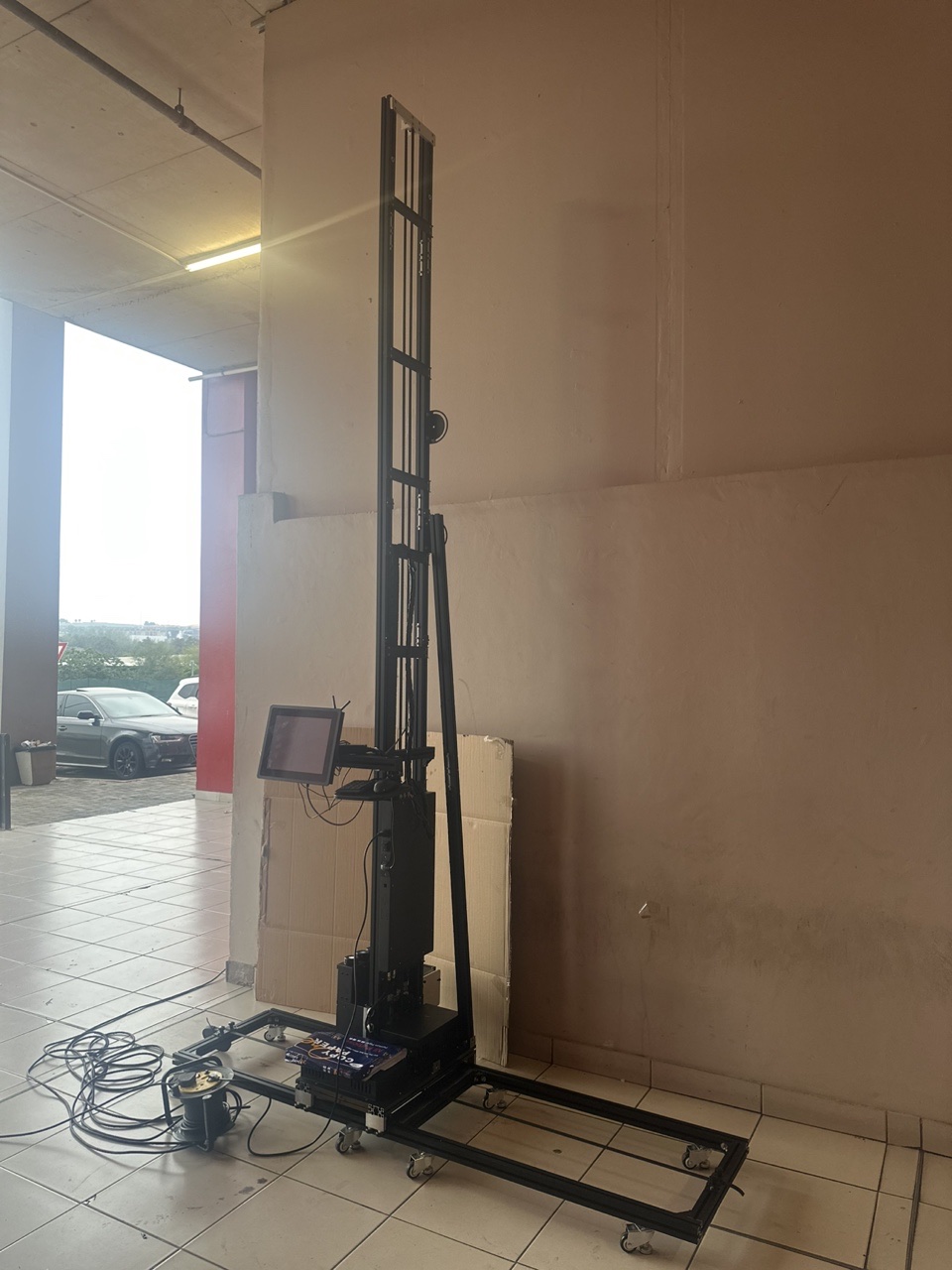
Latest Arrivals
Latest Arrivals
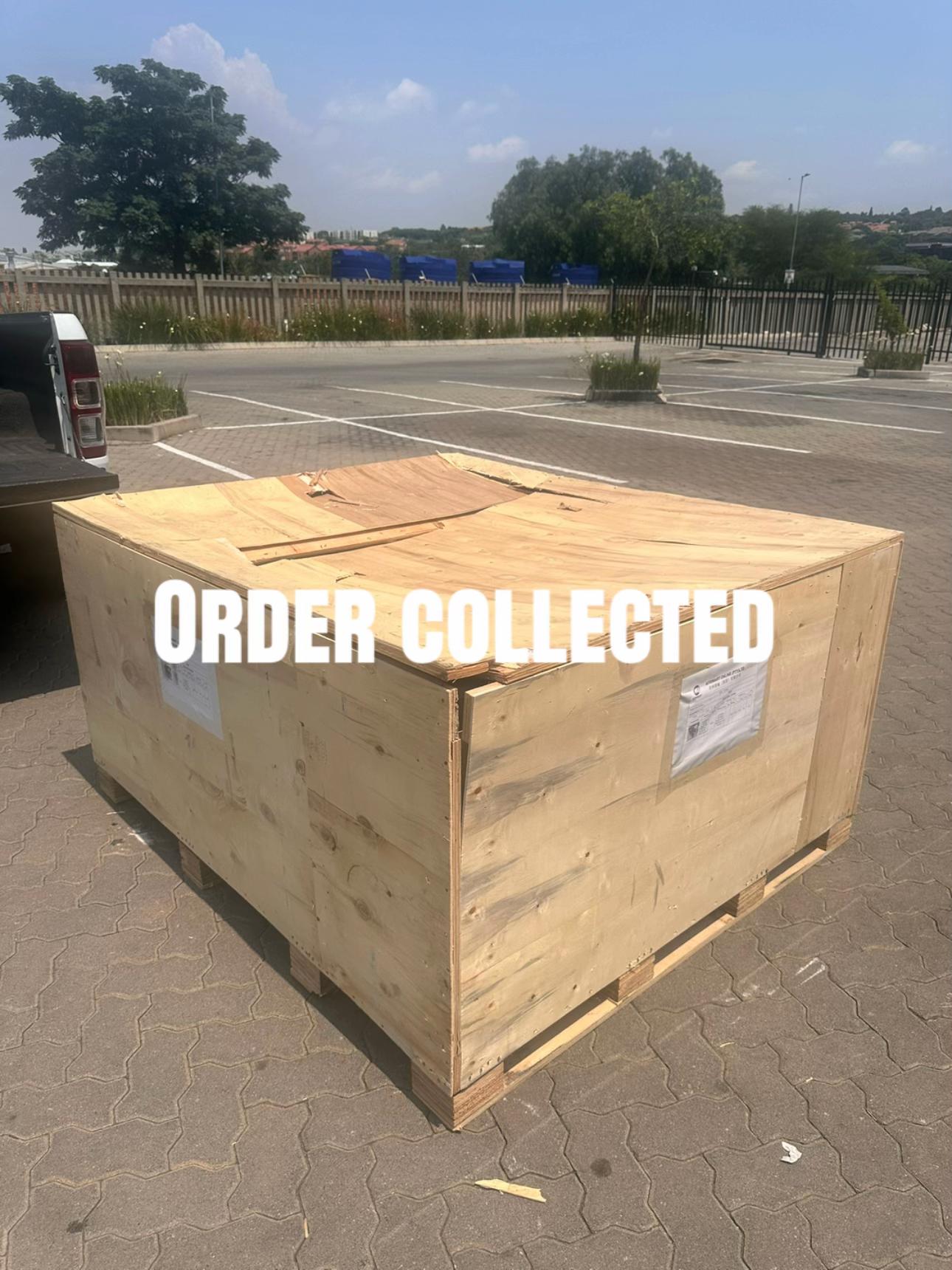
Latest Arrivals
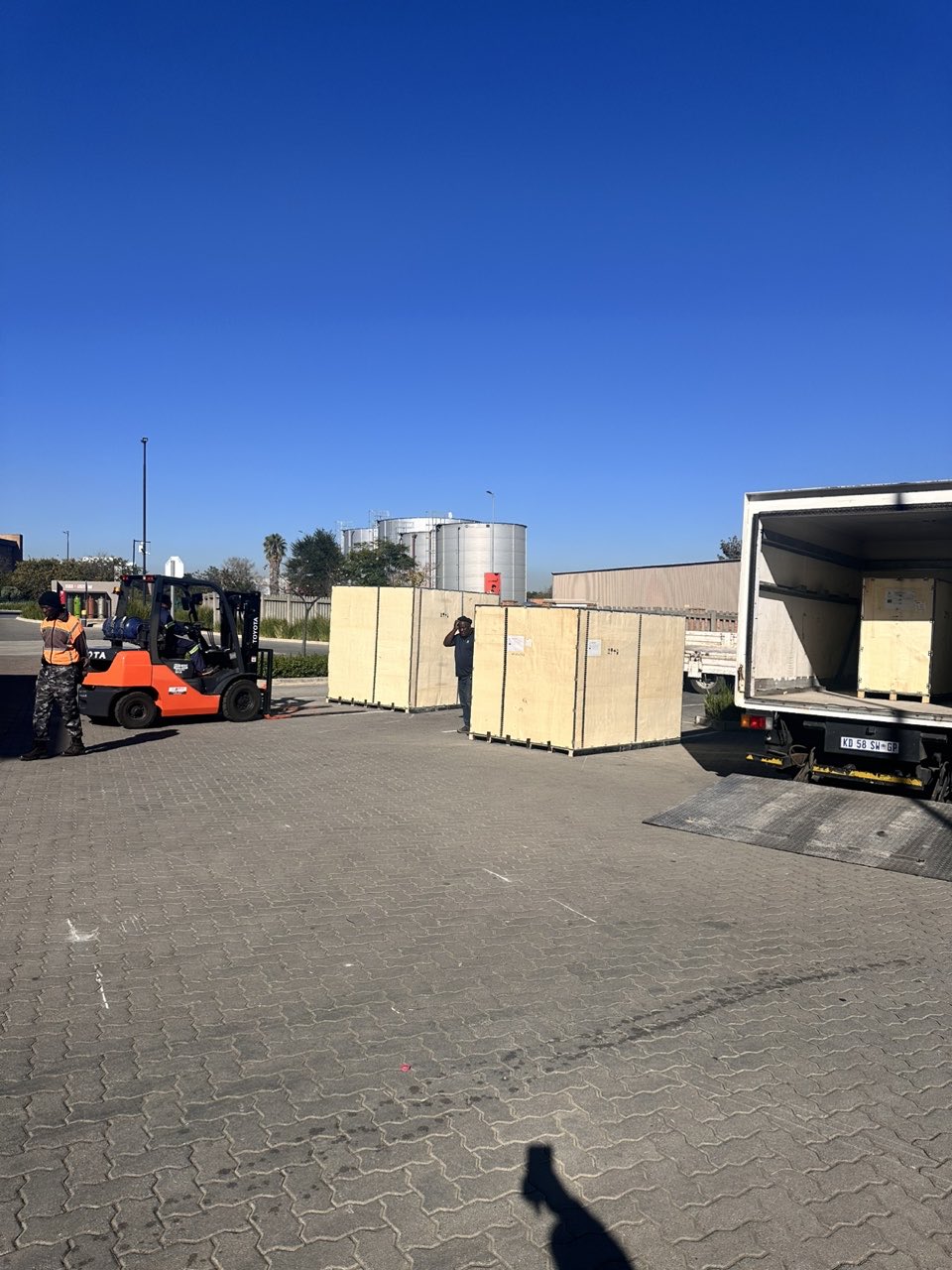
Loading
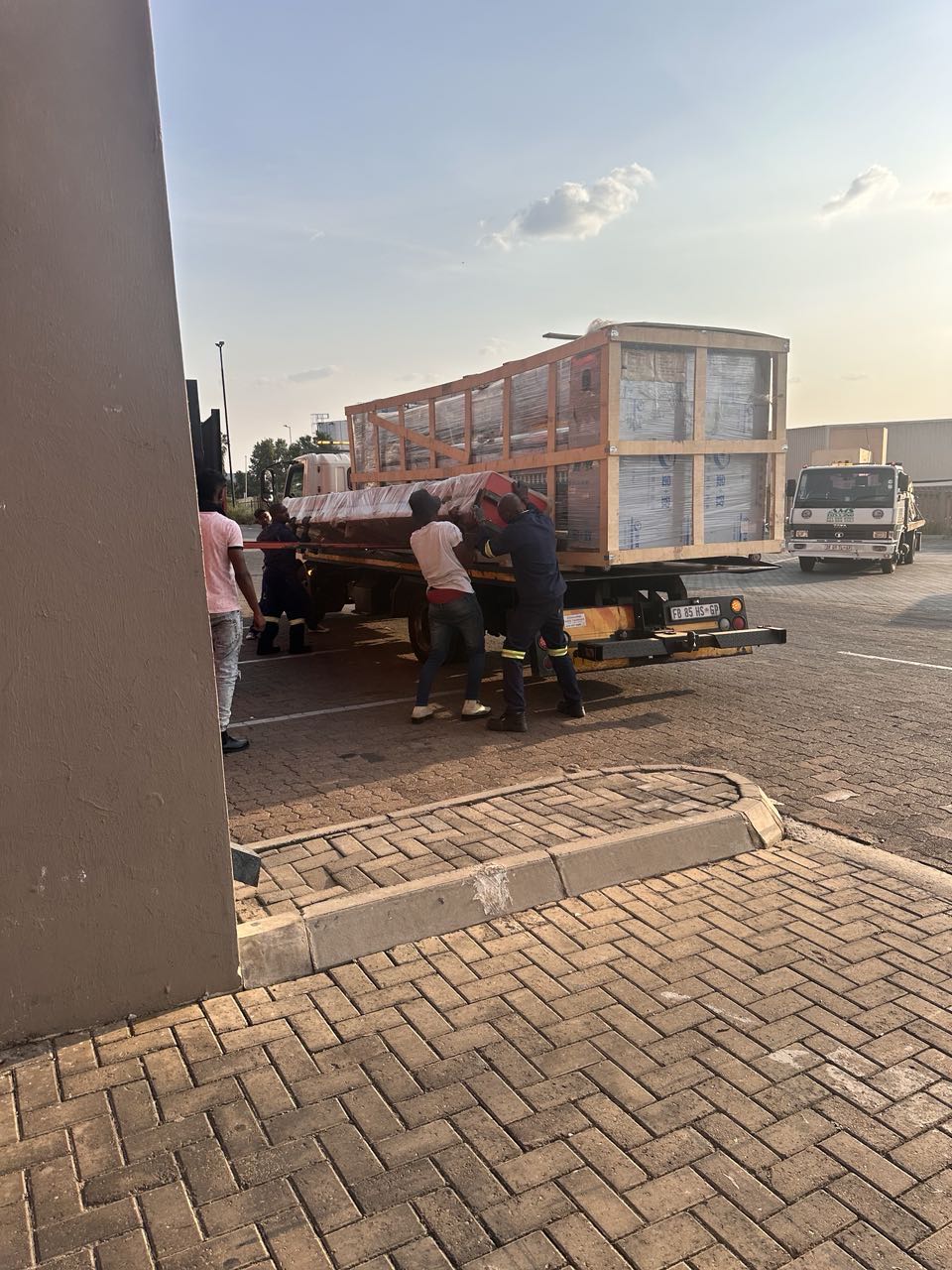
Toilet paper making machine
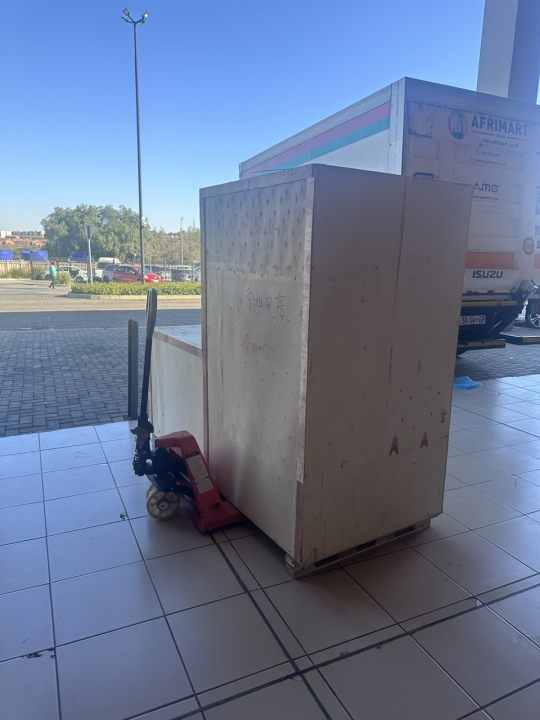
Toilet paper making machine
Toilet paper Rewinding Machine
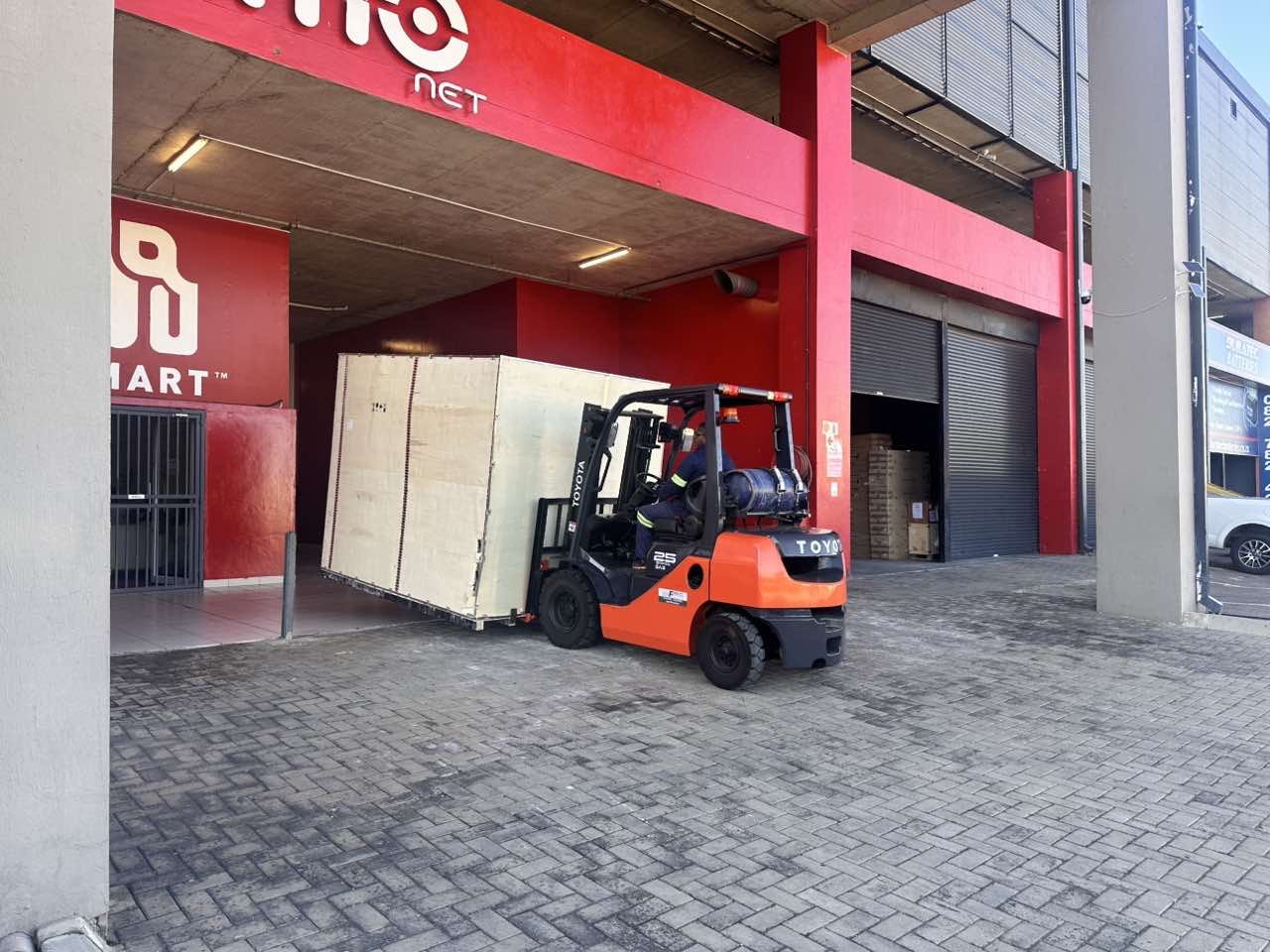
latest arrivals
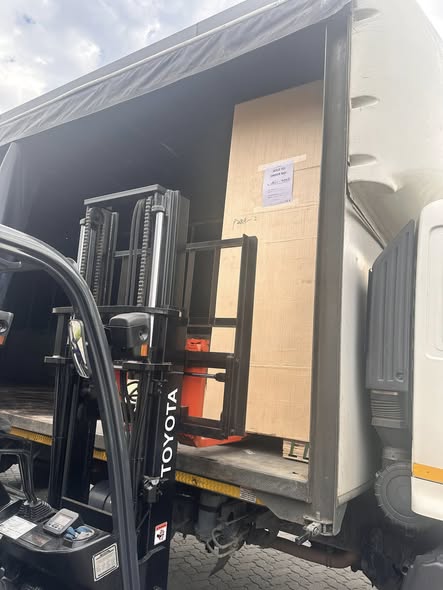
offloading
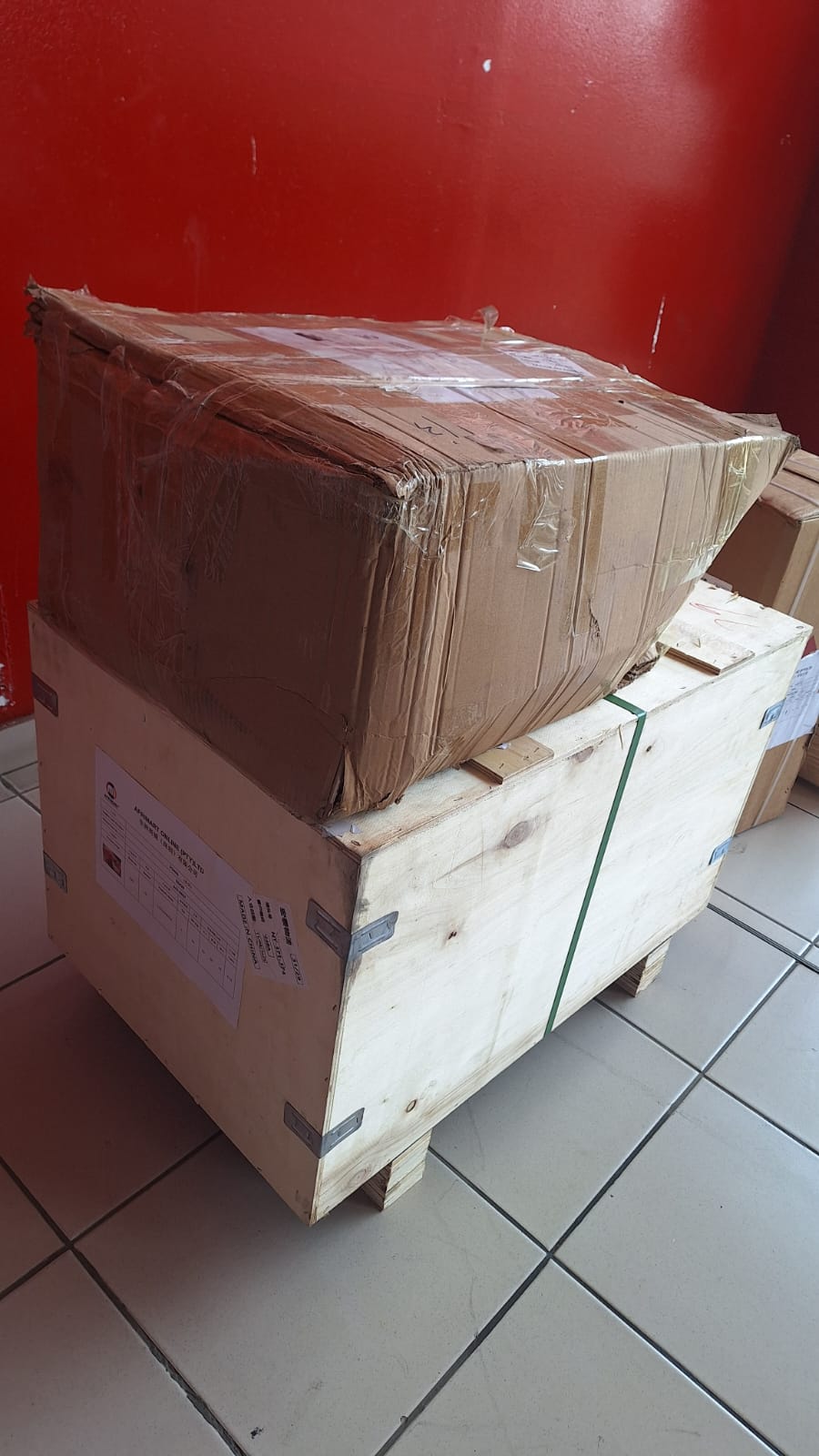
order success
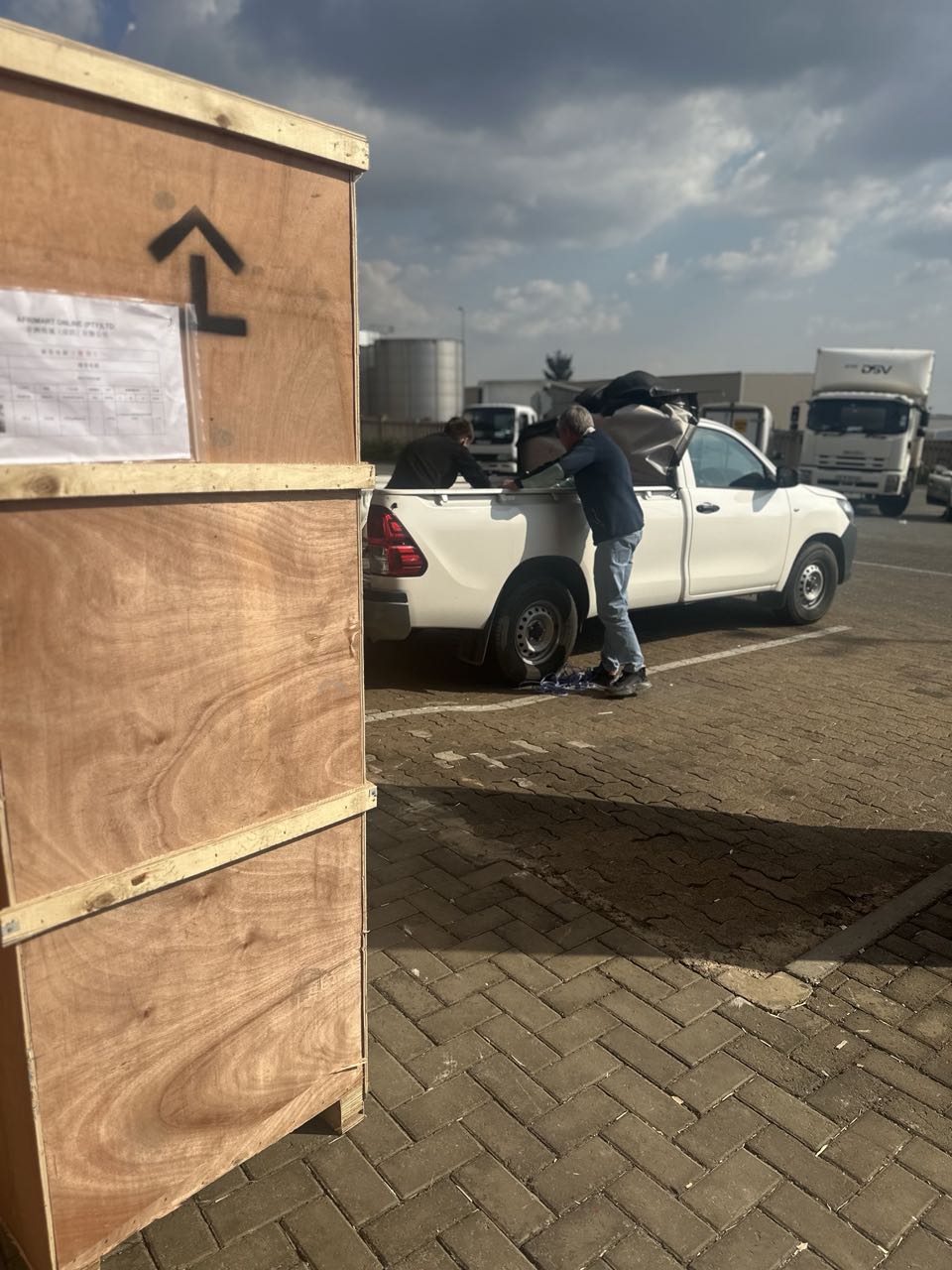
order collection
order offloading