B21, China Town Mall, Midrand

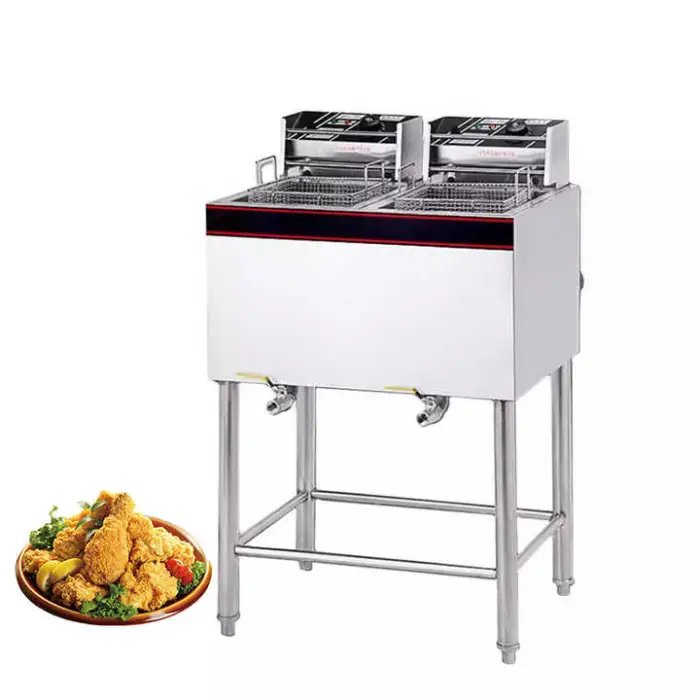
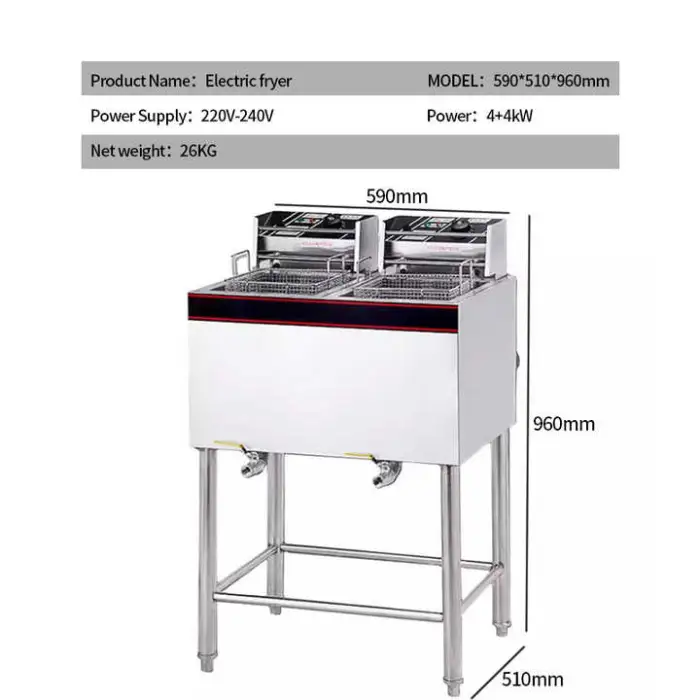

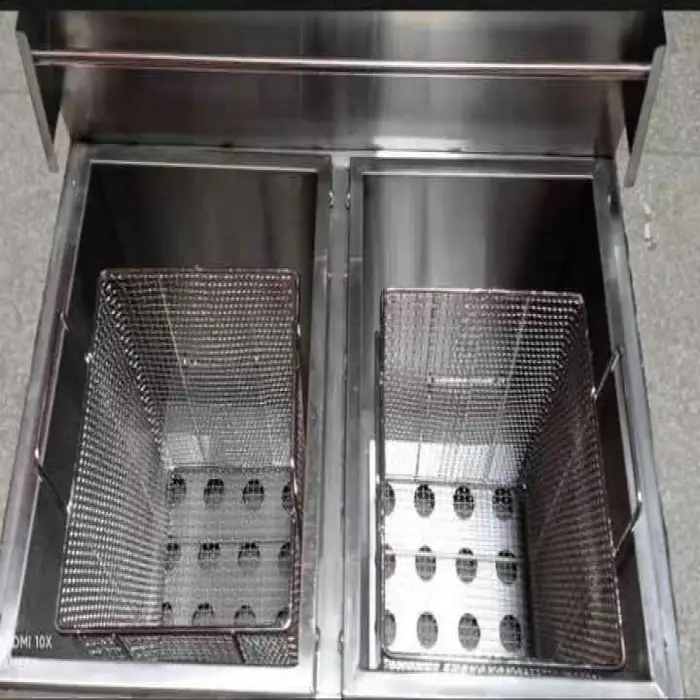
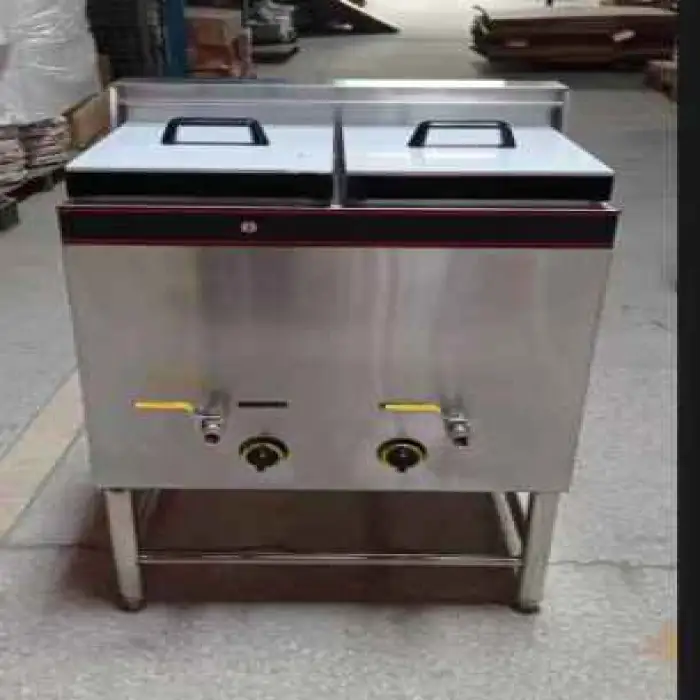
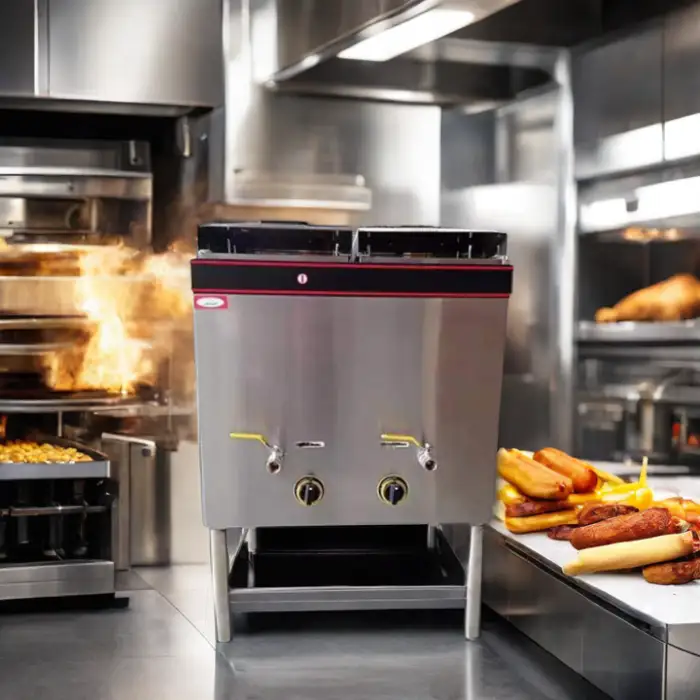
28L Commercial Automatic Electric Fryer Stainless Steel Vertical Fried Food Equipment, Chicken and French Fry Fryer

- Section : Machinery
- Category : Fryers
- SKU : 1600866004440

28L Commercial Automatic Electric Fryer Stainless Steel Vertical Fried Food Equipment
This 28L Commercial Automatic Electric Fryer is perfect for frying chicken, french fries, and other delicious foods. Made from high-quality stainless steel, it is durable and easy to clean. With its powerful electric operation, this fryer can handle large volumes of food, making it ideal for restaurants and food trucks. Enjoy crispy, golden fried food with ease!
Specifications
| Attribute | Details |
|---|---|
| Power Source | Electric |
| Condition | New |
| Capacity | 25L |
| Power (W) | 4 + 4 kW |
| Weight | 23 KG |
| Voltage | 220V-240V |
| Dimensions (L*W*H) | 590*510*960 mm |
| Function | Fry Food |
| Body Material | Stainless Steel |
Key Features
- Large 28L capacity for high-volume cooking
- Stainless steel body for durability and easy cleaning
- Powerful 4 + 4 kW electric heating
- Compact dimensions suitable for various kitchen spaces
- Easy to operate with automatic functions
Applications
- Restaurants and cafes for frying various foods
- Food trucks and catering services
- Commercial kitchens needing efficient frying solutions
- Fast food establishments for quick meal preparation
- Events and parties requiring large quantities of fried foods
Product Info Gallery
- Shipping Timeframes: All orders are processed within 2-5 business days (excluding weekends and holidays). After your order has been processed, the estimated delivery time is before 18 Mar, 2026, depending on customs, Please note that due to high demand, some items may experience longer shipping times, which will be communicated at order confirmation email.
- Order Processing Time: Please allow 2-5 business days for us to process your order before it is shipped . Orders placed after 16:00 on Fridays, or during weekends and public holidays, will begin processing on the next business day. Processing times may be extended during peak seasons or sales events.
- Manufacturing Time: Some products needs manufacturing time, the manufacturing process will take approximately 10-30 business days depending on the product. This timeframe may vary depending on the complexity of the product and current demand. but this will be communicated with you during order confirmation.
- Returns and Exchanges: We offer a 30-day return policy for most items. If you are not completely satisfied with your purchase, you may return it within 30 days of receipt for a refund or exchange. Items must be unused, in their original packaging, and accompanied by proof of purchase. Return shipping costs are the responsibility of the customer, unless the item was damaged or defective upon arrival.
1. What is the actual oil capacity — the product name says 28L but the specs list 25L?
The listing name advertises 28L while the specification sheet lists a 25L capacity. Typically this means a nominal/gross tank volume (28L) versus the recommended working or usable oil fill level (25L). Please confirm the exact usable oil capacity with the seller or check the product manual before first use.
2. What power supply and electrical circuit does this fryer require?
The fryer is rated for 220–240V and has 4 + 4 kW heating (total up to 8 kW). Expect a high‑amp dedicated circuit — typically in the 32–40A range — and a qualified electrician should install a proper breaker, wiring and grounding to meet local codes.
3. What does 'automatic' mean for this fryer?
‘Automatic’ generally refers to features that control temperature and frying cycles to maintain consistent heat and reduce manual adjustments. Exact automatic features (timers, thermostats, auto-lift baskets) vary by model — check the product manual or ask the seller for a feature list for this unit.
4. Is the fryer suitable for commercial use in restaurants and food trucks?
Yes — it is designed as a commercial electric fryer with a stainless steel body and a large-capacity tank suitable for restaurants, food trucks, catering and other high-volume foodservice environments.
5. What size and space should I allow for installation?
The unit dimensions are 590 x 510 x 960 mm (L x W x H). Allow additional clearance around the fryer for ventilation, service access and safe operation — typically at least several inches on each side and above. Also plan space for oil handling and basket operation.
6. What safety precautions should I follow when using this fryer?
Use a dedicated grounded circuit, keep the fryer on a stable, heat‑resistant surface, do not overfill with oil, maintain proper oil level, avoid water contact with hot oil, use heat‑resistant gloves and tools, ensure adequate ventilation, and follow all local fire and safety codes. Have a suitable fire extinguisher (Class K for kitchens) available.
7. What type of oil is recommended for this fryer?
Use high smoke‑point frying oils such as refined peanut, canola, sunflower, or blended vegetable oils. Avoid extra‑virgin olive oil for deep frying due to its low smoke point and strong flavor. Regular oil filtration and replacement based on food type and usage are recommended.
8. How do I clean and maintain the fryer?
Turn off and disconnect power, allow oil to cool, drain and filter oil, remove baskets and components, clean the stainless steel surfaces with mild detergent and warm water, avoid abrasive cleaners, and dry thoroughly. Perform regular element and thermostat checks and filter oil daily to extend oil life.
9. How often should I change or filter the frying oil?
Filter oil daily during commercial service to remove crumbs and particles. Replace oil based on food type, usage frequency and oil quality; heavy use or breaded foods may require more frequent replacements (weekly or sooner). Monitor oil color, odor and foaming as indicators it’s time to replace.
10. Are baskets or accessories included with the fryer?
Included accessories vary by seller or package. Many commercial units come with one or more baskets and a drain tool, but confirm the exact accessories included with your purchase or order spare baskets if needed.
11. What should I do if the fryer doesn't reach temperature or won't heat?
First verify proper power supply and that the unit is plugged into a dedicated 220–240V circuit. Check the thermostat setting and any safety cutouts. If electrical supply is correct and the unit still won’t heat, contact the seller or an authorized service technician — do not attempt internal repairs unless qualified.
12. Is the fryer certified for commercial safety standards (CE, UL, etc.)?
Certifications depend on the specific model and market. Ask the seller for certificates such as CE, ETL or local approvals applicable to your region before purchasing to ensure compliance with local safety and health regulations.
13. What is the expected preheat time and production throughput?
Preheat time depends on ambient conditions and oil volume; commercial electric fryers of this size commonly take 15–30 minutes to reach frying temperature. Throughput (batches per hour) depends on basket size, portion sizes and cooking times for the food being prepared.
14. How heavy is the unit and can it be moved easily?
The fryer weighs about 23 kg. It’s portable for repositioning by two people but still relatively heavy; use care when moving, and avoid dragging — lift with assistance and protect the stainless steel surfaces.
15. What warranty and spare parts options are available?
Warranty coverage and spare parts availability vary by seller and region. Check the product listing or contact the vendor for details on warranty length, what it covers, and how to order replacement elements, thermostats, baskets or other parts.
Latest Order Arrivals
Discover our latest orders
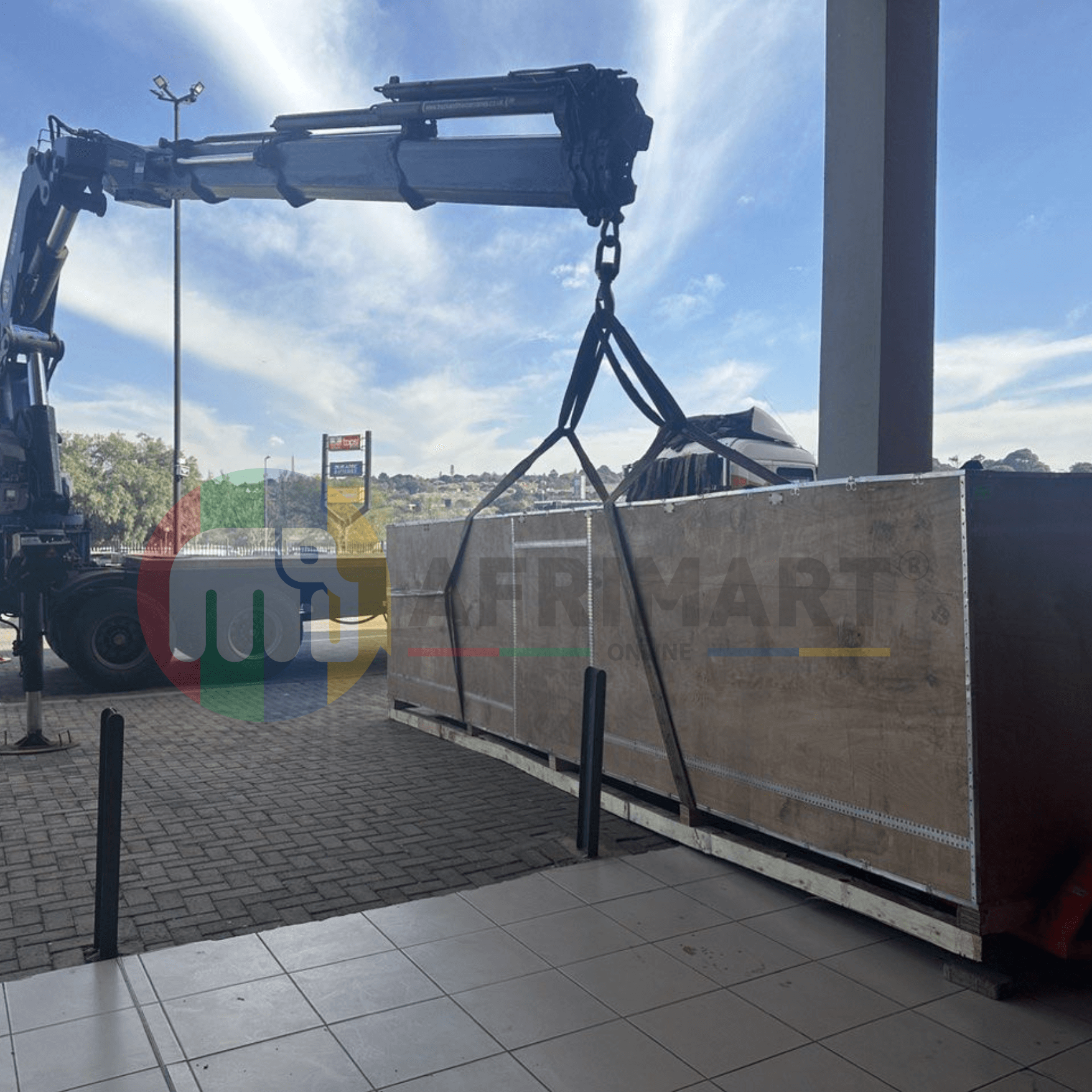
12 Heads Embroidery Machine
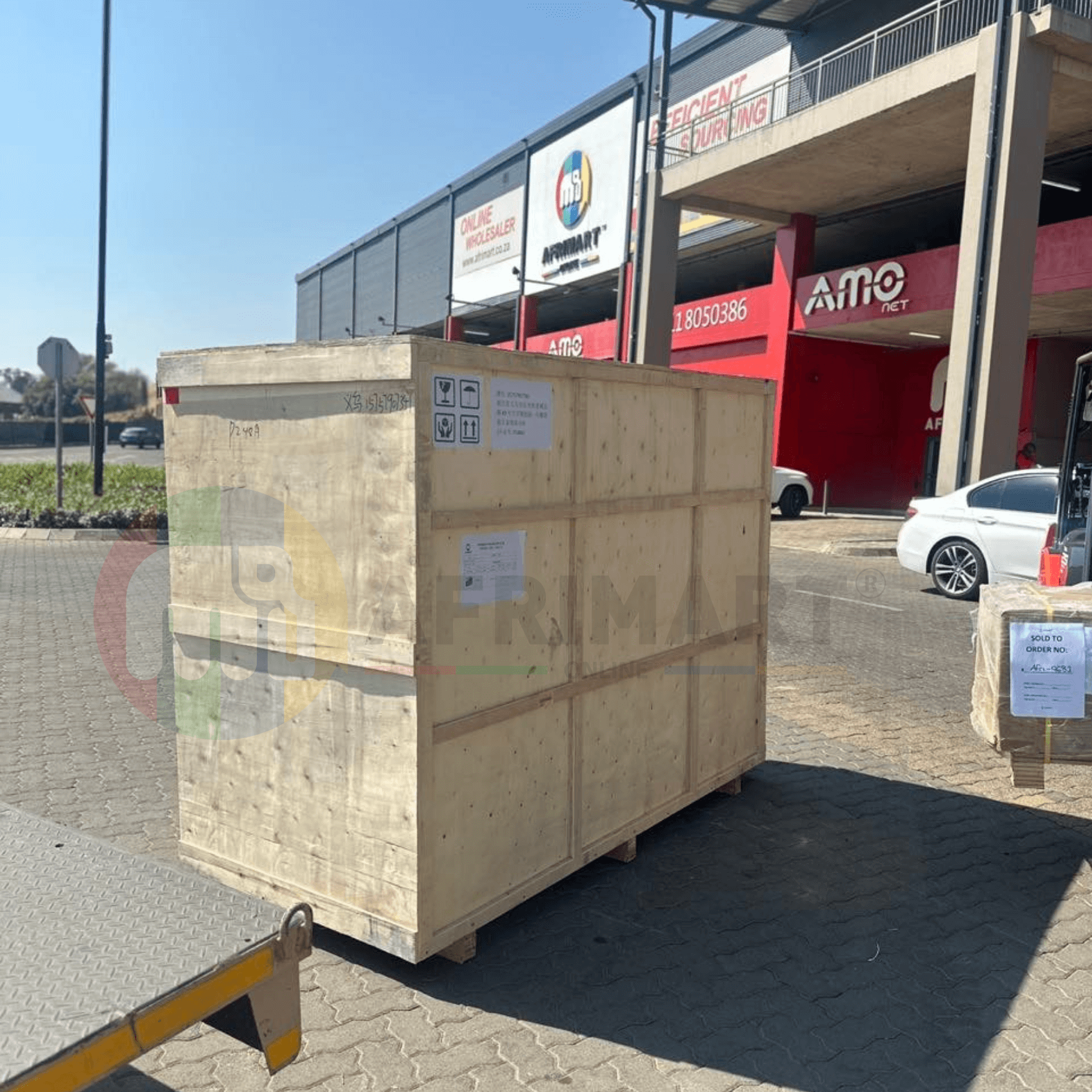
Dewatering Pump Machine
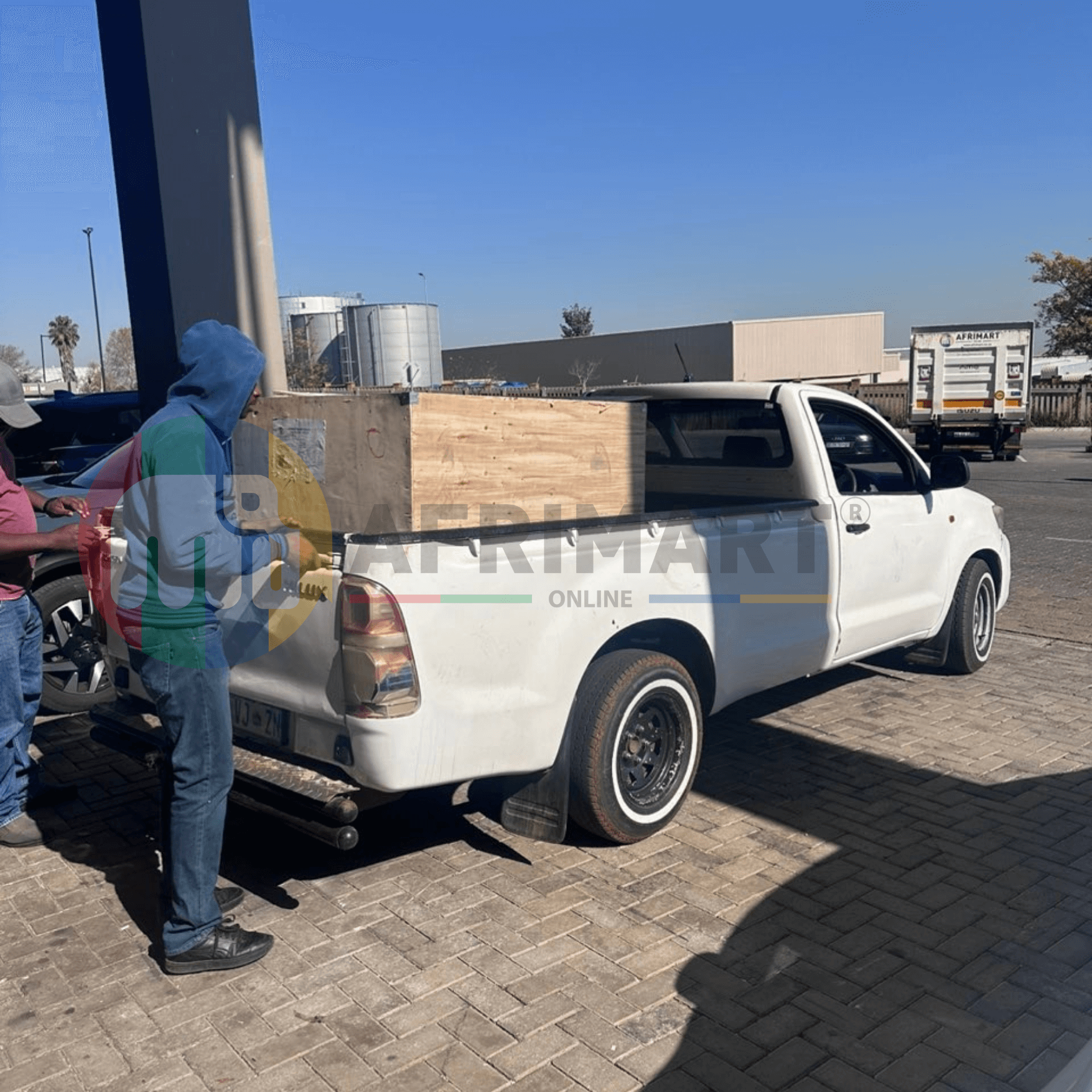
Order Collection
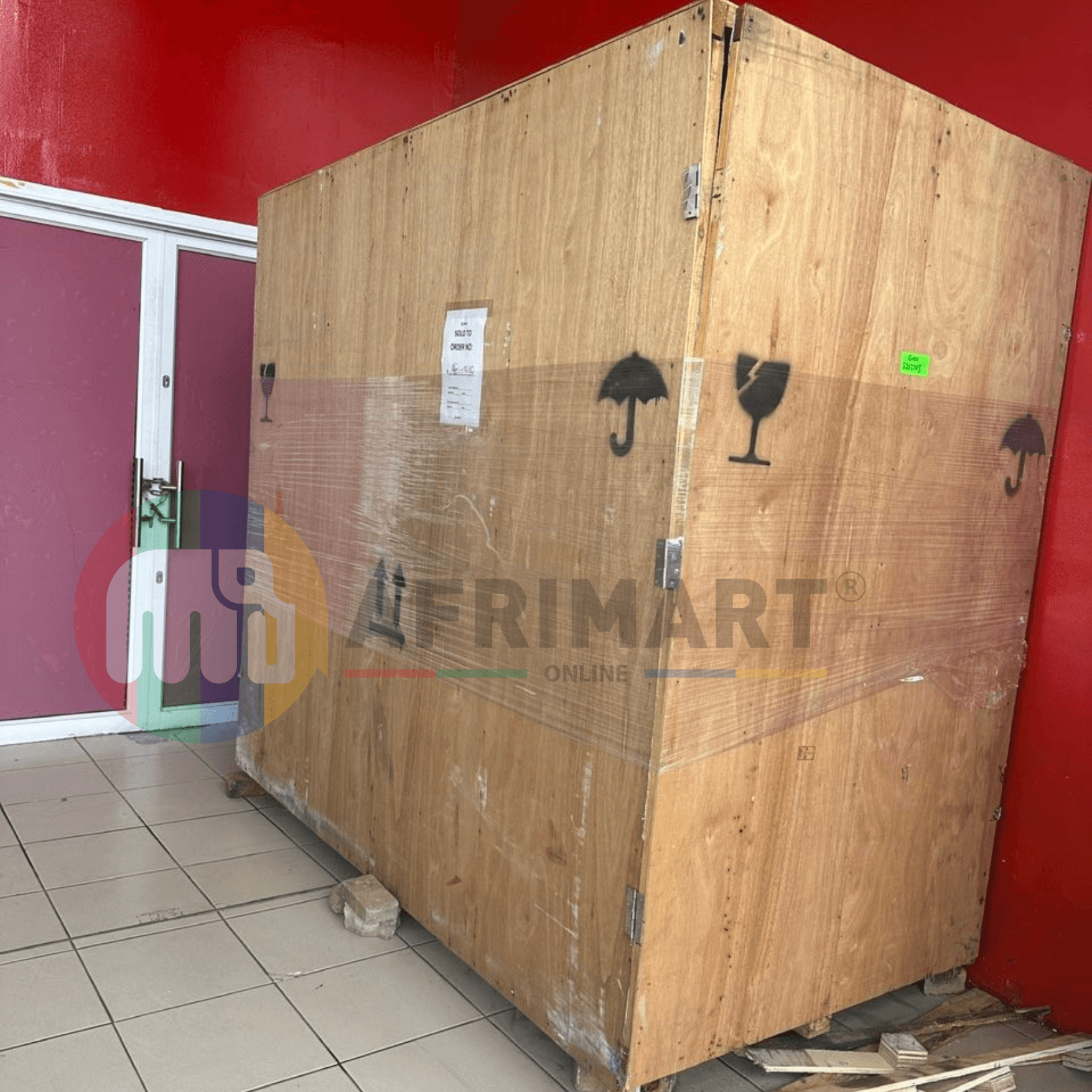
Portable Water Drilling Rig
Order Usefully Collected
Batch of Orders
Agriculture Processing Machines
Meat Grinder Machine
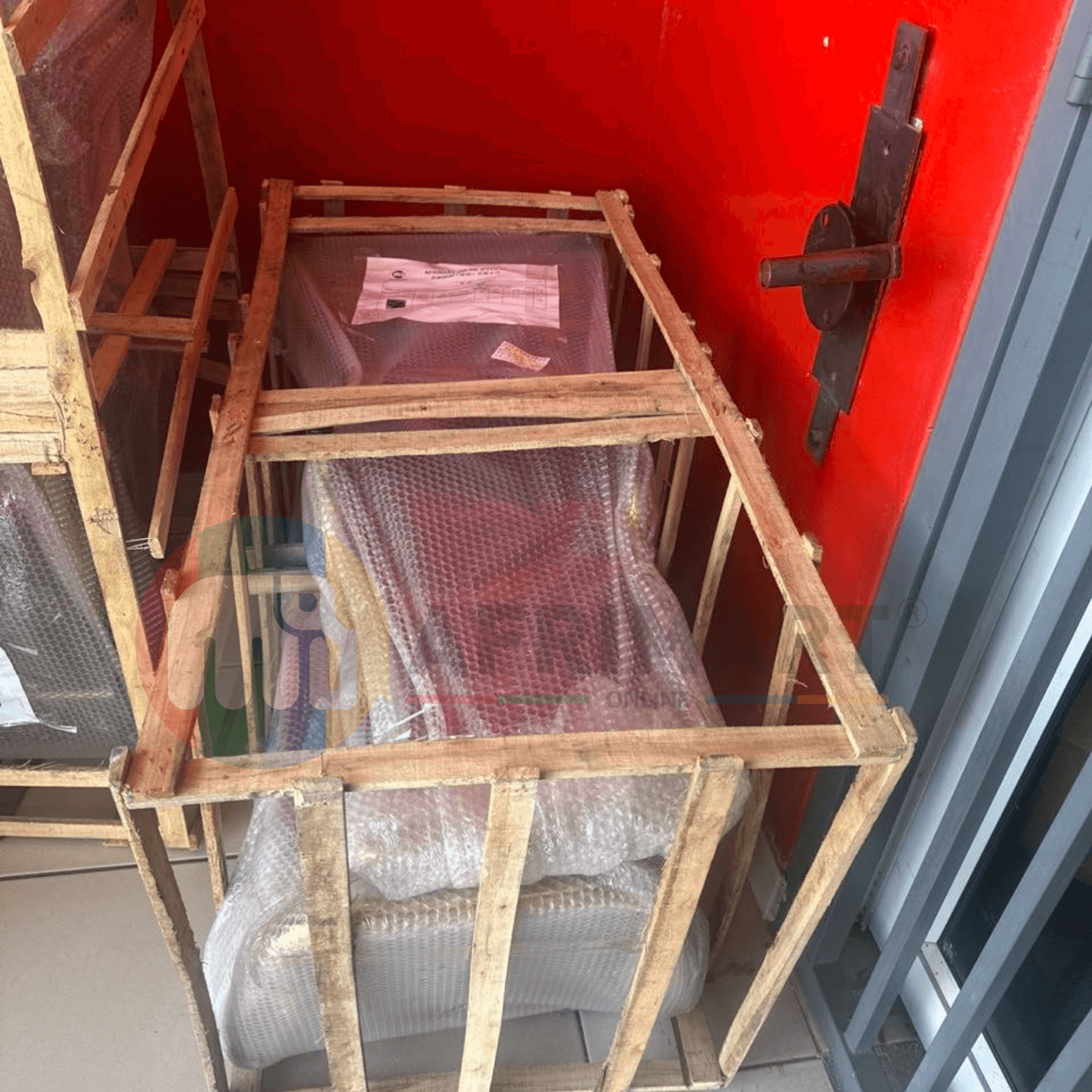
Water Pump Equipment
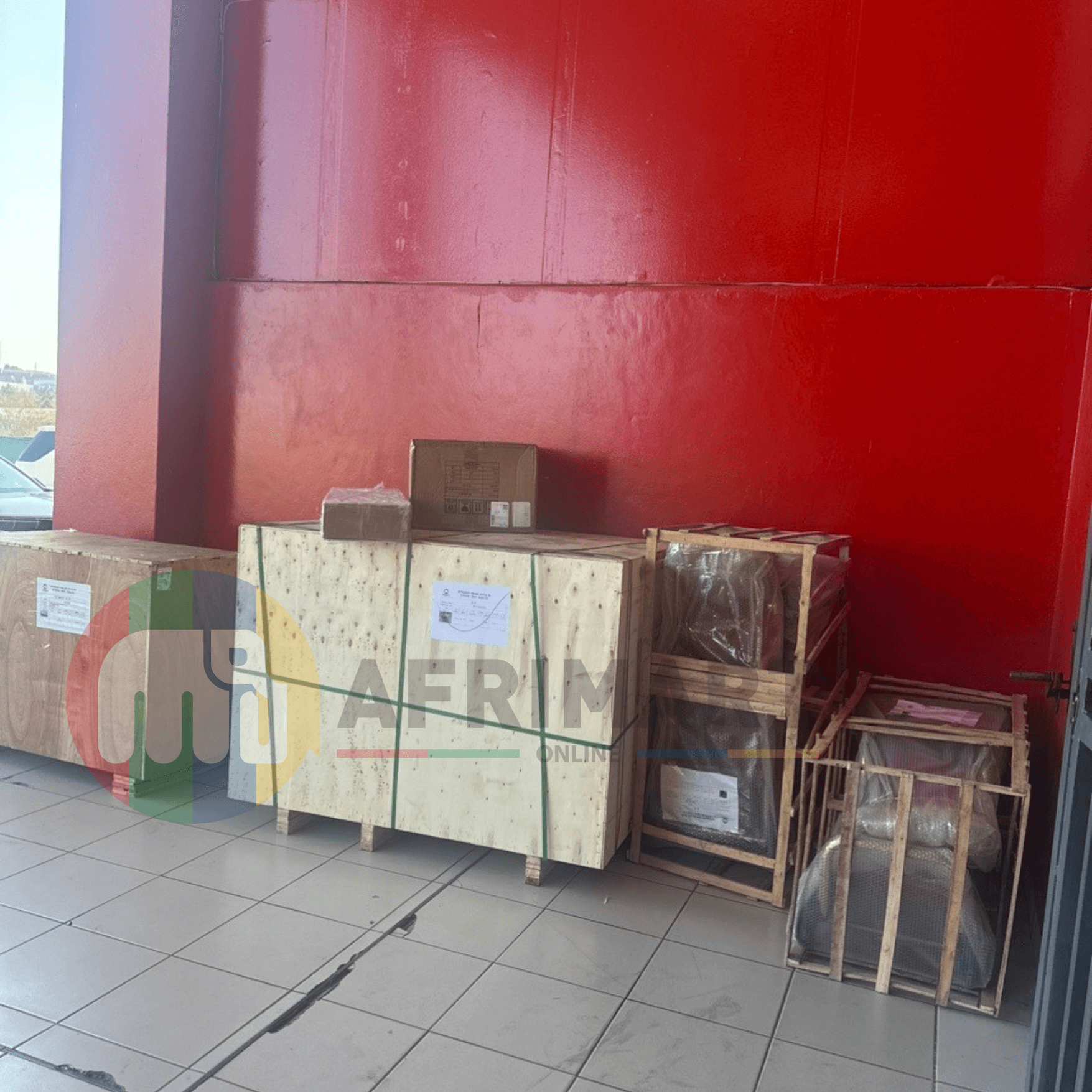
Packaging Machine and accessories
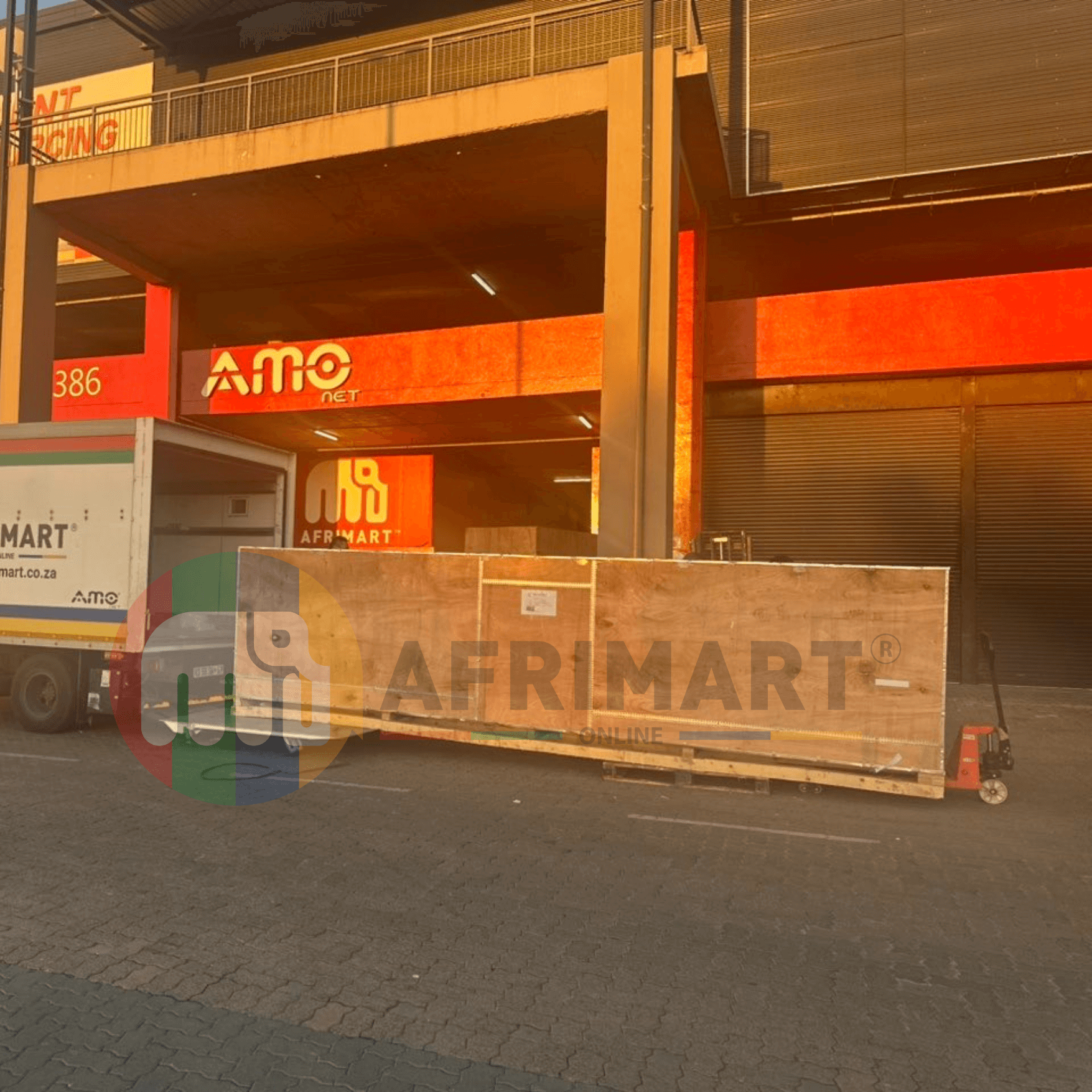
Fabrics Manufacturing Equipment
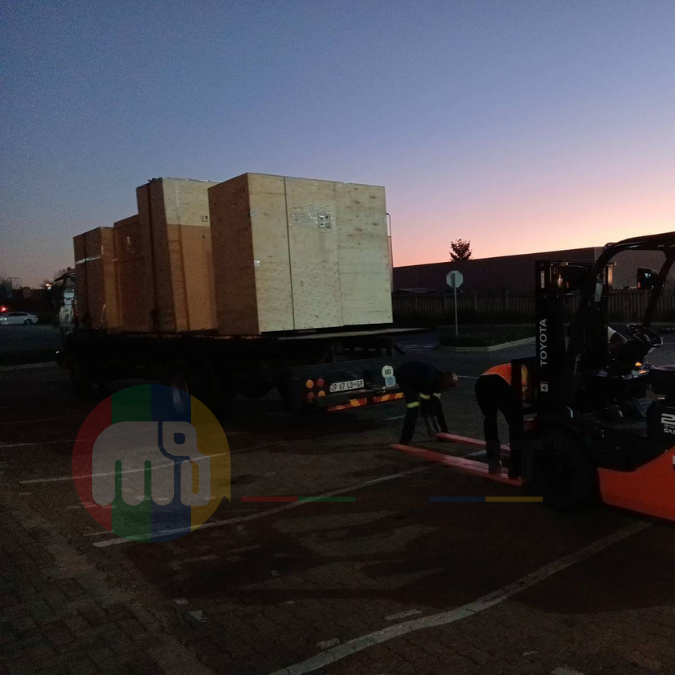
Mining Equipments
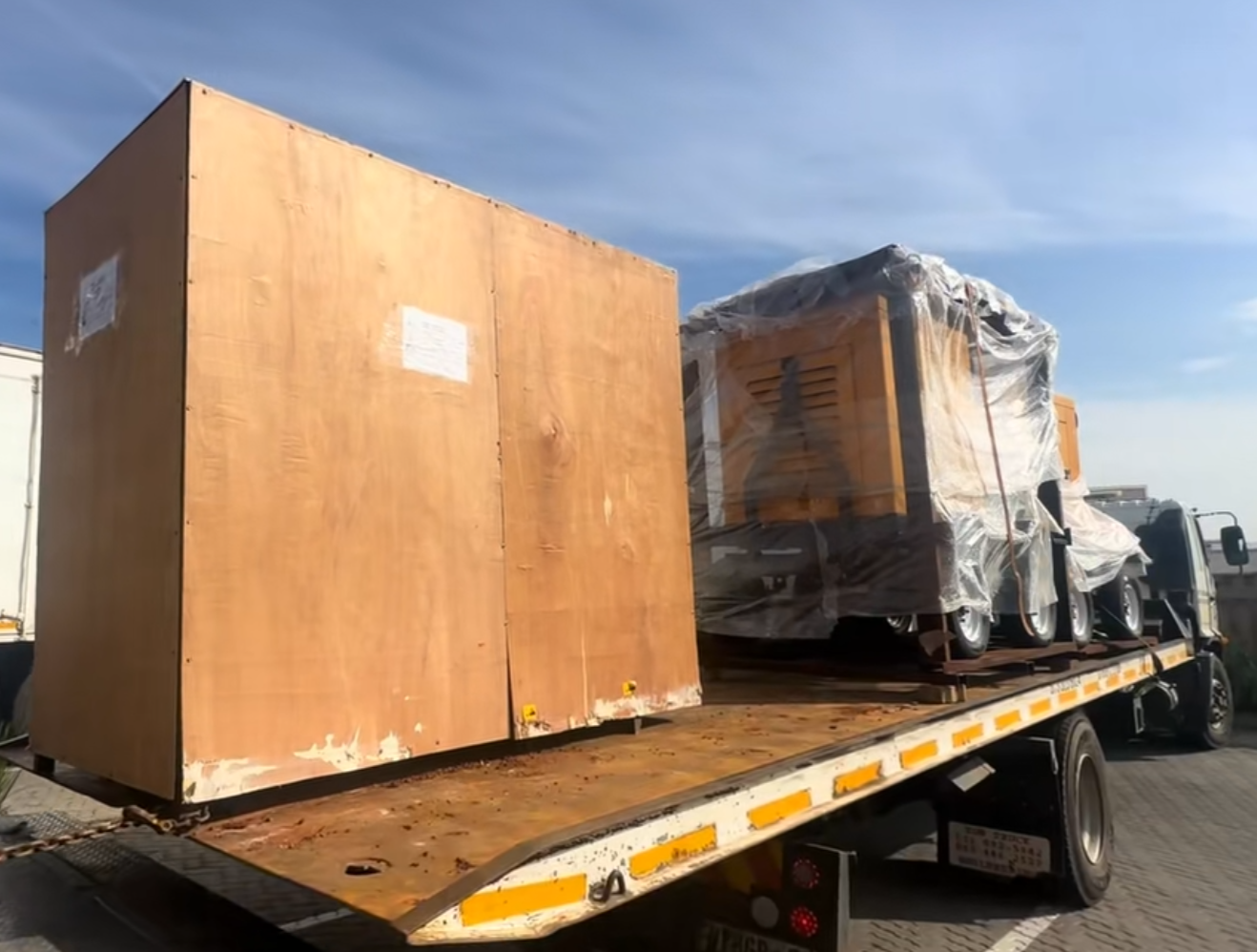
Food Processing Machine
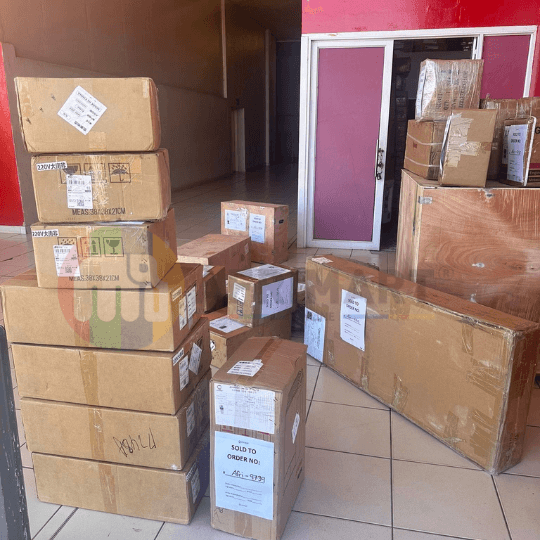
Batch of Orders
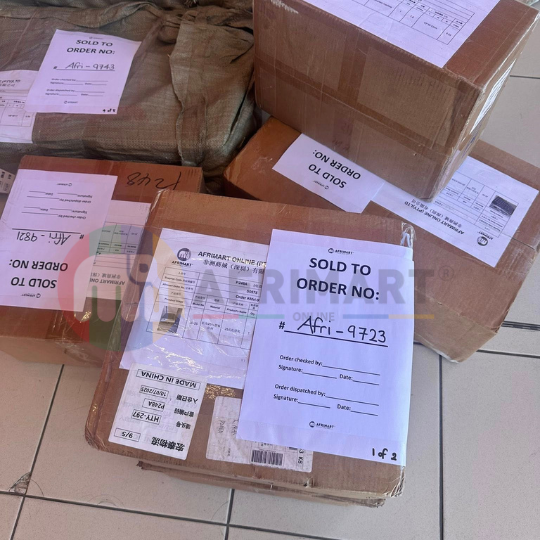
Batch of Orders
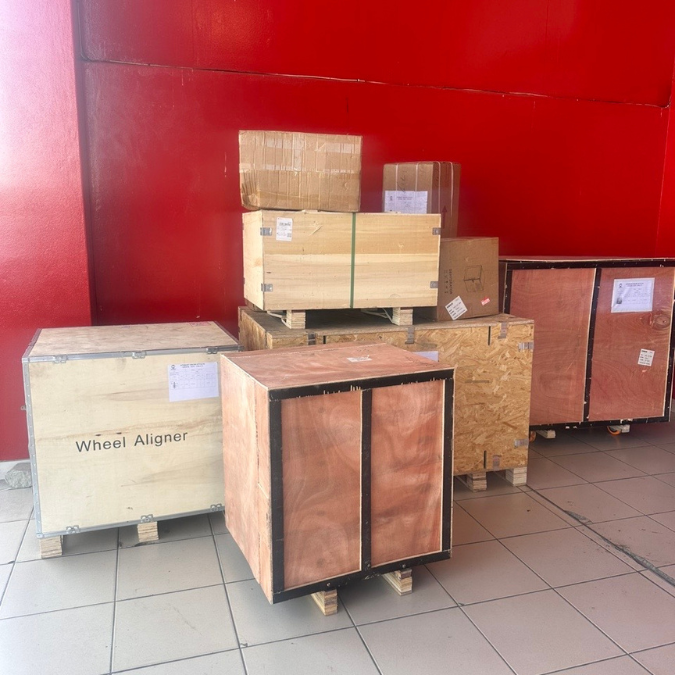
Latest Orders Labelled
wheel alignment machines
new arrivals
Pre Orders Offloading
Latest Arrivals
Latest Arrivals