B21, China Town Mall, Midrand

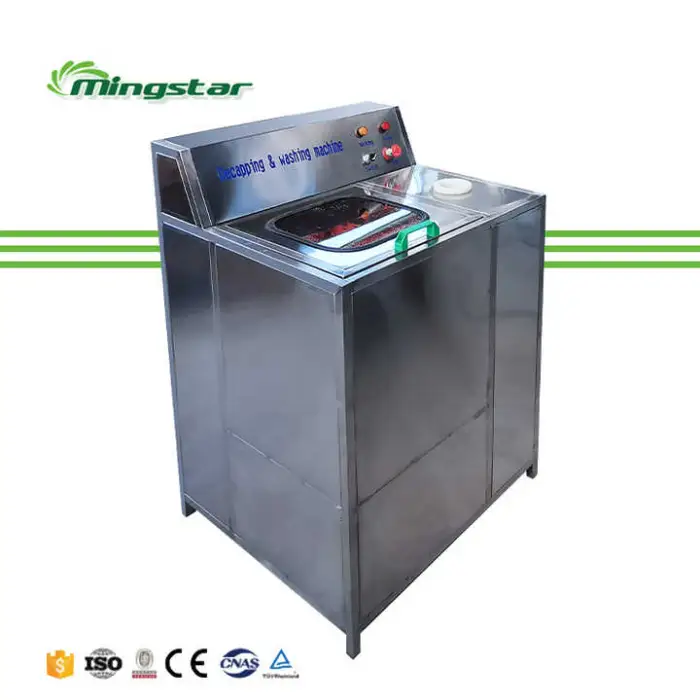
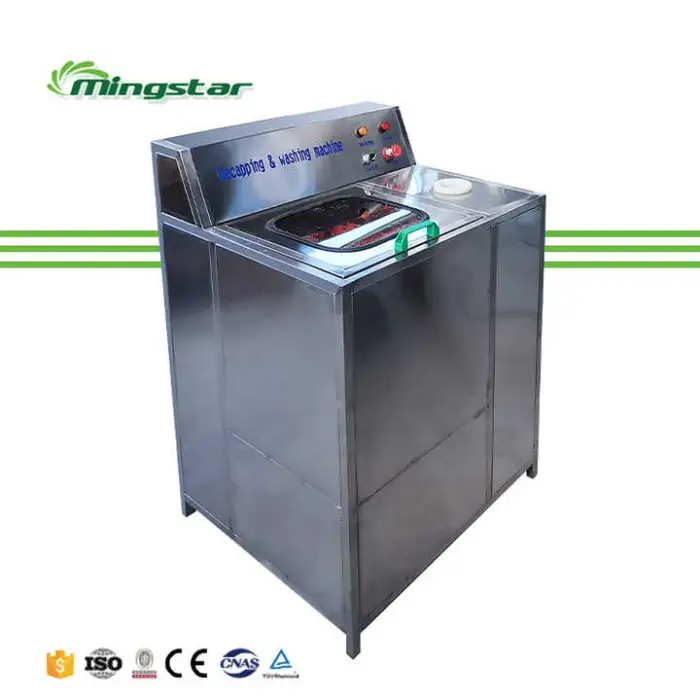
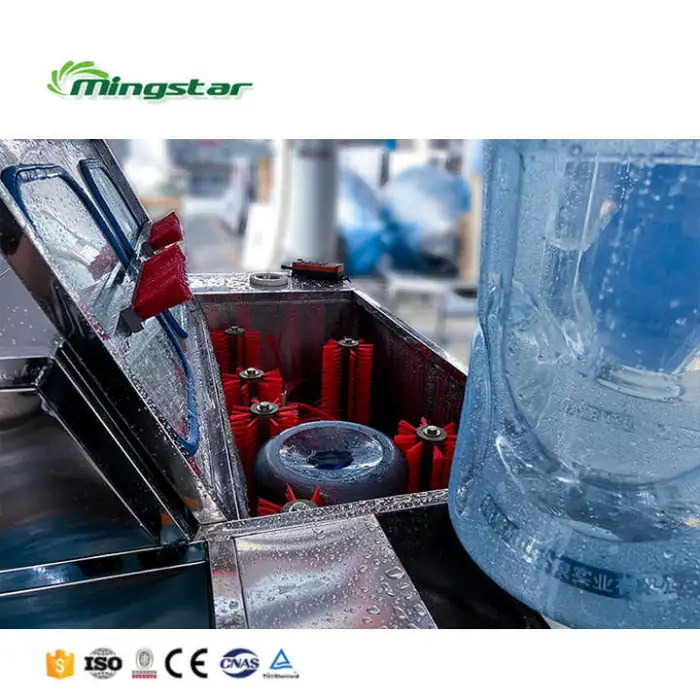
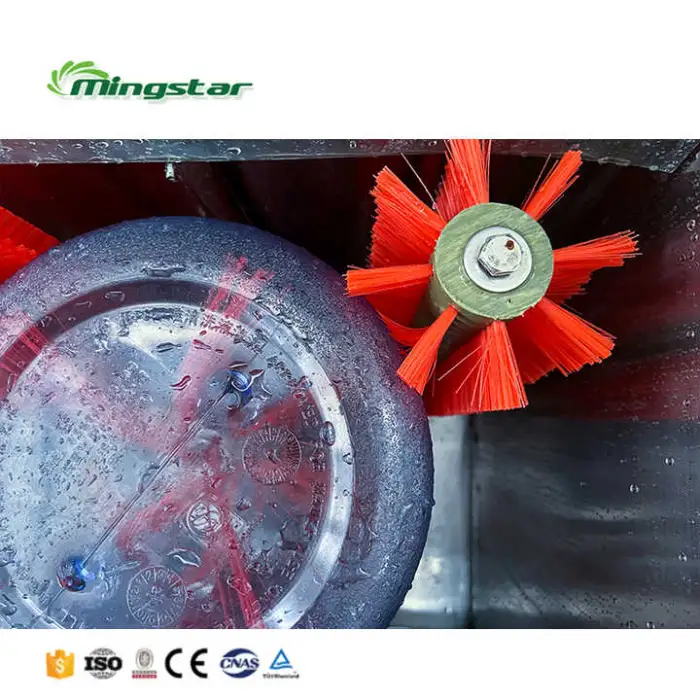
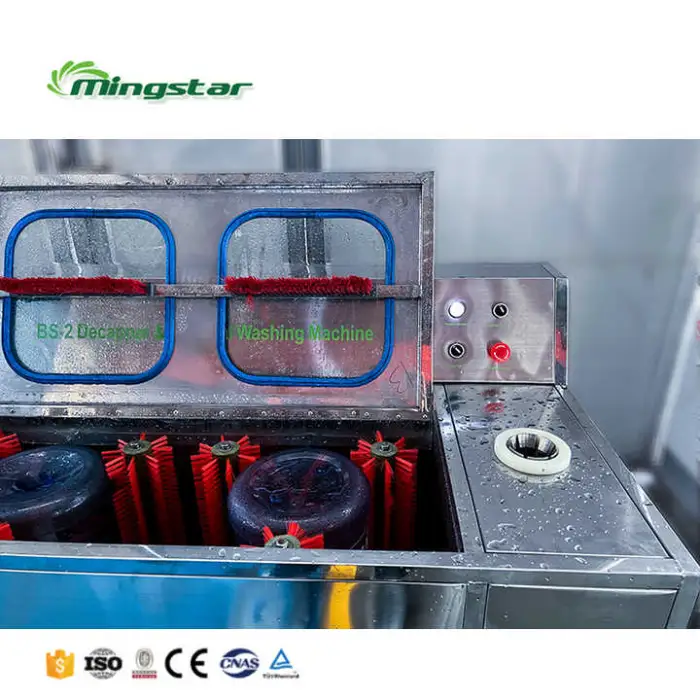
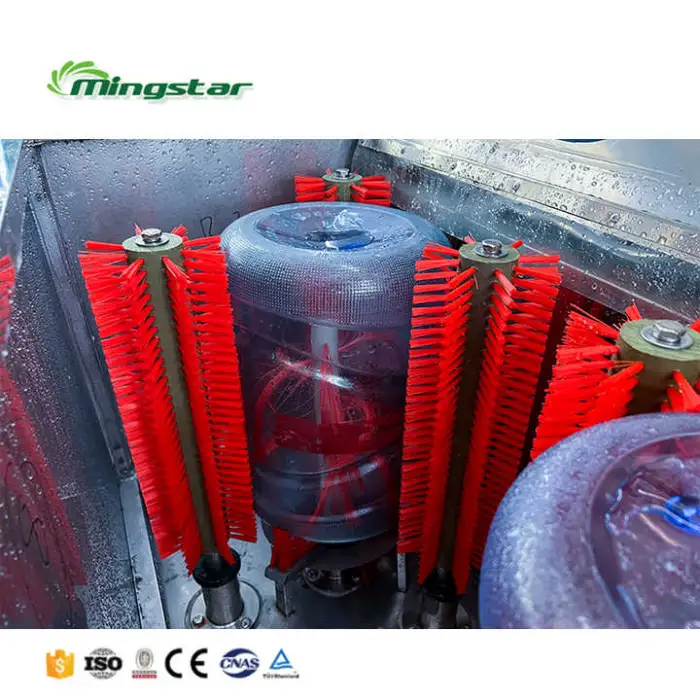
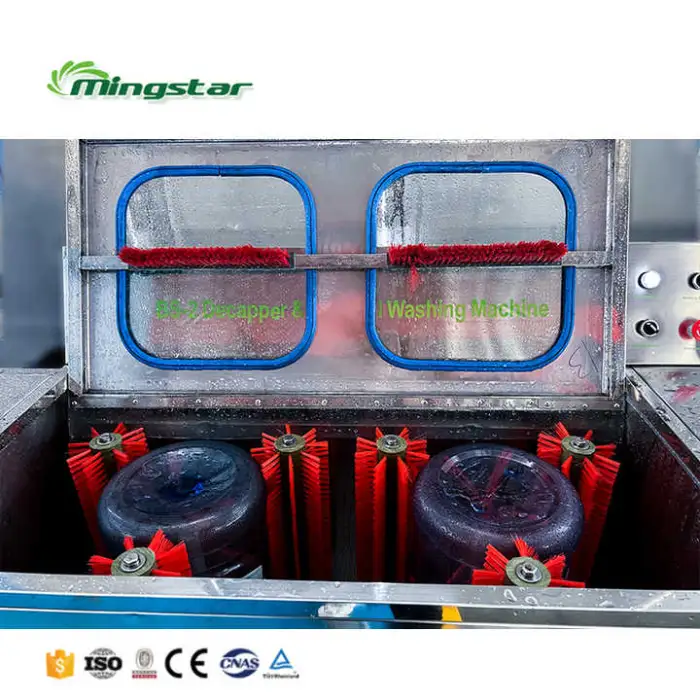
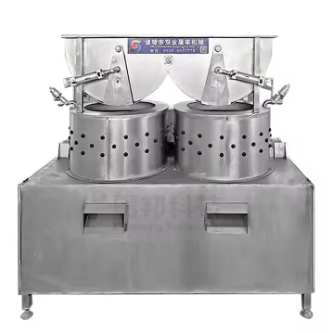
19-20L Semi Automatic 5 Gallon Water Bottle Washing Machine Bucket Washing Machine
- Section : Machinery
- Category : Packaging Machines
- SKU : 1601033214634

19-20L Semi Automatic 5 Gallon Water Bottle Washing Machine Bucket Washing Machine
The 19-20L Semi Automatic 5 Gallon Water Bottle Washing Machine is designed for quick and efficient cleaning of water bottles. This machine is perfect for businesses that need to wash large amounts of bottles regularly. It is easy to use, energy-efficient, and provides excellent washing results.
Specifications
| Attribute | Details |
|---|---|
| Packaging Type | Bottles |
| Service Provided | Video technical support, Field installation, commissioning and training, Online support, Field maintenance and repair service, Free spare parts |
| Voltage | 380V |
| Automatic Grade | Automatic |
| Packaging Material | Plastic |
| Application | Beverage |
| Filling Material | Water |
| Filling Accuracy | 2 ml |
| Brand Name | Mingstar |
| Selling Units | Single item |
| Single Package Size | 1X1X1 cm |
| Single Gross Weight | 2.000 KG |
Key Features
- Semi-automatic operation for ease of use.
- Designed to wash 5-gallon water bottles effectively.
- Energy-efficient electric drive.
- High filling accuracy of 2 ml.
- Suitable for various beverage applications.
- Comes with comprehensive support and free spare parts.
Applications
- Ideal for water bottling companies.
- Perfect for beverage manufacturers.
- Great for restaurants and cafes with water services.
- Useful in any business needing regular bottle cleaning.
- Excellent for home use for large water containers.
Product Info Gallery
- Shipping Timeframes: All orders are processed within 2-5 business days (excluding weekends and holidays). After your order has been processed, the estimated delivery time is before 04 Aug, 2026, depending on customs, Please note that due to high demand, some items may experience longer shipping times, which will be communicated at order confirmation email.
- Order Processing Time: Please allow 2-5 business days for us to process your order before it is shipped . Orders placed after 16:00 on Fridays, or during weekends and public holidays, will begin processing on the next business day. Processing times may be extended during peak seasons or sales events.
- Manufacturing Time: Some products needs manufacturing time, the manufacturing process will take approximately 10-30 business days depending on the product. This timeframe may vary depending on the complexity of the product and current demand. but this will be communicated with you during order confirmation.
- Returns and Exchanges: We offer a 30-day return policy for most items. If you are not completely satisfied with your purchase, you may return it within 30 days of receipt for a refund or exchange. Items must be unused, in their original packaging, and accompanied by proof of purchase. Return shipping costs are the responsibility of the customer, unless the item was damaged or defective upon arrival.
1. What is this machine designed to wash?
The machine is designed specifically to clean 19–20L (5-gallon) water bottles and large water buckets commonly used in water dispensing and bottling applications.
2. Is this a fully automatic or semi-automatic machine?
This is a semi-automatic machine. An operator loads and unloads bottles while the machine performs the programmed washing cycles.
3. What power supply does the machine require?
The machine requires a 380V electrical supply (typically three-phase). Confirm local power compatibility and have a qualified electrician handle installation.
4. What kind of bottles and materials are compatible?
It's built for standard 19–20L (5-gallon) water bottles made of common materials (PET, HDPE, or similar large plastic containers). Check with the supplier if you have non-standard shapes or delicate glass bottles.
5. How long does a typical wash cycle take?
Cycle time depends on settings and degree of soiling. Typical semi-automatic cycles range from around 1–5 minutes per bottle. Contact the supplier for recommended cycle settings for your product and soil level.
6. What level of throughput can I expect?
Throughput depends on operator speed and chosen cycle time. For example, at a 2-minute cycle you can expect roughly 25–30 bottles per hour per operator. Actual rates vary with workflow and automation level.
7. What cleaning steps does the machine perform?
Most configurations perform stages such as pre-rinse, main wash, and final rinse. Some setups may include air blow or sanitizing rinse options depending on model and customer requirements.
8. Does the machine use a lot of water and electricity?
The machine is described as energy-efficient, and water use is controlled by the wash program. Exact consumption depends on cycle settings and rinse options—suppliers can provide measured consumption figures for a given configuration.
9. What maintenance and cleaning does the machine require?
Routine maintenance includes periodic inspection of spray nozzles, pumps, seals and filters; cleaning internal tanks and lines; and checking electrical connections. Follow the manufacturer's maintenance schedule for best results.
10. Is installation and training provided?
Yes. Services listed include field installation, commissioning and training, online support, video technical support, field maintenance and repair, and free spare parts—confirm exact service scope with your supplier.
11. Are spare parts included, and how are replacements provided?
The product listing indicates free spare parts are provided. For ongoing replacement parts, contact the supplier or authorized service center to order parts and arrange service.
12. Is the machine safe to operate in a workplace?
The machine is intended for commercial use and should be installed per local electrical and safety codes. Operators should be trained on safe loading/unloading, emergency stop procedures, and routine maintenance. Ask your supplier for safety documentation and operating instructions.
13. Can this machine be integrated into a bottling line?
As a semi-automatic unit, it can be integrated into larger workflows but may require conveyors or additional automation to link with filling and capping equipment. Discuss integration needs with the vendor or an automation specialist.
14. Is this suitable for home or small office use?
It can be used in small businesses or locations that handle large 5-gallon bottles (e.g., offices, cafes). For typical home use, the 380V electrical requirement and industrial footprint may make it less practical—confirm suitability with the supplier.
15. How do I get technical support, repairs or warranty service?
The supplier offers online and video technical support, field maintenance and repair service, and field installation. Contact the vendor for warranty terms, service response times, and how to request on-site support or spare parts.
Latest Order Arrivals
Discover our latest orders

12 Heads Embroidery Machine

Toilet Paper Machine Machine

Order Collection

Cross Border Clients

Order cros border countries Collected

Industrial Machine Cllection

Agriculture Processing Machines

Ready for collection

Water Pump Equipment

Packaging Machine and accessories

Fabrics Manufacturing Equipment

Mining Equipments

Food Processing Machine

Batch of Orders

Batch of Orders

Latest Orders Labelled

wheel alignment machines

new arrivals

Pre Orders Offloading

Latest Arrivals

Latest Arrivals

Latest Arrivals

Loading

Toilet paper making machine

Toilet paper making machine

Toilet paper Rewinding Machine

latest arrivals

offloading

order success

order collection

order offloading