B21, China Town Mall, Midrand


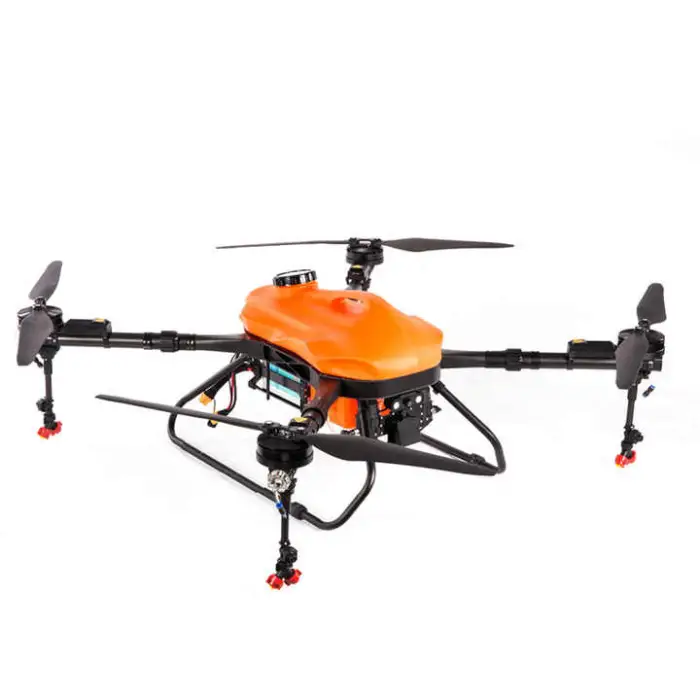
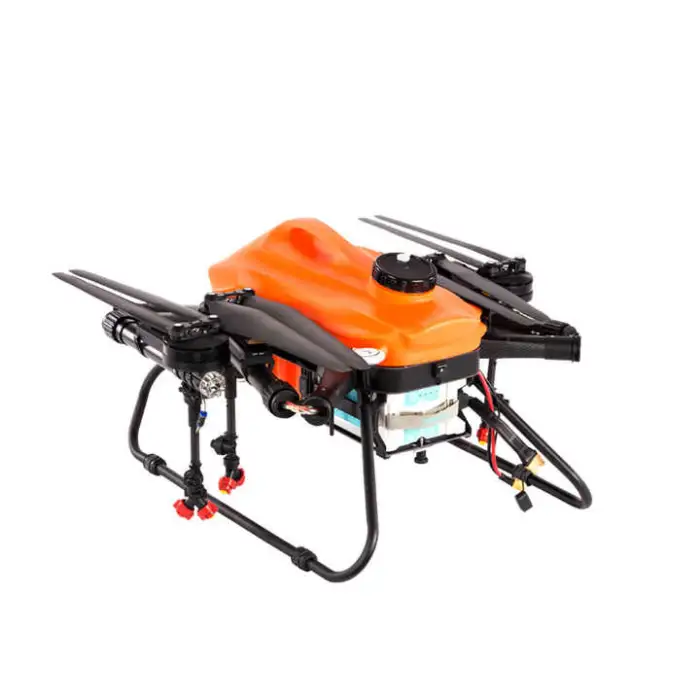
16L Smart Agricultural Drone Sprayer with Camera & GPS for Orchards & Crops Precision Pesticide Spraying
Asset finance available
Do you want funding for this equipment?
Afrimart can connect you with trusted funding partners who specialise in asset finance for businesses like yours. Compare options and apply in minutes — final approval is subject to provider review.
Check funding options
Secure & no obligation

- Section : Machinery
- Category : Agriculture Machinery
- SKU : 1600495705900

16L Smart Agricultural Drone Sprayer with Camera & GPS for Orchards & Crops Precision Pesticide Spraying
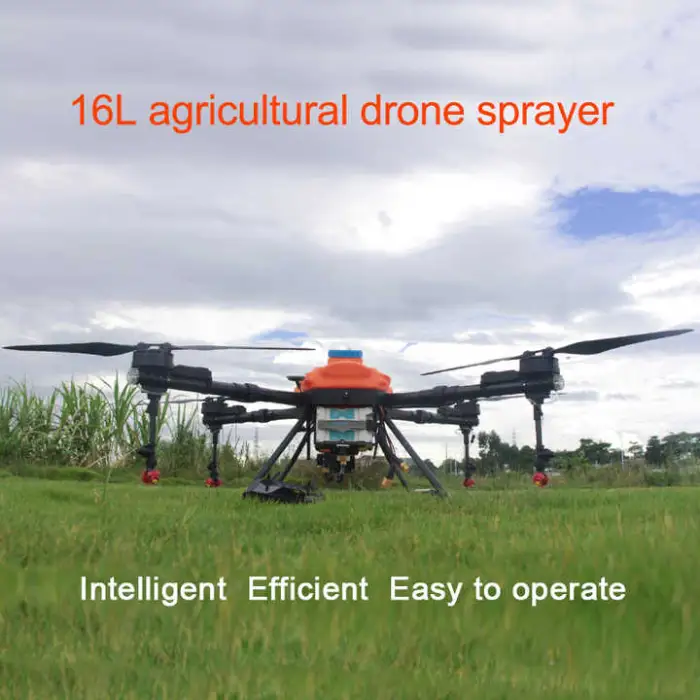
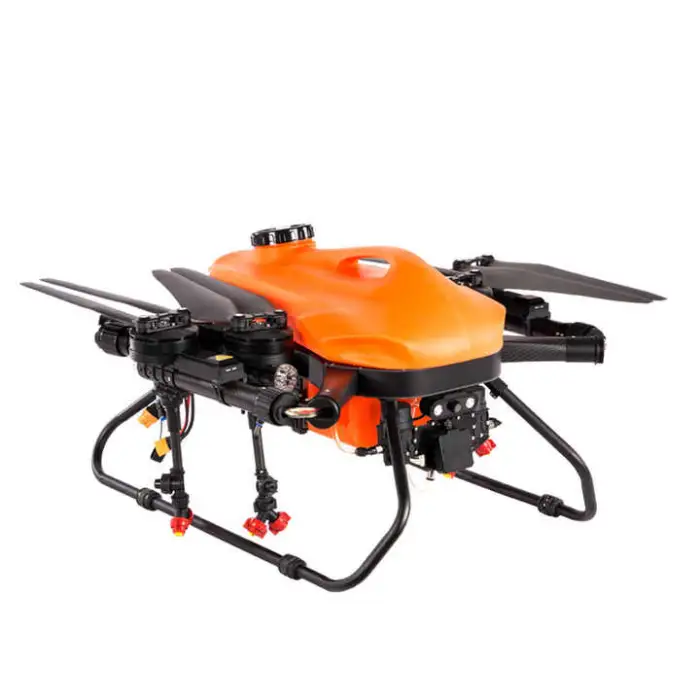
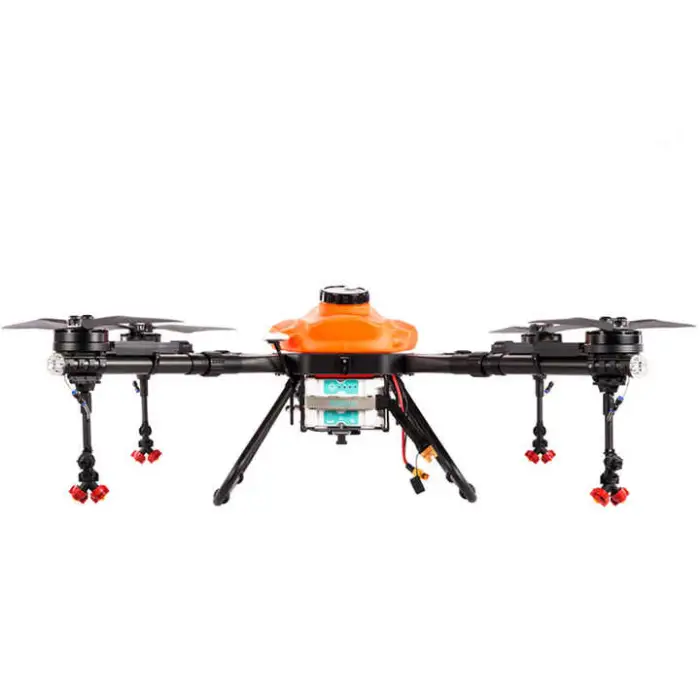
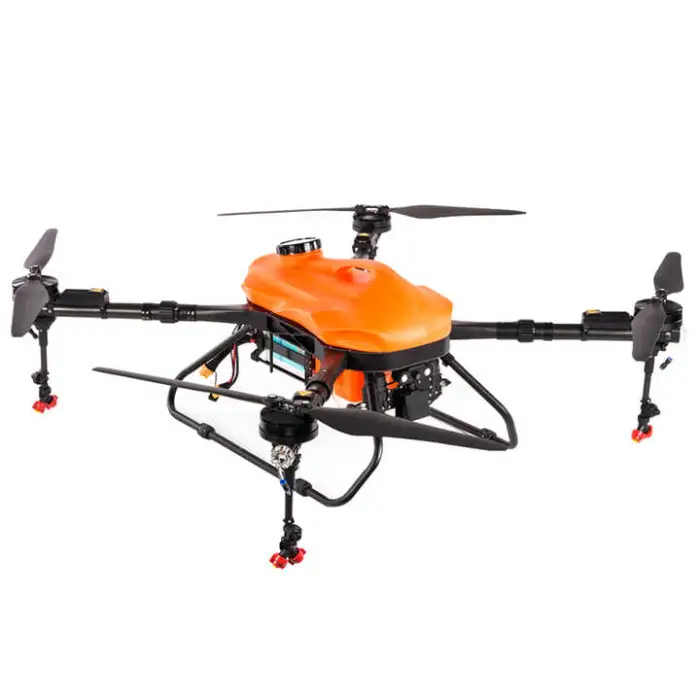
The High-Efficiency 16L Smart Agricultural Drone Sprayer is a powerful tool for farmers. This advanced drone helps you spray pesticides precisely on your crops and orchards. It is easy to use and comes with a camera and GPS for better control. With its lightweight materials and smart features, this drone makes farming easier and more effective.
Specifications
| Attribute | Details |
|---|---|
| Type | Liquid Sprayer Drone |
| Material | Carbon fiber, Aviation aluminum |
| Maximum Pesticide Load | 16 Kg |
| Power | Battery |
| Functionality | One Key Takeoff / Landing, Altitude Hold Mode, 3D View Mode, G-sensor, Headless mode, Camera, APP Control, Remote Control, LED lights |
| Size | 80X65X65 cm |
| Gross Weight | 45.000 KG |
Key Features
- Easy one-key takeoff and landing
- Holds altitude for stable spraying
- View your crops in 3D with the camera
- Control the drone with a smartphone app
- Remote control for precise operation
- Bright LED lights for night operations
Applications
- Pesticide spraying for crops
- Disinfection of agricultural areas
- Epidemic prevention in farms
- Plant protection from pests
- Firefighting in rural areas
The High-Efficiency 16L Smart Agricultural Drone Sprayer is a must-have for modern farming. With its smart technology and easy operation, it helps you take care of your crops effectively.
Product Info Gallery

- Shipping Timeframes: All orders are processed within 2-5 business days (excluding weekends and holidays). After your order has been processed, the estimated delivery time is before 03 Aug, 2026, depending on customs, Please note that due to high demand, some items may experience longer shipping times, which will be communicated at order confirmation email.
- Order Processing Time: Please allow 2-5 business days for us to process your order before it is shipped . Orders placed after 16:00 on Fridays, or during weekends and public holidays, will begin processing on the next business day. Processing times may be extended during peak seasons or sales events.
- Manufacturing Time: Some products needs manufacturing time, the manufacturing process will take approximately 10-30 business days depending on the product. This timeframe may vary depending on the complexity of the product and current demand. but this will be communicated with you during order confirmation.
- Returns and Exchanges: We offer a 30-day return policy for most items. If you are not completely satisfied with your purchase, you may return it within 30 days of receipt for a refund or exchange. Items must be unused, in their original packaging, and accompanied by proof of purchase. Return shipping costs are the responsibility of the customer, unless the item was damaged or defective upon arrival.
1. What is the pesticide payload capacity of this drone?
The spray tank capacity is 16 liters (rated maximum pesticide load: 16 kg).
2. How long does the drone fly on a single battery charge?
Flight time depends on battery specification, payload and operating conditions. Heavy loads and wind reduce flight time. Check the manufacturer’s battery spec for exact endurance; many 16L-class sprayers typically fly on the order of minutes to under an hour per battery depending on configuration.
3. How much area can it cover per battery or per hour?
Coverage depends on spray rate, flight speed, swath width and battery endurance. Area covered varies widely; to estimate, use your chosen application rate (L/ha), the tank capacity (16 L) and flight time. Ask the supplier for example mission profiles or field test results for typical hectares/hour values.
4. What spray nozzles, flow rates and droplet sizes are supported?
The sprayer supports interchangeable nozzles and adjustable pump settings; actual flow rate and droplet size depend on the nozzle model and pump setting. Use recommended agricultural nozzles and follow the manual to select droplet size appropriate for your target crop and pesticide.
5. What navigation and imaging features does the drone have?
It includes GPS for positioning and a camera that provides real‑time video and a 3D view mode via the app. GPS enables precise positioning and waypoint-based flight; camera allows visual monitoring of spray operations. Check the product sheet for camera resolution and mapping capabilities.
6. How is the drone controlled? Is there a mobile app?
The drone can be controlled by the supplied remote controller and via a smartphone app (APP control). Confirm app compatibility (iOS/Android) and required OS versions with the seller before purchase.
7. Is it safe to operate at night?
The drone has bright LED lights to aid night operations, but night spraying should comply with local regulations and safety procedures (reduced visibility, operator training, and risk assessment). Only operate at night if permitted and safe.
8. Can it operate in windy or rainy conditions?
The drone is designed for outdoor agricultural use, but performance and stability are affected by wind and rain. Avoid flying in heavy rain or strong winds. Refer to the manufacturer’s operational limits (typical guidance: avoid winds above manufacturer-specified thresholds) and adjust missions accordingly.
9. What maintenance is required?
Regular maintenance includes flushing and cleaning the tank and spray lines after each use, inspecting and cleaning nozzles and filters, checking propellers and motors for damage, verifying fasteners, updating firmware, and inspecting batteries. Follow the maintenance schedule in the user manual.
10. How do I clean the tank and prevent corrosion or contamination?
Empty and flush the tank and lines with clean water (or a recommended cleaning solution) immediately after use. Strain mixtures before loading, clean filters and nozzles, and dry the tank before storage. Dispose of washwater and residues according to local regulations.
11. Can it spray liquids other than pesticides (e.g., fertilizers, disinfectants, firefighting foam)?
Yes — it can be used for pesticide spraying, disinfection, epidemic prevention tasks and some rural firefighting applications. Ensure liquids are within the viscosity and particulate limits for the pump/nozzle system, strain mixtures to avoid clogging, and verify chemical compatibility with tank and seals.
12. What safety and regulatory requirements apply?
Operators must comply with local aviation and pesticide application regulations — this may include drone registration, pilot certification or licensing, and adherence to pesticide application rules. Always wear personal protective equipment (PPE) when mixing/loading chemicals and follow product label instructions.
13. Are spare parts and warranty available?
Common spare parts include propellers, nozzles, pumps, motors, controllers and batteries. Warranty terms and spare parts availability vary by seller — confirm warranty length, coverage and spare parts supply with the retailer or manufacturer before purchase.
14. How should I transport and store the drone and batteries?
Transport the drone with the tank empty, props removed or secured, and in a padded case if possible. Store in a cool, dry place. Store batteries separately at the recommended charge level (often 40–60%) and follow manufacturer instructions for long‑term storage and safe transport of lithium batteries.
15. How do I calibrate spray rate and ensure uniform application?
Calibrate by measuring liquid output over a fixed time at a given pump/nozzle setting, then adjust flight speed, nozzle selection or pump pressure to achieve the desired application rate (L/ha). Perform test passes and recalibrate whenever you change nozzles, liquid concentration or flight parameters. Follow the calibration procedure in the user manual.
Latest Order Arrivals
Discover our latest orders
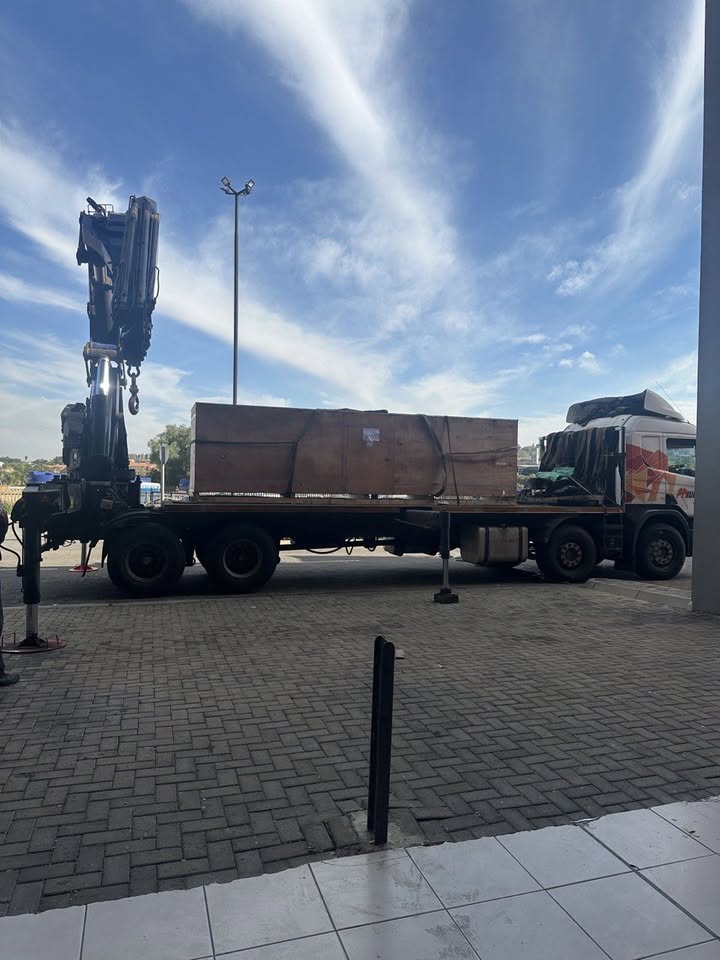
12 Heads Embroidery Machine
Toilet Paper Machine Machine
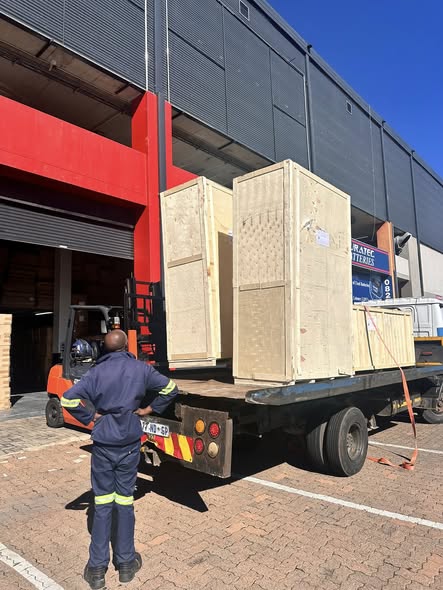
Order Collection
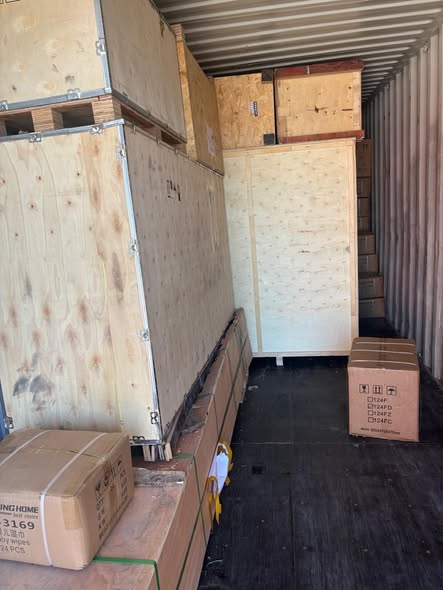
Cross Border Clients
Order cros border countries Collected
Industrial Machine Cllection
Agriculture Processing Machines
Ready for collection
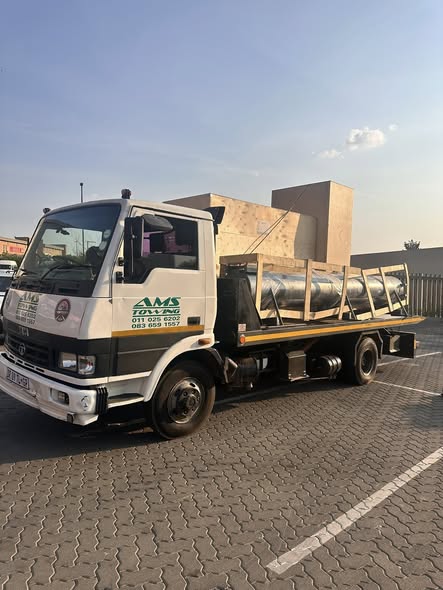
Water Pump Equipment
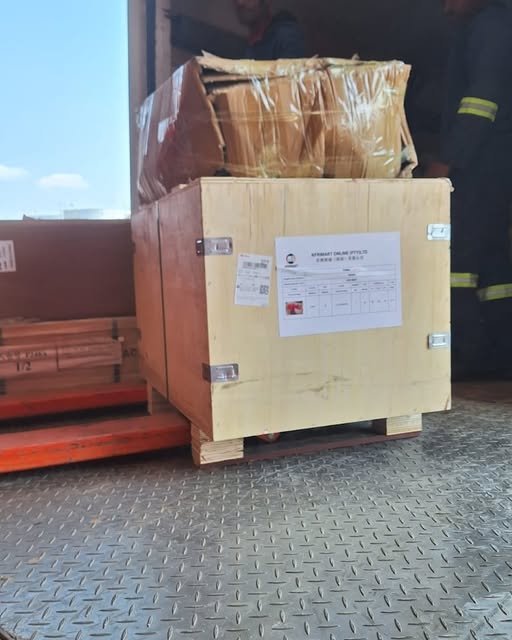
Packaging Machine and accessories
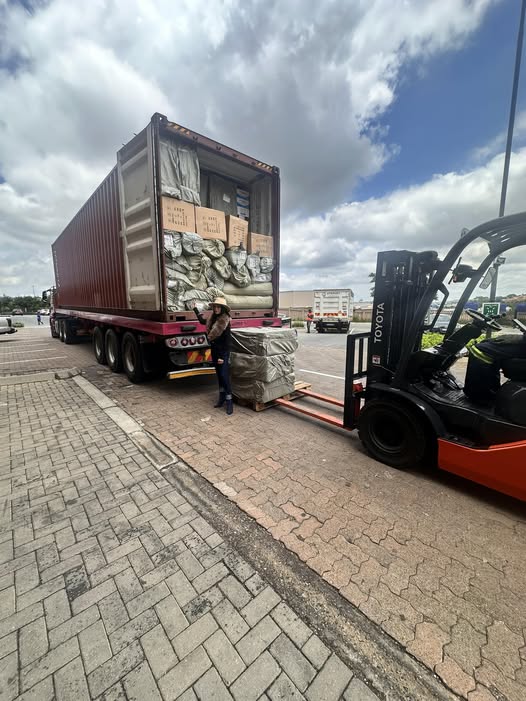
Fabrics Manufacturing Equipment
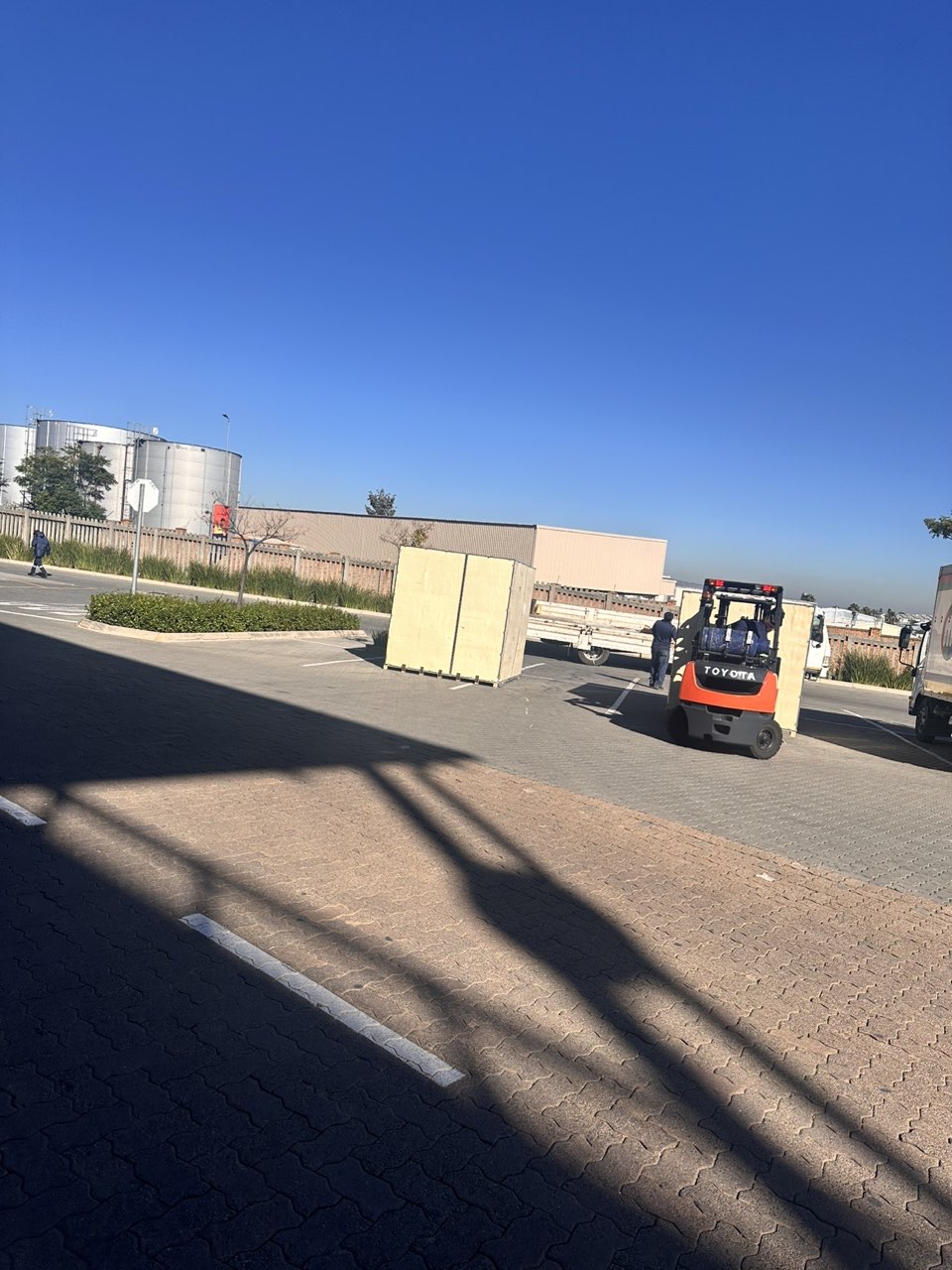
Mining Equipments
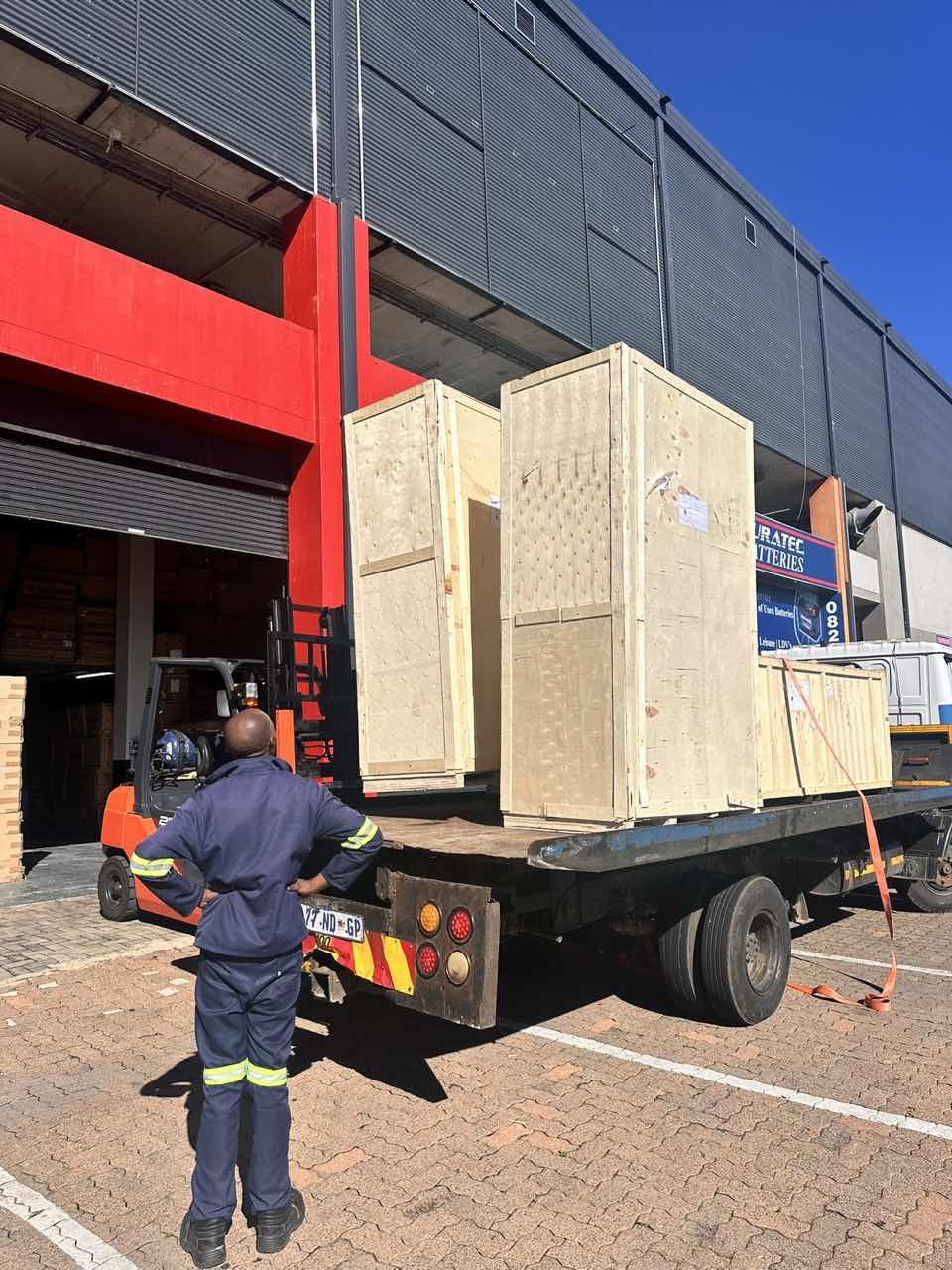
Food Processing Machine
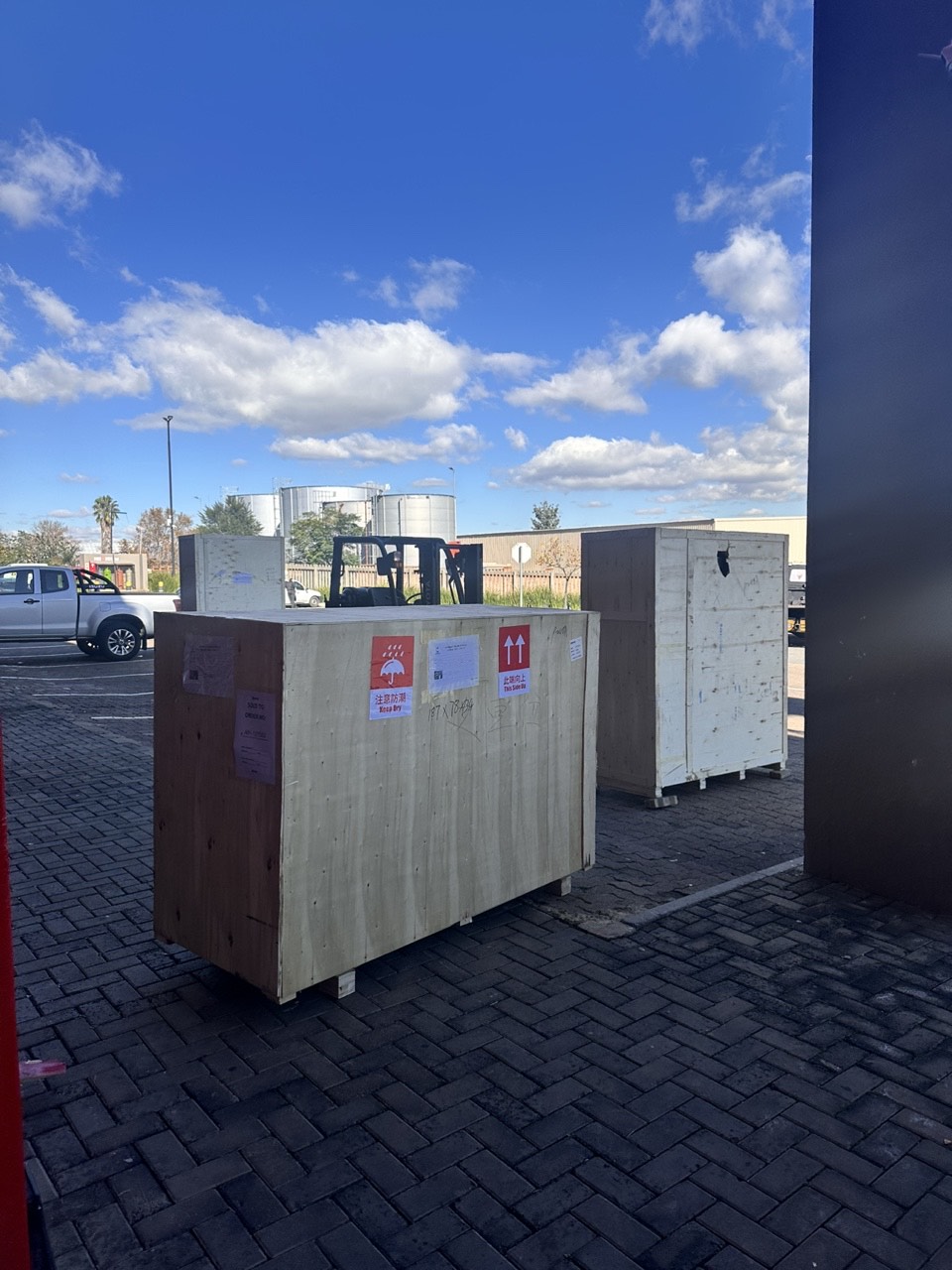
Batch of Orders
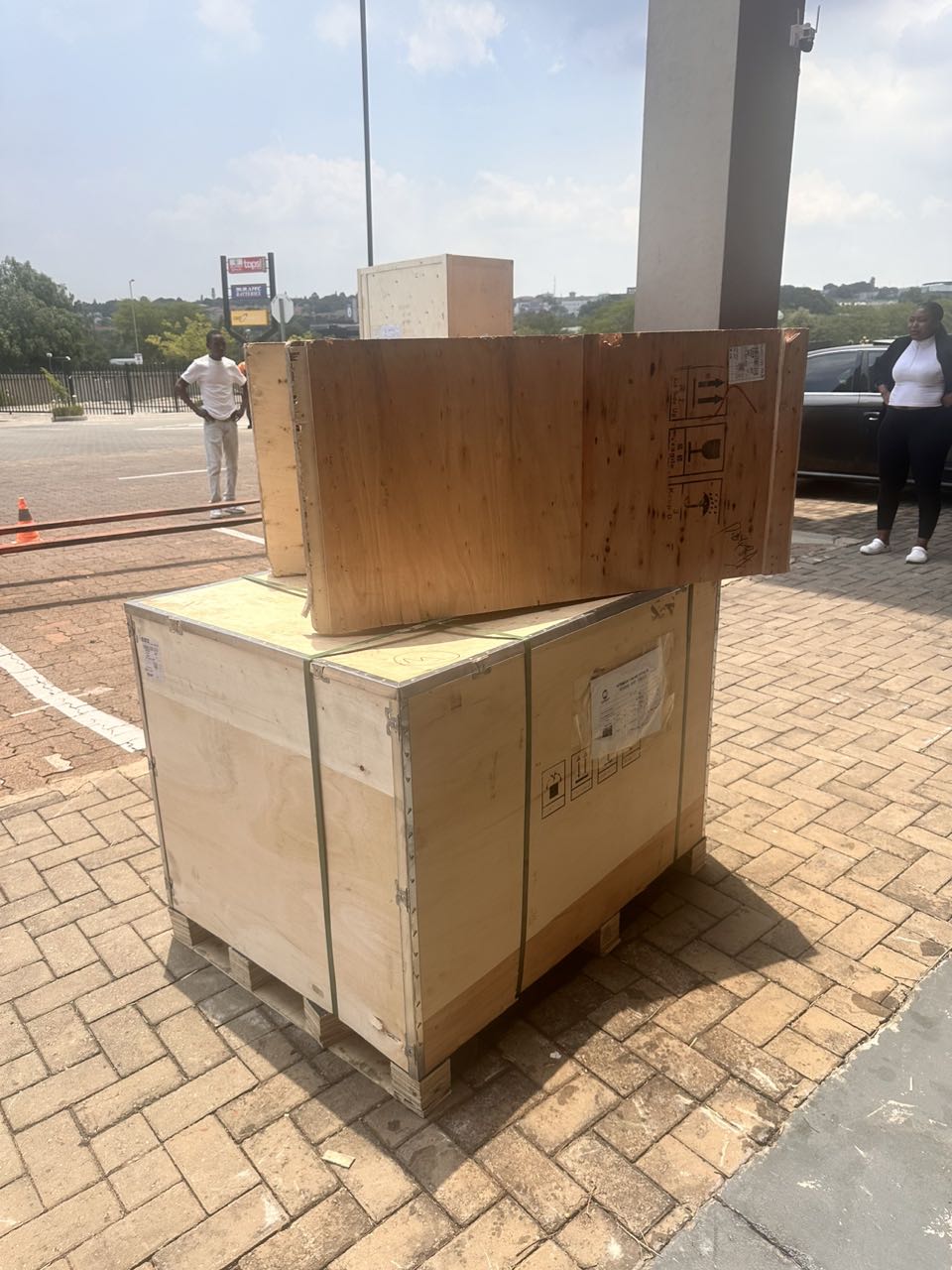
Batch of Orders
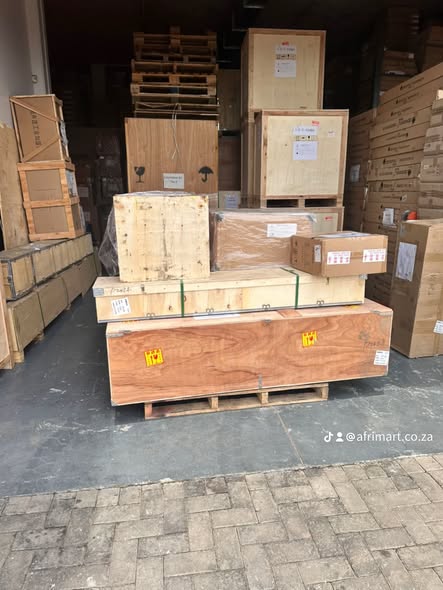
Latest Orders Labelled
wheel alignment machines
new arrivals
Pre Orders Offloading
Latest Arrivals
Latest Arrivals
Latest Arrivals
Loading
Toilet paper making machine
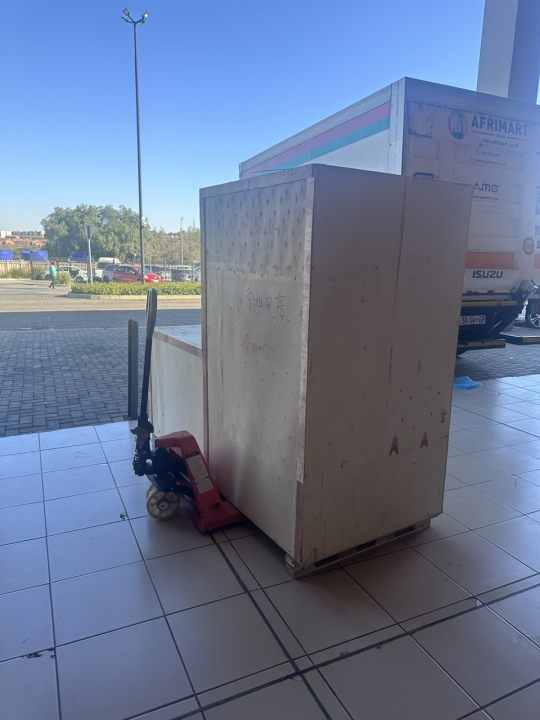
Toilet paper making machine
Toilet paper Rewinding Machine
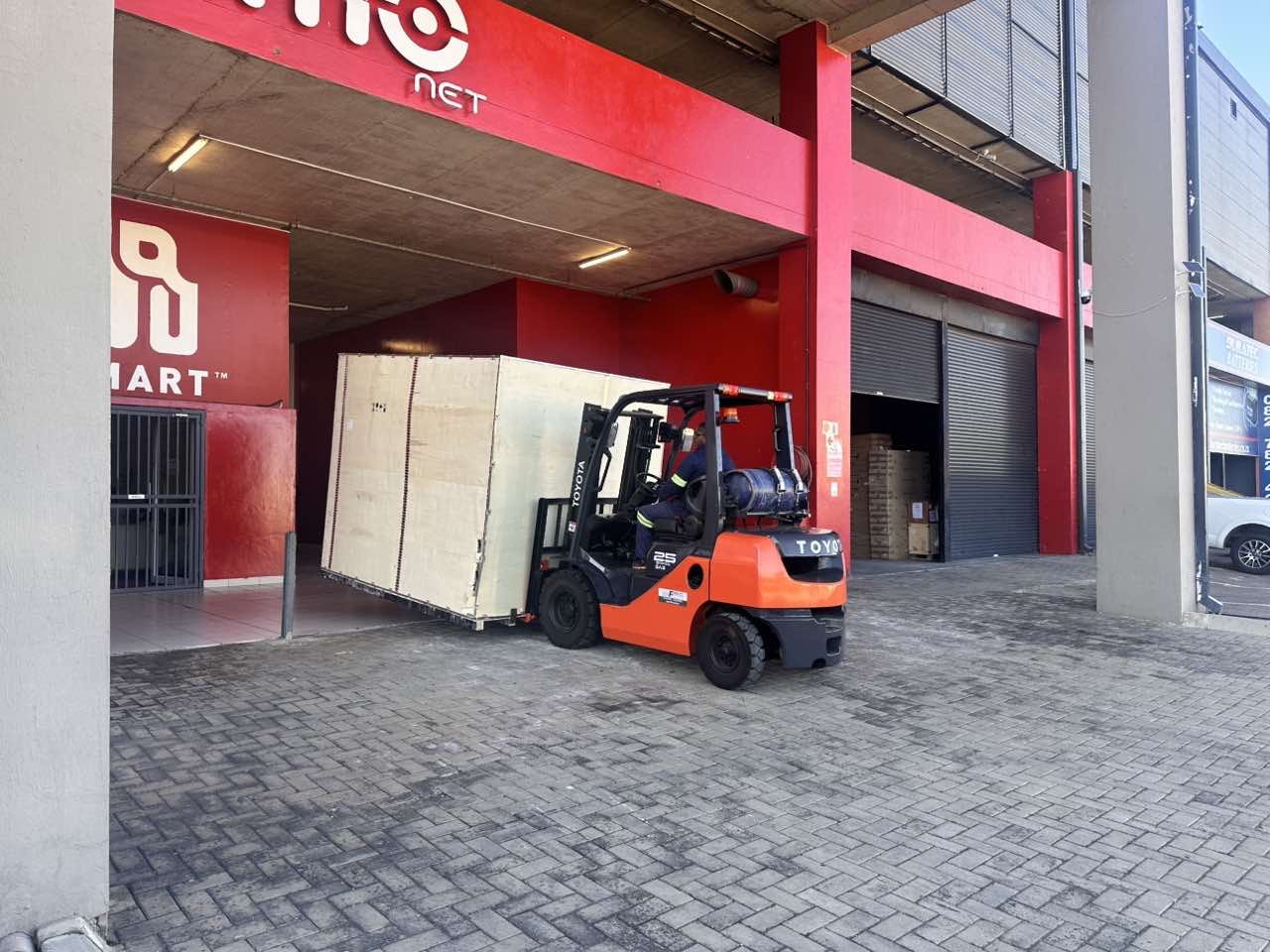
latest arrivals
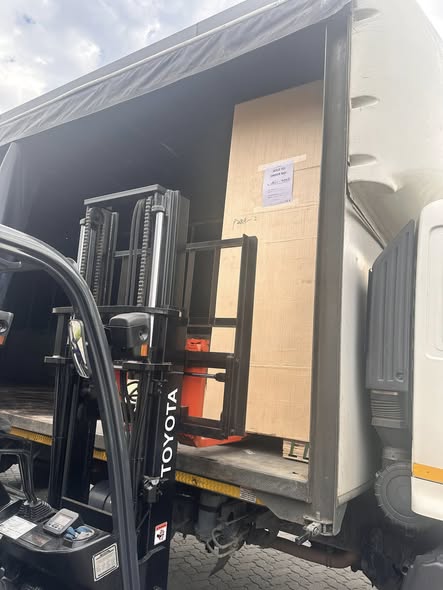
offloading
order success
order collection
order offloading