B21, China Town Mall, Midrand


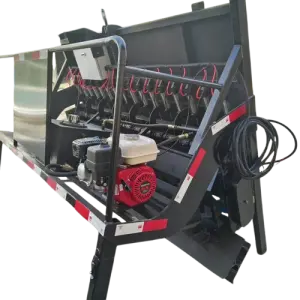
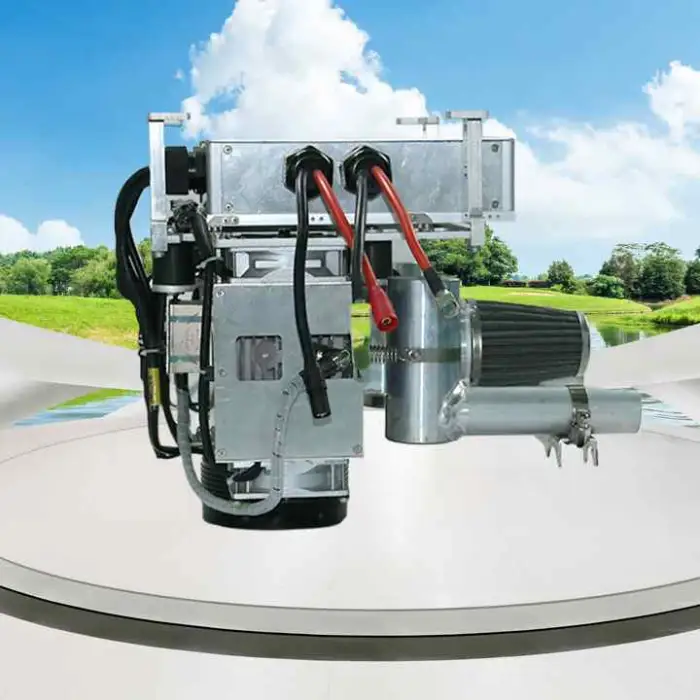
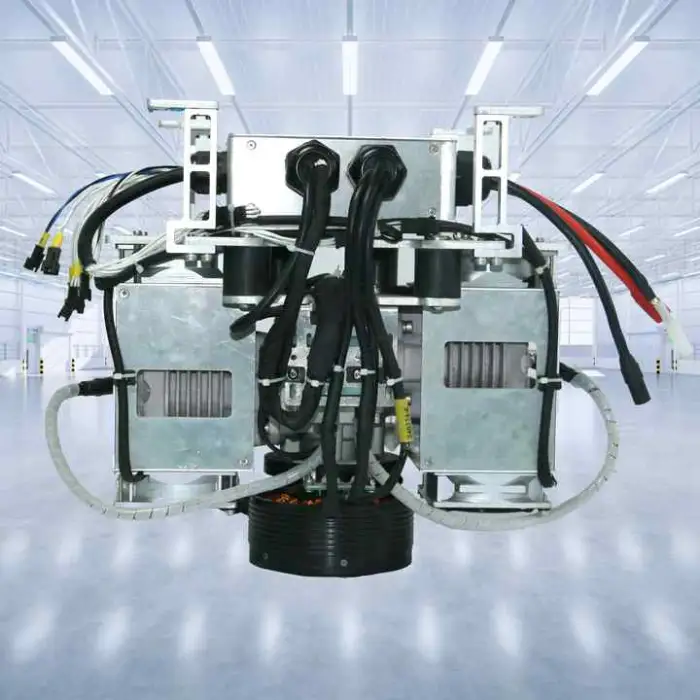
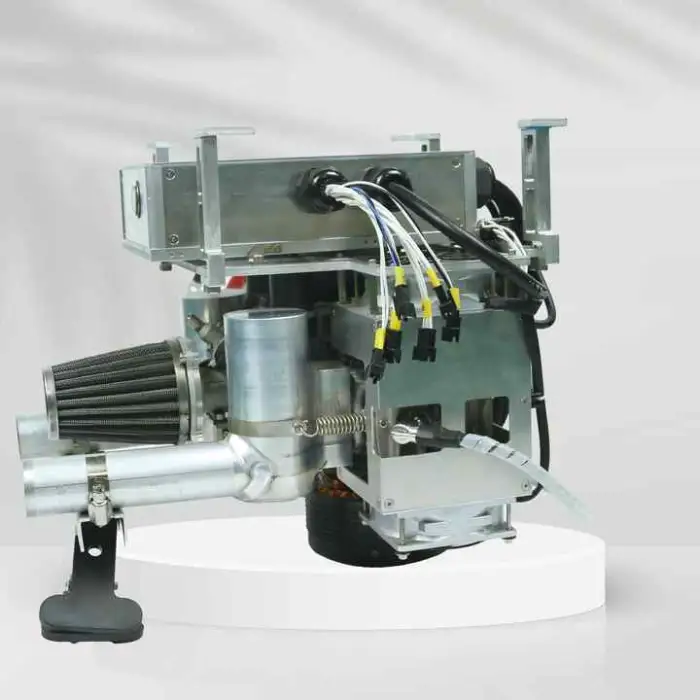
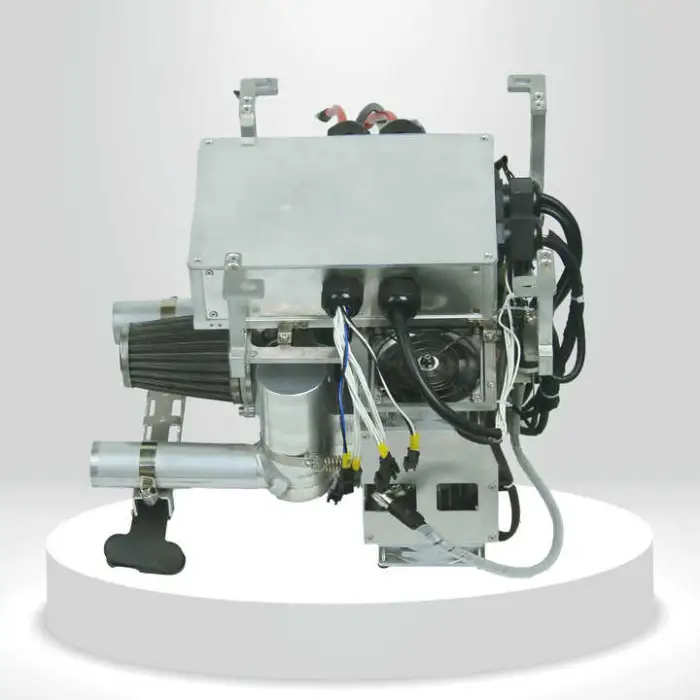
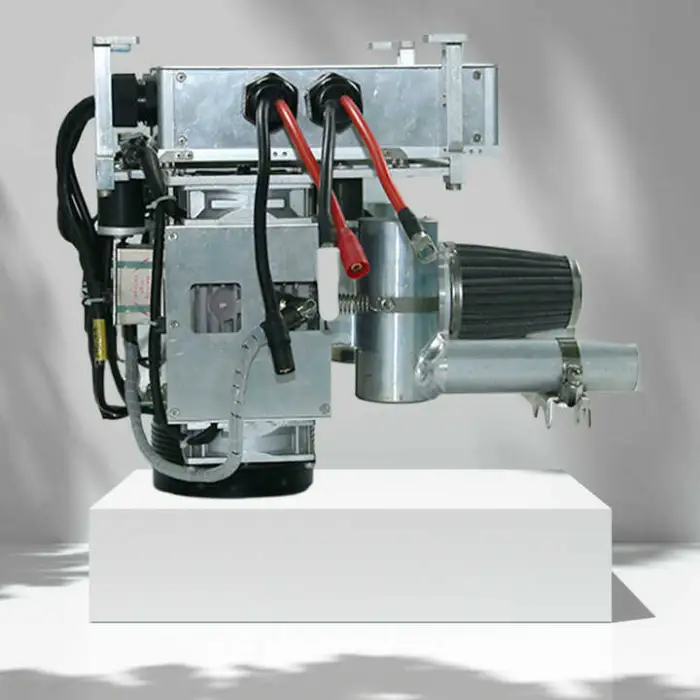
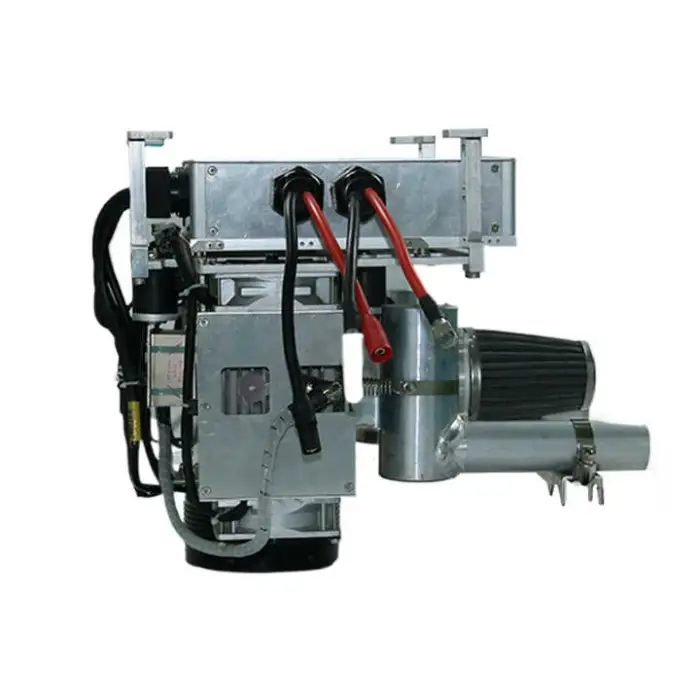
160L Remote Sprayer Gasoline Engine Orchard Farm Drone High Productivity Machine Engine
Asset finance available
Do you want funding for this equipment?
Afrimart can connect you with trusted funding partners who specialise in asset finance for businesses like yours. Compare options and apply in minutes — final approval is subject to provider review.
Check funding options
Secure & no obligation

- Section : Machinery
- Category : Other Agricultural Equipment
- SKU : 1601255416674

OEM160L Remote Sprayer Gasoline Engine Orchard Farm Drone High Productivity Machine Engine
The OEM160L Remote Sprayer is a powerful and efficient tool for modern farming. This gasoline engine drone is designed to help farmers spray their crops with ease and precision. With its high productivity features, you can cover large areas in less time. This machine is perfect for those looking to enhance their agricultural practices.
Specifications
| Attribute | Details |
|---|---|
| Weight | 5 KG |
| Brand Name | ZLINK |
| Diameter | 10 inch |
| Features | High efficient |
| Core Components | PLC, avionics module, camera module, radar module |
| Usage | Agriculture |
| Weight of Single Package | 68.000 KG |
| Single Package Size | 1500X120X120 cm |
| Selling Units | Single item |
| Sprayer Type | Pump |
Key Features
- High efficiency for large-scale spraying.
- Lightweight design for easy maneuverability.
- Advanced avionics and camera modules for precise application.
- Easy to operate with remote control.
Applications
- Ideal for spraying crops in orchards and farms.
- Can be used for monitoring crop health from the air.
- Suitable for applying fertilizers and pesticides efficiently.
- Perfect for large agricultural fields requiring quick treatment.
- Helps in saving time and labor in farming operations.
Product Info Gallery
- Shipping Timeframes: All orders are processed within 2-5 business days (excluding weekends and holidays). After your order has been processed, the estimated delivery time is before 03 Aug, 2026, depending on customs, Please note that due to high demand, some items may experience longer shipping times, which will be communicated at order confirmation email.
- Order Processing Time: Please allow 2-5 business days for us to process your order before it is shipped . Orders placed after 16:00 on Fridays, or during weekends and public holidays, will begin processing on the next business day. Processing times may be extended during peak seasons or sales events.
- Manufacturing Time: Some products needs manufacturing time, the manufacturing process will take approximately 10-30 business days depending on the product. This timeframe may vary depending on the complexity of the product and current demand. but this will be communicated with you during order confirmation.
- Returns and Exchanges: We offer a 30-day return policy for most items. If you are not completely satisfied with your purchase, you may return it within 30 days of receipt for a refund or exchange. Items must be unused, in their original packaging, and accompanied by proof of purchase. Return shipping costs are the responsibility of the customer, unless the item was damaged or defective upon arrival.
1. What is the OEM160L Remote Sprayer?
The OEM160L Remote Sprayer is a gasoline-engine, remote-controlled agricultural drone designed for high-productivity spraying and aerial monitoring of orchards and farms. It integrates avionics, PLC, camera and radar modules for precision application.
2. Is the OEM160L powered by gasoline?
Yes. The product description specifies a gasoline engine as the primary power source for the OEM160L remote sprayer.
3. What spraying system does it use?
The OEM160L uses a pump-type sprayer system, suitable for applying pesticides, fertilizers, and other liquid treatments.
4. What are the main onboard components and features?
Key components include a PLC, avionics module, camera module and radar module. Notable features are high-efficiency spraying, lightweight design for maneuverability, and remote operation for precise application.
5. What is the weight of the machine and the shipping package?
The specification lists a product weight of 5 kg and a single package weight of 68.000 kg. The larger package weight likely includes protective packaging, accessories and shipping materials; confirm with the seller for exact contents.
6. What are the package dimensions?
The listed single package size is 1500 x 120 x 120 cm. Please verify this dimension with the manufacturer or supplier before purchase, as packaging formats can vary by shipper and region.
7. How large an area can the OEM160L cover and how productive is it?
Productivity depends on operating parameters (spray rate, altitude, speed, and tank capacity). The OEM160L is marketed for high productivity and large-area coverage, but exact coverage per flight should be confirmed with the supplier or in the technical manual.
8. How do I operate the drone and control the spray?
The OEM160L is designed for remote operation. It includes avionics for flight control and remote sprayer control. The supplier should provide the specific remote/controller interface and user manual.
9. Can the drone be used for crop monitoring?
Yes. The OEM160L includes a camera module (and radar) which can be used for aerial monitoring of crop health and field scouting in addition to spraying.
10. Is training required to operate this machine?
Operators should be trained in safe drone operation, pesticide application rules, and gasoline engine maintenance. Many suppliers offer training or can recommend certified operators—ask your supplier about available training programs.
11. What maintenance is required?
Regular maintenance includes gasoline engine servicing (fuel system, spark plugs), cleaning and inspecting the pump and nozzles, checking avionics/camera connections, calibrating the sprayer, and following the manufacturer's maintenance schedule.
12. What safety and regulatory considerations apply?
Follow local aviation and agricultural chemical application regulations, use appropriate PPE when handling chemicals, ensure safe fuel handling for gasoline engines, and operate within vetted flight zones. Check local laws on unmanned aerial spraying.
13. Does the OEM160L come with warranty and after-sales support?
Warranty and after-sales support details are not provided in the brief. Contact the manufacturer or authorized distributor for warranty terms, spare parts availability and technical support options.
14. How can I get more detailed specifications (tank capacity, flight time, spray width, payload)?
For exact technical parameters such as tank capacity, flight time, spray width and maximum payload, request the full technical datasheet or contact the manufacturer/seller directly. Model names like '160L' may imply capacity but always confirm official specs.
15. Is the OEM160L suitable for large farms and orchards?
Yes. The machine is marketed specifically for orchards and large agricultural fields where quick, large-area treatment and aerial monitoring are required, helping to save time and labor compared with manual spraying.
Latest Order Arrivals
Discover our latest orders
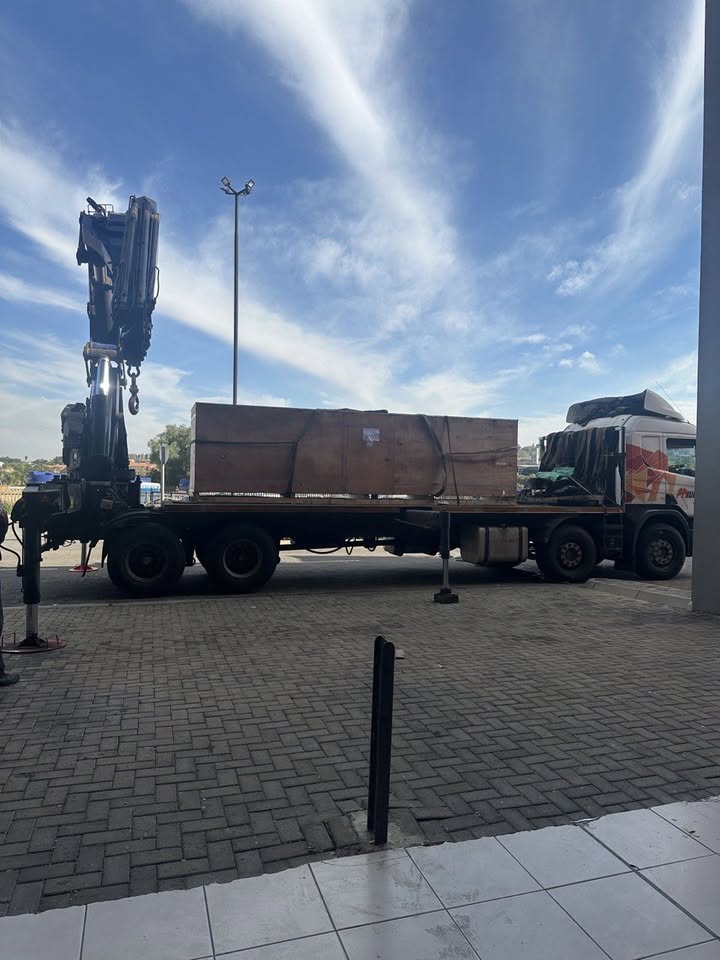
12 Heads Embroidery Machine
Toilet Paper Machine Machine
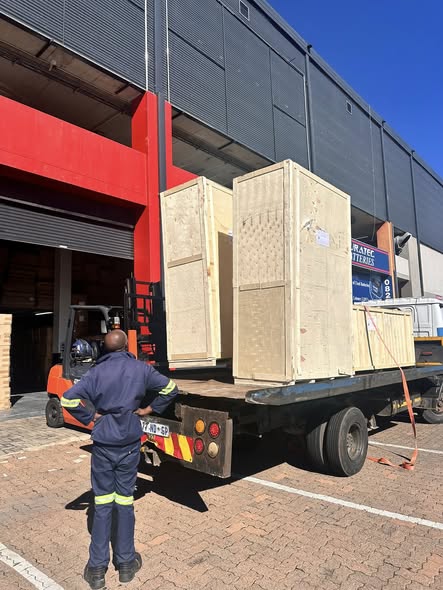
Order Collection
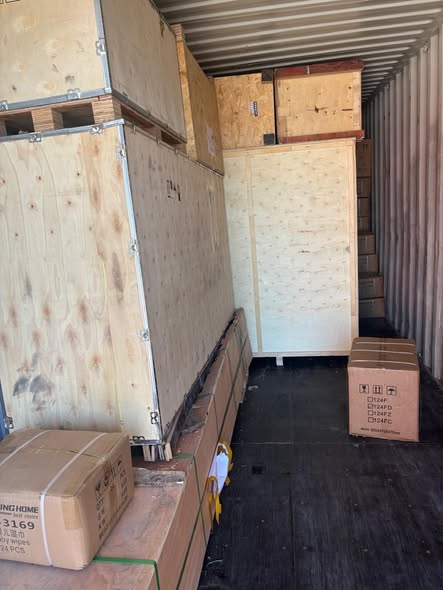
Cross Border Clients
Order cros border countries Collected
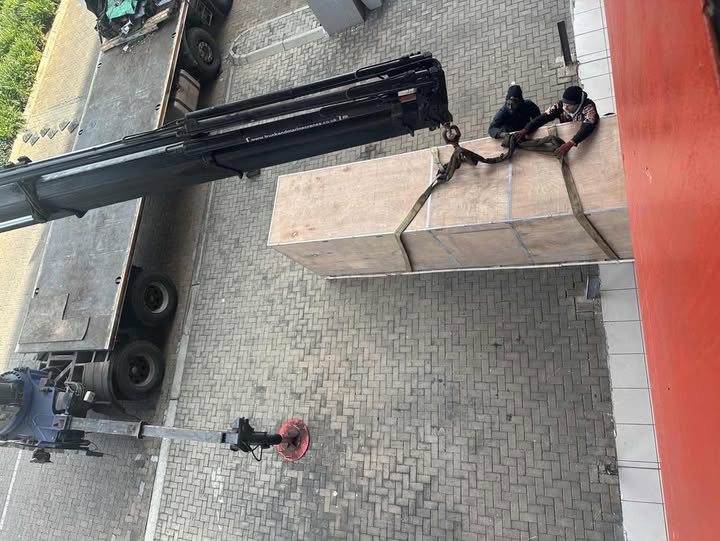
Industrial Machine Cllection
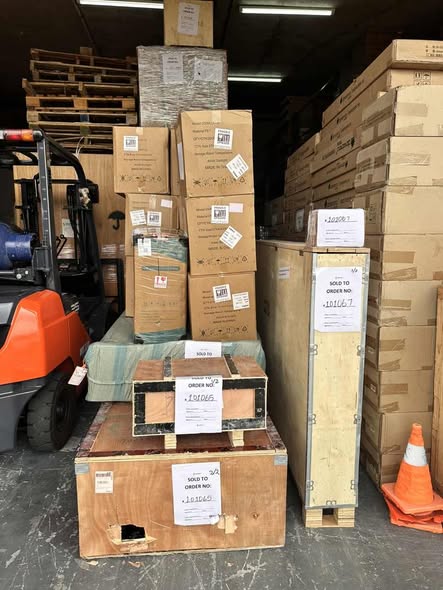
Agriculture Processing Machines
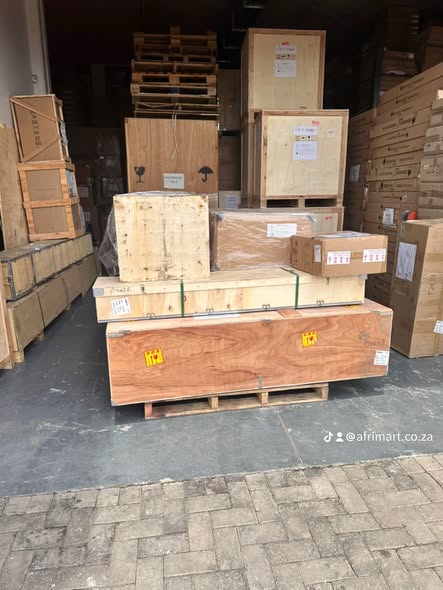
Ready for collection
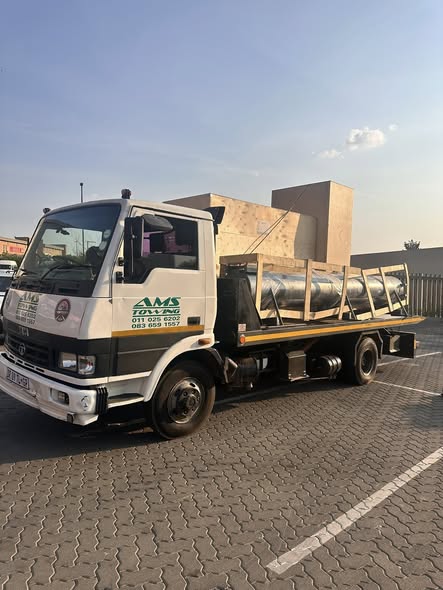
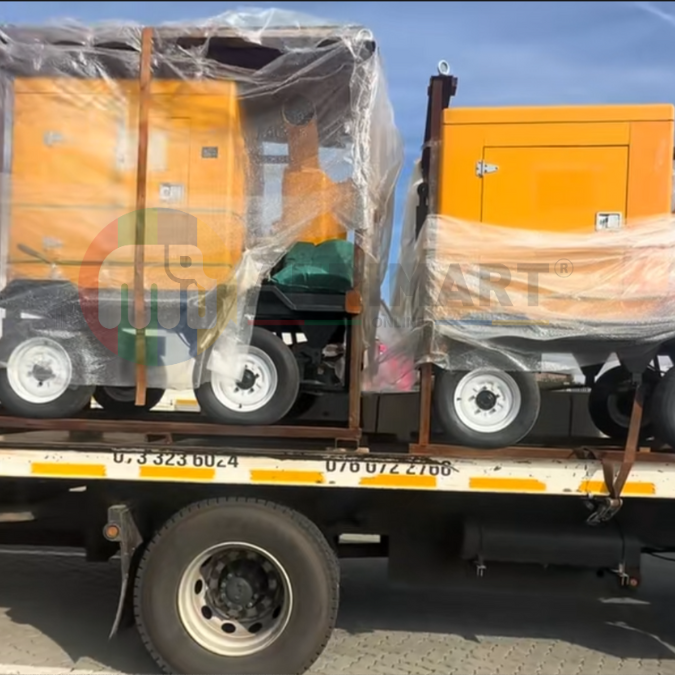
Water Pump Equipment
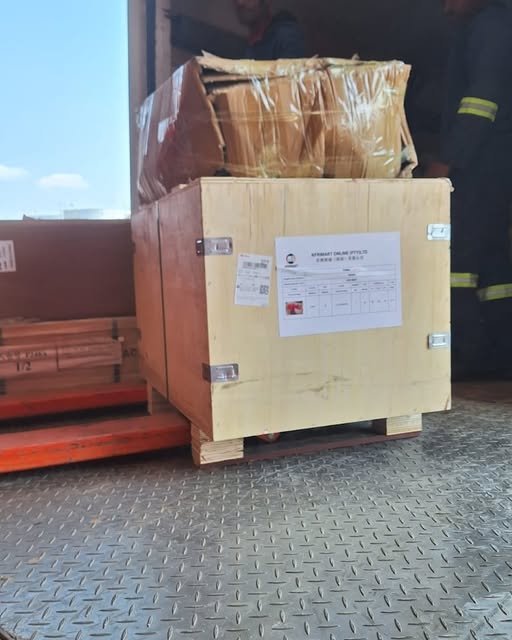
Packaging Machine and accessories
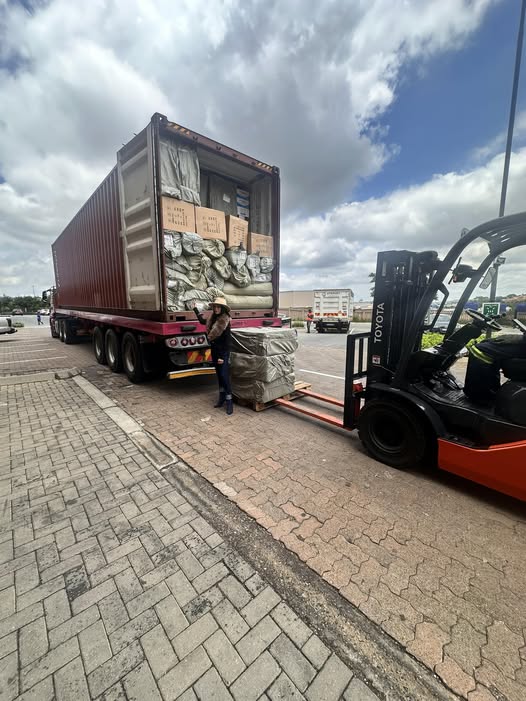
Fabrics Manufacturing Equipment
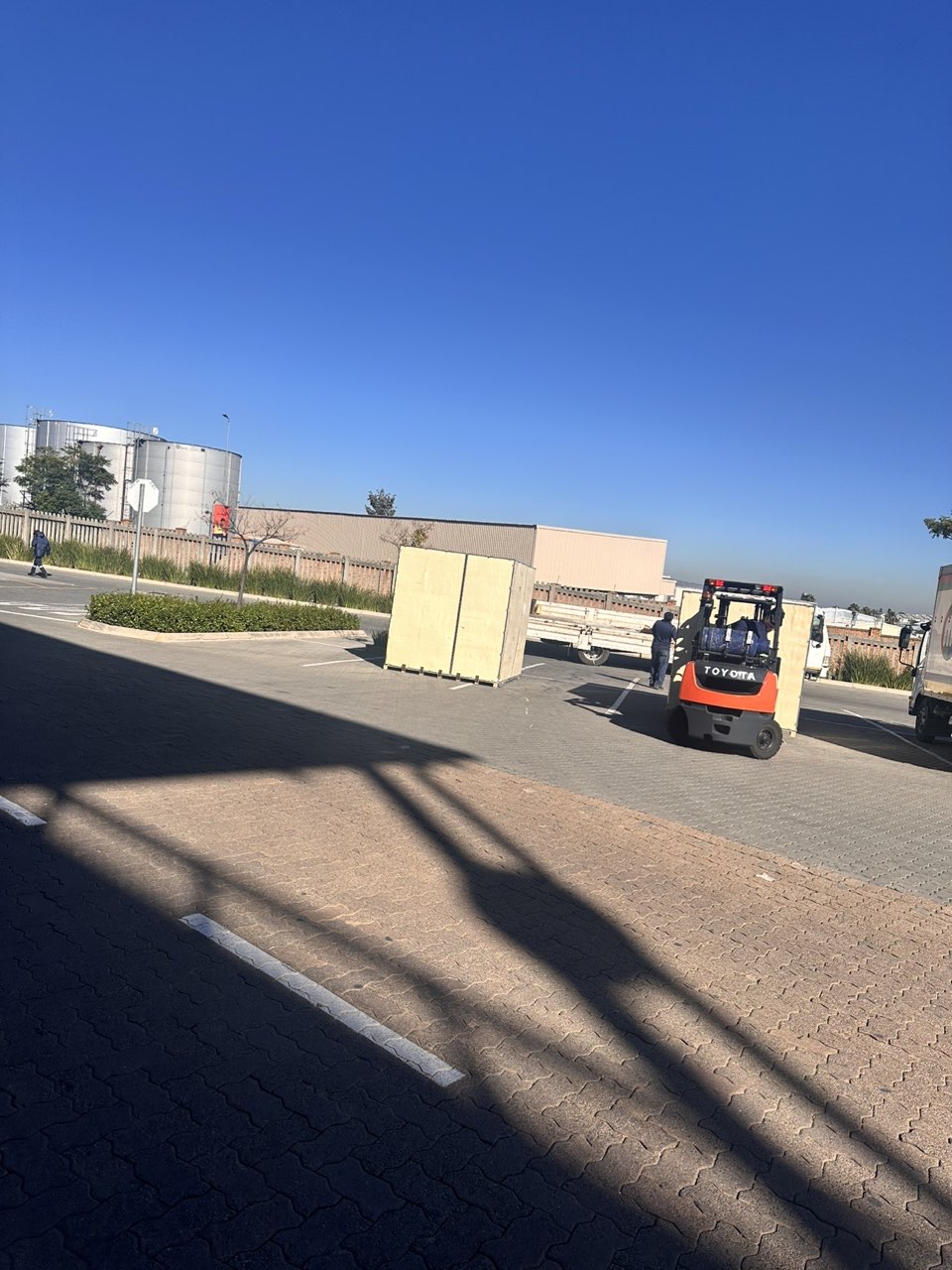
Mining Equipments
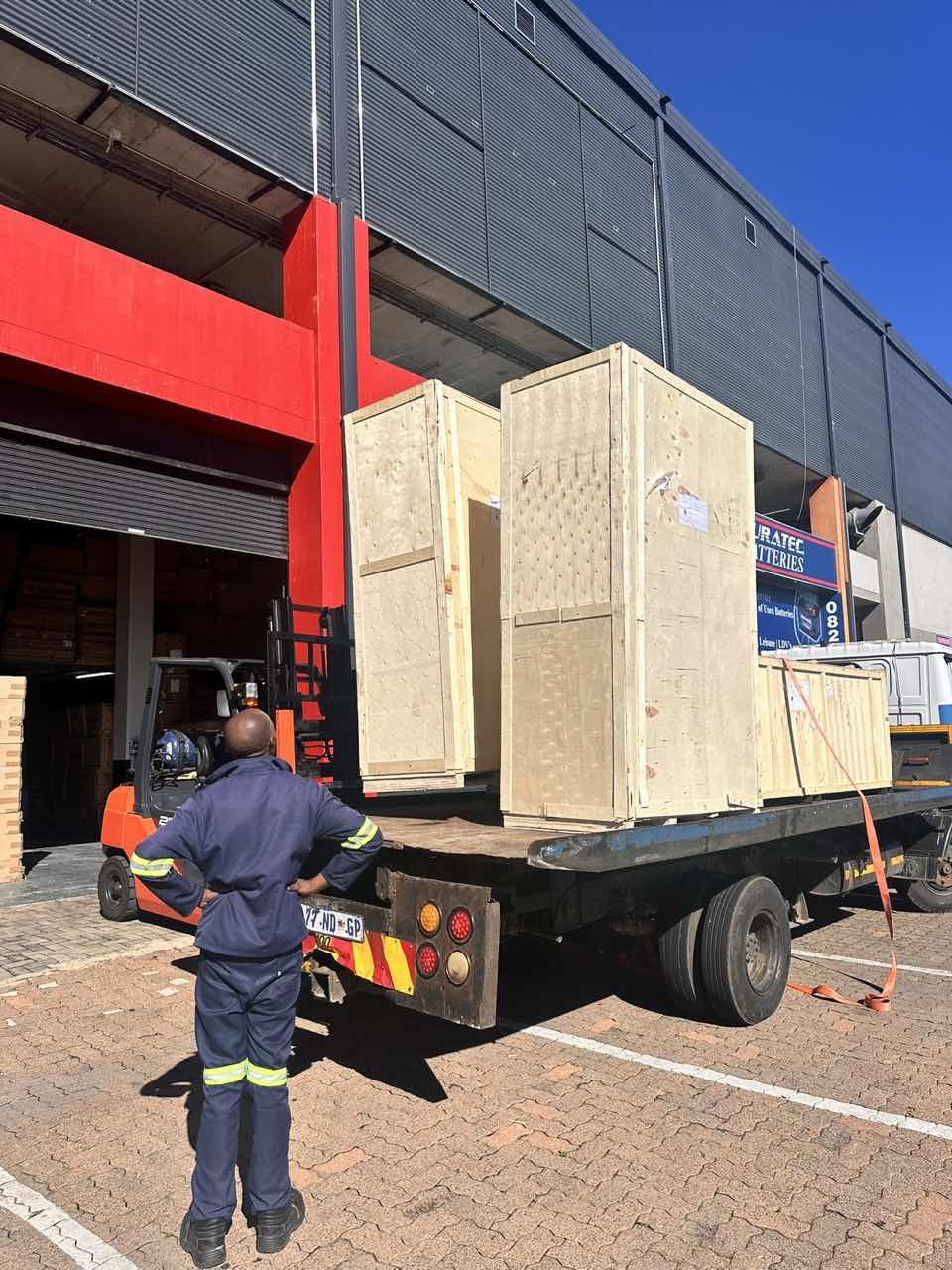
Food Processing Machine
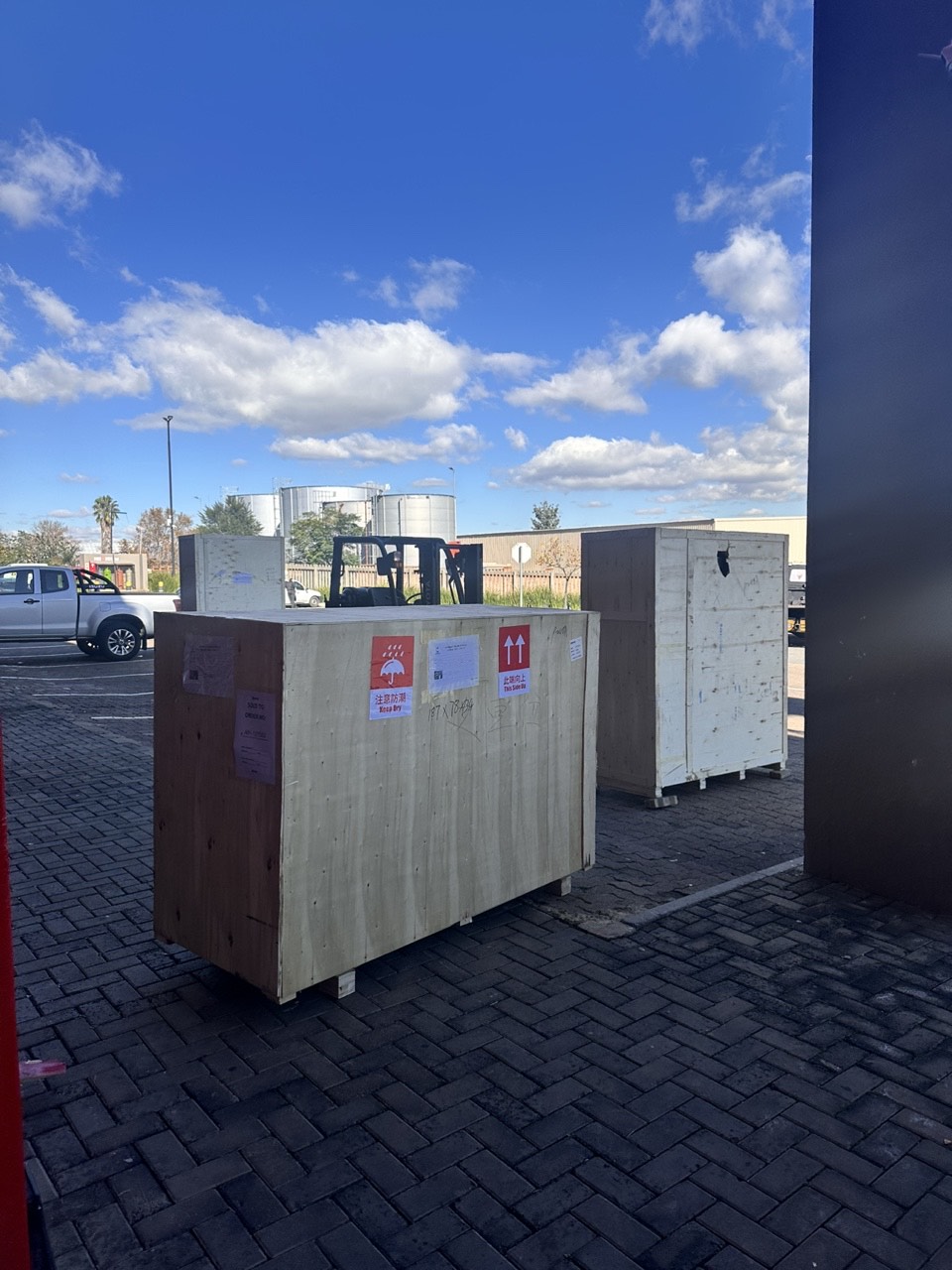
Batch of Orders
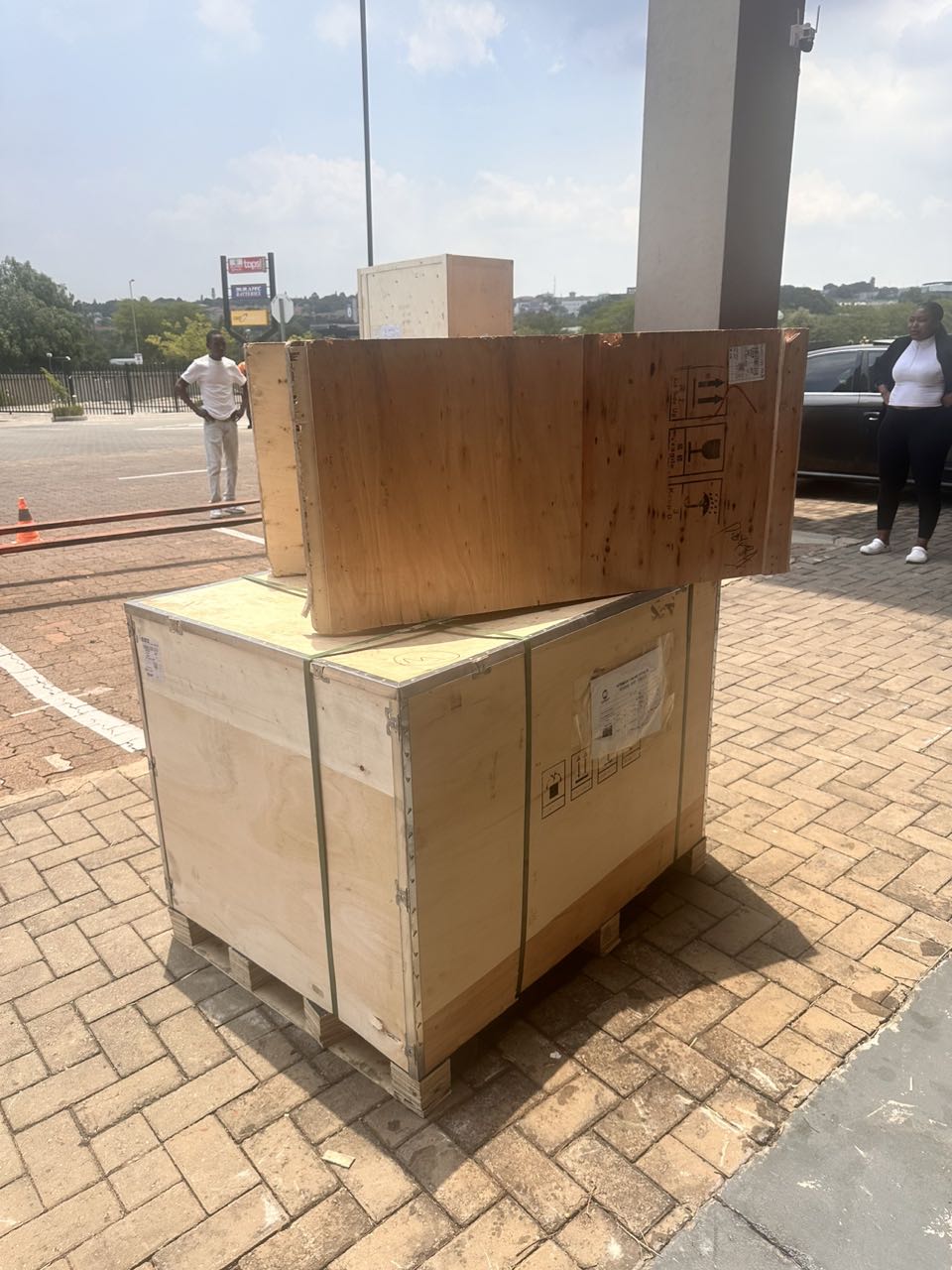
Batch of Orders
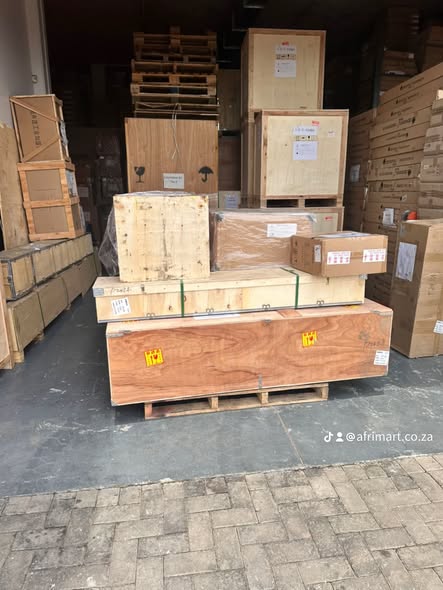
Latest Orders Labelled
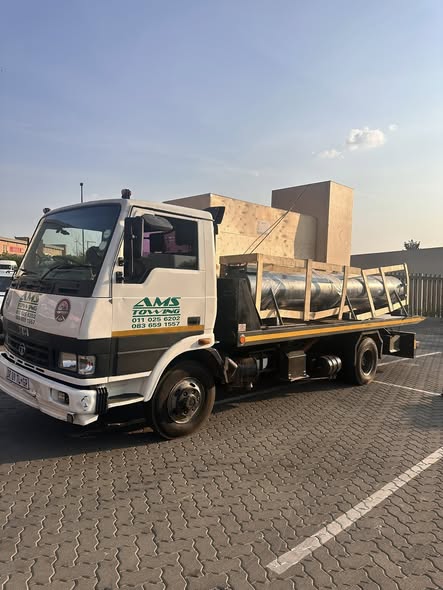
wheel alignment machines
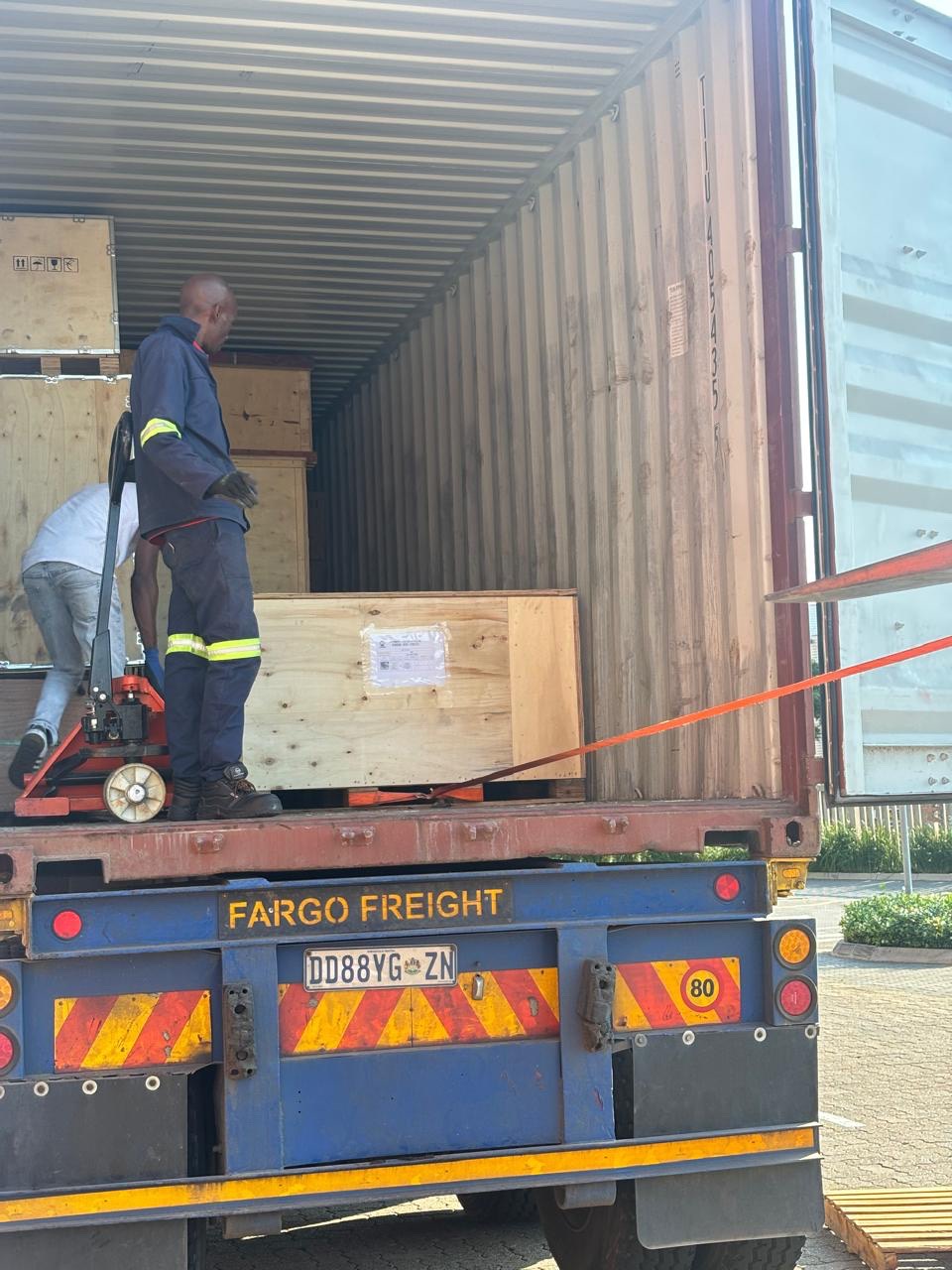
new arrivals
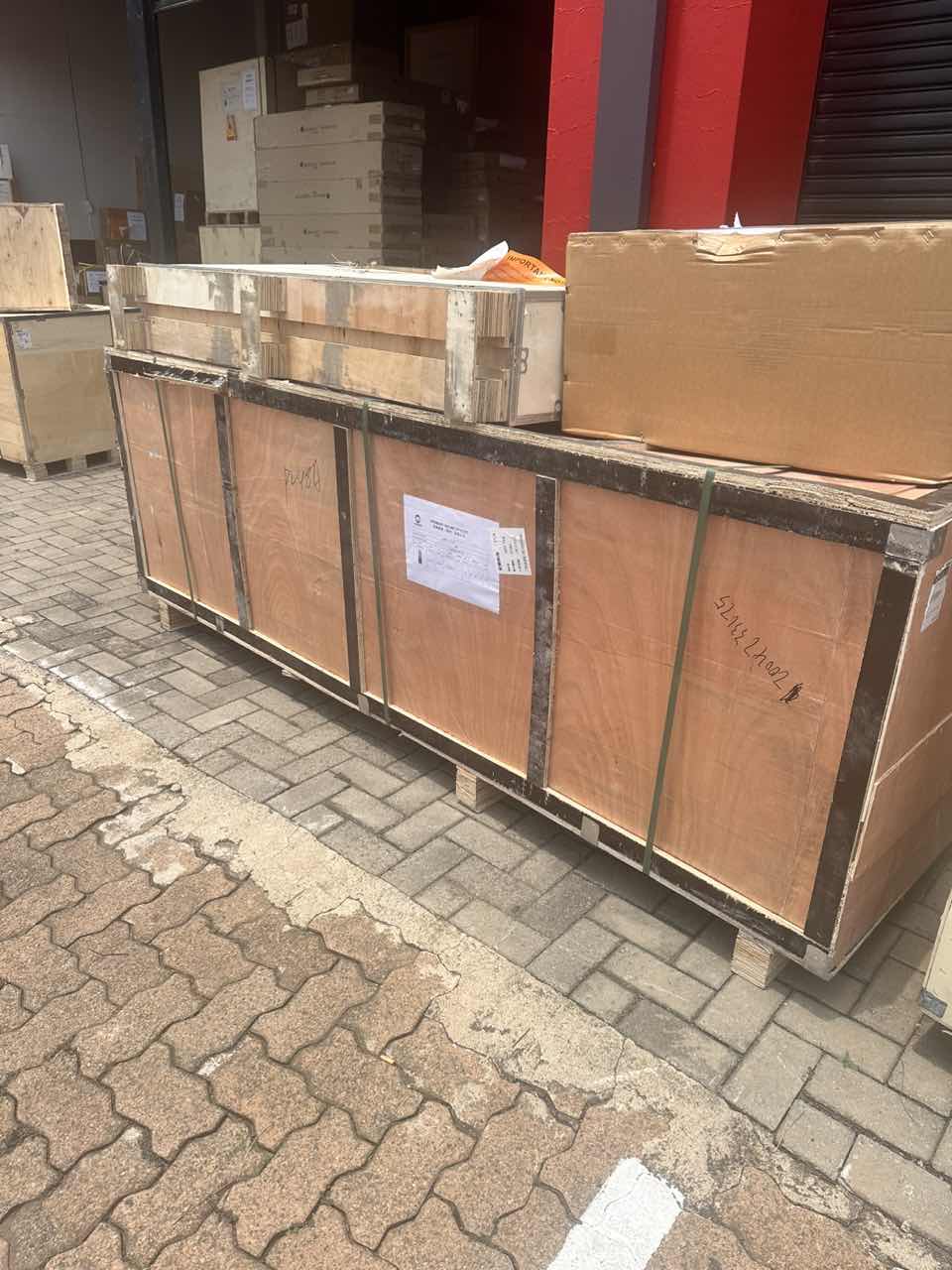
Pre Orders Offloading
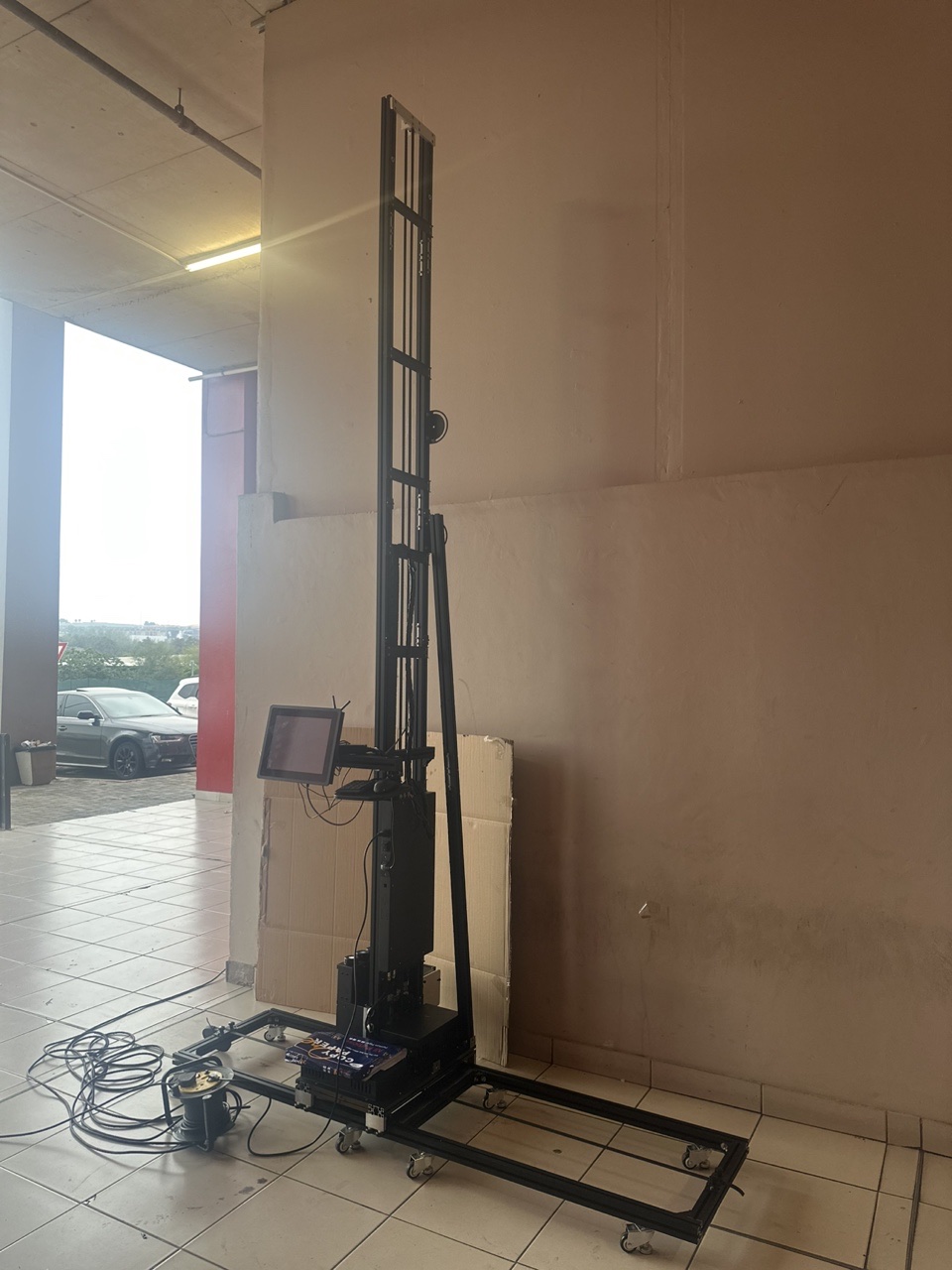
Latest Arrivals
Latest Arrivals
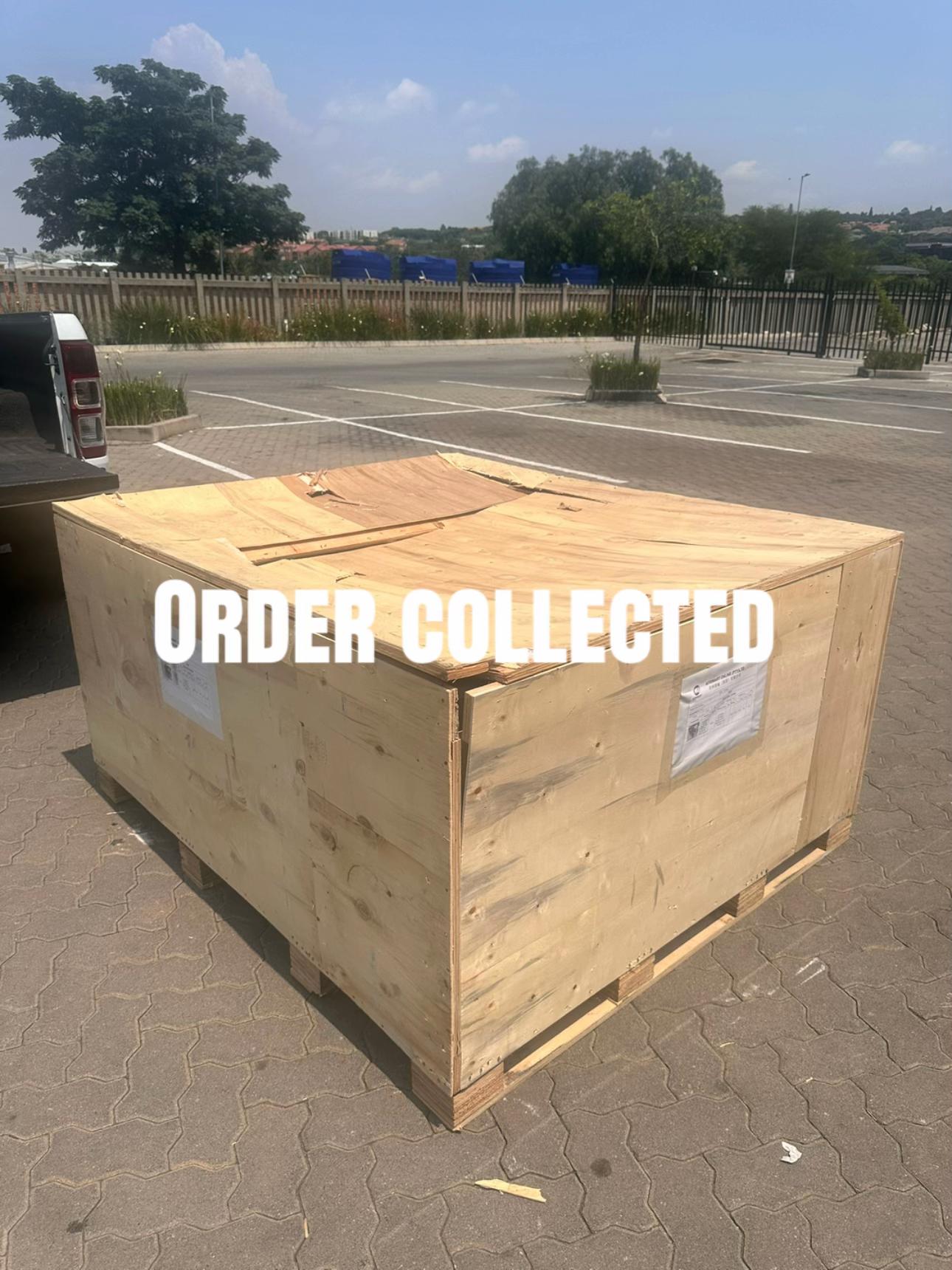
Latest Arrivals
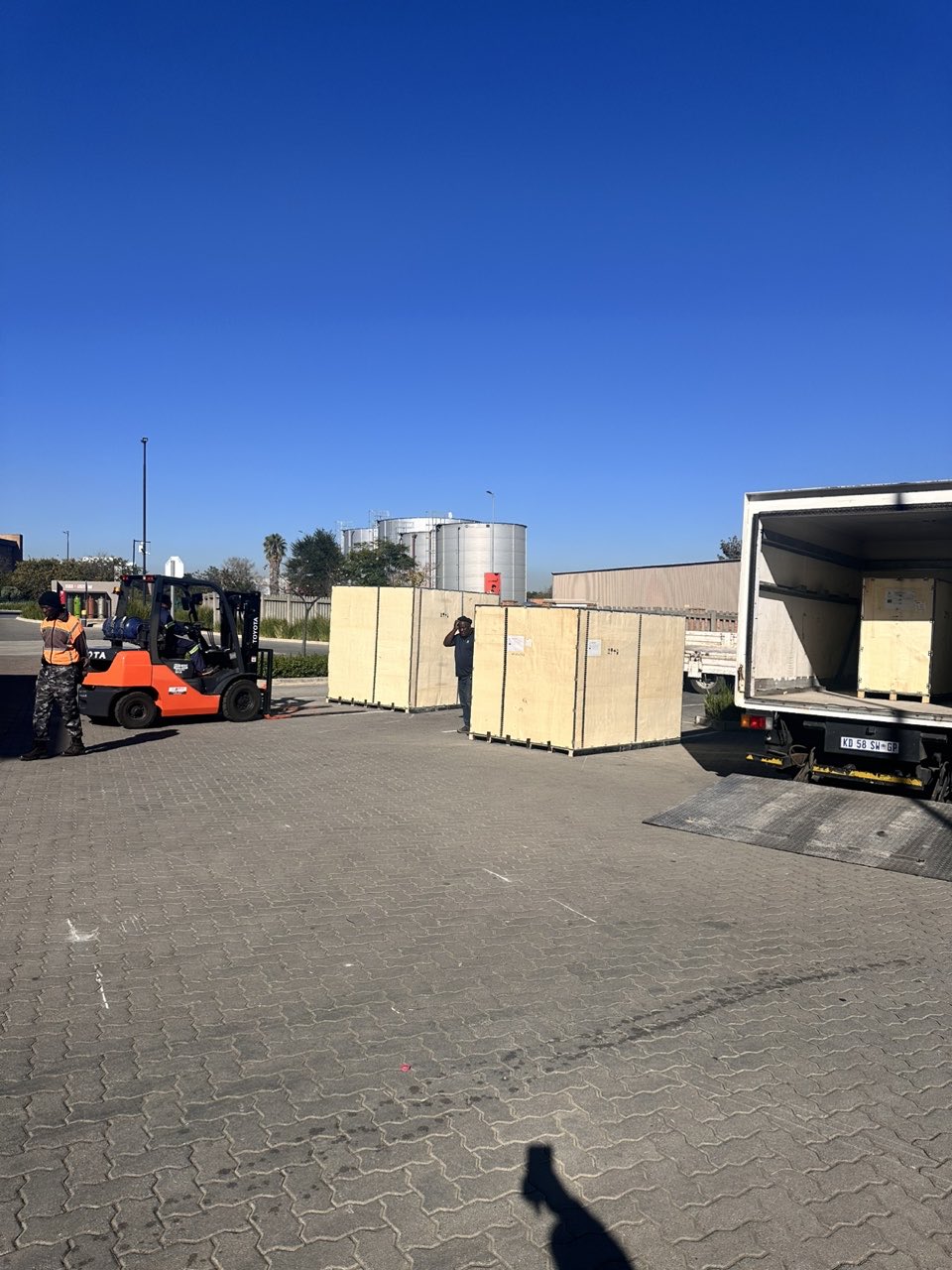
Loading
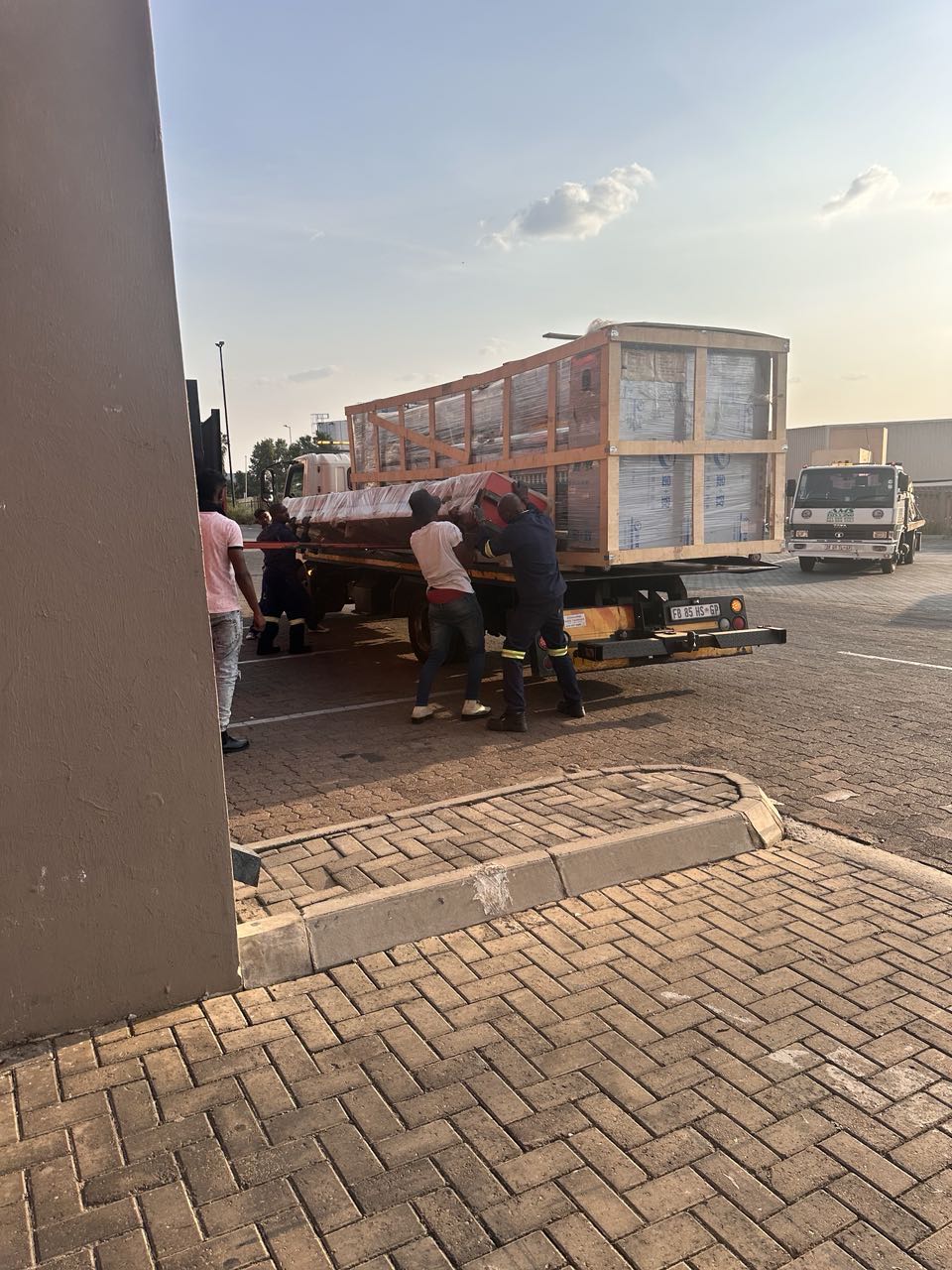
Toilet paper making machine
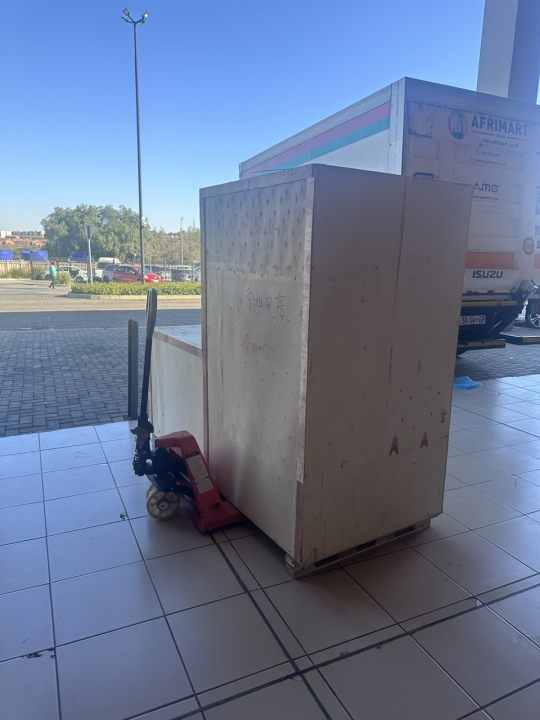
Toilet paper making machine
Toilet paper Rewinding Machine
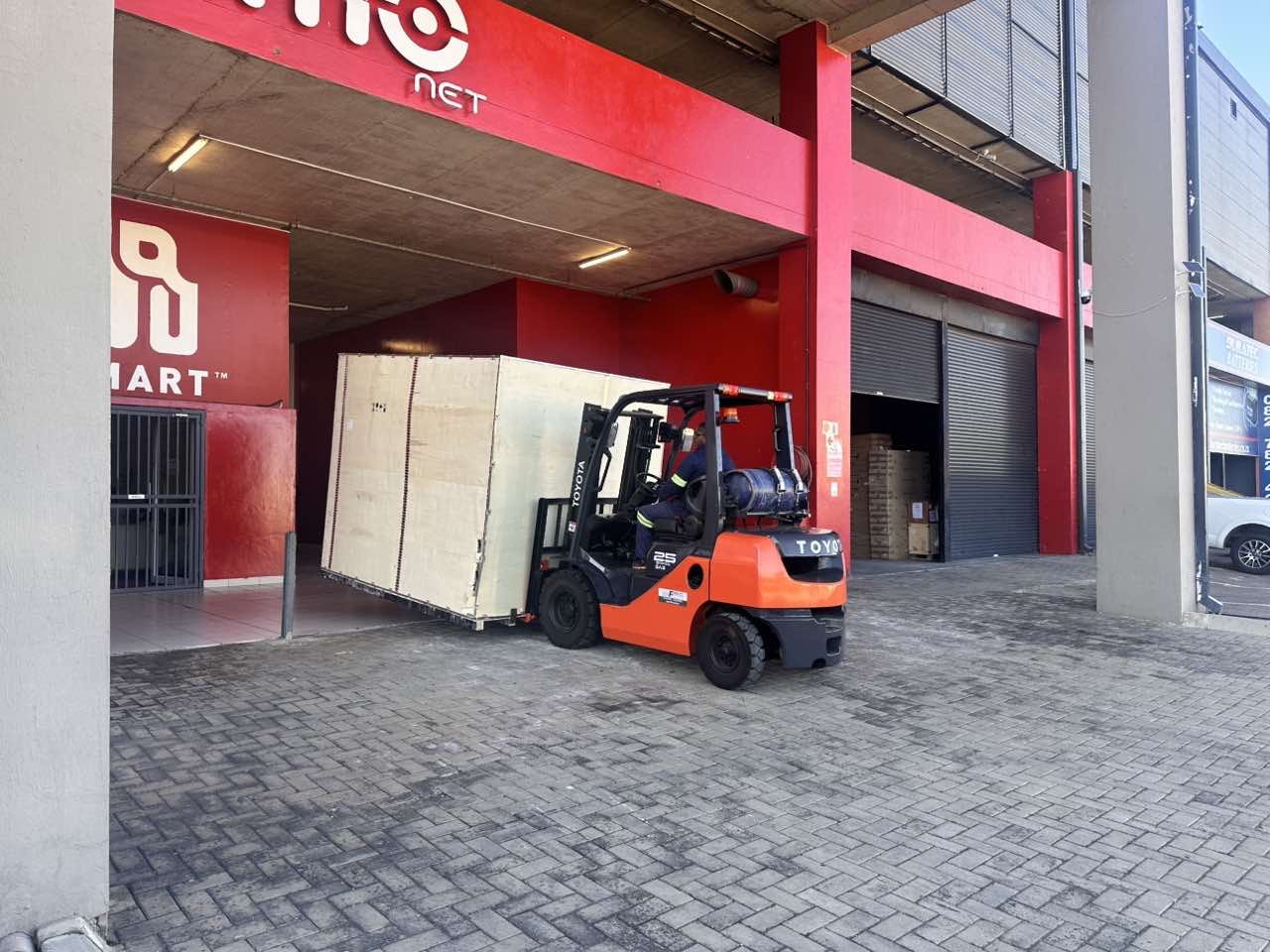
latest arrivals
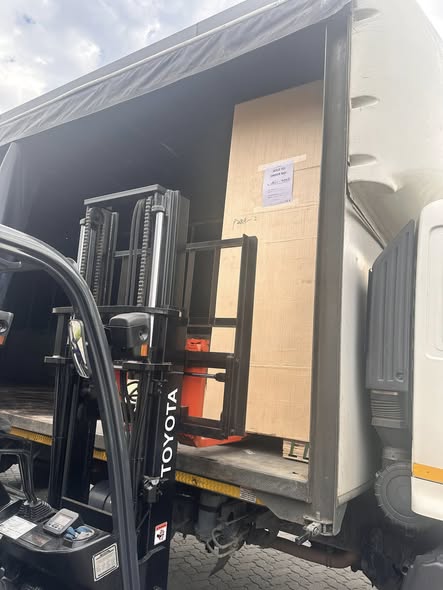
offloading
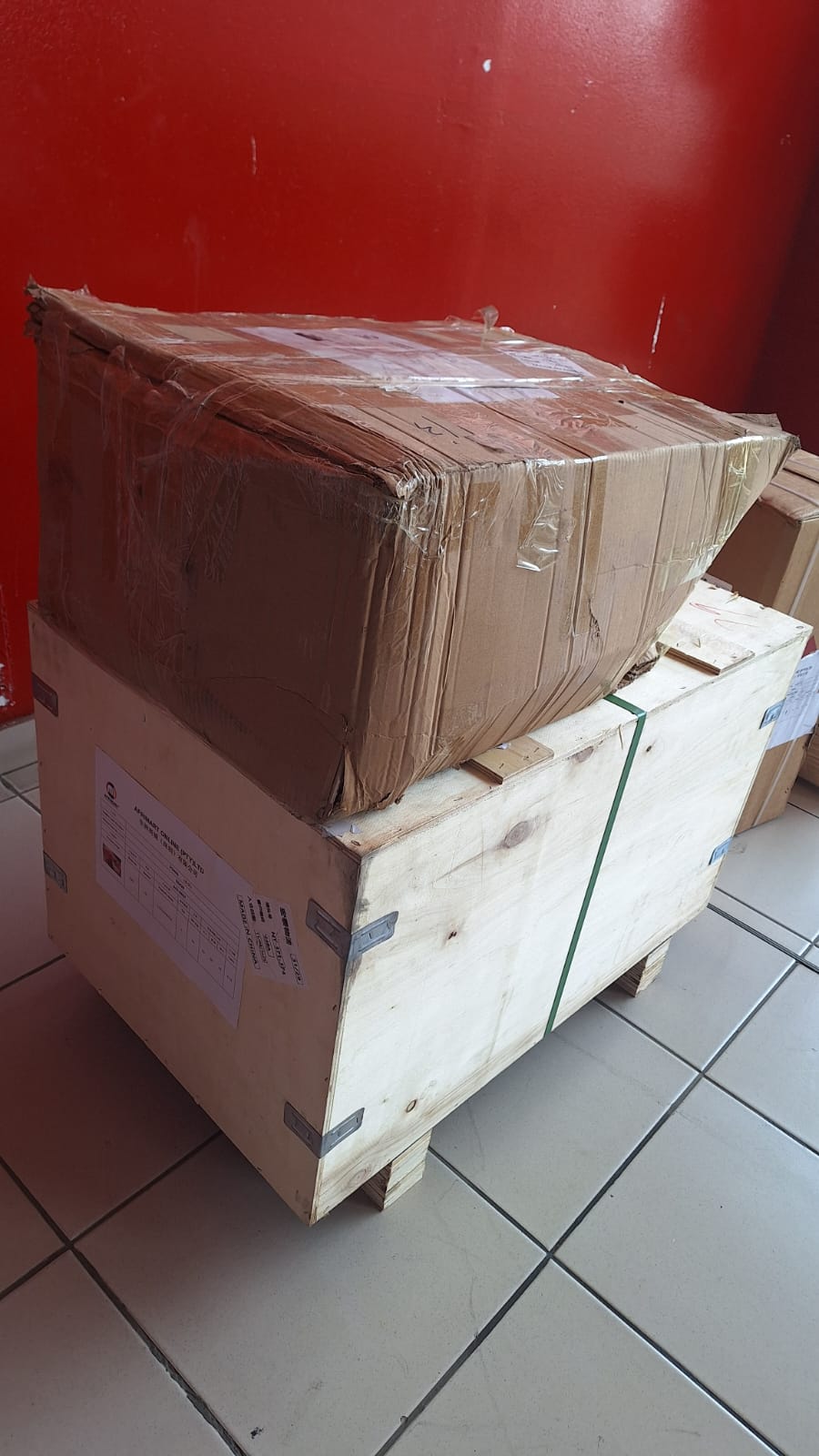
order success
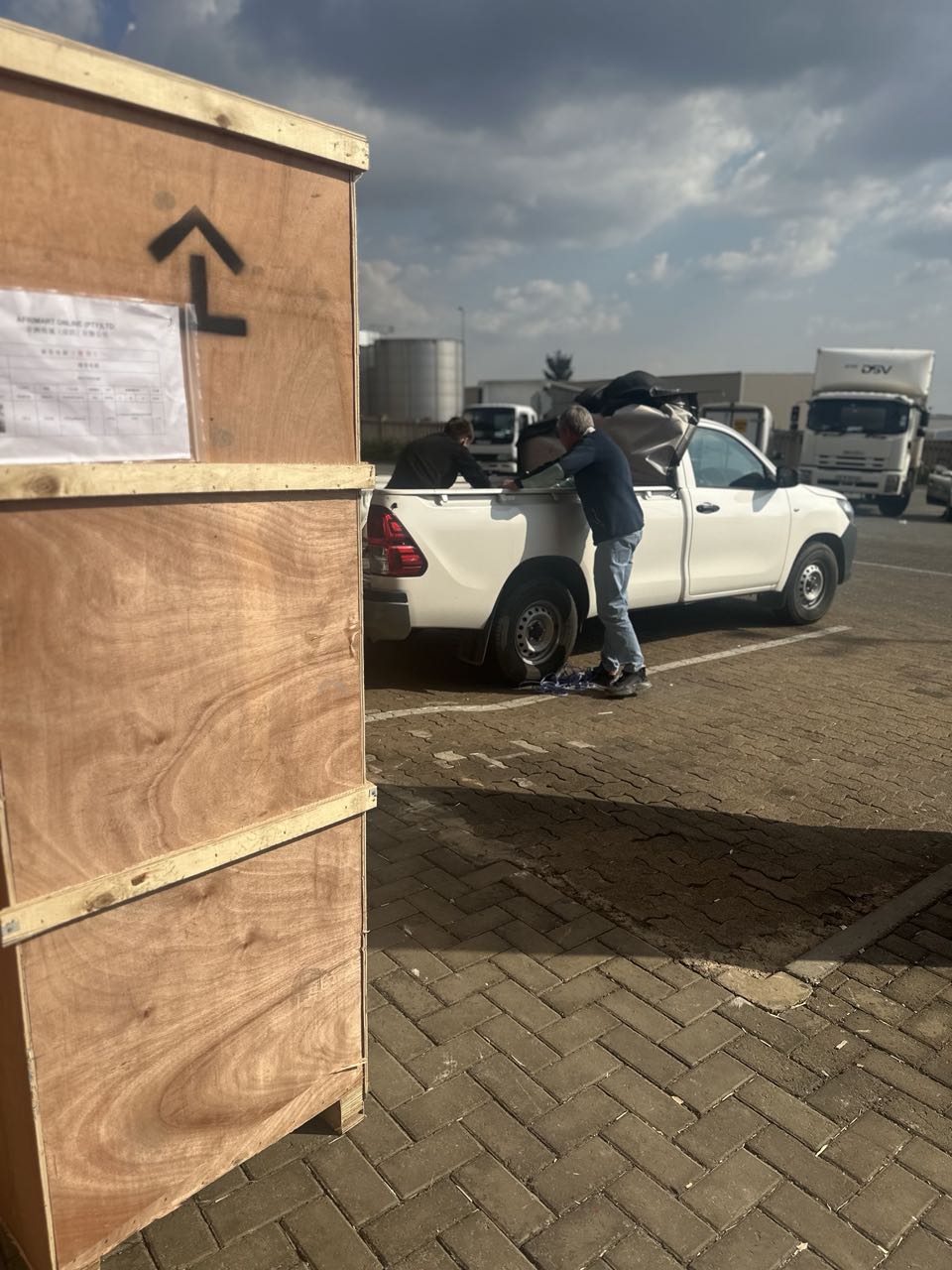
order collection
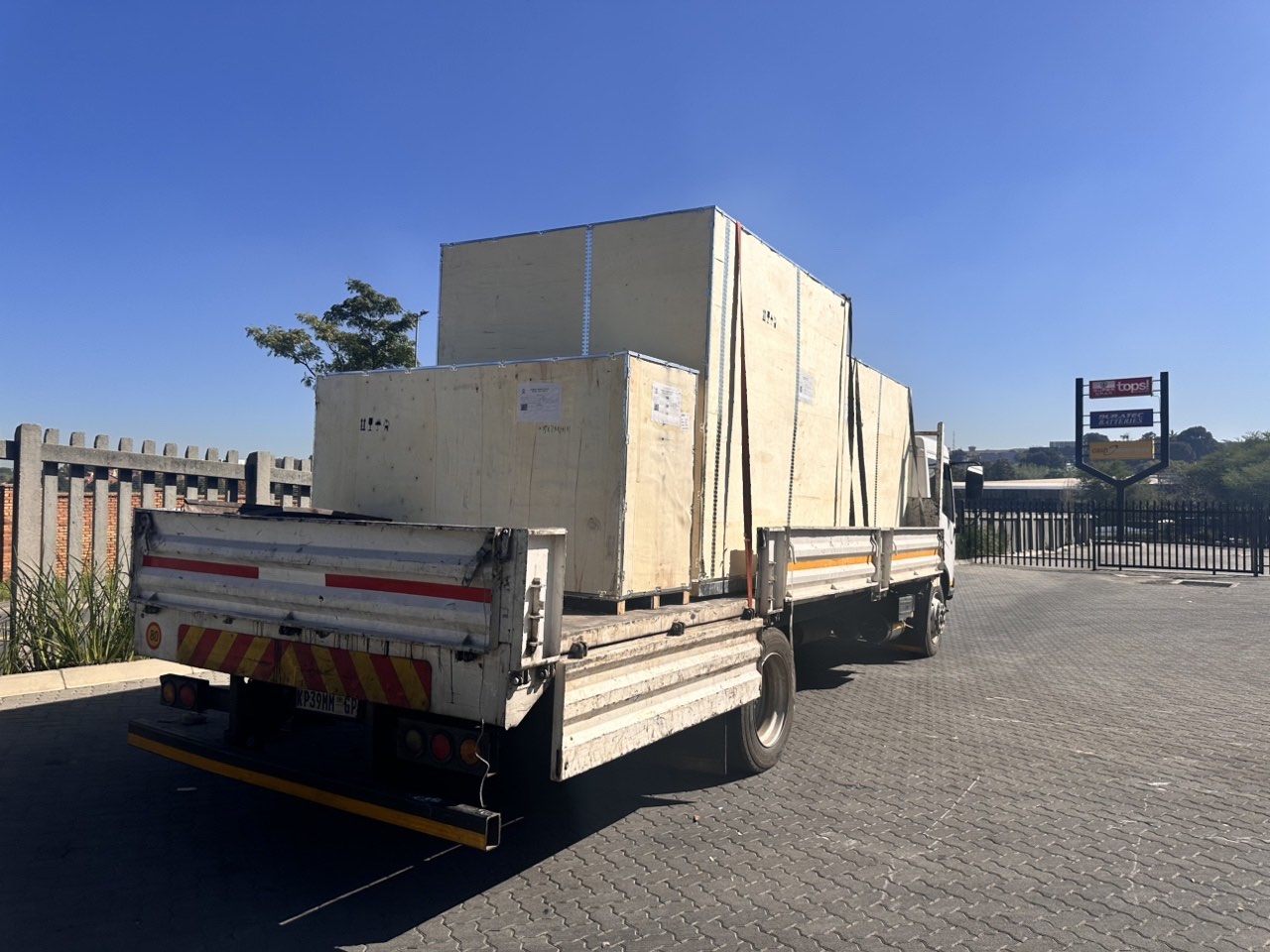
order offloading