B21, China Town Mall, Midrand


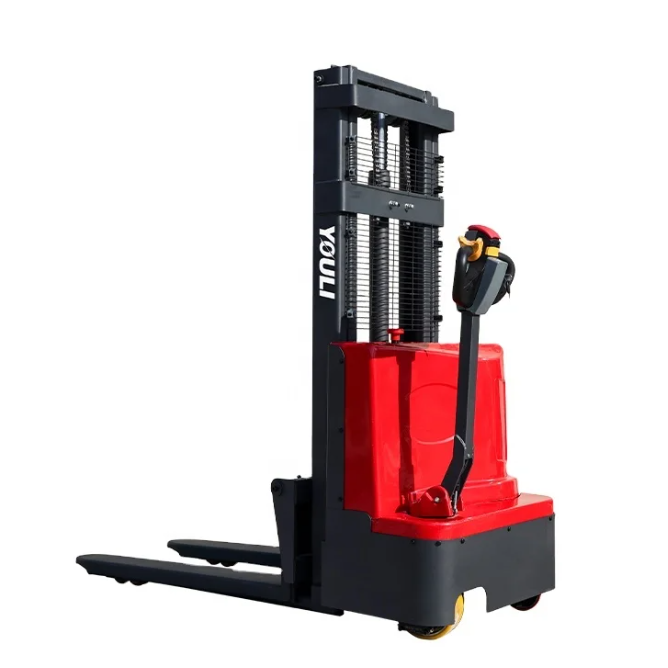
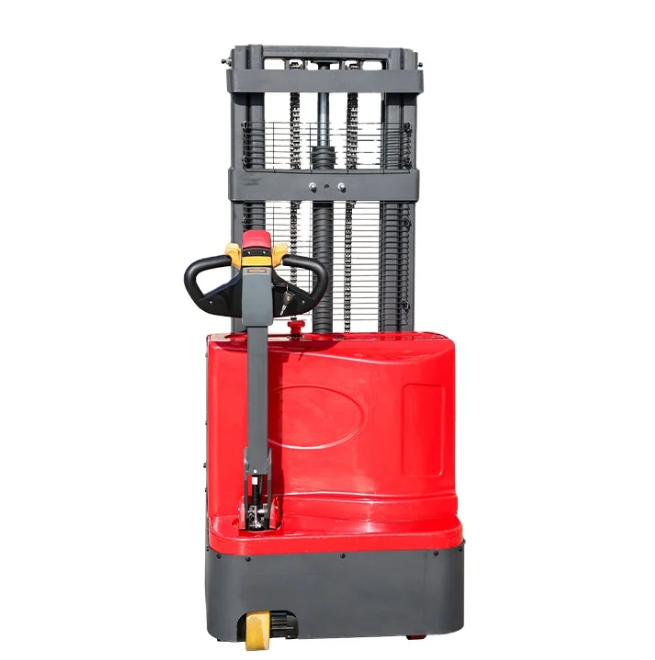
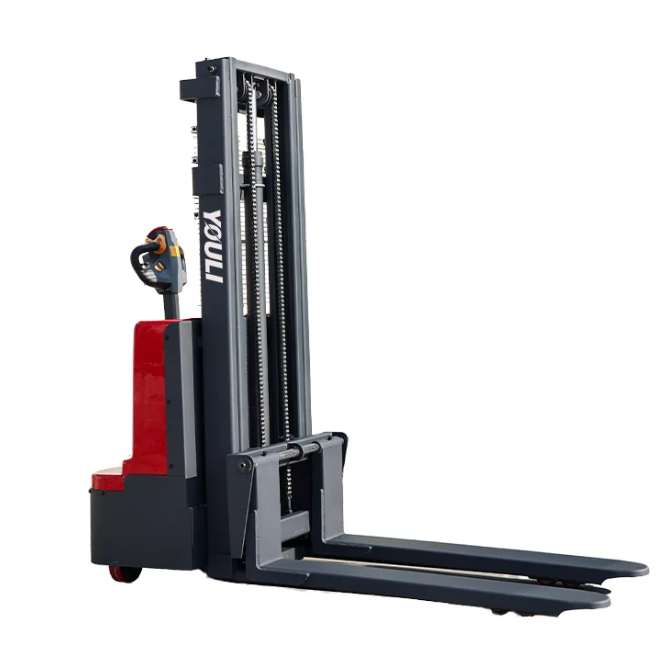
1.5 Ton 3500mm Lifting Height Full Electric Self Lifter Pallet Stacker
Asset finance available
Do you want funding for this equipment?
Afrimart can connect you with trusted funding partners who specialise in asset finance for businesses like yours. Compare options and apply in minutes — final approval is subject to provider review.
Check funding options
Secure & no obligation

- Section : Machinery
- Category : Forklifts
- SKU : 160106078967911

1.5 Ton 3500mm Lifting Height Full Electric Self Lifter Pallet Stacker
The 1.5 Ton 3500mm Lifting Height Full Electric Self Lifter Pallet Stacker is a reliable and efficient tool for lifting and moving heavy loads. This electric stacker is designed to make your lifting tasks easier and safer. With a lifting height of 3500mm, it can handle loads up to 1.5 tons with ease. Whether you are in a warehouse or a retail environment, this pallet stacker will help you save time and effort.
Specifications
| Attribute | Details |
|---|---|
| Lifting Capacity | 1.5 Ton |
| Lifting Height | 3500mm |
| Power Type | Electric |
| Control Type | Full Electric |
| Weight | Varies by model |
Key Features
- Easy to operate with electric controls
- High lifting capacity of 1.5 tons
- Maximum lifting height of 3500mm
- Durable design for long-lasting use
- Compact size for easy maneuverability
Applications
- Warehouse operations
- Retail stock handling
- Loading and unloading goods
- Inventory management
- Manufacturing processes
Product Info Gallery
- Shipping Timeframes: All orders are processed within 2-5 business days (excluding weekends and holidays). After your order has been processed, the estimated delivery time is before 03 Aug, 2026, depending on customs, Please note that due to high demand, some items may experience longer shipping times, which will be communicated at order confirmation email.
- Order Processing Time: Please allow 2-5 business days for us to process your order before it is shipped . Orders placed after 16:00 on Fridays, or during weekends and public holidays, will begin processing on the next business day. Processing times may be extended during peak seasons or sales events.
- Manufacturing Time: Some products needs manufacturing time, the manufacturing process will take approximately 10-30 business days depending on the product. This timeframe may vary depending on the complexity of the product and current demand. but this will be communicated with you during order confirmation.
- Returns and Exchanges: We offer a 30-day return policy for most items. If you are not completely satisfied with your purchase, you may return it within 30 days of receipt for a refund or exchange. Items must be unused, in their original packaging, and accompanied by proof of purchase. Return shipping costs are the responsibility of the customer, unless the item was damaged or defective upon arrival.
1. What is the 1.5 Ton 3500mm Lifting Height Full Electric Self Lifter Pallet Stacker?
It is an electrically powered pallet stacker designed to lift and move loads up to 1.5 tons to a maximum height of 3,500 mm. It features full-electric controls for lifting, lowering and travel, and is intended for warehouse, retail and light manufacturing tasks.
2. What are the key specifications of this pallet stacker?
Key specs include a 1.5 ton (1,500 kg) lifting capacity, 3,500 mm maximum lift height, full electric power and controls. Other dimensions and the machine weight vary by model — contact the supplier for model-specific datasheets.
3. What does 'full electric' and 'self lifter' mean?
'Full electric' means lifting, lowering and travel functions are powered electrically (no manual pump). 'Self lifter' indicates the unit can raise its wheels/legs to lift the load off the ground to enable movement without a separate pallet truck.
4. What environments and applications is this stacker best suited for?
It is ideal for indoor use in warehouses, retail stockrooms, assembly lines, inventory handling, loading/unloading and manufacturing areas where high-reach lifting and precise positioning are required.
5. What type of battery and charger does it use, and are they included?
Battery type and charger configuration vary by model. Many full-electric stackers use sealed lead‑acid or lithium batteries with a dedicated charger. Confirm with your supplier whether battery and charger are included or optional for the specific model.
6. How long does the battery last and how long does it take to charge?
Runtime and charge time depend on battery capacity, duty cycle and usage (lifting frequency, travel distance). Typical run times range from several hours to a full shift. Ask the manufacturer for the battery Ah rating and expected runtime for your application.
7. What safety features does the stacker have?
Common safety features include emergency stop, horn, speed reduction when turning, dead-man controls, overload protection and braking systems. Exact features depend on model — review the product safety spec-sheet before purchase.
8. Can the stacker handle uneven floors, inclines or ramps?
This type of electric stacker is intended primarily for smooth, level surfaces. It can handle slight gradients if specified by the manufacturer, but steep inclines and very uneven ground are not recommended. Check the model's allowable slope rating.
9. What are the fork dimensions and are they adjustable?
Fork length and width vary by model and can often be customized. Some models offer adjustable fork spacing or optional fork sizes. Request the exact fork dimensions or customization options from the supplier.
10. What maintenance is required to keep the stacker in good working order?
Regular maintenance includes daily visual checks, battery charging and water/top-up (if applicable), cleaning, periodic lubrication, inspection of forks/mast and testing brakes and safety devices. Follow the manufacturer's maintenance schedule for detailed tasks and intervals.
11. Do operators need training or certification to use this stacker?
Yes. Operators should be trained and authorized to operate powered industrial trucks per local regulations and company policy. Training should cover controls, safe operation, load handling, battery charging and emergency procedures.
12. Is this stacker suitable for outdoor use and harsh environments?
The stacker is primarily designed for indoor use on smooth floors. Limited outdoor use on firm, even surfaces may be acceptable, but exposure to rain, mud or corrosive environments is not recommended unless the model has specific protection ratings. Confirm environmental suitability with the manufacturer.
13. What warranty and spare parts support are available?
Warranty terms and spare parts availability vary by manufacturer and supplier. Ask for the warranty period, what it covers (components, battery, labor), and the lead time for spare parts before purchase.
14. Can the stacker be customized or fitted with attachments?
Many suppliers offer customization options (different fork sizes, side-shifters, platform attachments, lift accessories). Contact the manufacturer or dealer with your application requirements to discuss available options.
15. How do I order, deliver and install the stacker at my facility?
Contact the supplier or dealer with required specs (lifting height, capacity, fork size, battery preference and any accessories). Confirm delivery lead times, on-site assembly or commissioning services, recommended charging infrastructure (voltage and outlet type) and operator training options.
Latest Order Arrivals
Discover our latest orders
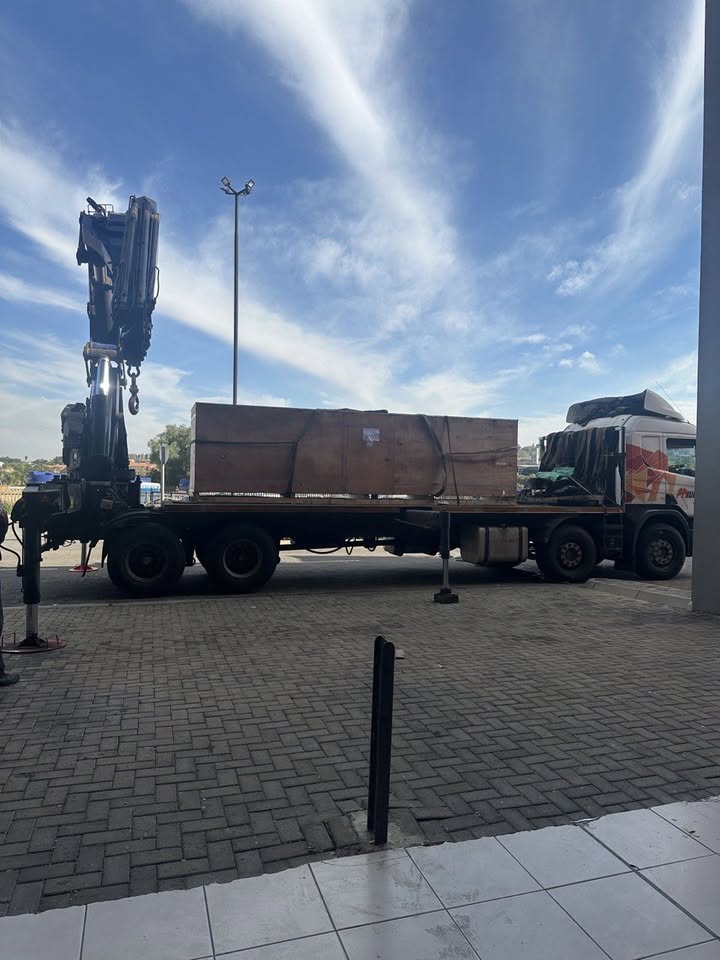
12 Heads Embroidery Machine
Toilet Paper Machine Machine
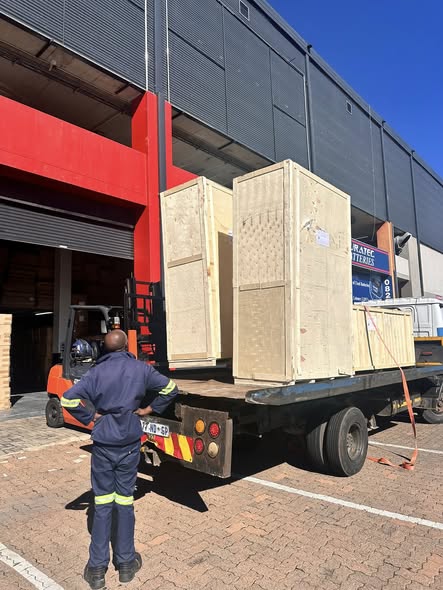
Order Collection
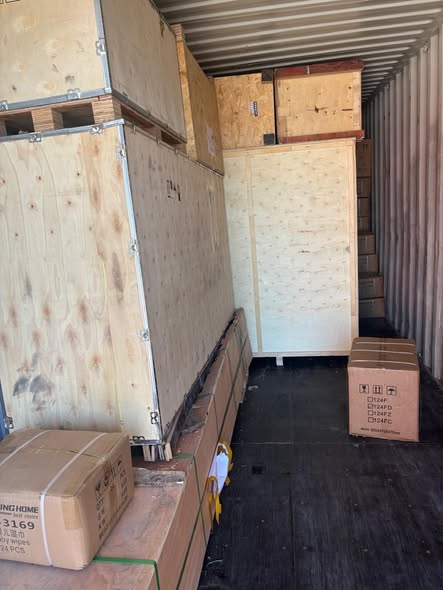
Cross Border Clients
Order cros border countries Collected
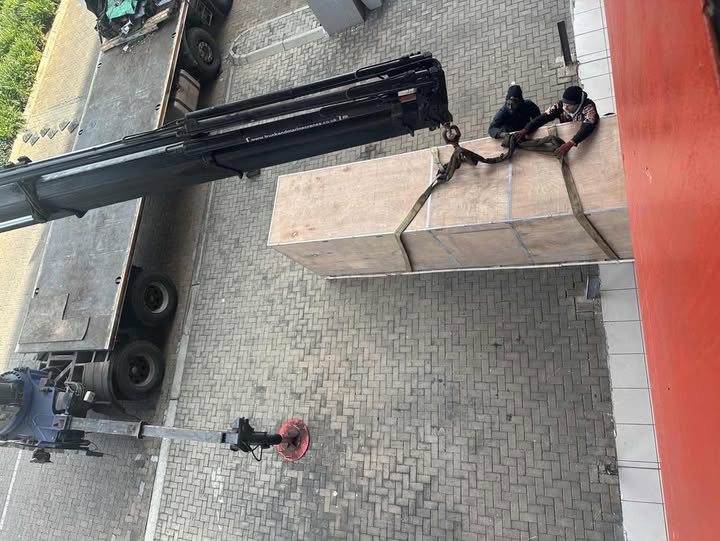
Industrial Machine Cllection
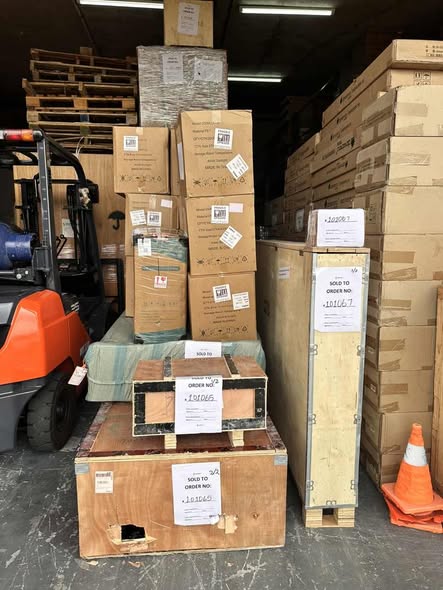
Agriculture Processing Machines
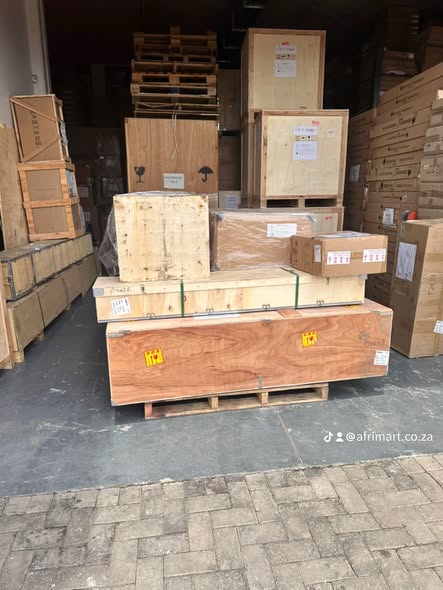
Ready for collection
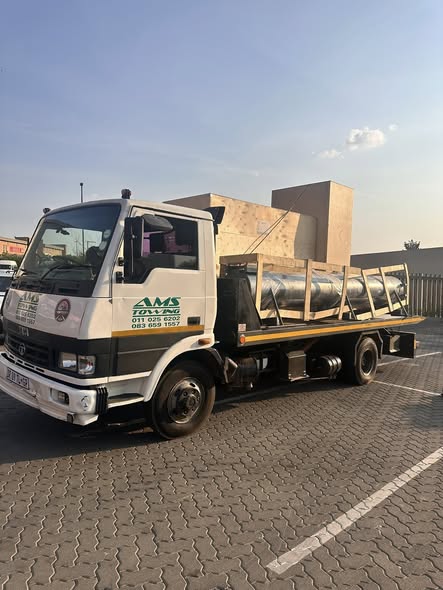
Water Pump Equipment
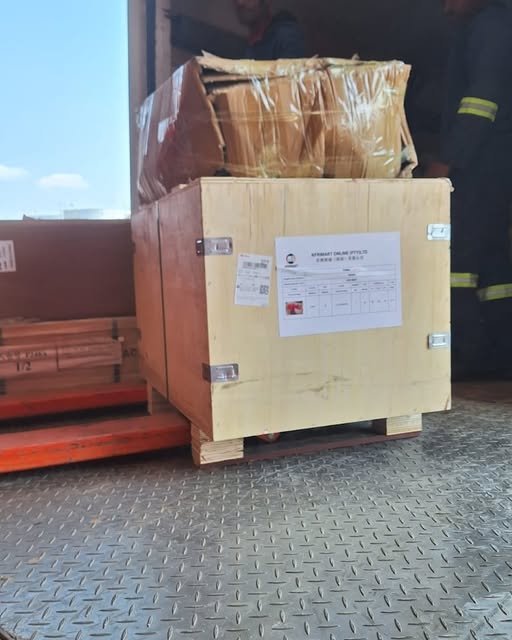
Packaging Machine and accessories
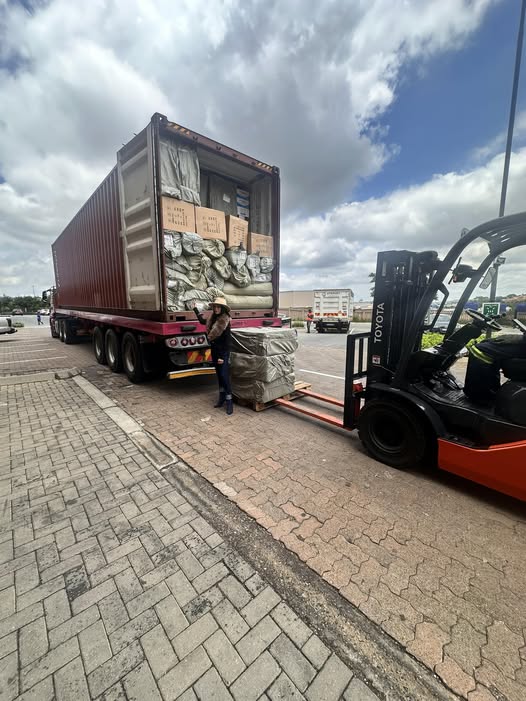
Fabrics Manufacturing Equipment
Mining Equipments
Food Processing Machine
Batch of Orders
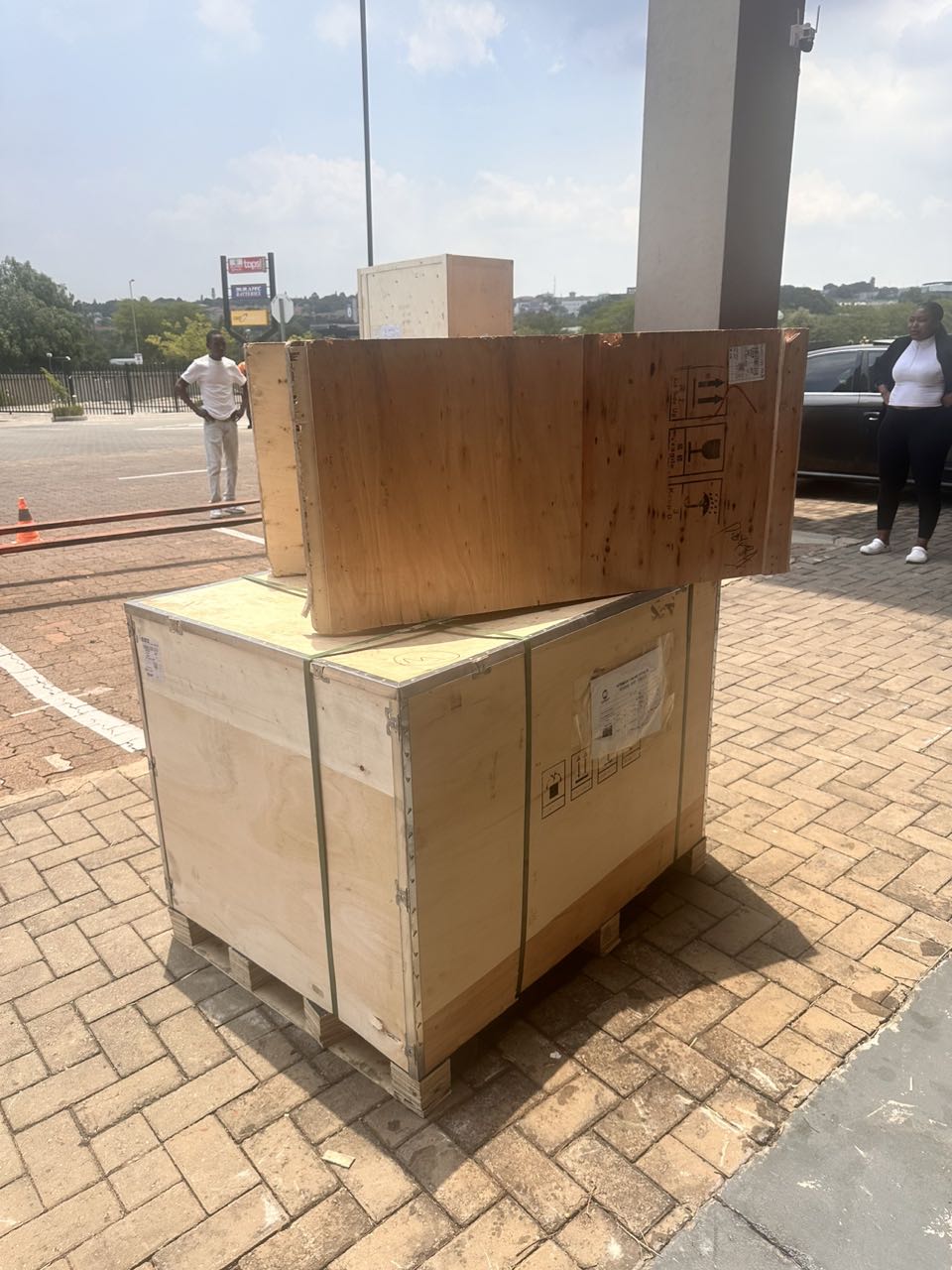
Batch of Orders
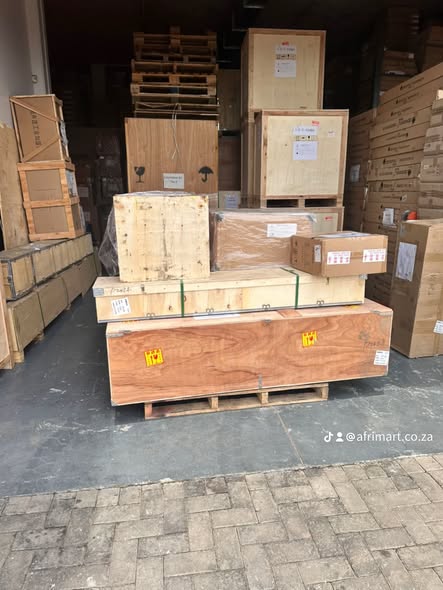
Latest Orders Labelled
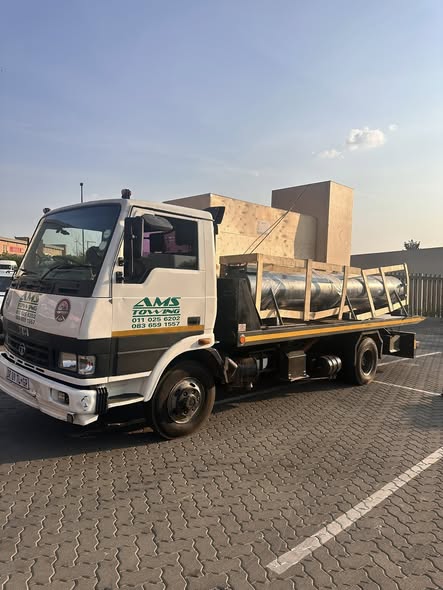
wheel alignment machines
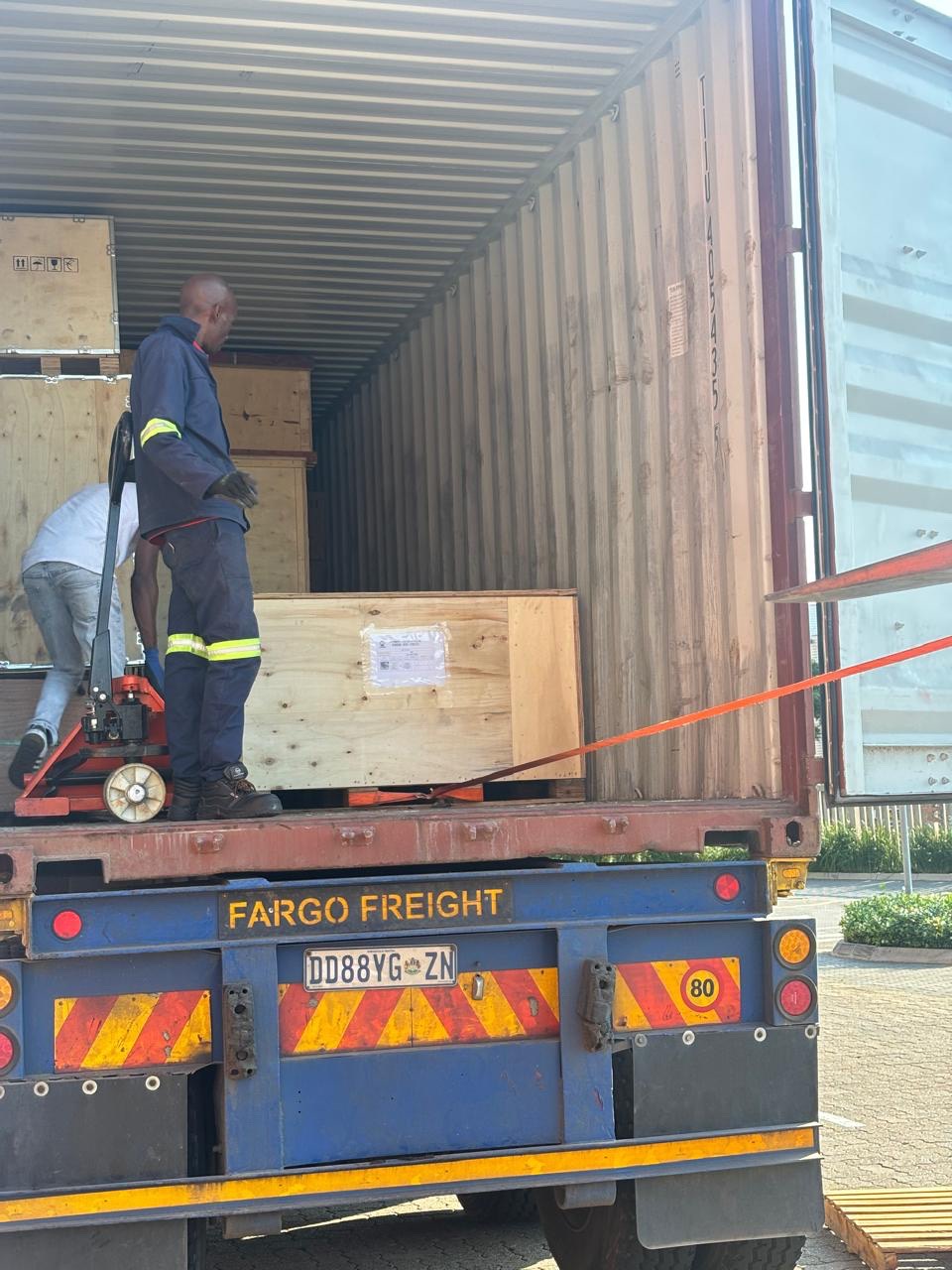
new arrivals
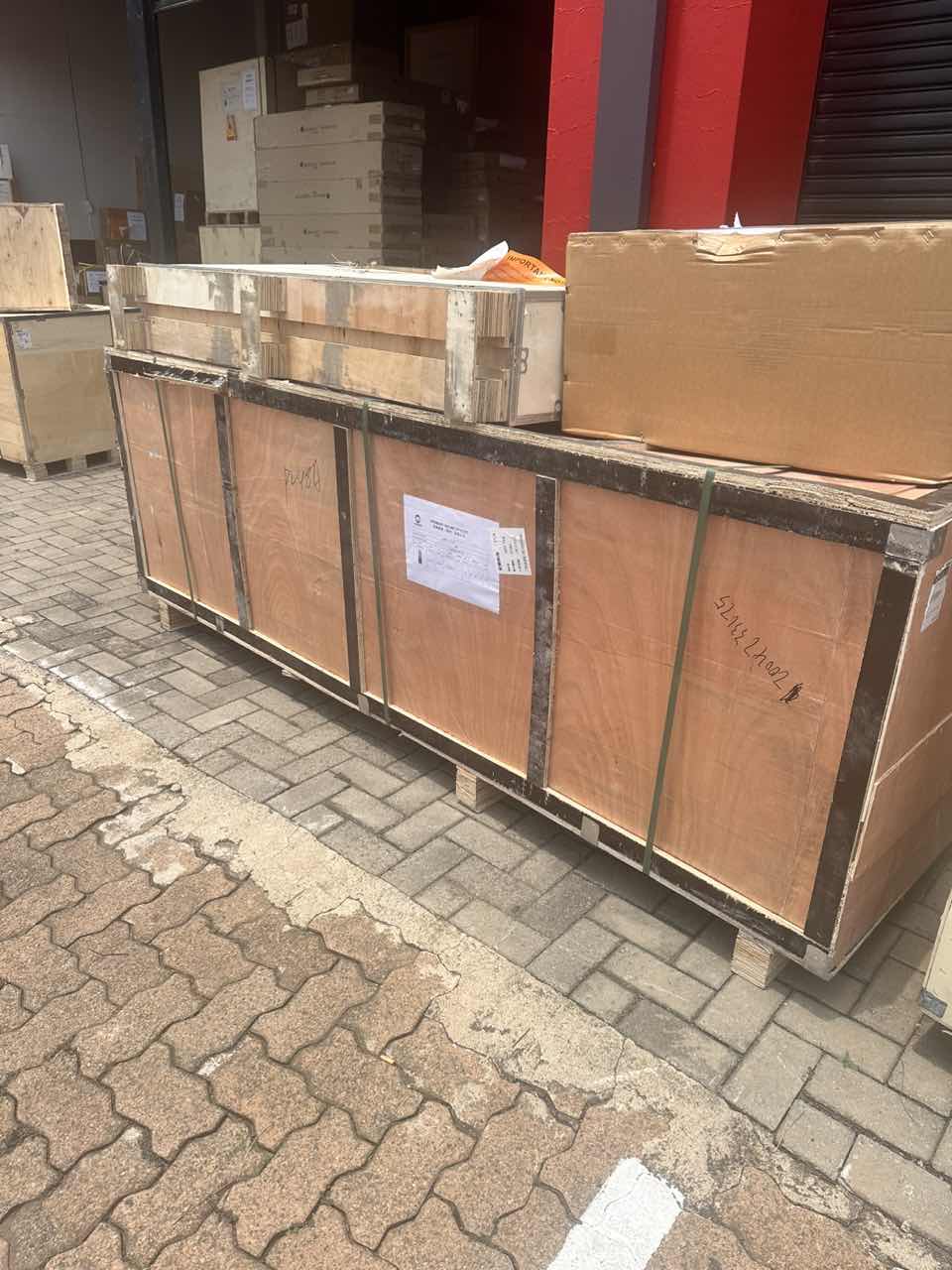
Pre Orders Offloading
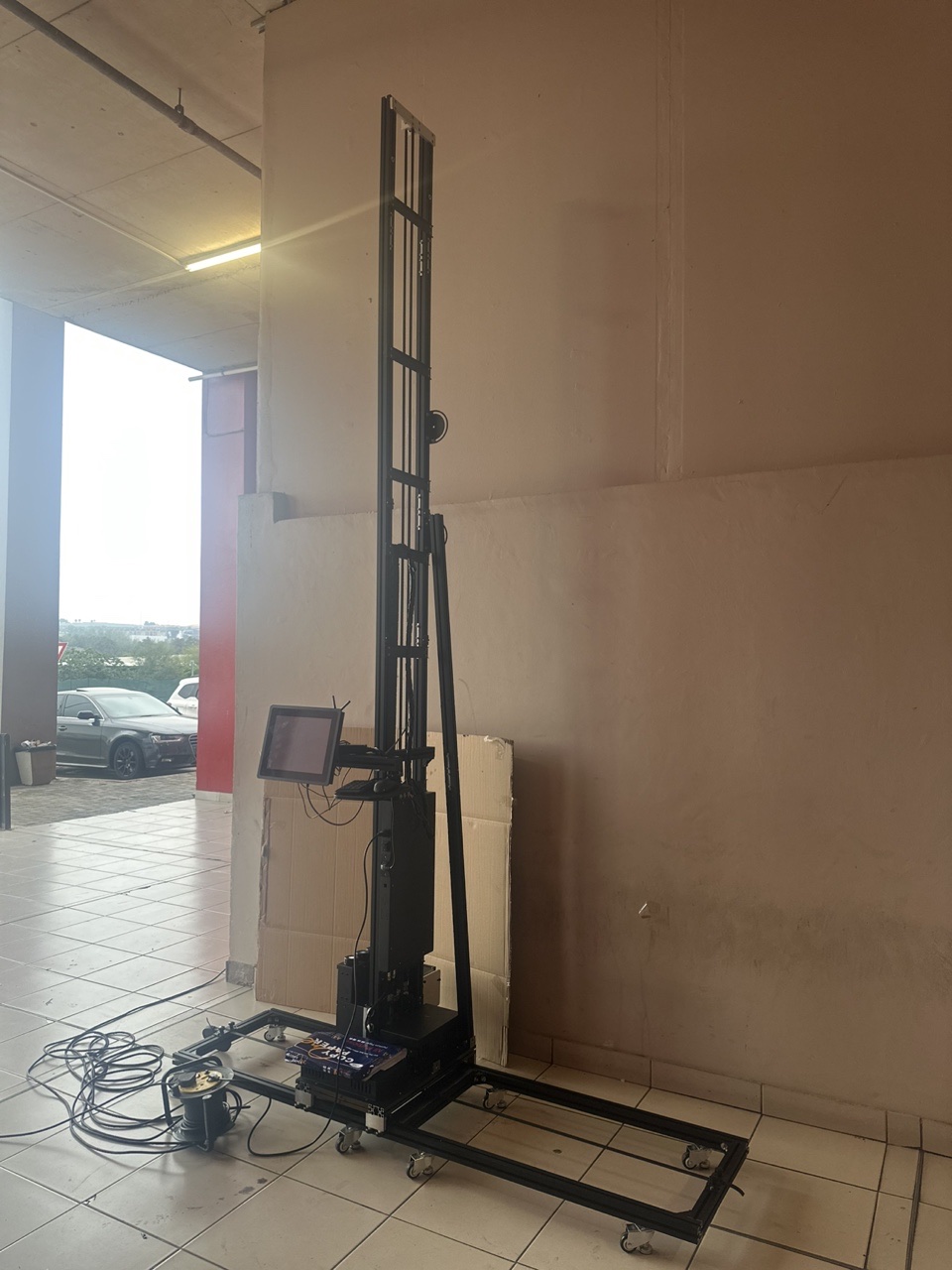
Latest Arrivals
Latest Arrivals
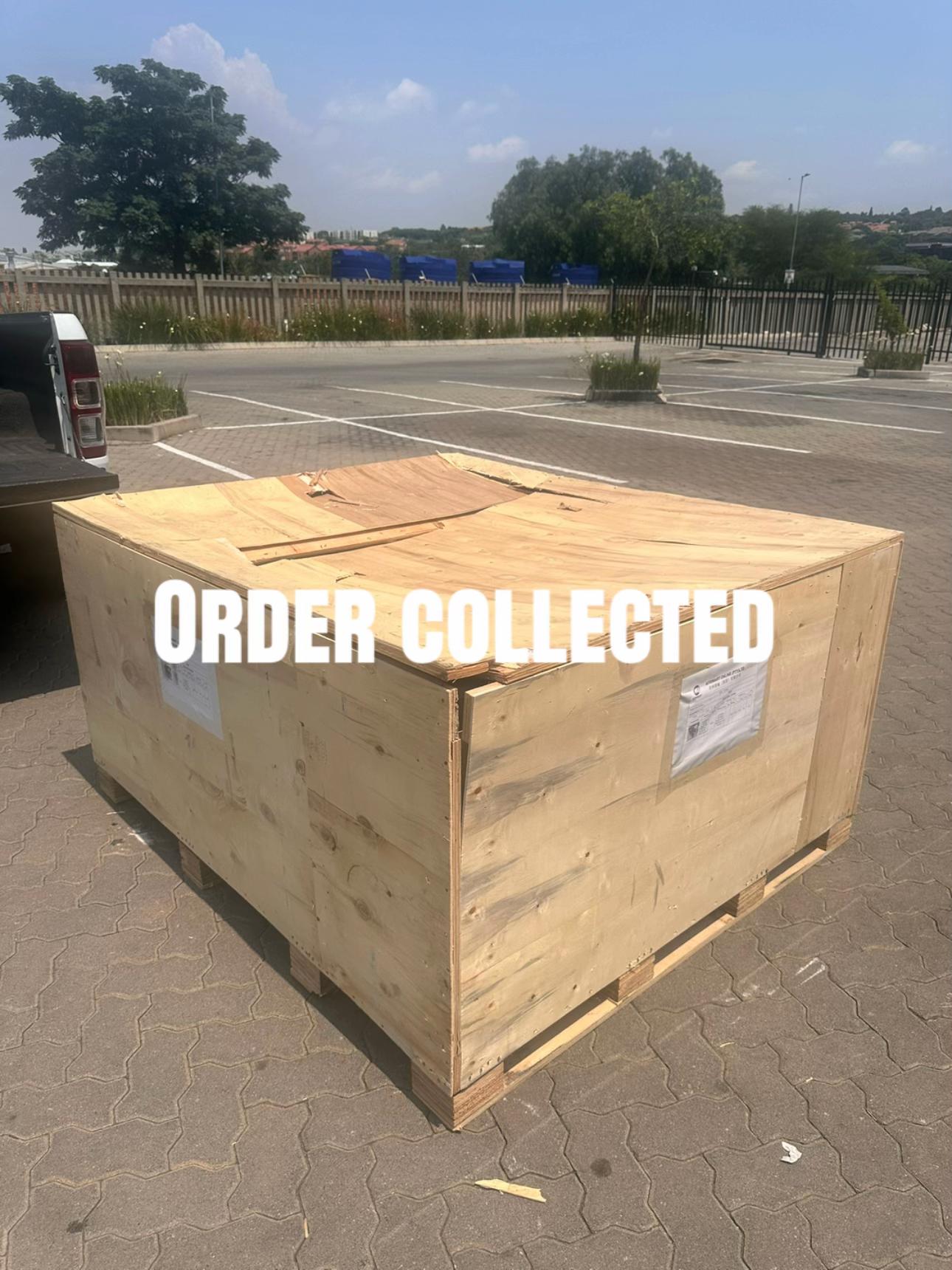
Latest Arrivals
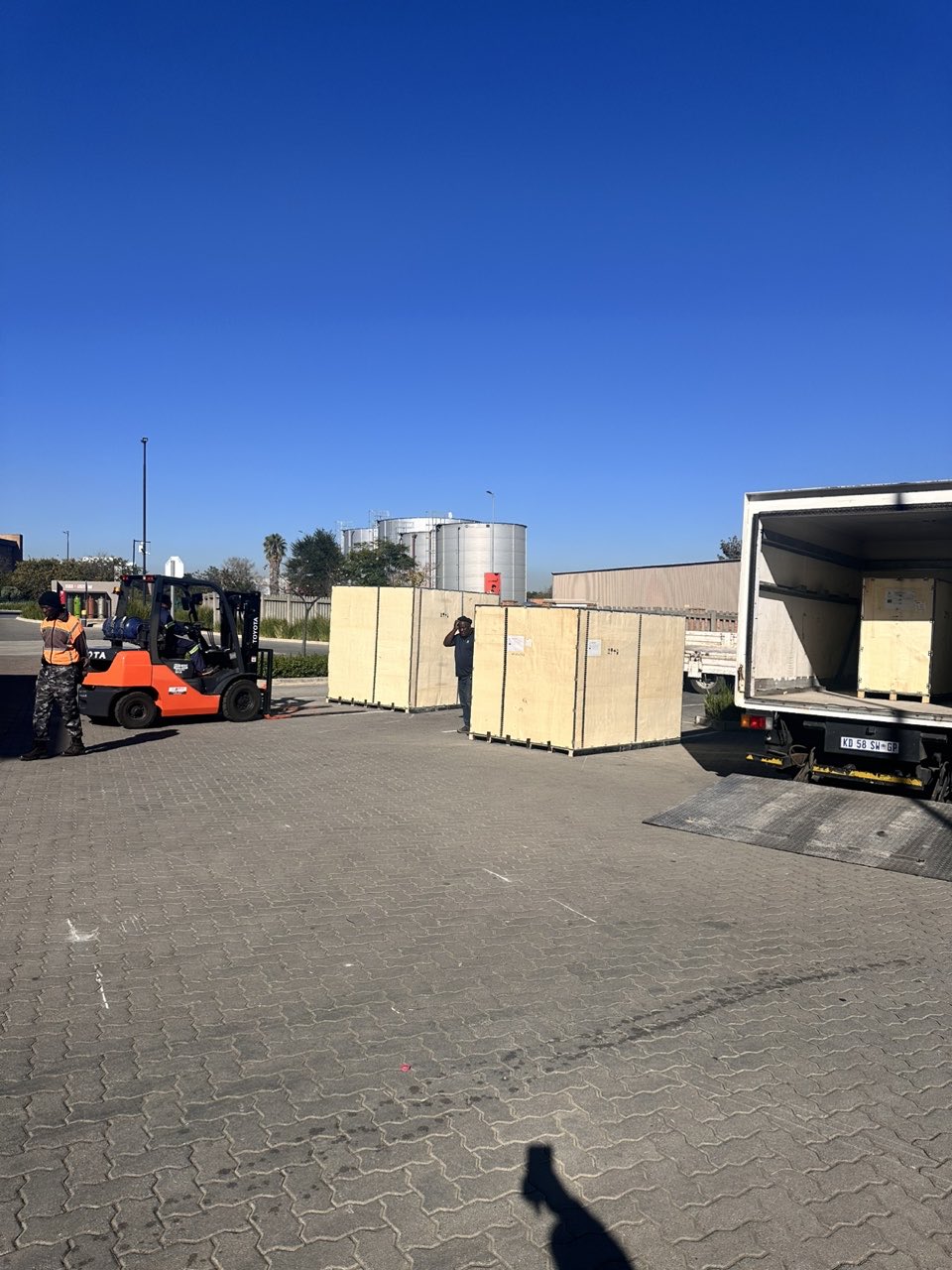
Loading
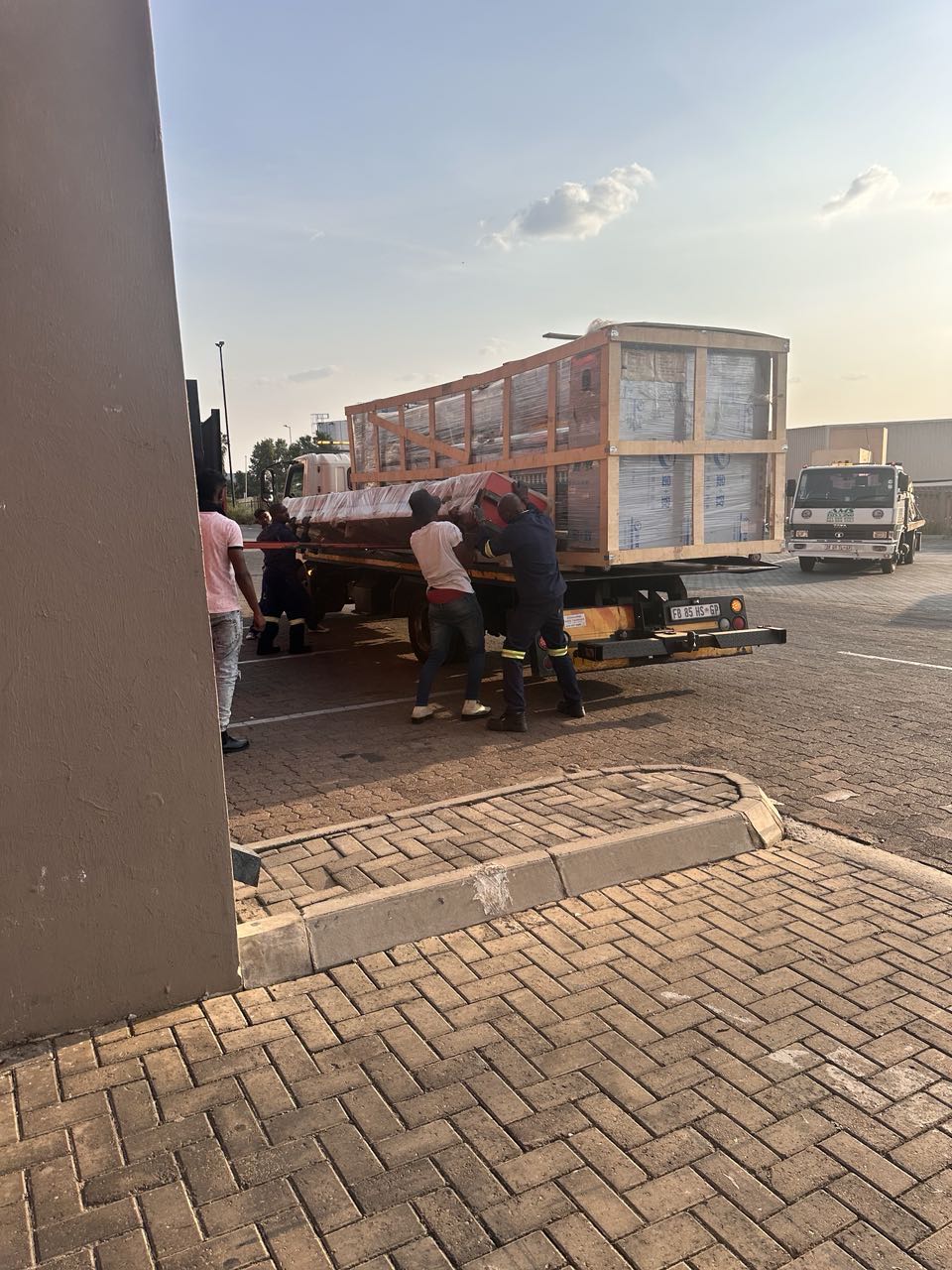
Toilet paper making machine
Toilet paper making machine
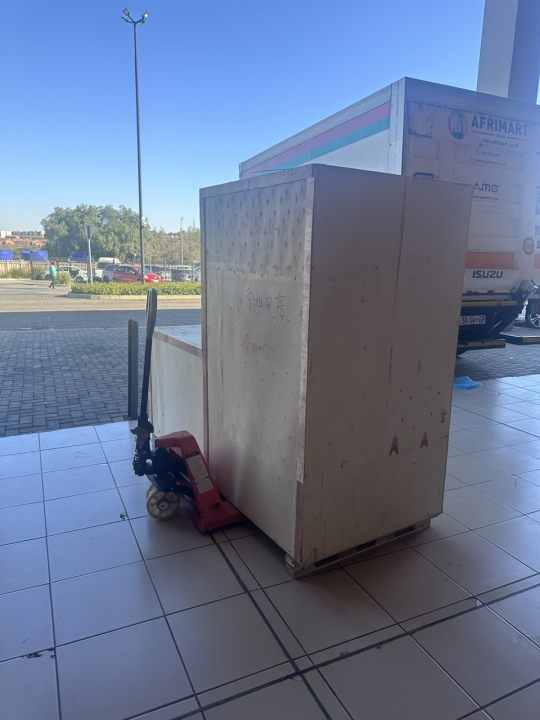
Toilet paper Rewinding Machine
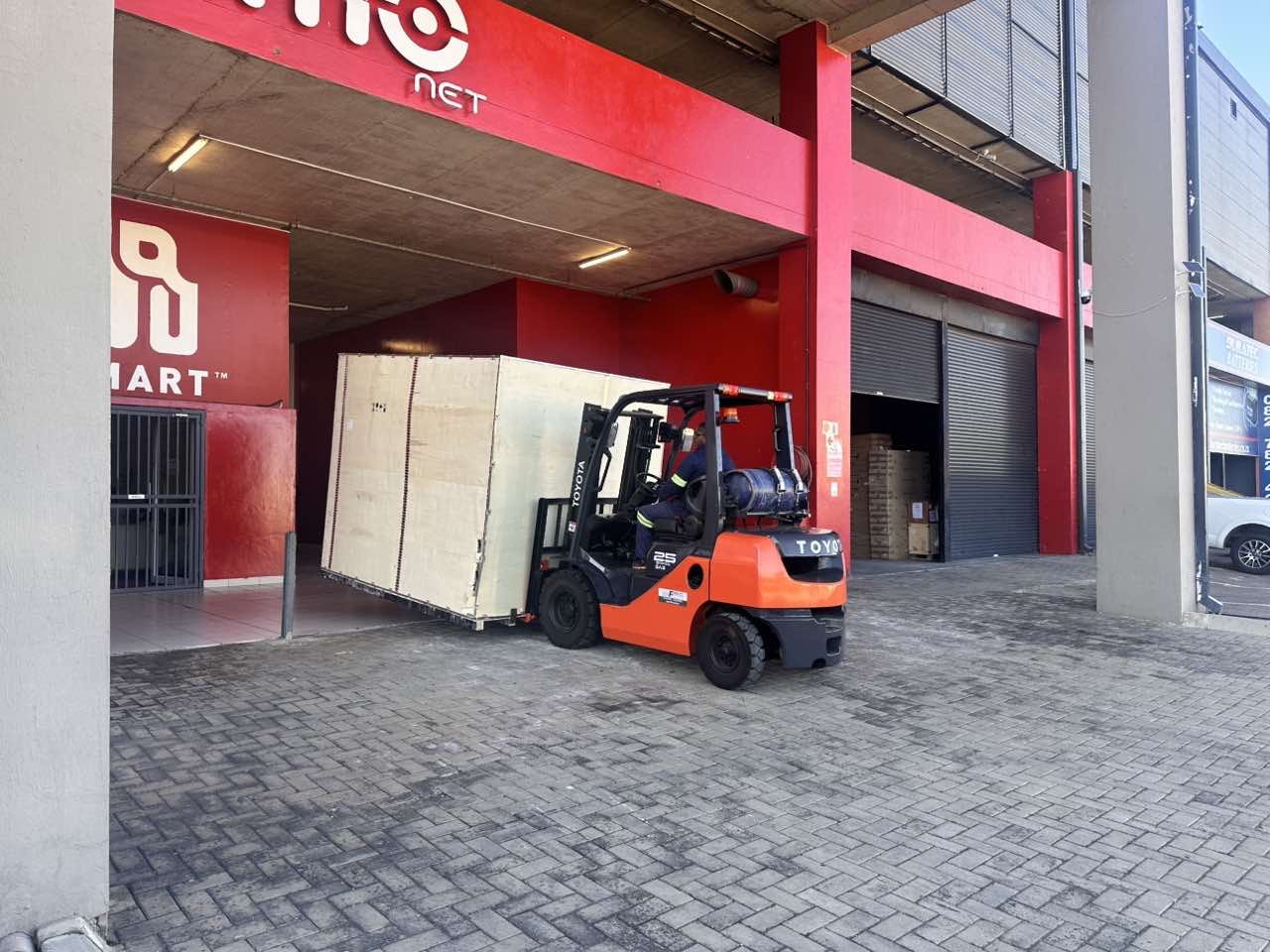
latest arrivals
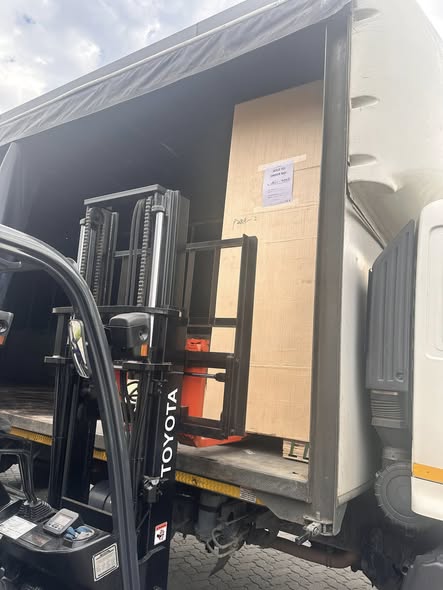
offloading
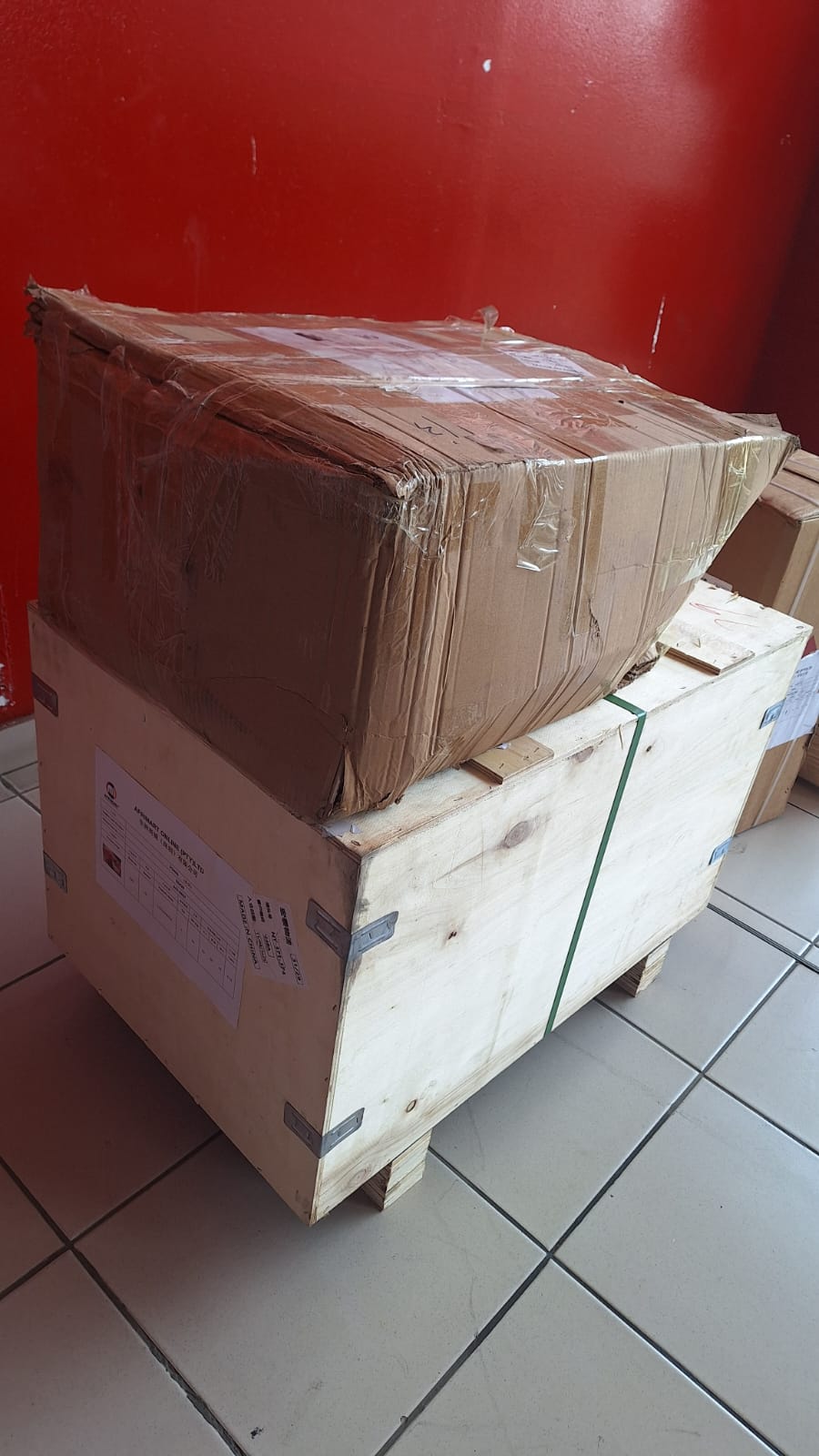
order success
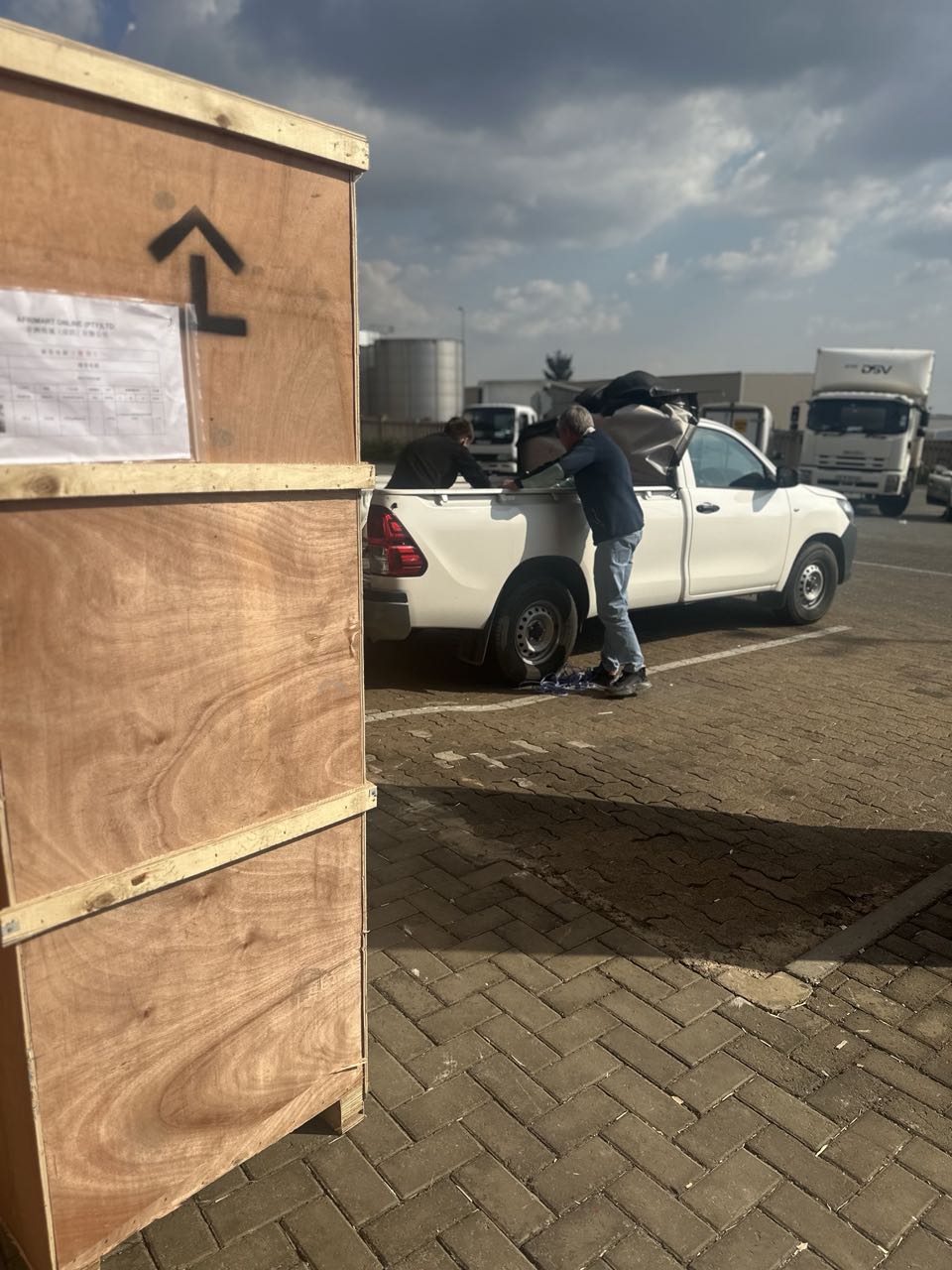
order collection
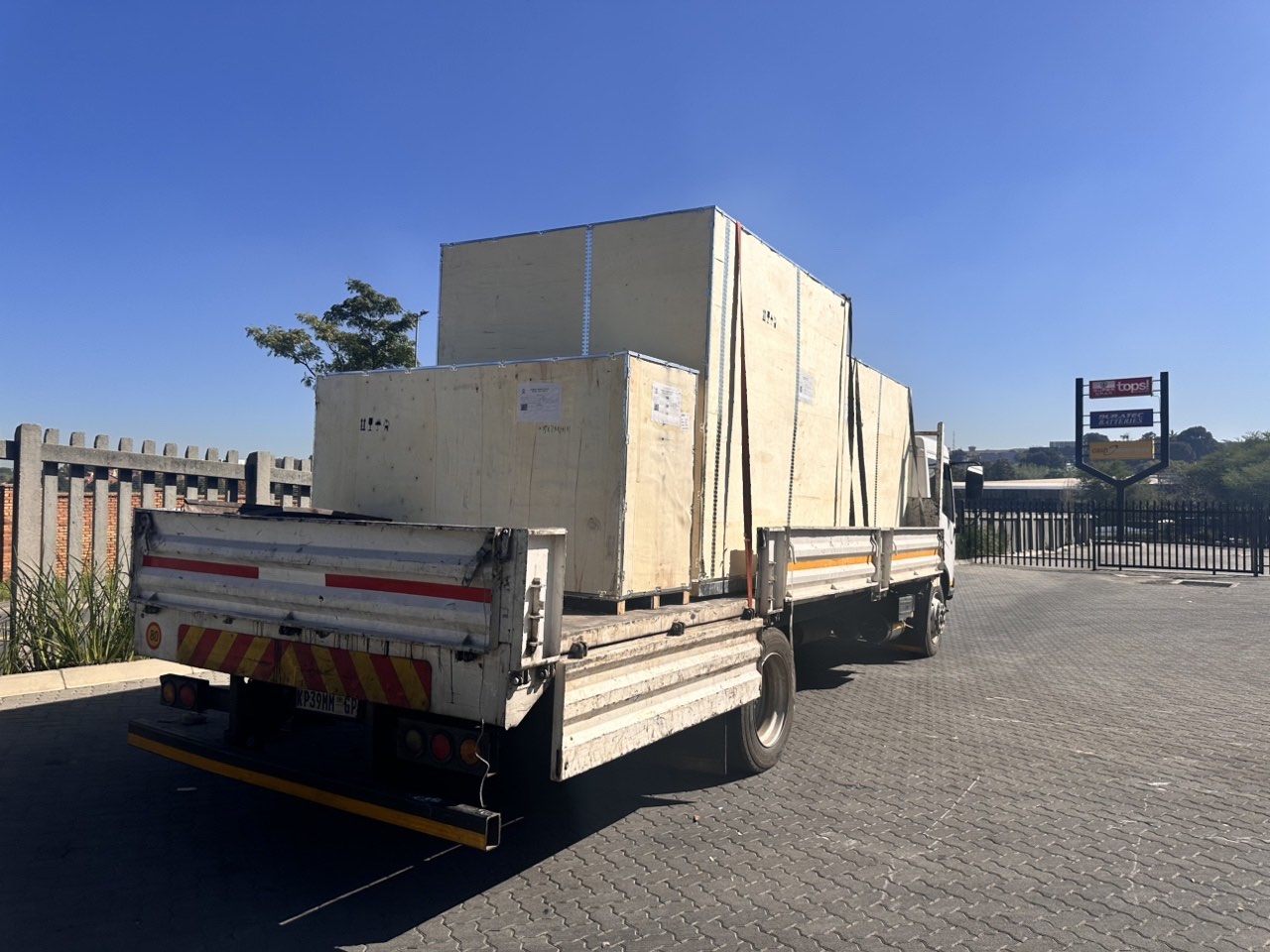
order offloading