B21, China Town Mall, Midrand

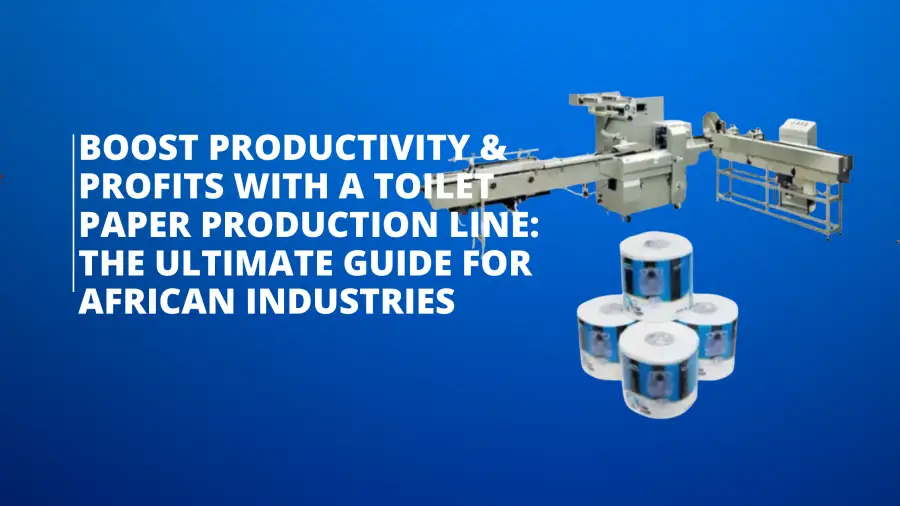
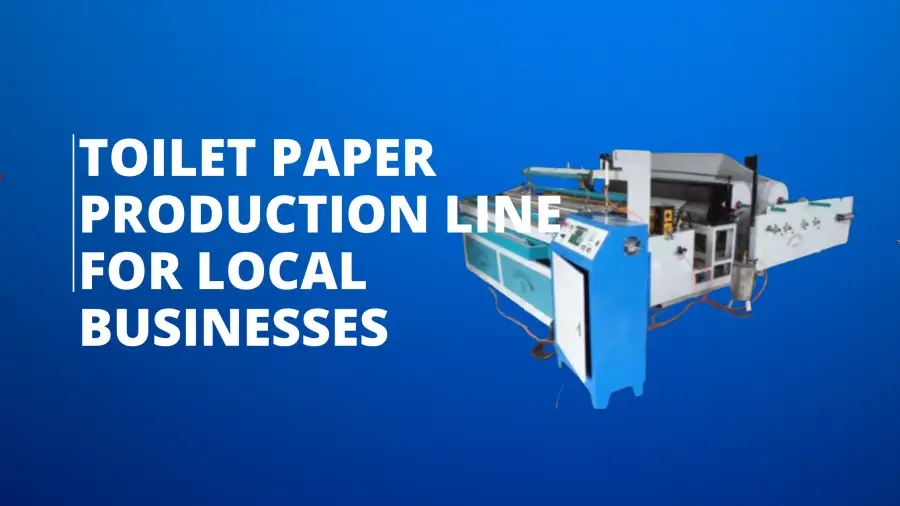
Toilet Paper Production Line
26 Jan 20262
5 Key Considerations When Buying a Mining Drilling Machine
-
Eman Libatu
-
07 May 2025
-
82 Comment
The global mining equipment market is booming, with an expected compound annual growth rate of about 5.1% from 2022 to 2030researchandmarkets.com. This growth, highlighted by Grand View Research, underscores the expanding demand for drilling equipment in mining and borehole projects. For companies in the mining and borehole drilling industry, choosing the right mining drilling machine is crucial to capitalize on this trend. The correct machine can enhance productivity, improve safety, and reduce costs, whereas a poor choice can lead to downtime and inefficiency. In a sector where margins and timelines are tight, every drill rig or borehole drilling equipment investment must be carefully evaluated.
A drill rig (center) prepares blast holes in an open-pit mine. Selecting the proper drilling equipment for mining operations is critical as the industry grows and projects scale up.
A wide array of industrial drilling solutions is available to meet different project needs – from large rotary blast-hole rigs in open pits to compact percussive jumbos for tunneling. With so many options, it’s important to focus on the fundamentals. Below, we outline five key considerations when buying a drilling machine for mining or borehole projects. These include choosing the appropriate drilling method, ensuring the machine meets capacity requirements, evaluating durability and maintenance needs, checking safety features, and weighing cost against after-sales support. Keep these factors in mind as you navigate the B2B marketplace for mining drilling machines.
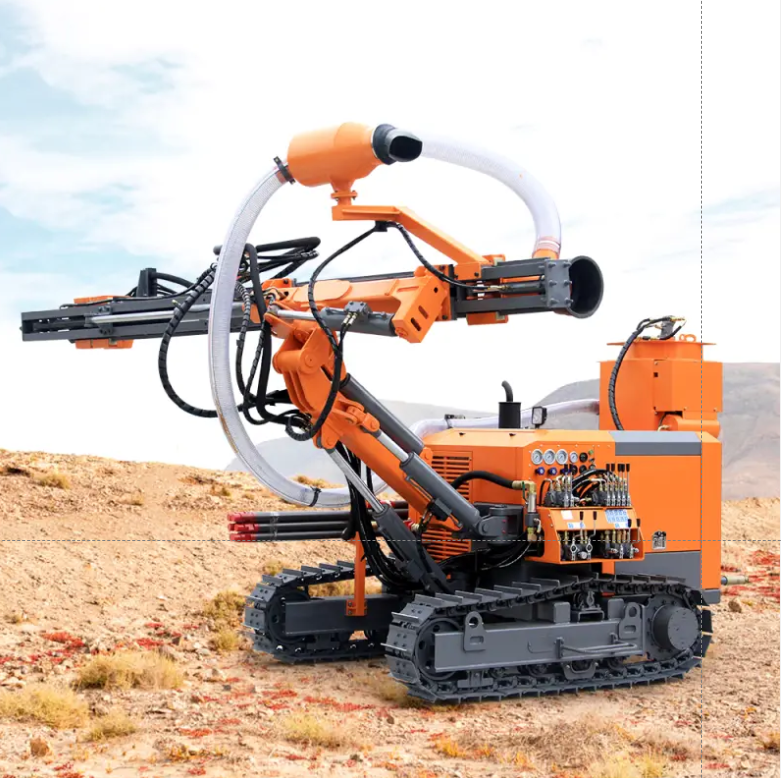
1. Drilling Method (Rotary vs. Percussive)
The first consideration is the drilling method the machine employs – typically rotary drilling, percussive (hammer) drilling, or a combination (such as down-the-hole, which is a rotary-percussive hybrid). Matching the drilling method to your geological conditions and project goals is essential. Rotary drilling uses continuous rotation and is ideal for softer rock formations and larger diameter holes, such as those in alluvial deposits or for certain blast holes. In contrast, percussive drilling (including top-hammer or DTH hammers) involves a rapid hammering action to fracture hard rock and is often better for very hard geological formations or angled drilling needsslideshare.net. For example, “Rotary drilling is best for softer rocks and produces larger diameter holes... Percussive drilling uses hammering impacts... to break rock and can drill angled holes better...”slideshare.net.
When evaluating a machine, clarify which method it uses and ensure it aligns with your project. If you’re drilling deep boreholes for water or exploration, you might opt for a mud rotary or diamond core drill that can steadily grind through varied layers. If you’re drilling hard rock in a quarry or underground mine, a percussive rig (like an air-powered jumbo or DTH rig) may be more efficient. Some advanced rigs offer multiple modes or interchangeable drill heads, but they often come at higher cost. The key is to choose a drilling equipment solution that matches your site’s geology — this will maximize penetration rates and minimize wear on the equipment. Consulting with geologists and drilling specialists can help determine whether a rotary or percussive (or combination) machine is best for your operation.
2. Machine Capacity (Depth, Diameter & Project Scale)
Every drilling machine comes with specified capacity limits – notably the maximum drilling depth it can reach and the hole diameter it can produce. It’s vital to ensure the rig you buy can meet the requirements of your project. Consider the depth you need to drill: Are you boring a 20-meter blast hole for open-pit mining, or drilling a 200-meter exploration borehole? Similarly, consider the necessary hole diameter: Large blast holes for mining might be 200–270 mm in diameter, whereas geotechnical or water wells might require different sizes. Manufacturers clearly state the depth and diameter capabilities of their rigs; for instance: “Determine the required depth and diameter of the borehole. This will influence the rig's capacity.”prdrigs.com. Always match the machine’s specifications to your project’s needs – buying a rig that only drills 100 m when you need 150 m will lead to project delays, while purchasing far beyond your required capacity could be an unnecessary expense.
Also, factor in your project scale and environment. A machine’s capacity is not just about technical specs but also its suitability for the scale of operations. For example, a compact rig might reach the depth needed for a single borehole drilling project, but if you need to drill hundreds of holes across a mine site, you’ll want a machine with the power, speed, and durability to handle continuous operation. If mobility is important (for instance, drilling at multiple sites or difficult terrain), consider the rig’s size and moveability in addition to pure depth capacity. In summary, choose a drilling machine whose depth and diameter ratings comfortably meet (or slightly exceed) your requirements and whose overall capacity (engine power, feed force, etc.) matches the intensity of your project. This ensures efficiency and avoids overworking the equipment.
3. Durability and Maintenance
Mining and drilling operations take place in harsh conditions – think of hard rock, abrasive dust, extreme temperatures, and round-the-clock schedules. Thus, durability is a non-negotiable trait for any mining drilling machine. Look for rigs with a robust design and heavy-duty components that can withstand the physical stress of drilling through tough geology day after day. Leading manufacturers often highlight features like reinforced frames, high-strength steel masts, and advanced hydraulic systems built for longevity. For instance, Komatsu’s 320XPC blasthole drill is “built for durability with mainframes and crawler frames that can stand up to hard-rock mine conditions”komatsu.com. Such rugged construction means the machine is less prone to cracking or failure when tackling difficult rock, ensuring a longer service life.
Equally important is maintenance – even the toughest drill rig will require regular servicing, and ease of maintenance can save you significant downtime and cost. When evaluating a machine, examine how accessible its components are for inspection and repair. Does the design allow technicians to quickly change out wear parts like drill bits, rods, and filters? Are critical components (engine, compressor, hydraulic lines) protected from dust and damage yet accessible via panels or walkways? A well-designed rig will prioritize serviceability; for example, some drills have platforms or walkways that allow safe, easy access to the drill mast and engine. One manufacturer notes that “safety and serviceability are a priority, with an efficient deck layout that provides wide walkways. Operators have ample room to quickly and easily change bits and pipes with a large rear deck.”komatsu.com Ease of maintenance features like this reduce downtime because crews can perform routine tasks or repairs faster and more safely.
In practical terms, check the availability of spare parts and the simplicity of common repairs. If a drilling machine has proprietary or very complex parts, you might face delays getting replacements. Many B2B buyers in mining prefer well-known brands not just for reputation, but because they have established supply chains for spare parts and technicians familiar with the machinery. A durable machine paired with straightforward maintenance procedures will ensure high equipment availability – meaning your drill spends more time productive and less time in the workshop. Don’t forget to train your maintenance staff on the specific rig model you purchase; even a robust machine needs proper care to deliver a long operating life.
4. Safety Features
Safety is paramount in industrial drilling operations. Modern drilling equipment for mining comes equipped with a range of safety features to protect operators, maintenance personnel, and the surrounding environment. When selecting a drilling machine, closely evaluate its built-in safety mechanisms. At a minimum, any rig should have reliable emergency stop controls and kill switches that can immediately halt operation in case of a malfunction or hazard. Experts advise buyers to “prioritize safety by selecting a rig with robust safety features, such as emergency stop mechanisms and operator protection.”prdrigs.com This means your machine should have easily accessible e-stop buttons, hydraulic cut-offs, and perhaps automated shutdown systems that activate if, for example, pressure exceeds safe limits or a drill string seizes. Many rigs also include guarding and interlock systems (for example, disabling rotation when access doors are open) to prevent accidents during operation or maintenance.
Operator protection is another key aspect. Look for rigs with FOPS/ROPS-certified cabins (protective structures that guard against falling objects or rollovers) if your drilling environment warrants it, such as underground mines or areas with overhead hazards. Enclosed, climate-controlled cabs not only improve operator comfort but also isolate them from dust, noise, and vibration – indirectly enhancing safety and productivity. Some advanced rigs come with remote control or even autonomous drilling capabilities. These features can dramatically improve safety by removing personnel from the immediate vicinity of drilling (for instance, operators can control an automated drill from a safe distance or control room). While such automation might be an investment, it can be worthwhile in high-risk environments like underground mining or unstable terrain. As an example of technology enhancing safety: certain new drill models have automated rod handlers and sensors that detect misalignment or obstructions, stopping the machine to prevent injuries or equipment damagegtd-drilling.com.
Additionally, check for features like integrated fire suppression systems (important for diesel-powered rigs), high-visibility lighting, cameras for visibility around the rig, and fail-safe braking or mast lowering systems. These safety considerations not only protect workers but also reduce the likelihood of costly accidents and downtime. Remember that safety training goes hand-in-hand with machine features – even the best safety-equipped drill requires knowledgeable operators to use those features correctly. Ultimately, investing in robust safety features is both an ethical choice and a smart business decision, as it keeps your workforce safe and your operations running smoothly.
5. Cost and After-Sales Support
Purchasing a mining drilling machine is a significant investment, and B2B buyers must consider not just the price tag but the total cost of ownership over the machine’s life. The initial capital cost of the rig is only one part of the equation. Fuel or power consumption, routine maintenance, replacement parts, insurance, and eventual resale or disposal value all contribute to the true cost. In other words, “the TCO concept encompasses not only the initial purchase price of equipment but also all costs associated with its operation, maintenance, and eventual disposal over its entire lifecycle.”itecsu.com Before buying, it’s wise to perform a lifecycle cost analysis: a slightly more expensive rig that is fuel-efficient and backed by strong support might turn out cheaper in the long run than a bargain machine that breaks down often. Consider warranties and expected maintenance schedules as part of this cost evaluation – does the manufacturer or seller offer an extended warranty or service plan? Such packages can provide cost predictability for the first few years of operation.
Equally important is the after-sales support and availability of parts. Downtime in mining can be extremely costly, so you need assurance that if your drill rig needs a part or repair, it can be addressed quickly. Always inquire about the supplier’s spare parts inventory and distribution network. Are wear parts (drill bits, hammer tools, filters, etc.) readily available locally or with short lead times? Does the supplier have technicians who can service the machine on-site if needed? A reputable dealer or manufacturer should provide training for your operators and mechanics, comprehensive manuals, and prompt technical support. Industry guidelines note the importance of “availability of spare parts, and the provider's after-sales support,” alongside evaluating total cost of ownership and maintenance costsprdrigs.com. In practice, this means choosing a supplier known for responsive customer service.
Naturally, you may source equipment through different channels – direct from manufacturers, local distributors, or online B2B platforms. In South Africa, for example, Afrimart.co.za is a B2B e-commerce platform that offers a wide range of products including construction materials, industrial minerals, and bulk commodities, alongside heavy machinery. Platforms like Afrimart can simplify procurement by connecting buyers with vetted suppliers for drilling machines and related needs. They provide a one-stop marketplace where you can compare equipment options and also ensure you have access to auxiliary products (for instance, the industrial minerals or chemicals needed for drilling operations, or construction materials for site prep) in bulk. When considering cost, also weigh the value of such integrated services – a platform or supplier that can bundle equipment with spare parts supply or maintenance services can save you headaches down the line. Ultimately, invest in a drilling machine that not only fits your budget but is sold by a trusted provider committed to supporting you throughout the machine’s working life.
Conclusion
Selecting the right drilling machine is a strategic decision that will impact the success of your mining or borehole project for years to come. By focusing on the five key considerations – drilling method, machine capacity, durability & maintenance, safety features, and cost & after-sales support – B2B buyers can make an informed choice. Always start by aligning the machine’s capabilities with your project’s geological conditions and scale. Examine the build quality and ensure the model is proven in similar conditions for durability. Insist on robust safety features to protect your crew. And finally, look beyond the sticker price to the total lifecycle cost and the level of support you’ll receive from the seller.
Before finalizing any purchase, evaluate the machine specifications carefully against your requirements and possibly seek expert advice or even a site demo. It’s wise to compare a few options and ask suppliers tough questions about performance and support. Remember, a drilling rig is a long-term asset – saving a bit upfront is not worth it if the machine fails when you most need it. We encourage you to consider reputable suppliers and marketplaces when shopping for B2B mining machinery. Leverage platforms like Afrimart.co.za to find quality drilling equipment and verify supplier credibility. With the right choice, you’ll secure a drilling solution that delivers on productivity, keeps your operations safe, and provides reliable performance throughout its service life. Now is the time to make a well-informed investment in the future of your mining or drilling project – choose wisely, and drill safely and efficiently!
Leave Comment
Your email address will not be published. Required fields are marked
Comments
30 Jan, 2022
Glenn Greer
"This proposal is a win-win situation which will cause a stellar paradigm shift, and produce a multi-fold increase in deliverables a better understanding"