


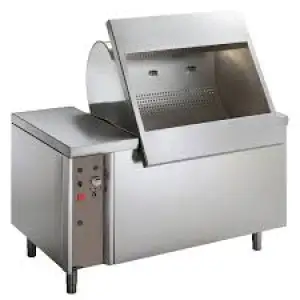





















































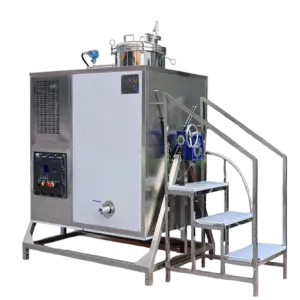













































































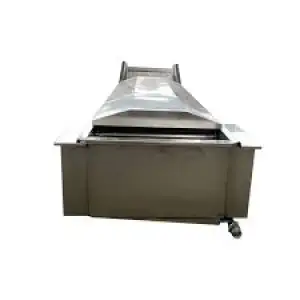



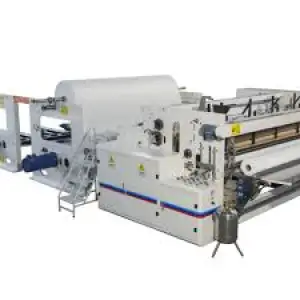















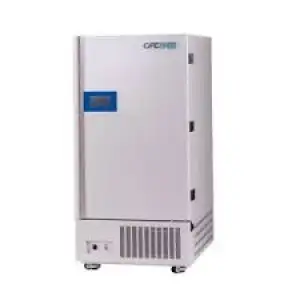
































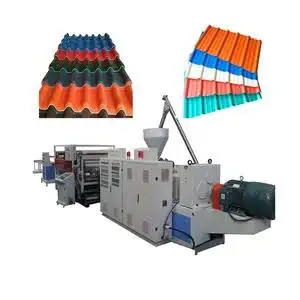


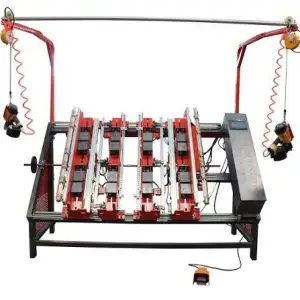














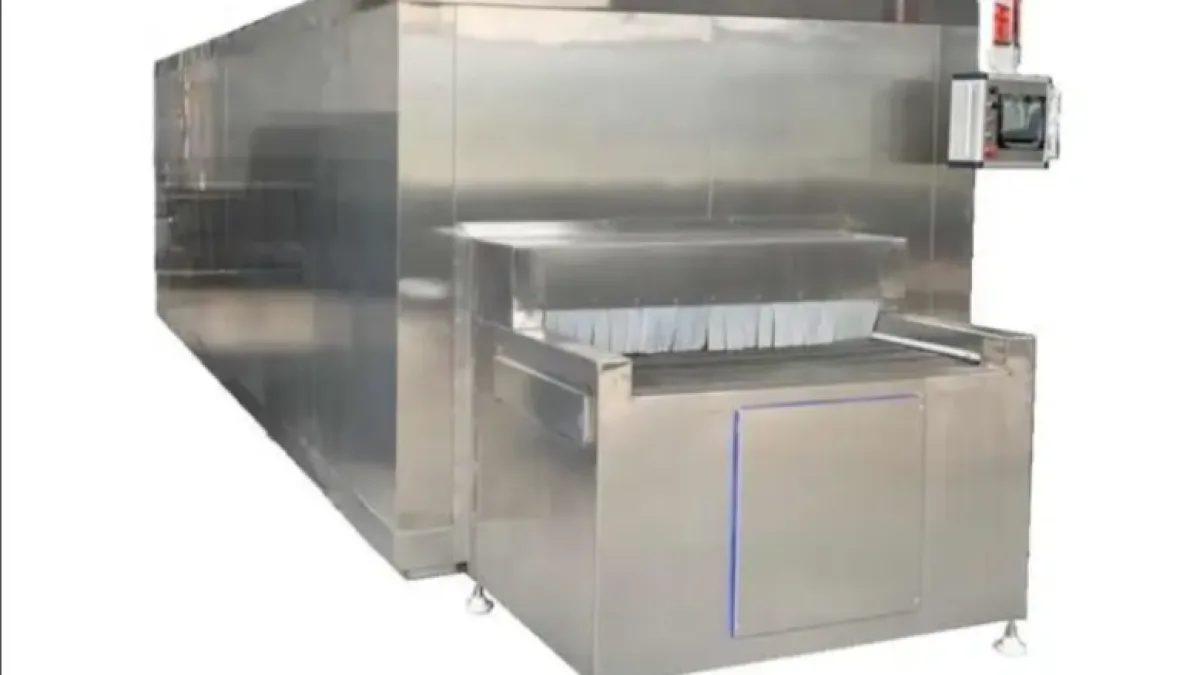
The Afrimart 200 kg/h automatic industrial tunnel blast freezer is a continuous food-freezing system designed for French fries, vegetables, seafood, meat portions, prepared foods and selected bakery products. It uses forced cold-air circulation and a conveyor belt to move products through an insulated tunnel toward a specified frozen core temperature.
At a Glance
- Machine type
- Continuous tunnel blast freezer
- Title capacity
- 200 kg/h
- Specification-table capacity
- 800 kg/h
- Important
- The capacity discrepancy must be resolved before quotation approval
- Electrical supply
- 380 V
- Listed power
- 19 kW
- Product inlet temperature
- 20°C or lower
- Specified outlet temperature
- −18°C
- Listed freezing time
- 20–45 minutes
- Conveyor-belt width
- 2,200 mm
- Insulation-panel thickness
- 120 mm
- Construction
- SUS304 stainless steel
- Dimensions
- 16,700 × 3,400 × 2,200 mm
- Machine weight
- 2,000 kg
View the Afrimart automatic industrial tunnel blast freezer and request a performance schedule based on the exact food product.
Important Capacity Clarification
The Afrimart product title identifies this machine as a 200 kg/h tunnel blast freezer, while the technical specification table states a cooling capacity of 800 kg/h.
These figures should not be treated as interchangeable. The difference could represent:
- Two available freezer configurations
- A product-title error
- An equipment-family capacity rather than this model’s capacity
- A nominal maximum under different operating conditions
- A distinction between refrigeration capacity and product throughput
- A custom tunnel specification
Before ordering, Afrimart should confirm in writing:
- The exact model being quoted
- Guaranteed product throughput in kilograms per hour
- Product used for the capacity test
- Product dimensions and loading density
- Inlet core temperature
- Required outlet core temperature
- Ambient design temperature
- Conveyor speed
- Refrigeration load and installed compressor capacity
- Defrost allowance
- Whether 19 kW covers the full refrigeration system
The remainder of this article describes the published machine configuration while preserving that distinction. A buyer should not calculate revenue, electricity requirements or upstream line capacity until the rated throughput has been resolved.
What Is an Industrial Tunnel Blast Freezer?
A tunnel blast freezer is a continuous refrigeration machine that rapidly removes heat from food as it travels through an insulated enclosure.
Prepared products enter at one side on a conveyor. High-velocity cold air moves over and around the product while the conveyor advances through the freezing zone. The frozen product then exits for inspection, packing and cold storage.
Unlike a static cold room, a tunnel freezer is designed around controlled product residence time. Conveyor speed, belt loading, air temperature and airflow determine how long the product remains inside the freezing zone.
The machine can be integrated with upstream processes such as:
- Washing
- Peeling
- Cutting
- Blanching
- Frying
- Cooling
- Portioning
- Forming
- Cooking
Downstream equipment may include:
- Metal detection
- Checkweighing
- Bagging
- Vacuum packing
- Cartoning
- Cold-room conveyors
- Frozen storage
The freezer should be engineered as part of the complete production line. A machine with insufficient capacity becomes a bottleneck, while an oversized tunnel can increase energy consumption and capital cost.
How the Automatic Tunnel Freezer Works
The freezer uses mechanical refrigeration to cool air inside the insulated tunnel. Fans circulate this air across the product at a controlled velocity.
A typical operating process is:
- Prepare the food to the approved size and condition.
- Reduce excess surface water where required.
- Start the refrigeration and airflow systems.
- Allow the tunnel to reach its operating temperature.
- Set the conveyor speed for the product.
- Load food evenly across the belt.
- Move the product through the freezing zone.
- Monitor air and product-core temperatures.
- Discharge the frozen product.
- Confirm the final core temperature.
- Package the product promptly.
- Transfer it to frozen storage.
The product should not be piled randomly onto the belt. Uneven loading restricts airflow and produces inconsistent freezing. Thin pieces may leave the tunnel fully frozen while thicker or overlapping pieces remain comparatively warm at their centres.
The published 20–45-minute freezing time is therefore conditional. It depends on the product, thickness, composition, inlet temperature, belt loading and final temperature requirement.
Quick Freezing and Product Quality
Freezing converts water inside food into ice. The rate at which the product passes through its main ice-crystal formation zone affects the size and distribution of crystals.
Rapid freezing generally forms smaller ice crystals than slow freezing. This can reduce structural damage and moisture loss after thawing, although results vary according to the product and process.
Potential benefits include:
- Better texture retention
- Lower drip loss after thawing
- Improved shape
- Reduced dehydration
- More consistent product quality
- Faster movement into frozen storage
- Increased production continuity
Quick freezing does not improve poor raw material. Food entering the tunnel should already meet the business’s quality and safety criteria.
Freezing also does not reliably destroy all microorganisms. It slows microbial growth while the food remains properly frozen, but surviving organisms may become active again after thawing.
Foods Suitable for the Tunnel Blast Freezer
French Fries and Potato Products
The freezer can be integrated after blanching, drying, frying and cooling in a French-fry production line. Individual pieces should be distributed evenly to reduce clumping.
Upstream oil and surface-moisture control affect freezing performance and cleanliness inside the tunnel.
Vegetables
Possible products include peas, diced carrots, green beans, broccoli, sweetcorn and mixed vegetables. Preparation may involve washing, grading, cutting and blanching before freezing.
Small loose products may require an IQF or fluidised-bed action to remain separated. A standard flat belt does not automatically guarantee individually quick-frozen results.
Fruit
Prepared berries, mango pieces, pineapple, diced fruit and other suitable products may be frozen. Soft or sticky fruit can adhere to the belt unless the freezer and pre-treatment process are designed for it.
Seafood
Fish portions, fillets, shrimp and selected shellfish may be frozen. Product thickness, glazing and belt loading must be considered when establishing the residence time.
For quick-frozen fish fillets, the Codex Alimentarius standard states that the freezing process should pass through the maximum-crystallisation range quickly and should not be considered complete until the product reaches −18°C or colder at its thermal centre after thermal stabilisation. Codex also requires the product to remain deep frozen through storage and distribution.
Meat and Poultry
The machine may process appropriately sized meat portions, poultry pieces, patties and formed products. Thick portions generally require more freezing time than thin products.
Raw and cooked products should be separated through hygienic zoning and validated cleaning procedures.
Bakery and Prepared Foods
Dough portions, pastries, dumplings, spring rolls, prepared meals and formed snacks may be suitable when the belt, airflow and product supports are correctly configured.
Delicate products may require trays or a gentler belt-transfer arrangement.
Is This an IQF Freezer?
IQF means individually quick frozen. The term normally describes a process in which separate pieces remain substantially individual rather than freezing into a solid mass.
A tunnel blast freezer can produce IQF products when it has the appropriate:
- Belt design
- Air velocity
- Product agitation
- Loading depth
- Surface preparation
- Infeed separation
- Temperature profile
- Residence time
However, not every tunnel freezer is a fluidised-bed IQF freezer. A flat mesh belt can freeze products quickly while still allowing wet, sticky or closely packed pieces to freeze together.
Buyers requiring loose peas, berries, diced vegetables, shrimp or similar products should request a test demonstrating:
- Product separation at discharge
- Percentage of clumps
- Product-core temperature
- Surface dehydration
- Belt sticking
- Breakage
- Hourly output
“IQF” should be confirmed through the achieved product result, not inferred only from the words “quick freezer.”
Technical Specifications
| Specification | Published information |
|---|---|
| Product category | Automatic industrial tunnel blast freezer |
| Freezing method | Forced-air tunnel freezing |
| Product-title capacity | 200 kg/h |
| Specification-table capacity | 800 kg/h |
| Capacity status | Written clarification required before ordering |
| Electrical supply | 380 V |
| Listed power | 19 kW |
| Inlet product temperature | 20°C or lower |
| Outlet product temperature | −18°C |
| Listed freezing time | 20–45 minutes |
| Conveyor-belt width | 2,200 mm |
| Insulation-panel thickness | 120 mm |
| Machine material | SUS304 stainless steel |
| Machine dimensions | 16,700 × 3,400 × 2,200 mm |
| Machine weight | 2,000 kg |
| Core components listed | Bearings, gearbox and drive components |
| Conveyor speed range | Confirm for the supplied model |
| Refrigeration temperature | Confirm design air and evaporating temperatures |
| Compressor type and capacity | Confirm before ordering |
| Refrigerant | Confirm before ordering |
| Condenser type | Confirm air-cooled, water-cooled or evaporative |
| Defrost method | Confirm before ordering |
| Airflow and fan power | Confirm before ordering |
| Control system | Confirm PLC and touch-screen configuration |
| Drain requirements | Confirm in the installation schedule |
| Warranty | Confirm applicable terms in writing |
The 19 kW figure should be clarified carefully. A freezer of the published dimensions and claimed throughput may require a refrigeration package whose total electrical demand differs from the listed machine power.
Ask whether 19 kW represents:
- Conveyor and fan power
- Refrigeration-compressor input
- A single freezer module
- Total connected load
- Normal running consumption
Benefits of an Automatic Industrial Tunnel Blast Freezer
Continuous Production
A conveyor tunnel can accept product continuously rather than waiting for a complete static batch. This supports integration with washing, cutting, cooking or frying lines.
Faster Freezing
The listed residence time of 20–45 minutes may be substantially shorter than freezing the same product in a conventional storage freezer. Actual time must be demonstrated for the specified food.
Repeatable Processing
Once a validated recipe has been established, operators can reproduce the conveyor speed, loading depth and temperature settings for repeat products.
Reduced Manual Handling
Automatic conveying can reduce the number of times workers handle food between freezing stages.
Wide Conveyor
The published 2,200 mm belt provides substantial loading area. Its usefulness depends on uniform airflow across the full width.
Insulated Construction
The 120 mm panels help limit heat gain from the processing room. Panel joints, door seals and penetrations must also be properly sealed.
Food-Contact Construction
SUS304 stainless steel is commonly used in food-processing equipment because it is corrosion-resistant and cleanable. Confirm which surfaces are stainless steel and whether non-food-contact structural components use different materials.
Integration Potential
The tunnel may be configured to receive product from upstream conveyors and discharge into packaging or cold-storage systems.
Capacity, Residence Time and Belt Loading
A tunnel freezer’s output is determined by several linked variables:
- Usable belt width
- Product loading density
- Conveyor speed
- Effective freezing length
- Product thickness
- Inlet temperature
- Final core temperature
- Air temperature
- Air velocity
- Product composition
Increasing conveyor speed raises theoretical throughput but shortens residence time. If the food then leaves above its required core temperature, the extra output is not usable production.
Similarly, loading more product onto the belt may restrict airflow. The upper layer can freeze differently from the lower layer, creating inconsistent discharge temperatures.
A useful acceptance test should process the buyer’s actual product at the guaranteed hourly rate. Temperature probes should be placed in representative warmest-point samples.
The test report should record:
- Total product mass
- Test duration
- Inlet product temperature
- Outlet core temperature
- Ambient temperature
- Tunnel air temperature
- Conveyor speed
- Loading depth
- Product dimensions
- Electrical demand
- Defrost status
Refrigeration and Utility Requirements
Electrical Supply
The listing specifies 380 V. Confirm:
- Three-phase requirement
- Frequency
- Full connected load
- Compressor starting current
- Fan and conveyor loads
- Circuit-breaker rating
- Cable size
- Earthing
- Phase-loss protection
- Voltage tolerance
A qualified electrician should design the electrical connection from the approved final load schedule.
Refrigeration System
The product page does not identify the refrigerant, compressor model or complete condensing-unit configuration.
Request:
- Refrigerant type and charge
- Compressor manufacturer and model
- Refrigerating capacity at design conditions
- Evaporating and condensing temperatures
- Number of refrigeration circuits
- Oil type
- Low- and high-pressure protection
- Capacity-control method
- Local refrigerant availability
- Leak-detection requirements
Condenser
The condenser may be air cooled, water cooled or evaporative. Each option has different requirements.
An air-cooled condenser needs clean airflow and adequate outdoor space. A water-cooled system needs suitable water quantity, quality and treatment. An evaporative condenser adds water-management and hygiene responsibilities.
Drainage and Defrost
Moisture entering with food and warm air can freeze on evaporator coils. Frost restricts airflow and reduces heat transfer, so the system needs an effective defrost strategy.
Confirm:
- Defrost method
- Defrost frequency
- Defrost duration
- Water volume
- Drain size
- Drain heating
- Expected production interruption
Factory Layout and Installation
The machine is approximately 16.7 metres long and 3.4 metres wide. The building must accommodate more than the published footprint.
Allow for:
- Infeed conveyor access
- Outfeed and packaging space
- Maintenance corridors
- Electrical panels
- Refrigeration equipment
- Condenser airflow
- Product staging
- Cleaning access
- Drainage
- Emergency exits
- Forklift or trolley routes
The 2,000 kg machine requires a suitable level foundation. Concentrated loads from frames, refrigeration skids and support feet should be checked.
The tunnel should be positioned so that raw and frozen product flows do not cross. Where raw meat, seafood or poultry is processed, hygiene zoning becomes especially important.
Warm, humid room air entering through openings increases frost accumulation. Air curtains, vestibules or controlled room conditions may be required.
Food Safety and Cleaning
The freezer should form part of the facility’s food-safety plan. Freezing is not a replacement for hygienic handling or upstream microbial controls.
A cleaning programme should cover:
- Conveyor belt
- Belt supports
- Tunnel floor
- Internal panels
- Infeed and discharge openings
- Drip trays
- Drainage
- Product guides
- Evaporator area
- External food-contact surfaces
Cleaning procedures should specify:
- Approved detergent
- Sanitiser
- Concentration
- Water temperature
- Contact time
- Cleaning frequency
- Rinsing requirements
- Inspection method
- Person responsible
Do not direct high-pressure water at motors, sensors, bearings or electrical enclosures unless they are specifically rated for that cleaning method.
The design should avoid hollow sections, inaccessible crevices and standing water in the product zone. Welds should be smooth where hygienic construction requires it.
Energy Use and Operating Costs
If 19 kW represented the complete running load and the machine operated for eight hours, the simple theoretical consumption would be:
19 kW × 8 hours = 152 kWh
This should not be used as a guaranteed daily figure. Actual electricity consumption depends on whether the published power covers the compressors, fans, conveyor, defrost system and condenser.
Operating-cost calculations should include:
- Electricity
- Water
- Refrigerant servicing
- Cleaning chemicals
- Labour
- Packaging
- Maintenance
- Cold-store electricity
- Product loss
- Defrost downtime
- Backup power
- Quality testing
Energy cost per kilogram is more useful than total daily energy alone:
Energy cost per kg = total freezer electricity cost ÷ saleable frozen output
This calculation should use measured output rather than the unresolved 200 kg/h or 800 kg/h catalogue figures.
Safety and Maintenance
The tunnel includes cold surfaces, moving conveyors, fans, electrical systems, refrigerant circuits and cleaning chemicals.
Important precautions include:
- Guard all conveyor drives and rotating components.
- Fit accessible emergency-stop controls.
- Use lockout procedures before entering or servicing the tunnel.
- Never enter the tunnel while the conveyor or fans can start.
- Provide an internal emergency release where personnel entry is possible.
- Protect workers from cold exposure.
- Display refrigerant-specific emergency information.
- Monitor machinery-room ventilation where required.
- Keep floors free from ice and standing water.
- Train technicians in the selected refrigerant.
- Never bypass high- or low-pressure protection.
- Isolate electricity before wet cleaning near electrical components.
Routine maintenance may include:
- Inspecting and aligning the conveyor
- Lubricating bearings according to schedule
- Checking gearbox oil
- Cleaning evaporator coils
- Inspecting fan blades and motors
- Testing temperature probes
- Checking door and panel seals
- Clearing drains
- Monitoring refrigerant pressures
- Checking compressor oil
- Testing emergency stops
- Inspecting electrical terminals
Buyer Checklist
Product and Capacity
- Is the guaranteed throughput 200 kg/h or 800 kg/h?
- What exact model is being quoted?
- Which food was used to determine capacity?
- What were its dimensions and inlet temperature?
- Is the −18°C figure a core or surface temperature?
- Is output guaranteed at local ambient conditions?
- Does capacity include defrost time?
Freezing System
- What tunnel-air temperature is maintained?
- What is the evaporating temperature?
- What airflow and fan power are provided?
- Is the freezer true IQF equipment?
- How is product clumping controlled?
- What is the conveyor-speed range?
- What mesh or belt type is supplied?
- Is belt washing included?
Refrigeration Package
- Which compressor is supplied?
- What is its rated refrigeration capacity?
- Which refrigerant is used?
- Is the condenser included?
- Is it air cooled or water cooled?
- What defrost system is installed?
- Are pressure and temperature protections included?
Electrical and Installation
- Does 19 kW represent the total connected load?
- What are the compressor starting requirements?
- What supply frequency is required?
- What floor loading must the building support?
- What drainage is required?
- What maintenance clearances are needed?
- Is installation and commissioning included?
Controls and Documentation
- Is PLC control included?
- Is a touch screen included?
- Can recipes be stored for different foods?
- Are product probes included?
- Is production data recorded?
- Are electrical and refrigeration drawings supplied?
- Is an English operating manual provided?
- Can a factory-acceptance test be witnessed?
Support and Ownership
- What warranty applies?
- Which spare parts are included?
- Are local refrigeration technicians able to service it?
- What is the compressor warranty?
- Is operator training included?
- What remote diagnostic support is available?
- What preventive-maintenance schedule is recommended?
Request the Afrimart Tunnel Blast Freezer
The Afrimart 200 kg/h automatic industrial tunnel blast freezer may support continuous frozen-food production across vegetables, potato products, seafood, meat, bakery items and prepared foods.
The capacity discrepancy must be resolved before the machine is purchased. Afrimart should confirm whether the applicable throughput is 200 kg/h or 800 kg/h and provide a performance test based on the buyer’s actual product, inlet temperature, final core temperature and operating conditions.
View the Afrimart industrial tunnel blast freezer and request an engineered quotation covering the refrigeration package, conveyor, controls, installation, commissioning and operator training.
Frequently Asked Questions
What is the capacity of this tunnel freezer?
The product title states 200 kg/h, but the published specification table states 800 kg/h. Written clarification and a model-specific performance test are required.
What temperature does the product reach?
The listing specifies an outlet temperature of −18°C. Buyers should confirm that this means the thermal-centre or core temperature, not only the tunnel-air or product-surface temperature.
How long does freezing take?
The listed freezing time is 20–45 minutes. Actual time depends on product thickness, composition, inlet temperature, loading and final core temperature.
What foods can be processed?
Potential applications include French fries, vegetables, seafood, meat portions, bakery products, snacks and prepared meals.
Does the machine produce IQF food?
It may support IQF production if its belt, airflow and product-handling system keep pieces separated. A standard tunnel design does not automatically guarantee individually frozen pieces.
What is the conveyor width?
The published belt width is 2,200 mm.
What electricity does it require?
The listing specifies 380 V and 19 kW. Confirm the phase, frequency, starting current and whether 19 kW covers the complete refrigeration system.
What refrigerant does it use?
The refrigerant is not stated in the available specification. It must be confirmed before ordering.
Is the refrigeration compressor included?
The page does not clearly itemise the complete refrigeration package. Obtain written confirmation covering the compressor, condenser, evaporator, controls and refrigerant charge.
How large is the machine?
Its listed dimensions are 16,700 × 3,400 × 2,200 mm. Additional space is required for loading, discharge, servicing and refrigeration equipment.
Can it replace a frozen-storage room?
No. A blast freezer freezes products rapidly, while a cold room stores them after freezing. The factory generally needs both functions.
Does freezing make unsafe food safe?
No. Freezing slows microbial growth but does not reliably eliminate all pathogens. Hygienic processing and food-safety controls remain essential.
What determines real hourly output?
Product size, thickness, inlet temperature, belt loading, conveyor speed, tunnel temperature, airflow, defrost and required final core temperature determine practical output.
What information should accompany a quotation request?
Provide the product type, hourly input, dimensions, weight per piece, inlet temperature, target core temperature, packaging state, operating hours, ambient temperature and available electricity.